Giardia is a tiny parasite that can cause a big problem in a child’s intestines, often leading to diarrhea and stomach upset. Parents and caregivers who understand how this infection spreads, what to watch for, and how it is treated can respond quickly and protect other family members.
What Is Giardia and How Does It Affect Kids?
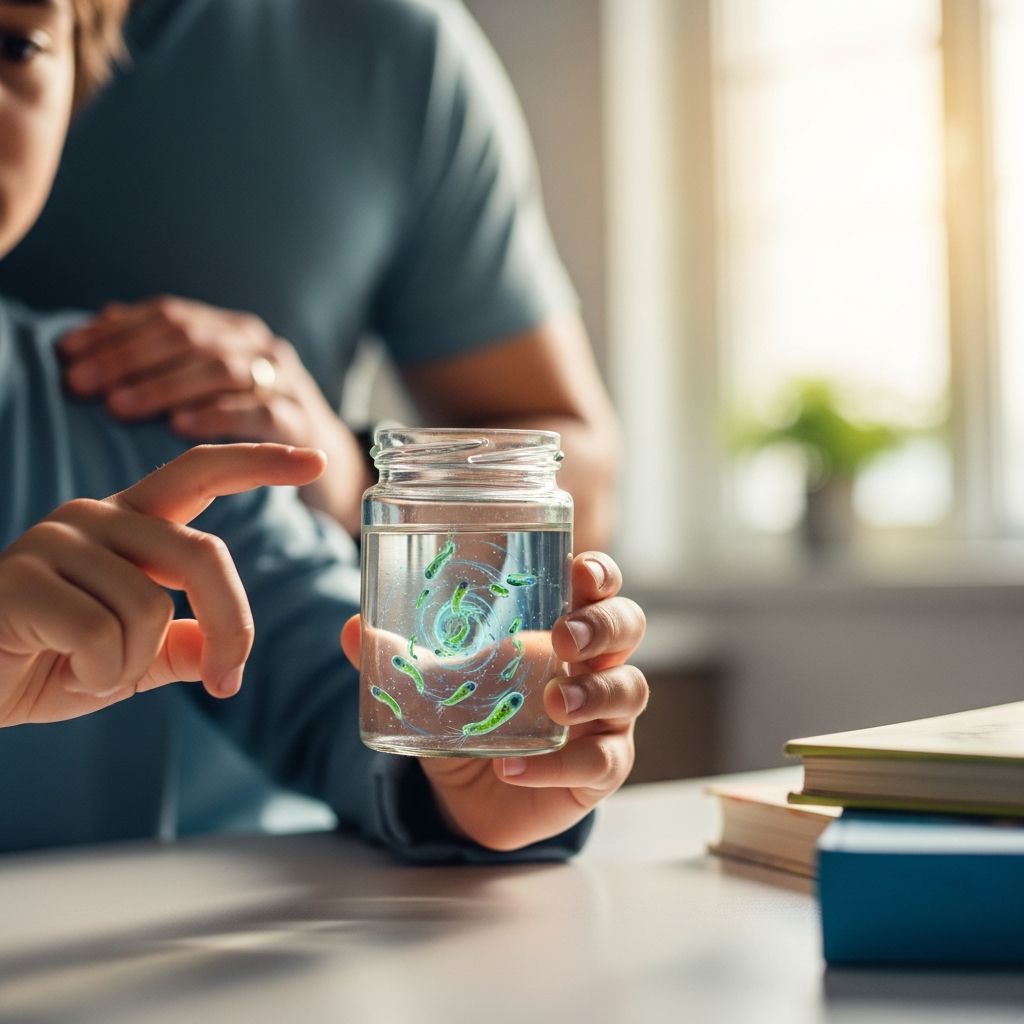
Giardia is a microscopic parasite that lives in the intestines of people and animals and is passed in stool. When it causes illness, the condition is called giardiasis, an infection that can disrupt the way the small intestine absorbs nutrients and fluids.
Children are especially vulnerable because they frequently touch surfaces, share toys, and may not wash their hands thoroughly. Infections can range from mild and barely noticeable to more severe, with ongoing diarrhea, stomach aches, and trouble gaining weight.
How Children Get Infected
Giardia spreads through the “fecal–oral” route, which means a child swallows microscopic particles that contain the parasite. These particles can come from contaminated water, surfaces, or direct contact with someone who is infected.
Common ways children get giardiasis include:
- Drinking or accidentally swallowing water from lakes, rivers, or pools that contain the parasite.
- Touching diapers, toilets, or bathroom surfaces with Giardia on them and then touching the mouth.
- Sharing toys, towels, or eating utensils in settings where infected children are present.
- Consuming food prepared by someone who did not wash their hands well after using the bathroom or changing diapers.
Who Is at Higher Risk?
Any child can get a Giardia infection, but some situations increase the chances of exposure. Recognizing these situations helps parents decide when to be especially careful with hygiene and when to contact a healthcare professional.
- Children who attend daycare or preschool, especially where many young children wear diapers.
- Kids who swim often in natural bodies of water such as lakes, rivers, or untreated ponds.
- Families who travel to areas where drinking water safety and sanitation are less reliable.
- Households with multiple young children, where diaper changes and bathroom accidents are frequent.
- Children with weakened immune systems who may have more serious or longer-lasting infections.
Common Signs and Symptoms in Children
Some children with Giardia may have no symptoms at all, even though they can still pass the parasite to others. When giardiasis does cause illness, symptoms usually appear one to two weeks after the child swallows the parasite.
Typical symptoms include:
- Loose or watery stools that may have a strong odor.
- Stomach cramps or a sore belly that comes and goes.
- Gas and bloating, often with burping or passing a lot of gas.
- Nausea or feeling like throwing up; some children may vomit.
- Reduced appetite and less interest in eating or drinking.
In some cases, symptoms last for several weeks and may lead to noticeable weight loss or slower growth. Children may seem unusually tired or irritable because frequent trips to the bathroom and abdominal discomfort can wear them out.
When Giardia Becomes More Serious
Most Giardia infections are uncomfortable but not dangerous when treated promptly. However, diarrhea and poor absorption of nutrients can produce complications, especially in younger children.
- Dehydration: Ongoing diarrhea can cause the body to lose fluids and salts faster than they are replaced, leading to dry mouth, fewer wet diapers, or dark, concentrated urine.
- Poor weight gain: Chronic symptoms can interfere with a child’s ability to absorb fats, sugars, and vitamins, possibly affecting growth over time.
- Food intolerance: Some children temporarily have trouble digesting milk or other foods after the infection, which can prolong stomach issues.
Red Flags: When to Call the Doctor
Parents should contact a healthcare professional if they suspect Giardia or if a child’s diarrhea does not improve. Immediate medical advice is especially important when certain warning signs appear.
Call a doctor promptly if your child:
- Has diarrhea lasting more than a few days, especially if it is worsening.
- Shows signs of dehydration, such as dry lips, no tears when crying, or very few wet diapers.
- Complains of severe belly pain or appears to be in significant distress.
- Is unusually sleepy, difficult to wake, or not acting like themselves.
- Has blood in the stool or persistent vomiting that makes it hard to keep fluids down.
How Giardia Is Diagnosed
Healthcare professionals usually diagnose Giardia by testing a sample of the child’s stool. Because the parasite may not appear in every single sample, more than one stool specimen may be requested.
Laboratories use several methods to look for Giardia, including:
- Microscope examination of the stool to identify the parasite.
- Special tests that detect proteins from the parasite.
- More advanced tests in select cases when the diagnosis is not clear.
Overview of the Evaluation Process
| Step | What Happens | Purpose |
|---|---|---|
| Medical history | The clinician asks about symptoms, travel, daycare attendance, and water or animal exposure. | Identifies risk factors and possible sources of infection. |
| Physical exam | The child is examined for signs of dehydration, abdominal tenderness, and growth or weight concerns. | Assesses how sick the child is and what complications may be present. |
| Stool testing | One or more stool samples are collected and analyzed in a lab. | Confirms whether Giardia or another cause is responsible for the symptoms. |
Treatment Options for Giardiasis
Most children with confirmed Giardia infection are treated with prescription medicine that kills the parasite. The exact drug and length of treatment vary by age, weight, and symptom severity, so the child’s healthcare professional will choose the most suitable option.
Key points about treatment include:
- Medication is usually taken for several days and may be a liquid or tablet, depending on the child’s age.
- It is important to give every dose as directed, even if symptoms improve before the medicine is finished.
- Other household members with symptoms may also need testing and possible treatment.
Caring for a Child with Giardia at Home
Supportive care at home focuses on preventing dehydration and helping the child feel as comfortable as possible while the medicine takes effect. Good hygiene also reduces the chance of spreading the parasite to others.
Helpful home-care strategies include:
- Offering small, frequent sips of fluids such as oral rehydration solutions recommended by a healthcare professional.
- Avoiding sugary drinks or fruit juices that can worsen diarrhea in some children.
- Serving bland foods, such as plain rice, toast, bananas, or applesauce, if the child is hungry.
- Continuing breastfeeding or formula feeding for infants, with guidance from a pediatrician.
- Keeping the child home from daycare or school while having active diarrhea, as advised by the healthcare provider.
Protecting the Rest of the Family
Because Giardia spreads easily in households, parents should take extra steps to prevent reinfection or transmission to siblings and caregivers. Bathroom hygiene, surface cleaning, and careful food handling are especially important.
- Wash hands with soap and water after diaper changes, using the toilet, or cleaning up accidents.
- Disinfect bathroom surfaces, diaper-changing areas, and frequently touched objects such as doorknobs and toys.
- Use separate towels and washcloths for each family member and launder them in hot water.
- Avoid sharing cups, utensils, or water bottles, especially when someone has diarrhea.
- Follow healthcare or public health guidance on when the child can safely return to group settings.
How Long Does Giardia Last?
Symptoms of giardiasis can last from a couple of weeks to more than a month, depending on how quickly the infection is diagnosed and treated. Some children feel better within days of starting medication, while others improve more gradually.
Even after the parasite is cleared, a few children have lingering digestive sensitivity, such as temporary trouble digesting milk products. In most cases, these issues fade over time, but parents should discuss any ongoing symptoms with their child’s healthcare professional.
Preventing Giardia in Everyday Life
Although Giardia is common, simple precautions can reduce a child’s risk of infection. Prevention focuses on clean water, good handwashing, and safe handling of diapers and stool.
Practical Prevention Tips for Families
- Teach children to wash hands with soap and water after using the bathroom, playing outside, or touching animals.
- Encourage kids to wash hands before eating or handling food.
- Avoid swallowing water while swimming in pools, lakes, or rivers.
- Do not drink untreated water from streams or natural sources; boil or filter it first when camping or hiking.
- Dispose of diapers in a covered trash can and clean diaper-changing areas after each use.
Safe Water and Travel Habits
When traveling or spending time in areas with uncertain water quality, families can take additional precautions to avoid Giardia. Children are particularly vulnerable because they may accidentally drink bath water or put unwashed items in their mouths.
- Use bottled, boiled, or properly filtered water for drinking, toothbrushing, and mixing infant formula.
- Avoid raw foods washed in unsafe water, such as unpeeled fruits or uncooked vegetables.
- Remind children not to drink water from hotel sinks or outdoor sources unless it is known to be safe.
Giardia in Childcare and School Settings
Group environments like daycares and preschools can be hotspots for Giardia because many young children share bathrooms, toys, and play areas. Clear policies and consistent hygiene routines help reduce outbreaks.
Facilities can lower risk by:
- Ensuring frequent and supervised handwashing for children and staff.
- Cleaning and disinfecting toys, toilets, and changing tables regularly.
- Excluding children and staff with diarrhea until they are cleared to return by a healthcare professional.
- Providing training for staff on safe diaper-changing and proper glove use.
Long-Term Outlook for Children with Giardia
With appropriate treatment and good follow-up, most children recover completely from a Giardia infection. The main concerns are temporary weight loss, dehydration, and, in some cases, short-term issues with digesting certain foods.
Regular check-ins with the child’s healthcare professional, monitoring growth, and encouraging a balanced diet all support a full recovery. Parents should also stay alert for recurring symptoms, which may indicate reinfection or another digestive condition.
Frequently Asked Questions (FAQ)
Can my child have Giardia without diarrhea?
Yes. Some children carry the parasite without obvious symptoms, such as diarrhea or stomach pain. Even without symptoms, they can still pass Giardia to others, which is why handwashing and good hygiene are critical in households and childcare settings.
Is Giardia contagious between family members?
Giardia can spread easily among people who live together because they share bathrooms, towels, and common spaces. Careful handwashing, proper diaper disposal, and disinfecting surfaces significantly reduce the chance of the parasite passing from one person to another.
How soon can my child go back to daycare or school?
Return-to-care guidelines vary by community and by the childcare facility’s policies. In general, children should stay home while they have active diarrhea and follow the advice of their healthcare professional and local health authorities before returning.
Do pets give Giardia to children?
Pets such as dogs and cats can carry Giardia, although not every strain that infects animals will infect people. Good handwashing after handling pet waste, cleaning litter boxes, or playing with animals helps minimize the risk of transmission.
Will my child need repeat testing after treatment?
Some healthcare professionals request follow-up stool tests, especially if symptoms continue or return after treatment. Others may rely on the child’s improvement to judge whether the infection has cleared, deciding on additional tests based on the individual situation.
Key Takeaways for Parents
- Giardia is a common intestinal parasite that often causes diarrhea, gas, and stomach cramps in children.
- Most infections spread through contaminated water, poor bathroom hygiene, or direct contact in group settings like childcare centers.
- Diagnosis is usually made through stool tests, and treatment typically involves a short course of prescription medicine.
- Handwashing, safe water practices, and careful diaper handling are the most effective ways to prevent infection and reinfection.