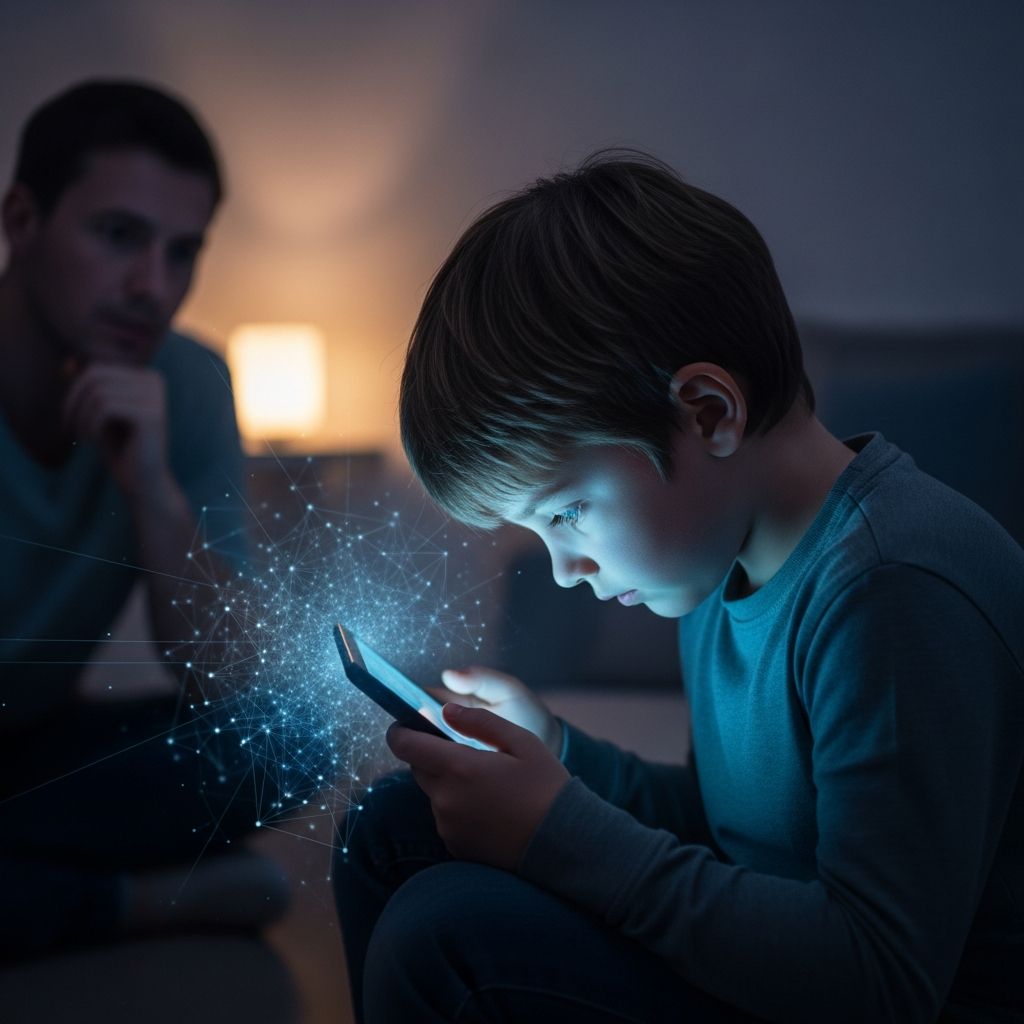
Video games captivate millions of children worldwide, offering excitement and virtual achievements. However, excessive play can evolve into addiction, disrupting daily life, health, and relationships. Parents often struggle to distinguish healthy gaming from problematic behavior. This article explores key indicators of gaming addiction, its consequences, and actionable steps to intervene effectively.
Understanding the Rise of Gaming in Children’s Lives
Modern children spend significant time on digital devices, with gaming as a primary activity. According to diagnostic criteria, internet gaming disorder involves persistent preoccupation and impaired control over gaming. This condition, recognized provisionally in the DSM-5, affects youth who prioritize games over real-world responsibilities. Factors like low self-esteem or emotional distress heighten vulnerability, turning recreation into compulsion.
Gaming provides dopamine-driven rewards, mimicking addiction mechanisms in substances. Over time, children require longer sessions for satisfaction, fostering tolerance. Unlike casual play, addiction leads to measurable declines in school performance, sleep, and social bonds. Early awareness empowers parents to act before long-term damage occurs.
Key Behavioral Indicators of Gaming Addiction
Recognizing addiction requires observing patterns beyond casual enjoyment. Here are primary signs drawn from clinical observations:
- Constant Mental Focus on Games: Children think about gaming even when offline, discussing strategies obsessively or planning sessions.
- Escalating Play Duration: Sessions extend to 8-10 hours daily, neglecting meals or rest, as tolerance builds.
- Abandoning Prior Interests: Sports, reading, or friends fade, replaced by solitary screen time.
- Emotional Reactions to Restrictions: Irritability, anger, or withdrawal symptoms emerge when access is limited.
- Failed Self-Control Attempts: Repeated promises to cut back fail, with play persisting despite awareness of harm.
- Deception About Usage: Hiding playtime or sneaking devices indicates shame or dependency.
- Mood Regulation Via Gaming: Games serve as escape from stress, anxiety, or boredom.
- Continuation Amid Consequences: Poor grades, family conflicts, or health issues do not deter play.
Meeting five or more criteria within a year suggests disorder, warranting professional evaluation. Track these over weeks for accuracy.
Health and Developmental Impacts
Prolonged gaming inflicts multifaceted harm. Physically, sedentary habits contribute to obesity, eye strain, and musculoskeletal pain. Sleep disruption from late-night play impairs growth and cognition.
Mentally, hyperarousal states hinder attention, impulse control, and emotional regulation. Risks include heightened anxiety, depression, and reduced empathy. Socially, virtual interactions supplant face-to-face bonds, fostering isolation. Academically, lower grades and missed classes correlate with heavy gaming.
| Area of Impact | Symptoms | Long-Term Risks |
|---|---|---|
| Physical | Obesity, poor sleep, hygiene neglect | Chronic health conditions |
| Mental | Anxiety, irritability, cravings | Depression, brain changes |
| Social | Isolation, peer conflicts | Impaired relationships |
| Academic | Declining grades, absenteeism | Future opportunity loss |
These effects compound, creating cycles of dependency and distress.
Why Children Develop Gaming Dependencies
Several mechanisms drive addiction. Reward systems in games trigger dopamine releases, similar to gambling. Children with unmet emotional needs find solace in virtual worlds. Peer pressure via online multiplayer reinforces play.
Environmental factors include easy device access and lax parental oversight. Pandemic-era screen surges accelerated issues. Neurologically, chronic use alters brain pathways, heightening cravings. Breaking this requires addressing root causes alongside behavior changes.
Practical Strategies for Parents to Regain Control
Intervention starts with firm, empathetic boundaries. Abrupt cutoffs provoke intense withdrawal, as one parent noted during a detox week. Gradual reduction proves more sustainable.
- Assess and Communicate: Discuss observations calmly, framing concerns around care, not punishment.
- Set Clear Rules: Limit to 1-2 hours daily, post-homework, using timers.
- Monitor Devices: Employ parental controls; position consoles in common areas.
- Replace with Alternatives: Introduce sports, arts, or family outings to fill voids.
- Enforce Consequences: Link privileges to compliance; remain consistent despite protests.
- Model Balance: Demonstrate healthy tech habits yourself.
Track progress weekly, celebrating non-gaming wins to build momentum.
Navigating Resistance and Withdrawal
Expect pushback: outbursts, negotiations, or secrecy. View these as addiction symptoms, not defiance. Stay united if co-parenting; inconsistency undermines efforts. Detox phases last days to weeks, with peak irritability early.
Support coping via exercise, journaling, or talks. If aggression escalates, ensure safety and seek help promptly.
Professional Interventions and When to Seek Them
Home strategies suffice for mild cases, but severe addiction—marked by violence, self-harm ideation, or total life disruption—demands experts. Cognitive Behavioral Therapy (CBT) addresses thought patterns. Family counseling rebuilds dynamics.
Contact helplines like SAMHSA for referrals. Residential programs exist for extreme cases. Early treatment prevents permanent neural shifts. Monitor for co-occurring issues like ADHD or depression.
Building a Tech-Healthy Family Environment
Prevention trumps cure. Foster routines prioritizing sleep, meals, and interaction. Designate device-free zones/times. Promote outdoor play to counter sedentary risks.
Discuss gaming’s role openly, teaching moderation as life skill. Reward real achievements to diminish virtual allure. Long-term, balanced tech use enhances development without addiction.
Frequently Asked Questions (FAQs)
What if my child plays 4 hours daily—is that addiction?
Not necessarily, but evaluate against other signs like neglected duties or withdrawal. Use DSM criteria for guidance.
How long does withdrawal last?
Typically 1-2 weeks, with intense symptoms first few days. Patience and alternatives ease it.
Can gaming ever be positive?
Yes, in moderation: boosts problem-solving and coordination. Excess tips into harm.
What devices need monitoring?
All: consoles, PCs, phones, tablets. Unified rules prevent loopholes.
Is professional help always needed?
No, for mild cases; try boundaries first. Escalate if no improvement in 4-6 weeks.
This comprehensive approach equips parents to foster thriving, balanced children amid digital temptations.
References
- Top 8 Signs of Gaming Addiction in Children — CBT Professionals. 2023. https://cbtprofessionals.com.au/top-8-signs-of-gaming-addiction-in-children/
- Video Game Addiction: My Son’s Digital Detox and Recovery — ADDitude Magazine. 2023. https://www.additudemag.com/video-game-addiction-digital-detox/
- Are Video Games and Screens Another Addiction? — Mayo Clinic Health System. 2023-10-18. https://www.mayoclinichealthsystem.org/hometown-health/speaking-of-health/are-video-games-and-screens-another-addiction
- Symptoms, Mechanisms, and Treatments of Video Game Addiction — PMC (National Library of Medicine). 2023-03-29. https://pmc.ncbi.nlm.nih.gov/articles/PMC10065366/
- Teen Video Game Addiction: Five Things to Know — Stanford Medicine. 2025-12. https://med.stanford.edu/news/insights/2025/12/teen-video-game-addiction-five-things-to-know.html
- Escaping Reality: How to Recognize Video Game Addiction — Atlantic Health. 2023. https://www.atlantichealth.org/health-articles/healthy-living/video-game-addiction
- Internet Gaming — American Psychiatric Association. 2023. https://www.psychiatry.org/patients-families/internet-gaming
- National Helpline — SAMHSA (U.S. Dept. of Health and Human Services). 2026. https://www.samhsa.gov/find-help/helplines/national-helpline