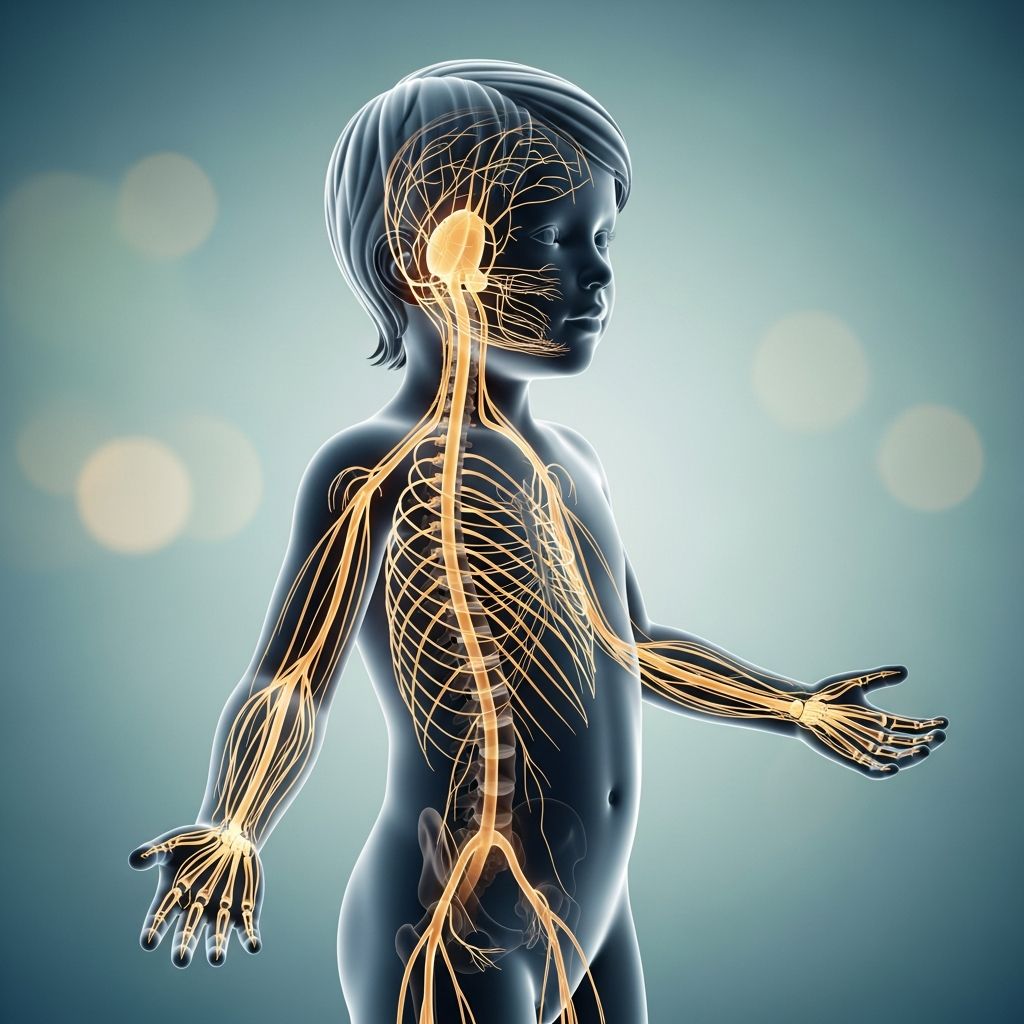
Explosive anger in young people often manifests as sudden, intense outbursts that disrupt daily life, relationships, and development. These episodes, ranging from verbal tirades to physical aggression, signal a need for intervention when they persist beyond typical developmental stages.
Recognizing Signs of Problematic Anger
Normal frustration is part of growing up, but **explosive anger** crosses into concerning territory when it becomes frequent, disproportionate, or harmful. Children under 4 may have up to nine tantrums weekly, lasting 5-10 minutes with crying, kicking, or hitting, but most outgrow this by kindergarten. Persistent issues in older kids warrant attention, as they are a leading reason for mental health referrals.
Key indicators include:
- Outbursts triggered by minor frustrations, like not getting a desired item.
- Episodes involving property damage, verbal abuse, or harm to self/others.
- Frequency exceeding age norms, interfering with school, family, or social functioning.
- Accompanying irritability, such as chronic moodiness or low frustration tolerance.
Teens may show escalated rage during puberty due to hormonal shifts, compounded by stress from academics or peers.
Unpacking the Root Causes
**Explosive anger** rarely stems from a single source; it’s often a mix of biological, environmental, and psychological factors. Genetics influence emotional reactivity, while brain-based conditions impair self-regulation.
| Category | Common Causes | Examples |
|---|---|---|
| Biological/Neurological | ADHD, autism, OCD, Tourette’s | Impulsivity and low frustration tolerance from ADHD lead to rapid escalation. |
| Environmental | Trauma, family conflict, inconsistent discipline | Harsh parenting or witnessing arguments models poor emotional control. |
| Psychological | Anxiety, learning disorders, bullying | Anxiety manifests as irritability; language issues hinder expressing frustration. |
Conditions like **intermittent explosive disorder (IED)** involve recurrent aggressive surges grossly out of proportion to triggers, often linked to serotonin imbalances. In studies, rages correlate strongly with ADHD plus oppositional defiant disorder (ODD) or conduct disorder (CD), affecting self-control even in structured settings.
Immediate Strategies for Parents During Outbursts
When rage erupts, parental responses can de-escalate or exacerbate. Prioritize safety first: remove hazards, ensure space, and avoid physical restraint unless necessary for protection.
- Stay calm: Model composure; yelling fuels the fire.
- Set boundaries: Use short, firm statements like “No hitting” without negotiation.
- Disengage: Walk away if safe, saying “We’ll talk when calm.”
- Time limits: Enforce brief timeouts (1 minute per year of age) post-outburst.
Post-episode, debrief neutrally: “What upset you? What could work next time?” This builds insight without blame.
Building Long-Term Emotional Skills at Home
Proactive parenting fosters resilience. **Parent management training (PMT)** emphasizes positive reinforcement over punishment, boosting family bonds and motivation. Reward calm choices with praise or privileges to reinforce desired behaviors.
Incorporate daily routines:
- Exercise: Active play reduces pent-up energy and stress.
- Mindfulness: Simple breathing exercises (e.g., 4-7-8 technique: inhale 4 seconds, hold 7, exhale 8) teach regulation.
- Problem-solving practice: Role-play scenarios to brainstorm alternatives.
- Consistent rules: Clear expectations prevent power struggles.
Address co-occurring issues: Screen for anxiety via excessive worry or ADHD through inattention/hyperactivity.
Professional Interventions That Work
When home efforts fall short, evidence-based therapies shine. **Cognitive behavioral therapy (CBT)** tops the list, with a 65% success rate in curbing outburst frequency and intensity.
CBT components include:
- Identifying triggers and early warning signs (e.g., clenched fists).
- Cognitive restructuring: Challenge thoughts like “Everyone hates me” to “I’m upset now, but it passes.”
- Skill-building: Role-play communication, relaxation techniques.
PMT complements by equipping parents with tools like token economies—earning points for calm behavior redeemable for rewards. Family therapy enhances communication, vital when dynamics contribute to rage.
For severe cases, medications target underlying issues:
| Medication Type | Purpose | Examples |
|---|---|---|
| SSRIs | Boost serotonin, reduce impulsivity | Fluoxetine for IED symptoms. |
| Mood stabilizers/Anticonvulsants | Control aggression | For co-morbid bipolar-like traits. |
| ADHD meds | Improve focus and frustration tolerance | Stimulants if ADHD present. |
Monitor closely; meds aren’t first-line but aid therapy.
Navigating School and Social Challenges
Anger spills into classrooms and friendships, risking isolation. Collaborate with educators on behavior plans: Designated cool-down spaces, social skills groups.
Teach peer interactions: “Use words, not hands.” Bullying or academic struggles amplify rage—intervene early with counselors.
Prevention and Family Wellness
Sustained change requires holistic shifts. Prioritize sleep (9-11 hours for school-age kids), nutrition, and screen limits to stabilize mood. Family counseling resolves underlying conflicts.
Track progress: Log outbursts to spot patterns, celebrate reductions. Intensive programs like outpatient DBT suit refractory cases.
Frequently Asked Questions (FAQs)
Q: At what age should I worry about my child’s tantrums?
A: Concern arises if tantrums persist past kindergarten, last over 10 minutes, or involve aggression/harm.
Q: Can explosive anger be outgrown without help?
A: Some mild cases resolve, but chronic issues often worsen without intervention, especially with ADHD/ODD.
Q: Is medication safe for young kids with anger issues?
A: Used cautiously for co-morbidities under specialist care; therapy is primary.
Q: How does anxiety link to child anger?
A: Overwhelm from anxiety triggers irritability as a defense mechanism.
Q: What if my teen’s rage damages property?
A: Ensure safety, seek immediate professional evaluation for IED or mood disorders.
Q: How effective is CBT for teen rage?
A: Highly effective, teaching emotion regulation and alternative responses with parental involvement.
This guide empowers families to transform rage into resilience. Early action yields lasting calm—consult professionals for tailored plans.
References
- Anger, Irritability and Aggression in Kids | Fact Sheets — Yale Medicine. 2023. https://www.yalemedicine.org/conditions/anger-issues-in-children-and-teens
- Rages—What Are They and Who Has Them? — PMC – NIH. 2010-04-22. https://pmc.ncbi.nlm.nih.gov/articles/PMC2856921/
- Intermittent Explosive Disorder in Children: Signs, Causes, and How to — Mental Health Center Kids. 2023. https://mentalhealthcenterkids.com/blogs/articles/intermittent-explosive-disorder-in-children
- Why Is My Child So Angry & How Can I Help Them? — The Meadows. 2023. https://themeadows.net/blog/why-is-my-child-so-angry/
- Helping your child with anger issues — NHS. 2023. https://www.nhs.uk/mental-health/children-and-young-adults/advice-for-parents/help-your-child-with-anger-issues/
- Caring For Children With Intermittent Explosive Disorder (IED) — Lakeside Behavioral Health System. 2023. https://lakesidebhs.com/blog/caring-for-children-with-intermittent-explosive-disorder/