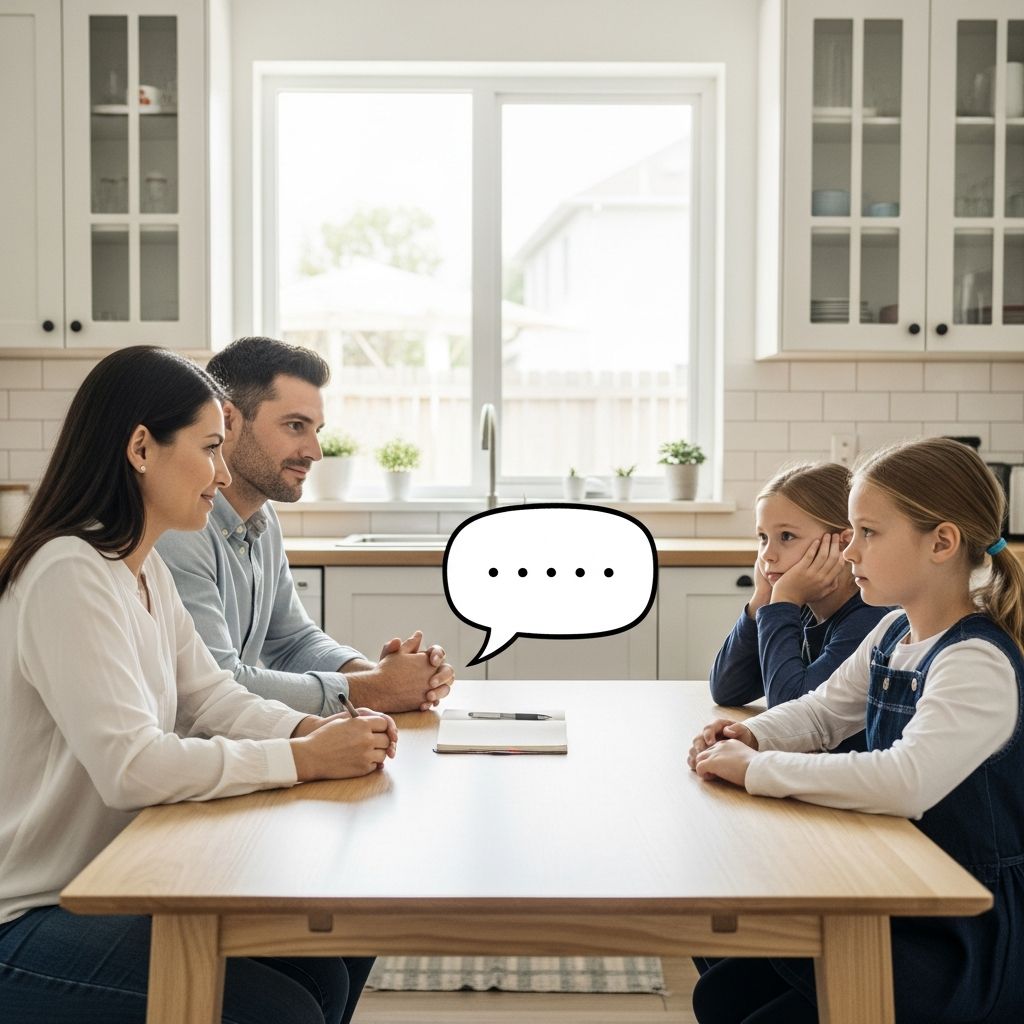
Parenting today asks more of caregivers than ever: emotional presence, clear boundaries, and a willingness to heal our own wounds so we do not pass them on. This guide offers a practical, heart-centered roadmap for raising resilient children through connection rather than control.
Why Connection-Based Parenting Matters
Children grow best in relationships where they feel seen, safe, and deeply valued. When parents focus on connection first, cooperation begins to flow more naturally, even during stressful moments. Instead of relying on fear or shame, connection-based parenting uses empathy, curiosity, and clear boundaries to help kids develop inner strength and self-respect.
This approach does not mean permissiveness. Rather, it means holding firm limits in a way that protects both the child’s dignity and the parent’s integrity. Over time, kids internalize this compassionate structure and learn how to regulate emotions, take responsibility, and repair relationships when things go wrong.
Core Principles of Compassionate Parenting
Before diving into techniques, it helps to understand the foundation of a connection-based approach. These guiding ideas can orient you whenever parenting feels overwhelming.
- Relationship over compliance: Long-term trust matters more than short-term obedience, especially when a child is struggling.
- Behavior as communication: Difficult behavior often signals an unmet need, overloaded nervous system, or skill gap rather than a moral failing.
- Limits as safety, not punishment: Boundaries protect both the child and the household; they do not need to be harsh to be effective.
- Curiosity over judgment: Asking “What is happening inside my child right now?” opens space for problem-solving and empathy.
- Repair is more powerful than perfection: Every rupture is an opportunity to model apology, accountability, and reconnection.
Understanding Your Child’s Nervous System
Many power struggles make more sense when seen through the lens of the nervous system. When children feel unsafe, overwhelmed, or disconnected, their brains shift into survival mode and logic becomes hard to access. In this state, lectures, threats, or punishments often intensify the struggle instead of resolving it.
Connection-based parenting focuses on helping the child return to a regulated state before addressing the lesson. Calm presence, predictable routines, and consistent boundaries all contribute to a sense of safety that allows real learning to occur.
Common States of a Child’s Nervous System
| State | What You Might See | Helpful Adult Responses |
|---|---|---|
| Calm & engaged | Curiosity, playfulness, eye contact, flexible thinking | Invite collaboration, offer choices, introduce new skills |
| Activated & stressed | Whining, defiance, tears, yelling, restless movement | Slow down, validate feelings, simplify demands, stay close and steady |
| Shut down & withdrawn | Flat affect, avoidance, “I don’t care,” refusal to talk | Gentle invitations, low-pressure connection, emphasize safety and patience |
Listening Beneath the Behavior
Every challenging moment offers a question: “What is this behavior trying to tell me?” Instead of jumping to consequences, curious parents look for the story under the surface. This mindset honors the child’s experience, even while correcting unhelpful actions.
Below are common hidden messages that might be driving behavior. Recognizing them helps shift from blame to collaboration.
Possible Messages Behind Difficult Behavior
- “I’m overwhelmed.” The child may be tired, hungry, overstimulated, or dealing with too many expectations at once.
- “I need connection.” Acting out can be a clumsy attempt to get attention or reassurance from a busy caregiver.
- “I don’t know how.” A child might not yet have the skills to express feelings, solve conflicts, or manage impulses.
- “I feel powerless.” Refusal or defiance can be a protest against feeling controlled or unheard.
- “I’m carrying something heavy.” Stress at school, sensory overload, or family tension may be spilling over into their behavior.
Emotion Coaching: Turning Big Feelings into Teachable Moments
Emotion coaching is the practice of staying with a child’s feelings instead of trying to shut them down. The goal is not to stop the emotion but to help the child move through it safely, learning that all feelings are acceptable while some behaviors are not.
This approach builds emotional literacy, empathy, and resilience. Over time, children who are coached through big feelings begin to internalize the calming strategies they see in their caregivers.
Simple Emotion Coaching Steps
- Pause and ground yourself. Take a breath, relax your shoulders, and notice your own emotions before responding.
- Notice and name the feeling. Gently reflect what you observe, staying tentative and open to correction.
- Validate the experience. Convey that their feelings make sense in light of what happened.
- Set any necessary limits. Clarify which behaviors are not okay, without attacking the child’s character.
- Collaborate on solutions. Once calm returns, explore together what could be done differently next time.
Setting Kind, Clear Boundaries
Compassionate parenting holds that limits are an expression of love. Children need adults to provide a sturdy container for their developing impulses and emotions. Consistent boundaries communicate, “You are safe, and I am here to help you navigate life.”
The challenge is to hold firm without sliding into harshness or, on the other side, collapsing into inconsistency. The balance of warmth and structure is what allows children to trust both their caregivers and themselves.
Guidelines for Effective Limits
- Be proactive, not reactive. Establish clear expectations during calm moments instead of improvising during conflicts.
- Use simple, concrete language. Short statements are easier for a dysregulated child to absorb than long explanations.
- Follow through consistently. Predictability creates safety. If a boundary matters, reinforce it gently but reliably.
- Offer limited choices. Whenever possible, give two acceptable options to preserve the child’s sense of agency.
- Protect dignity. Correct behavior privately when possible and focus on actions, not labels or character judgments.
Transforming Conflict into Connection
No family is conflict-free. The goal is not to avoid all friction, but to use it as material for growth. When handled thoughtfully, everyday struggles become opportunities for children to learn communication, problem-solving, and repair.
Parents who stay anchored during storms send a powerful message: “Our relationship is strong enough to hold your biggest feelings.” This sense of security lays the groundwork for resilience and self-confidence.
Conflict-Transformation Checklist
- Notice your early warning signs (tight jaw, racing thoughts, urge to yell) and pause before reacting.
- Lower your voice and reduce your words when intensity rises instead of escalating.
- Move physically closer if it feels safe, or give space while assuring the child you will stay available.
- Reflect the child’s perspective before explaining yours, so they feel understood rather than argued with.
- Circle back later to debrief what happened, highlight what went well, and plan for next time.
Respecting Identity and Lived Experience
Every child arrives with a unique mix of temperament, culture, abilities, and identities. Connection-based parenting recognizes that there is no single “right” way to be a child and no single “right” family story. Instead of forcing kids into narrow boxes, caregivers can create a home where difference is welcomed and explored with curiosity.
Respecting identity also means noticing how social messages about gender, race, disability, and other aspects of selfhood shape a child’s experience. Parents can model critical thinking by naming unfairness, celebrating diversity, and offering language for talking about belonging and exclusion.
Practices for Honoring Each Child
- Invite children to share what feels important about who they are and what makes them feel proud.
- Include books, stories, and media that reflect a wide range of families, bodies, cultures, and identities.
- Listen carefully when a child shares discomfort or confusion about how others treat them.
- Collaborate on family agreements that protect everyone’s dignity and safety.
Supporting Neurodivergent and Sensitive Kids
Some children experience the world with heightened sensitivity or different processing styles. For these kids, everyday situations like crowded spaces, transitions, or unexpected changes can feel especially intense. A one-size-fits-all approach to discipline often backfires when a child’s nervous system is easily overwhelmed.
Parents can reduce shame and frustration by understanding sensory needs, offering predictable routines, and building in recovery time after stressful events. Rather than demanding toughness, compassionate caregivers focus on collaborative problem-solving and skill-building tailored to the child’s unique profile.
Concrete Supports for Sensitive Children
- Use visual schedules or checklists to make transitions more predictable.
- Create a cozy “calm space” with comforting items where the child can regroup.
- Offer advance warnings before transitions when possible.
- Break tasks into small steps and celebrate each bit of progress.
- Partner with teachers or other caregivers to share strategies and ensure consistency.
Why Parent-Centered Support Matters
Compassionate parenting asks adults to do difficult internal work: confronting past experiences, unlearning harmful patterns, and building new skills without a script from one’s own upbringing. This can feel isolating, especially when extended family members or peers use more traditional methods.
Parent-centered support—through coaching, groups, or community—gives caregivers a place to process emotions, experiment with new tools, and receive nonjudgmental feedback. When parents feel supported, they have more capacity to show up calmly and creatively for their children.
Benefits of Working with a Parenting Professional
- Personalized strategies tailored to a family’s values, identities, and specific challenges.
- Structured space to reflect on patterns, triggers, and hopes for the parent-child relationship.
- Accountability and encouragement while building new habits.
- Validation that parenting struggles are common and workable, not signs of failure.
Daily Habits That Build Connection
Transformative parenting is less about grand gestures and more about tiny, repeated moments of attunement. Regular, predictable rituals communicate, “You matter, and our relationship is a priority,” even on hectic days.
Small changes in daily rhythm can dramatically shift the tone of a household over time. The key is consistency rather than perfection.
Connection Ritual Ideas
- “First five minutes” presence: Offer undivided attention during the first five minutes after waking up or reuniting.
- Micro-play breaks: Sprinkle playful, five-minute interactions throughout the day, especially during routines like getting dressed or cleaning up.
- Shared closing ritual: End the day with a predictable pattern such as a song, gratitude reflection, or story.
- Weekly check-ins: Schedule a regular time to ask children what is going well and what they wish could be different at home.
Frequently Asked Questions About Connection-Based Parenting
Is compassionate parenting the same as letting kids do whatever they want?
No. Compassionate parenting combines empathy with firm, consistent boundaries. The difference is that limits are enforced without humiliation, threats, or violence. Children learn that they are always worthy of respect, even when their behavior needs to change.
Will my child still respect me if I stop using punishment?
Respect built on fear tends to crumble when kids grow older or gain independence. Respect grounded in trust, safety, and fairness is far more durable. When children experience their caregivers as both kind and reliably boundaried, they usually become more cooperative, not less.
What if I lose my temper and yell?
All caregivers lose patience sometimes. The most important step is repair: acknowledge what happened, take responsibility for your actions, and model how to make amends. This teaches kids that relationships can survive conflict and that everyone is always learning.
How long does it take to see changes in my child’s behavior?
Every family is different. Some shifts appear quickly when parents change their responses, while deeper patterns may take weeks or months to transform. Consistency, self-compassion, and support make it more likely that new approaches will take root.
Can this approach work if only one caregiver is on board?
Yes, even one adult using connection-based tools can significantly influence a child’s sense of safety and self-worth. Over time, other caregivers may become more open when they witness improvements in the child’s regulation and the overall family atmosphere.
Bringing It All Together
Connection-based parenting is not about never making mistakes; it is about slowly reshaping the way adults and children experience power, emotion, and belonging. By prioritizing relationship, listening beneath behavior, and holding firm yet compassionate boundaries, families can transform daily struggles into opportunities for growth.
Each moment of presence, each repair after a hard interaction, and each brave step toward new patterns contributes to a more secure, respectful bond. In that bond, children discover that they are lovable, capable, and resilient—and caregivers discover that they are, too.