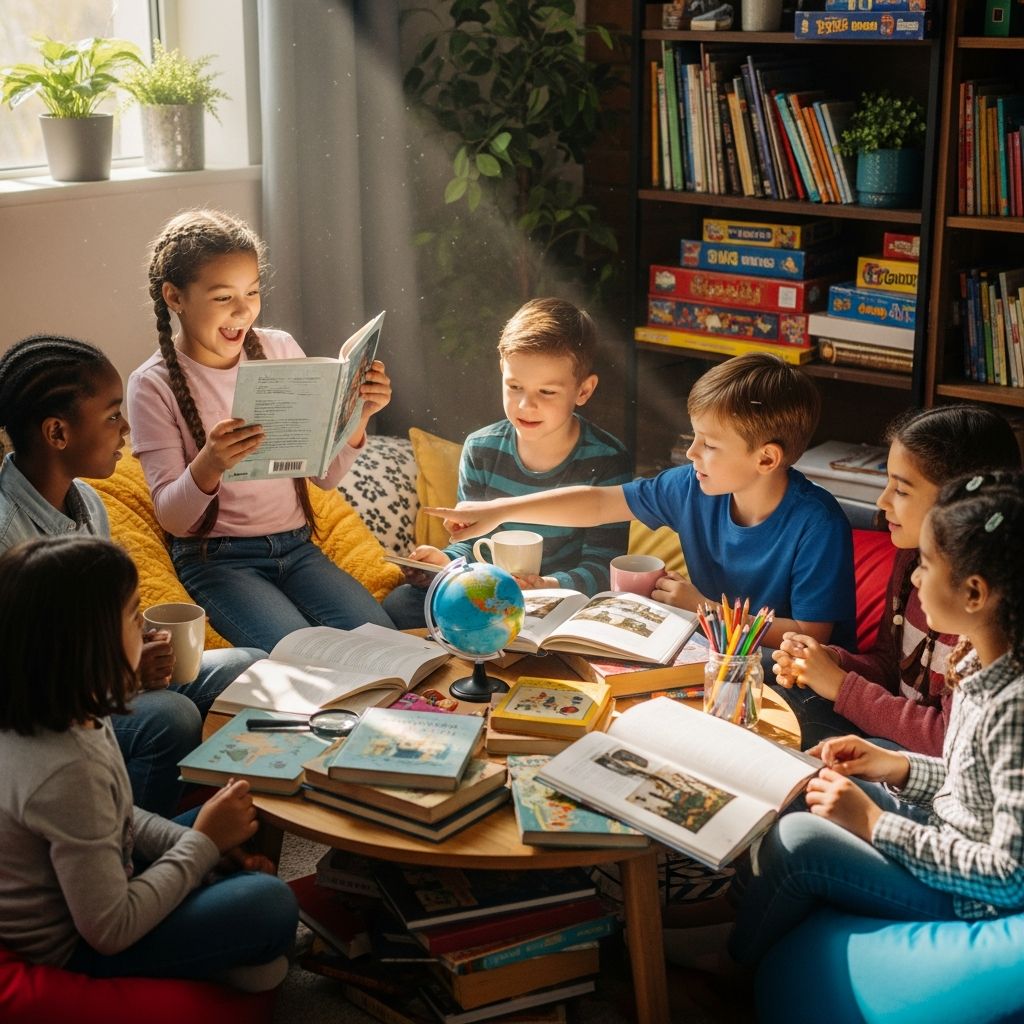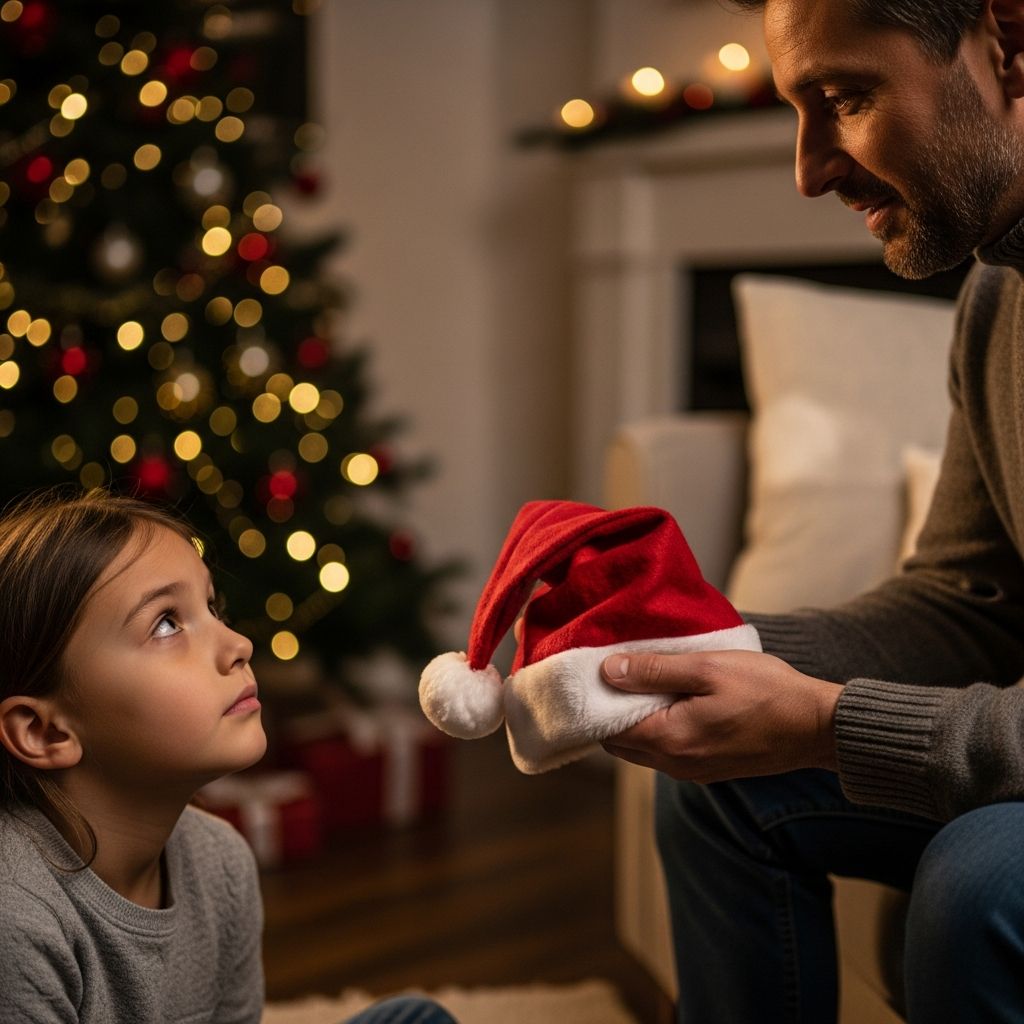
The tradition of Santa Claus captivates young minds during the holiday season, sparking joy, anticipation, and a sense of magic. But as children grow, questions arise about when—and how—to transition them from this cherished fantasy to the reality behind it. Parents often grapple with concerns over trust, emotional impact, and long-term development. Research from developmental psychology provides clear guidance: most children naturally uncover the truth around age seven, often responding with pride rather than distress.
Understanding the Natural Evolution of Belief in Santa
Children’s belief in Santa Claus follows a predictable developmental path. Studies show that the average age for discovering the myth is seven years old, with many starting to question it as early as four. This shift aligns with cognitive milestones, particularly the transition from preoperational to concrete operational thinking, where kids begin distinguishing fantasy from reality more reliably.
In one structured interview with 52 children who no longer believed, parents reported strong initial encouragement of the Santa story, yet kids typically pieced together the truth independently.Positive reactions dominated, with children expressing delight in their own detective work rather than betrayal.
- Belief fades gradually over a couple of years, often before parents suspect.
- Two-thirds of children feel pride in solving the ‘mystery’ themselves.
- Only rare cases involve distress, usually tied to abrupt or insensitive disclosures.
This process mirrors broader growth in deductive reasoning and skepticism, essential skills for navigating the world.
Psychological Benefits of Engaging with the Santa Tradition
Far from harming development, participating in the Santa story enhances key cognitive and emotional abilities. Pretend play, including fantasies like Santa, exercises imagination—a cornerstone of innovation and problem-solving.
Developmental psychologist Alison Gopnik highlights how such activities help children envision alternative realities, fostering creativity. Research links rich fantasy lives to better emotional understanding and reasoning skills. Kids with imaginary companions, for instance, score higher on tests of empathy and social cognition.
| Benefit | Description | Supporting Evidence |
|---|---|---|
| Imagination Boost | Envisions new possibilities | Correlates with inventive thinking in adults |
| Emotional Insight | Models complex feelings | Higher scores in emotional IQ tests |
| Reasoning Skills | Evaluates evidence vs. fantasy | Pride in self-discovery of truth |
These gains persist even after the reveal, turning Santa into a rite of passage that celebrates intellectual maturity.
Potential Drawbacks and How to Avoid Them
Not all aspects of the Santa narrative are benign. Critics point to behavioral manipulation via the ‘naughty or nice’ list, which relies on delayed rewards children struggle to prioritize. Young kids can’t reliably defer gratification for weeks, making this tactic ineffective for sustained change.
Moreover, promised tangible rewards can erode intrinsic motivation post-holidays, potentially increasing misbehavior afterward. When used as a threat, it pairs with shaming, linked to anxiety and aggression. Controlling lies in parenting correlate with teen anxiety and poorer adult adjustment, though simple fantasy-sharing without coercion shows less risk.
- Avoid linking Santa to behavior control to prevent demotivation.
- Steer clear of disappointment tactics, which heighten emotional distress.
- Model honesty; school-age kids may mimic observed deception.
Balance magic with authenticity by framing Santa as a symbol of generosity, not judgment.
Signs Your Child Is Ready for the Truth
Observe subtle cues that signal readiness, preventing forced reveals that breed resentment. Common indicators include:
- Questioning logistics: ‘How does Santa visit all houses in one night?’
- Skepticism about reindeer flight or chimney physics.
- Comparing notes with peers who know the truth.
- Age 7-9 cluster, per multiple studies.
About one-third of children experience mild negative emotions like surprise, but half of adults recall similar fleeting feelings. Persistent upset is rare and often stems from unrelated anxieties, not the myth itself.
Strategies for Thoughtful Disclosure Conversations
When the moment arrives, prioritize empathy and empowerment. Let your child lead: ‘What do you think about Santa?’ Affirm their intelligence: ‘You’re so smart to figure this out!’ Redirect wonder to real magic—family bonds, acts of kindness.
- Listen actively: Validate feelings without defensiveness.
- Share the backstory: Explain Santa as a historical figure of giving, evolved into a joyful tradition.
- Maintain roles: Offer to ‘help Santa’ with gift-giving, preserving fun.
- Build new traditions: Focus on lights, music, and togetherness.
For sensitive kids, gradual hints ease the transition. Research confirms parents feel the sadness more acutely, viewing it as lost innocence.
Preserving Holiday Magic Without the Myth
Post-reveal, holidays thrive on reimagined wonder. Emphasize:
- Family rituals: Baking, caroling, charitable acts echoing Santa’s spirit.
- Personalized surprises: Notes ‘from Santa’ explaining the helper role.
- Shared secrecy: Involve kids in gifting for siblings, fostering generosity.
This shift strengthens bonds, turning consumers into contributors. Surveys of college students show near-universal fondness for the memory, with minimal lasting harm.
Frequently Asked Questions (FAQs)
What age should I tell my child Santa isn’t real?
Wait for signs of doubt around age 7; most discover it independently with positive reactions.
Will my child feel betrayed?
Rarely—studies show pride and understanding that parents aimed to enhance joy.
Does Santa harm behavior or trust?
Not when avoided for control; it boosts imagination without ethical issues if handled gently.
How do I handle tears or upset?
Empathize, celebrate their smarts, and pivot to real holiday delights like family time.
Can we keep pretending after they know?
Yes! Many families do, with kids joyfully participating to surprise younger siblings.
Long-Term Impacts on Trust and Development
Longitudinal insights reveal no broad damage to parental trust. Instead, the experience models nuanced truth-telling: fantasies serve purposes like delight and growth. Dr. Candice Mills’ work at UT Dallas underscores how belief erosion reflects healthy skepticism development.
Ethical concerns wane when viewing Santa as cultural folklore, akin to fairy tales, promoting moral reasoning without deceit. Parents’ sadness often overshadows kids’ resilience, but this milestone signals thriving autonomy.
In essence, Santa’s legacy endures as a bridge from childhood enchantment to mature wonder, enriched by honest dialogue.
References
- The Surprising Truth About Santa Claus — Parent.com. 2015. https://www.parent.com/blogs/conversations/2015-the-truth-about-santa-claus-hes-good-for-kids-developing-minds
- Santa Claus: A Fun Holiday Tradition or a Harmful Lie? — Parenting Translator (Substack). Accessed 2023. https://parentingtranslator.substack.com/p/santa-claus-a-fun-holiday-tradition
- Children’s reactions on discovering the Santa Claus myth — PubMed (Journal of Psychology). 1994-11-01. https://pubmed.ncbi.nlm.nih.gov/7842832/
- At what point does the Santa myth become a harmful deception? — Psyche.co. 2023. https://psyche.co/ideas/at-what-point-does-the-santa-myth-become-a-harmful-deception
- Believing in Santa Claus: Harmless or Hurtful? — Melbourne Child Psychology. Accessed 2023. https://melbournechildpsychology.com.au/blog/believing-in-santa-claus-harmless-or-hurtful/
- Why It’s OK for Kids to Believe in Santa Claus — Psychology Today. 2016-12-24. https://www.psychologytoday.com/us/blog/the-baby-scientist/201612/why-its-ok-kids-believe-in-santa-claus
- ‘Yes, Virginia, About Santa …’: Expert Explores Shifts in Belief — UT Dallas News. 2023. https://news.utdallas.edu/health-medicine/santa-beliefs-2023/