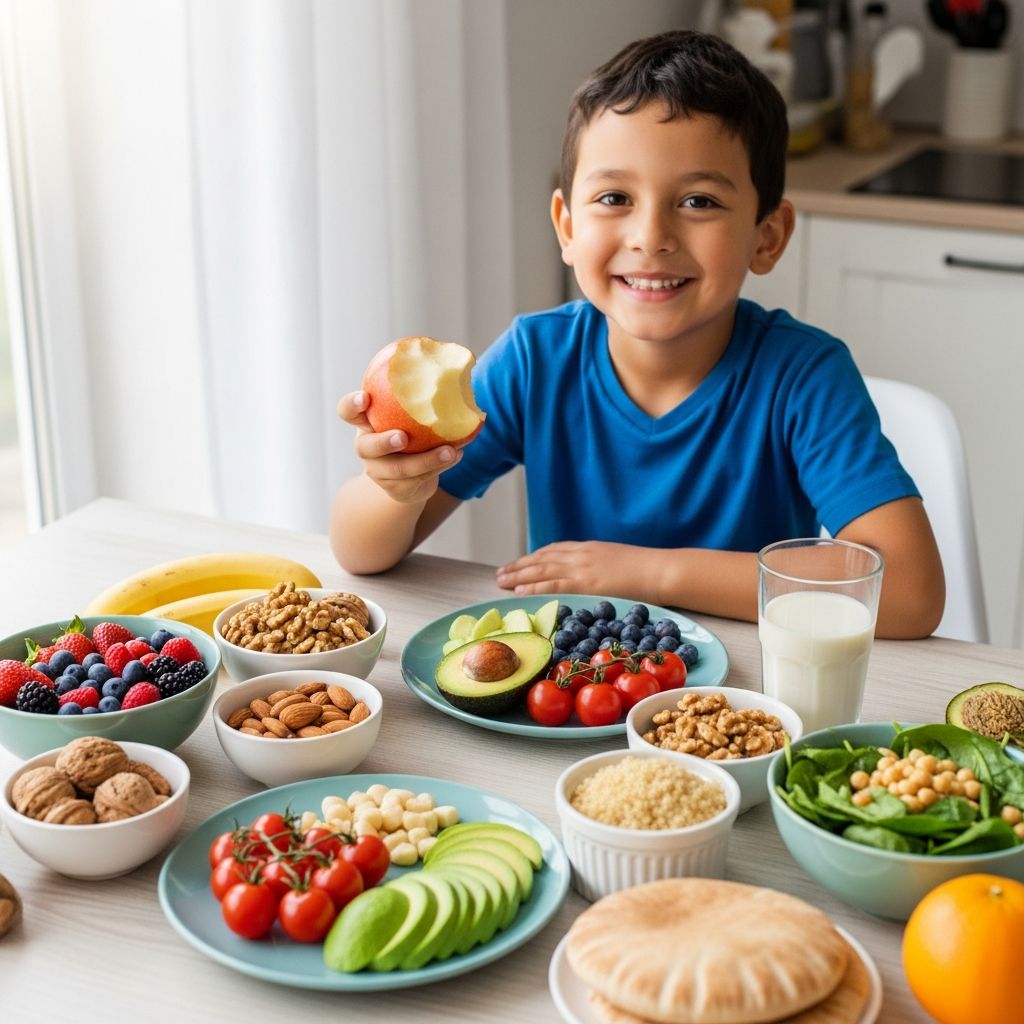
Elephant parenting represents a balanced, empathetic approach to raising children, drawing inspiration from the protective and nurturing behaviors observed in elephant herds. This style prioritizes emotional connection, warmth, and steady guidance, helping kids develop into secure, self-assured individuals capable of navigating life’s challenges.
Understanding the Roots of Elephant Parenting
Originating from observations of elephant family dynamics, where mothers provide unwavering support and protection to their young, elephant parenting translates these natural instincts into human child-rearing. Coined in modern discourse, it emphasizes creating a safe emotional haven for children, allowing them to explore, fail, and grow without fear of rejection or excessive pressure.
Unlike more rigid methods, this style views children as inherently capable when given consistent emotional backing. Parents act as steady anchors, offering reassurance during distress and celebrating efforts rather than just outcomes. This foundation of trust enables kids to build robust inner resources for future independence.
Core Principles That Define Elephant Parenting
At its heart, elephant parenting revolves around several interconnected principles that foster holistic development.
- Emotional Responsiveness: Parents tune into their child’s feelings, validating emotions and helping name them, which builds vocabulary for self-expression.
- Warm Boundaries: Rules exist for safety but are enforced with explanation and empathy, promoting understanding over blind obedience.
- Encouragement of Autonomy: Children are guided to solve problems independently while knowing support is available, striking a balance between security and exploration.
- Long-Term Focus: Priority is given to emotional health over immediate achievements, trusting that secure kids will excel naturally.
These elements create an environment where children feel deeply loved and capable, reducing anxiety and enhancing motivation from within.
How Elephant Parenting Differs from Other Styles
To appreciate its uniqueness, compare elephant parenting to prevalent alternatives using this overview:
| Parenting Style | Key Focus | Approach to Emotions | Outcomes |
|---|---|---|---|
| Elephant | Emotional security and warmth | Validate and co-regulate | High resilience, EI, independence |
| Tiger | Achievement and discipline | Minimize, push through | High performance, potential stress |
| Helicopter | Protection from failure | Intervene to fix | Dependency, lower problem-solving |
| Permissive | Unconditional acceptance | Indulge without limits | Poor self-control, entitlement |
Elephant parenting aligns closely with authoritative styles, blending high expectations with high responsiveness, but stands out for its explicit emphasis on emotional depth.
Proven Benefits for Children’s Development
Research underscores the advantages of this nurturing method, linking it to superior emotional and behavioral outcomes.
- Boosted Emotional Intelligence: Children learn to identify, express, and manage feelings, predicting greater life success than IQ alone.
- Enhanced Resilience: By processing setbacks with parental support, kids develop coping skills for adversity.
- Greater Independence: Positive reinforcement for self-reliant actions encourages proactive behaviors.
- Stronger Relationships: Empathetic modeling leads to better social bonds and communication.
- Academic and Health Gains: Responsive environments correlate with self-regulation, healthier eating, and sustained motivation.
Studies on similar authoritative approaches show kids with lower anxiety rates and higher self-determination, outcomes mirrored in elephant parenting practices.
Practical Strategies to Embrace Elephant Parenting
Implementing this style involves intentional daily habits that reinforce emotional safety.
Daily Emotional Check-Ins
Start evenings with open questions like, “What was the hardest part of your day?” Listen actively without jumping to solutions, mirroring back feelings to validate them. This practice strengthens attachment and emotional literacy.
Guided Problem-Solving
When challenges arise, such as homework struggles, sit alongside your child and prompt reflection: “What have you tried? What might work next?” Offer hints if needed, praising persistence to build confidence.
Consistent, Kind Limits
Set family rules collaboratively, explaining rationales like, “We brush teeth to keep them healthy.” Follow through calmly, using natural consequences to teach without shame.
Celebrate Effort and Growth
Notice and verbalize responsible choices: “I saw how you shared your toy—that was kind!” This reinforces intrinsic motivation over external rewards.
Model Vulnerability
Share your own emotions appropriately, e.g., “I’m frustrated, so I’m taking deep breaths.” Kids learn healthy regulation by example.
Incorporate these into routines for gradual transformation, adapting to your child’s age and temperament.
Navigating Common Challenges
Even effective styles face hurdles; here’s how elephant parents address them.
- Balancing Protection and Risk: Allow age-appropriate freedoms, like choosing outfits, while supervising hazards to avoid over-sheltering.
- Managing Peer Pressure: Discuss social dilemmas empathetically, empowering decisions rather than dictating.
- Handling Academic Stress: Prioritize well-being discussions over grades, supporting study habits without takeover.
- Co-Parenting Alignment: Communicate shared values to present a united front, adjusting individually as needed.
Flexibility ensures the approach remains responsive to family dynamics.
Long-Term Impact on Family and Society
Beyond childhood, elephant-raised individuals often exhibit superior mental health, adaptability, and interpersonal skills, contributing positively to communities. By fostering emotionally attuned adults, this style promotes generational healing and societal empathy.
Health research ties responsive parenting to better nutrition self-regulation and activity levels, yielding physically healthier futures.
Frequently Asked Questions
Is elephant parenting too lenient?
No, it maintains firm boundaries with warmth, leading to better compliance than permissive styles.
How does it affect academic success?
Children often achieve highly due to intrinsic motivation and reduced stress, outperforming pressured peers long-term.
Can single parents use this style?
Absolutely; focus on consistent emotional availability, leveraging community support for reinforcement.
What’s the best age to start?
Anytime, but early years build foundational security; adapt principles as kids grow.
Does it work across cultures?
Yes, its universal emotional focus transcends backgrounds, blending with cultural values.
References
- What is ‘Elephant Parenting’ and How Does it Benefit Emotional Development? — AISL Mall. 2023-10-15. https://www.aislmall.com/news/what-is-elephant-parenting-and-how-does-it-benefit-emotional-development/
- What Is the Elephant Mom Parenting Style? — Baby Chick. 2024-05-20. https://www.baby-chick.com/what-is-the-elephant-mom-parenting-style/
- “Elephant Parenting” Is The Healthiest Parenting Style — Fatherly. 2023-08-12. https://www.fatherly.com/parenting/elephant-parenting-healthiest-parenting-style-avoid-mistakes
- Why The Elephant Parenting Style Is Good For You (And Your Child) — Abbott Family. 2024-02-28. https://www.family.abbott/sg-en/pediasure/tools-and-resources/resources/elephant-parenting-style.html
- Are You an Elephant Parent? 6 Signs to Look For — The Everymom. 2023-11-05. https://theeverymom.com/elephant-parenting/