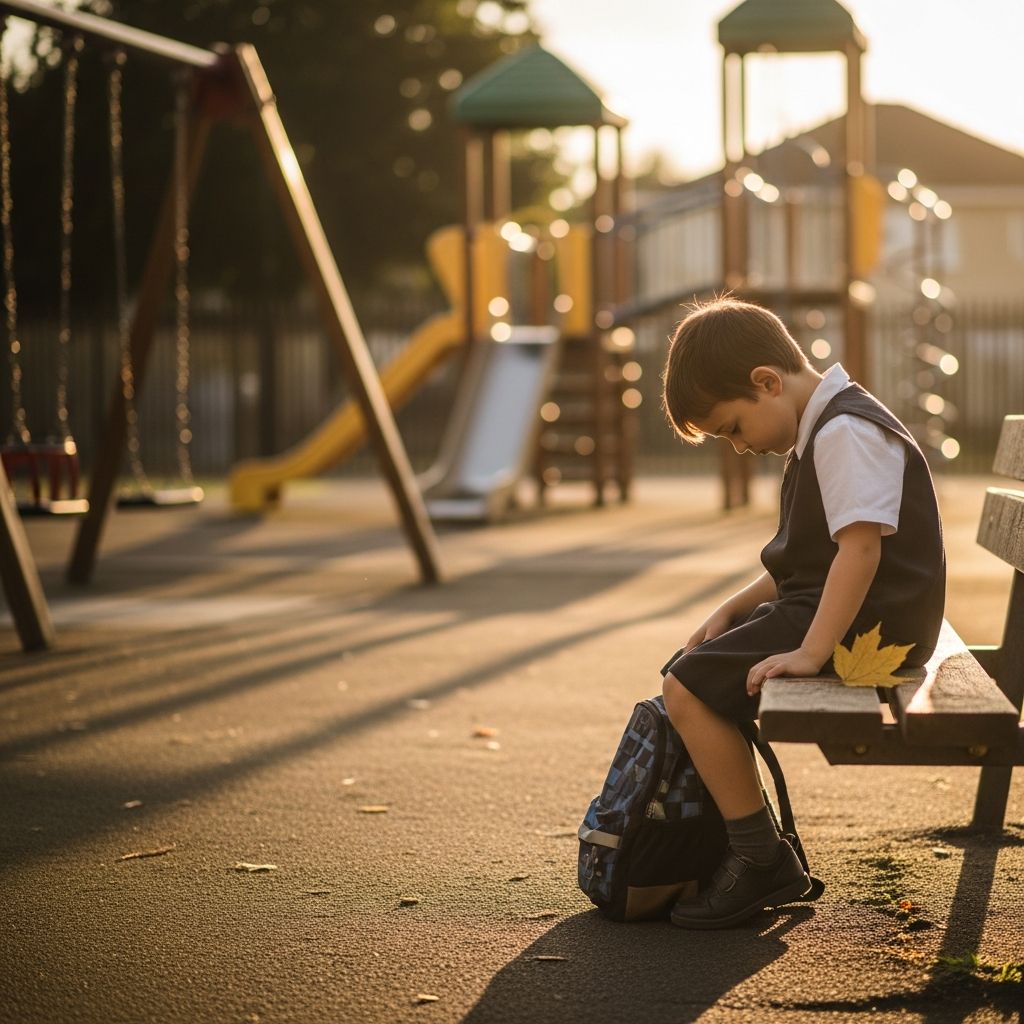
As the final bell rings and backpacks are stowed away, many children experience a surprising wave of melancholy instead of pure joy. This end-of-year sadness stems from a mix of closures, uncertainties, and shifts in daily life that can catch parents off guard. Recognizing these emotions is the first step in helping kids process them healthily.
Emotional Layers of Year-End Transitions
Children often grapple with bittersweet feelings when school wraps up. Excitement for lazy summer days clashes with grief over leaving familiar classrooms, teachers, and peer groups. This internal conflict can manifest as unexplained irritability or withdrawal, especially after a year filled with academic pressures and social dynamics.
Younger kids might not articulate their sadness, expressing it through clinginess or tantrums. Older children and teens, meanwhile, may withdraw into screens or lash out, masking deeper anxieties about change. These reactions highlight how school serves as a stable anchor, and its end disrupts that security.
Common Triggers Behind the Blues
Several factors contribute to this seasonal emotional dip. Here’s a breakdown:
- Parting from Peers and Mentors: Daily interactions with friends and trusted teachers build bonds that suddenly pause, leading to fears of drifting apart.
- Routine Disruptions: Structured school days give way to unstructured summer, overwhelming kids who crave predictability.
- Academic Reflections: Final grades and performances prompt self-doubt, particularly for perfectionists facing perceived shortcomings.
- Future Uncertainties: Thoughts of new grades, teachers, or even grade-level jumps amplify anxiety about the unknown.
- Missed Milestones: Canceled traditions due to past disruptions leave unresolved feelings, compounding the sense of incompletion.
These triggers vary by age. Elementary students mourn playground rituals, while teens worry about social hierarchies in the next school phase.
Spotting Signs of Emotional Distress
Parents play a crucial role in early detection. Watch for these red flags, which go beyond typical end-of-year fatigue:
| Age Group | Behavioral Signs | Physical Indicators |
|---|---|---|
| Elementary (5-10) | Irritability, school avoidance, meltdowns | Sleep changes, stomachaches |
| Middle School (11-13) | Withdrawal, low motivation, frustration spikes | Appetite shifts, headaches |
| High School (14+) | Isolation, risk-taking, mood swings | Fatigue, disinterest in activities |
If these persist beyond a week or intensify, they may signal deeper issues like anxiety or depression. A family history of mood disorders increases vulnerability, making vigilance essential.
Practical Strategies for Parental Support
Empowering parents with tools can transform this challenging period. Start with open dialogues that validate feelings without judgment.
Open Conversations to Unpack Emotions
Initiate talks gently: “I’ve noticed you seem quieter about school ending. What’s on your mind?” Normalize their responses—”It’s okay to feel sad about goodbyes even if summer sounds fun.” This builds trust and resilience.
Reinstating Structure and Rituals
Counter routine loss by easing into summer schedules. Create a weekly calendar with playdates, hobbies, and family outings. For camp-bound kids, involve them in prep to foster excitement and control.
- Plan friend meetups early to maintain connections.
- Journal or draw year highlights for closure.
- Buddy up for first summer days if needed.
Fostering Closure and Reflection
Encourage goodbye rituals: letters to teachers, photo albums of memories, or class time capsules. These activities provide emotional punctuation, reducing lingering sadness.
Age-Specific Guidance for Smooth Transitions
Tailor approaches to developmental stages for maximum impact.
For Younger Children
Use play-based processing. Puppets or drawings help express fears. Short, fun routines like morning stories rebuild security.
For Tweens
Discuss peer dynamics openly. Schedule virtual hangouts and skill-building activities to bridge gaps.
For Teens
Respect independence while checking in. Share personal stories of past transitions to normalize vulnerability. Promote summer jobs or volunteering for purpose.
When to Seek Professional Help
Most kids bounce back within days, but prolonged symptoms warrant action. Consult pediatricians or counselors if sadness disrupts eating, sleeping, or daily functioning. Early intervention prevents escalation, especially with underlying stressors like bullying or family changes.
Resources like school psychologists or community mental health programs offer tailored support. Telehealth options expand access for busy families.
Frequently Asked Questions
Why does my happy child suddenly seem down about summer?
Summer represents change; even outgoing kids miss school stability. Validate and plan structured fun to ease worries.
How long should end-of-year sadness last?
A few days is normal; over two weeks or with severe signs needs professional review.
Can screen time help or hurt?
Moderate use connects friends but excess isolates. Balance with outdoor plans.
What if my child refuses summer activities?
Explore underlying fears through talk; start small with low-pressure invites.
Does parental emotion affect kids?
Yes, modeling calm transitions reassures them. Share feelings age-appropriately.
Building Long-Term Emotional Resilience
View this as a teaching moment. Teach emotion naming, coping skills like deep breathing, and growth mindset: “Change is tough but opens new adventures.” Consistent support year-round fortifies kids against future shifts.
Summer can become a growth season with proactive parenting. Celebrate endings as new beginnings, turning potential blues into confident strides forward.
References
- Post-holiday blues: Depression and returning from winter break — CHOC Health. 2023-01-10. https://health.choc.org/post-holiday-blues-depression-and-returning-from-winter-break/
- Dealing with End of the School Year Uncertainty — NESCA Newton. 2021-06-15. https://nesca-newton.com/dealing-with-end-of-the-school-year-uncertainty/
- Feeling Blue? What Parents Should Know About Seasonal Sadness in Kids and Teens — Seattle Children’s Hospital. 2025-12-16. https://www.seattlechildrens.org/healthy-tides/seasonal-sadness-kids/
- End of the School Year Stressing Your Kids Out? — Baton Rouge General. 2024-05-15. https://www.brgeneral.org/news-blog/2024/may/end-of-the-school-year-stressing-your-kids-out-
- It’s The End of the School Year. Why Parents Get Last Day Blues — Your Teen Mag. 2023-06-01. https://yourteenmag.com/stuff-we-love/teenager-summer/last-day-blues