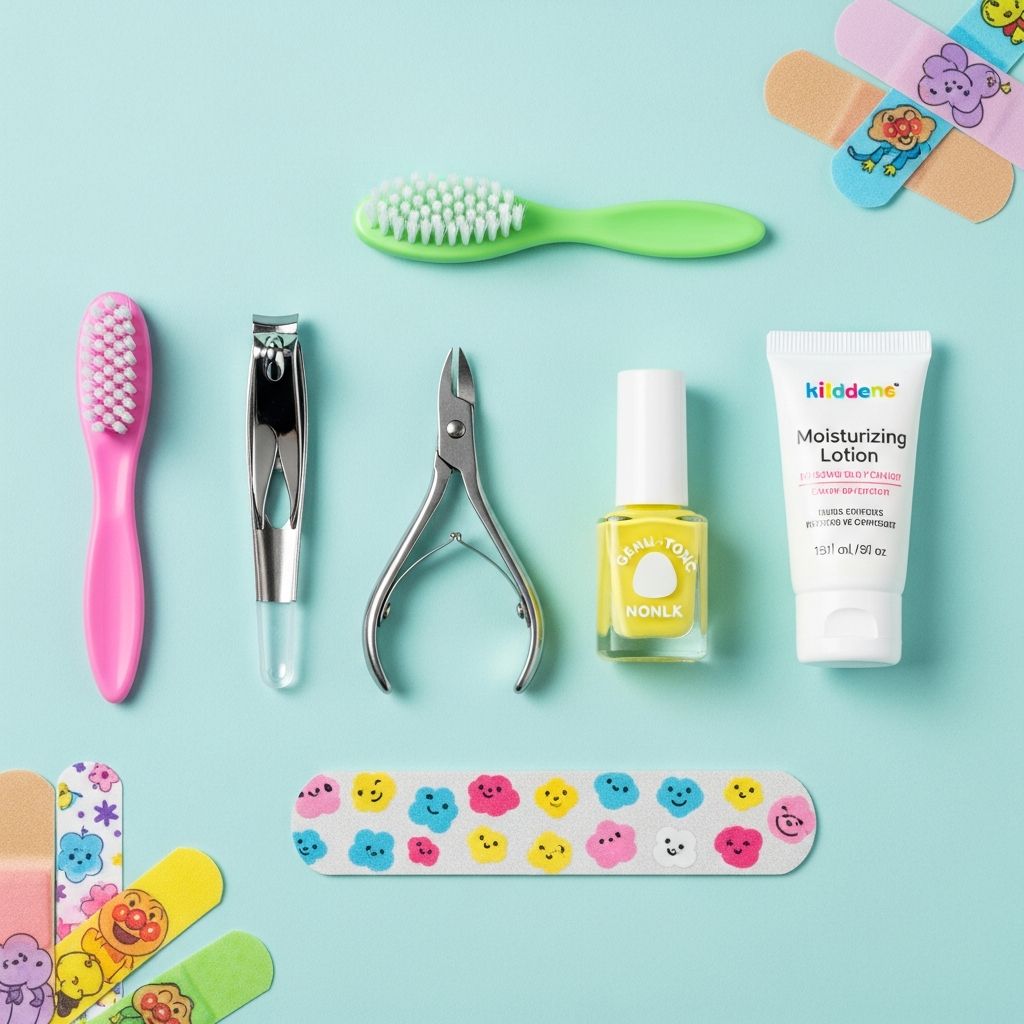
Healthy nails are more than just a cosmetic feature for children; they serve as indicators of overall well-being and can reveal underlying health issues if problems arise. From infancy through the teenage years, nails grow rapidly and face unique challenges due to play, exploration, and developing hygiene habits. Proper care involves regular trimming, cleanliness, and vigilance for abnormalities. This guide explores nail anatomy, daily maintenance routines, age-specific advice, common pediatric conditions, and preventive strategies to ensure kids’ nails stay strong and problem-free.
Understanding Nail Growth and Anatomy in Children
Nails consist of keratin, a tough protein that forms the nail plate, protecting the sensitive tips of fingers and toes. In children, nails are thinner and softer at birth, gradually thickening and broadening during the first two decades of life. Growth rates peak between ages 10 and 14, reaching up to 1.5 mm per day, faster than in adults. The nail matrix, the root area under the cuticle, is crucial as it produces new nail cells; any damage here can lead to lasting irregularities.
Newborn nails are often soft and may appear long relative to tiny fingers, requiring frequent attention. Toddlers’ active hands lead to frequent minor traumas affecting the matrix, while school-age kids might encounter infections from shared spaces like pools. Understanding these dynamics helps parents address issues promptly.
Daily Nail Hygiene Habits for Young Ones
Instilling good habits early prevents infections and promotes nail strength. The Centers for Disease Control and Prevention (CDC) emphasizes keeping nails short and clean to reduce germ buildup under them, which can cause infections.
- Trim regularly: Short nails harbor less dirt and break less. Adults should trim until age 9-10, using baby clippers or emery boards for safety. Fingernails need weekly cuts; toenails monthly as they grow slower.
- Wash thoroughly: Scrub under nails during handwashing to remove debris, keratin buildup, or bacteria.
- Moisturize: Apply lotion to cuticles and nails to prevent brittleness, especially in dry climates.
- Avoid barefoot walking: Use flip-flops in public areas like pools to dodge fungal risks.
Teaching kids to self-check nails fosters responsibility. Look for dark streaks, crumbling, or discoloration—early signs warranting a doctor’s visit.
Age-Appropriate Nail Care Strategies
Nail needs evolve with development. Here’s a breakdown:
| Age Group | Key Challenges | Care Tips |
|---|---|---|
| Infants (0-12 months) | Fast-growing soft nails; scratching risk | Trim 1-2x/week with blunt tools; avoid biting nails to prevent viral infections like herpetic whitlow. |
| Toddlers (1-3 years) | Trauma from play; paronychia | Supervise play; treat minor infections quickly to avoid matrix damage. |
| School Age (4-12 years) | Infections, habits like picking | Daily sock changes; roomy shoes to prevent ingrown nails. |
| Teens (13+) | Peak growth; cosmetic products | Self-trimming; avoid harsh polishes. |
For babies, toenails seem ingrown but often aren’t unless inflamed—monitor closely. Older kids benefit from straight-across trimming, rounding corners slightly to deter snags.
Spotting and Managing Common Nail Problems in Kids
Pediatric nail issues affect 3-11% of children, often from infections or trauma rather than fungi, unlike adults. Prompt recognition prevents chronic dystrophy.
Infections: Bacterial and Viral Threats
Acute paronychia, common in toddlers, stems from cuticle damage allowing bacterial entry, causing swelling and pus. The fragile child matrix risks permanent changes if untreated. Herpetic whitlow from herpes simplex via nail-biting needs antiviral care. Fungal infections are rarer but possible in damp environments.
Trauma-Induced Changes
Playtime mishaps cause Beau’s lines (transverse grooves from matrix inflammation) or malaligned nails. Most resolve, but persistent thickening may need surgery. Ingrown toenails arise from tight shoes or improper trimming—painful and infection-prone.
Inflammatory Conditions Like Trachyonychia
Twenty-nail dystrophy (TND), or trachyonychia, appears around age 2.7, causing rough, sandpaper-like nails with fissures and thinning. Benign and self-resolving, it affects all or some nails without biopsy needed.
Other Signs: Ridges, Peeling, and Discoloration
Vertical ridges signal aging or conditions; horizontal ones indicate illness. Peeling links to injury or iron lack; yellowing to infections. Nail-patella syndrome shows triangular lunulae and fragility from birth.
When to seek help: Persistent pain, pus, spreading redness, or unexplained changes require a pediatric dermatologist. Nails can signal systemic issues like deficiencies or genodermatoses.
Preventive Measures and Lifestyle Tips
Proactive steps minimize risks:
- Choose breathable shoes with toe wiggle room.
- Discourage nail-biting or picking to avoid tears and infections.
- Balance diet with iron, biotin for strength.
- Educate on public hygiene: flip-flops at pools.
American Academy of Dermatology (AAD) advises routine checks for early intervention.
Fun Ways to Engage Kids in Nail Care
Make routines enjoyable: Use colorful clippers, turn trimming into a game, or reward clean nails. Songs about handwashing reinforce hygiene. By age 9-10, kids can trim independently, building confidence.
Frequently Asked Questions (FAQs)
What causes rough nails in toddlers?
Roughness like trachyonychia often stems from benign matrix inflammation, improving spontaneously.
How often should I trim my baby’s nails?
Twice weekly for fingernails; monthly for soft toenails.
Can nail problems indicate bigger health issues?
Yes, streaks or crumbling may signal deficiencies or diseases—consult a doctor.
Are fungal infections common in kids?
Less so than bacteria/viruses; prevent with dry feet and flip-flops.
What if a nail tears off?
It regrows if the matrix is intact; protect the area.
Long-Term Benefits of Healthy Nail Habits
Consistent care reduces infection risks, boosts confidence, and teaches responsibility. Healthy nails reflect good hygiene and nutrition, aiding early health detection. Parents modeling habits ensure lifelong practices.
Expanding on anatomy, the lunula (white half-moon) visibility varies; alterations can hint at issues. Cuticle pushing causes washboard texture—gentle care preserves integrity. For sports-active kids, gloves or taping prevent trauma.
In schools, shared tools spread issues; personal kits help. Nutrition matters: Iron-rich foods combat peeling; proteins support keratin. Monitor for psoriasis-like changes in keratoderma cases, emerging by age 5.
Seasonal tips: Winter moisturizing combats dryness; summer flip-flops fight fungi. For neurodiverse kids, sensory tools like vibrating clippers ease routines.
Research shows rising pediatric nail consultations, underscoring education’s role. By empowering families, we foster resilient nails and proactive health attitudes.
References
- Nail Disorders in Children — PMC – PubMed Central – NIH. 2018-11-16. https://pmc.ncbi.nlm.nih.gov/articles/PMC6219237/
- Teaching your child healthy nail care — American Academy of Dermatology (AAD). 2023-11-14. https://www.aad.org/public/everyday-care/nail-care-secrets/basics/nail-care
- Kids and Healthy Nail Care — Dr. Dana Nails. N/A. https://drdananails.com/blogs/on-the-nail/kids-and-healthy-nail-care
- Nail Health Chart: Common Problems and Treatment — Healthline. N/A. https://www.healthline.com/health/beauty-skin-care/healthy-nails
- Nail Care: Fingers and Toes — HealthyChildren.org (AAP). N/A. https://www.healthychildren.org/English/ages-stages/baby/bathing-skin-care/Pages/Nail-Care-Fingers-and-Toes.aspx
- Your Nails (for Kids) — Nemours KidsHealth. N/A. https://kidshealth.org/en/kids/your-nails.html
- Nail Disorders — Riley Children’s Health. N/A. https://www.rileychildrens.org/health-info/nail-disorders
- Healthy Habits: Nail Hygiene — CDC. N/A. https://www.cdc.gov/hygiene/about/nail-hygiene.html