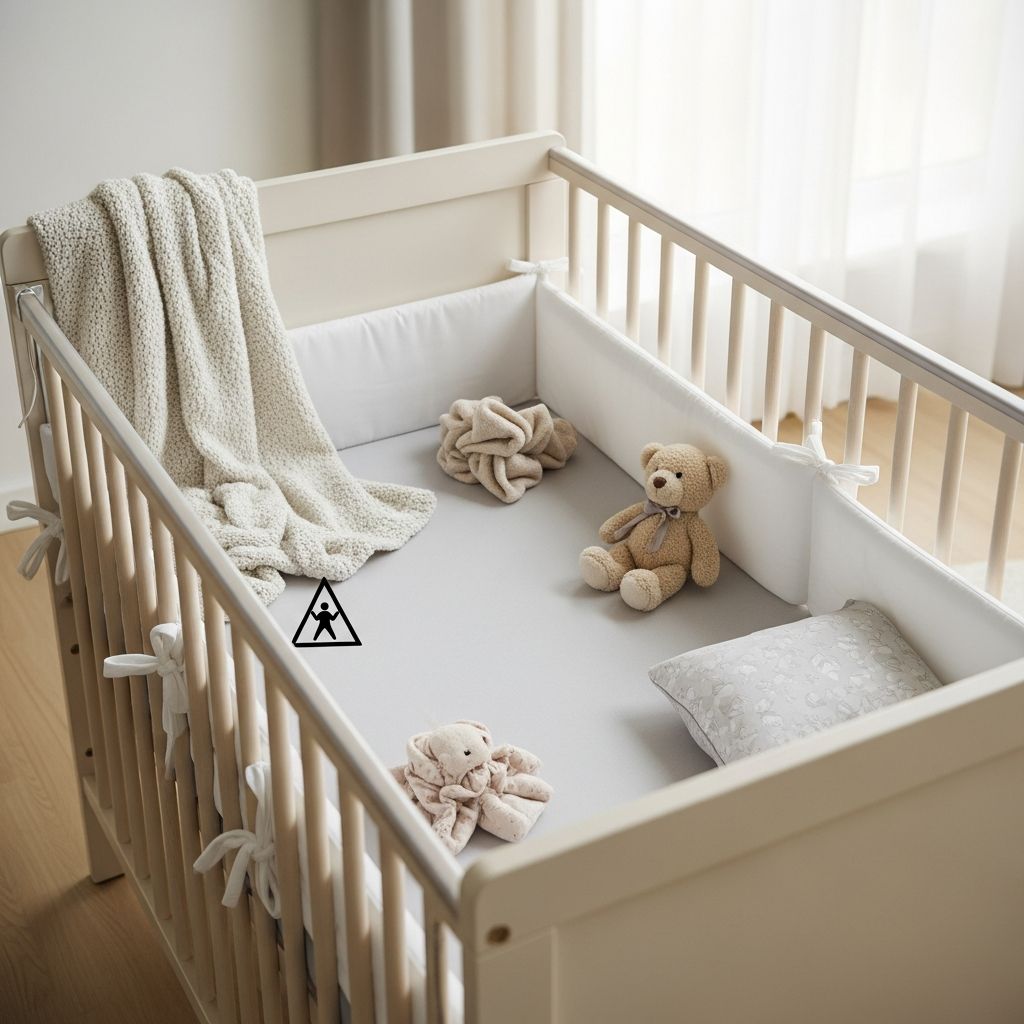
Creating a secure sleep environment for infants is fundamental to reducing risks like Sudden Infant Death Syndrome (SIDS), suffocation, and entrapment. Health authorities emphasize a bare crib with only a firm mattress and fitted sheet as the gold standard for newborns up to 12 months. This approach minimizes potential dangers from unnecessary items that parents might add for comfort or aesthetics.
Core Principles of Infant Sleep Safety
Infant sleep safety revolves around simplicity. The Consumer Product Safety Commission (CPSC) mandates that cribs feature slats no more than 2 3/8 inches apart to prevent body entrapment, alongside firm, tight-fitting mattresses with no gaps wider than two fingers. Positioning babies on their backs in an empty crib, away from walls and cords, further safeguards against accidents. These standards, updated in 2011, eliminated drop-side designs responsible for numerous incidents.
Parents often overlook how soft or loose items can conform to a baby’s face, obstructing airways. Official guidance from the CPSC and American Academy of Pediatrics (AAP) stresses vigilance in maintaining a minimalist setup throughout the first year. Regular checks for hardware integrity ensure structural stability, preventing collapses that could trap or injure.
Prohibited Soft Bedding and Suffocation Risks
Soft bedding tops the list of crib no-gos due to its direct link to suffocation. Items like quilts, comforters, and sheepskins create rebreathing hazards where infants can bury their faces and deplete oxygen. The CPSC explicitly warns against these, noting they contribute to fatal incidents by molding around airways.
- Blankets and quilts: Even lightweight ones bunch up, posing airway obstruction risks.
- Pillows: Their plush nature invites face-down positioning, heightening SIDS odds.
- Sheepskins: Thick and fibrous, they trap heat and block breathing.
Instead, opt for sleep sacks once babies outgrow swaddling, providing warmth without loose fabric. Data from safety reviews confirm that bare cribs correlate with lower suffocation rates.
Dangers of Crib Bumpers and Padding
Crib bumpers, once popular for preventing falls, are now universally discouraged. These padded barriers create gaps for limb entrapment and cushioning for climbing, leading to falls and strangulations. The CPSC reports multiple deaths tied to bumper-related incidents, prompting federal bans on their sale in many forms.
Bumpers also retain heat and moisture, fostering overheating—a known SIDS factor. Vertical slat spaces combined with padding allow heads to slip through, a lethal combination. Experts recommend skipping them entirely; modern cribs with proper slat spacing suffice for safety.
Toys, Mobiles, and Strangulation Threats
Stuffed animals and pillow-like toys seem harmless but become suffocation vectors in sleep settings. Their soft surfaces mirror bedding risks, enabling rebreathing if a baby rolls onto them. Mobiles, while engaging for awake time, dangle strings that snag necks when babies become mobile around 5 months.
- Remove mobiles once infants push up on hands and knees.
- Avoid any hanging toys with cords longer than 7 inches.
- Position cribs away from window blinds or drapes with pull cords.
CPSC guidelines specify keeping all cords at least 3 feet from the crib to avert strangulation. Nightly inspections catch loose strings from pacifier clips or monitors.
Positioners, Wedges, and Spinal Concerns
Infant positioners or wedges aim to maintain back sleeping but introduce wedging risks between the device and crib sides. Soft materials suffocate, while firm ones pressure spines improperly. No federal approval exists for these in cribs; the AAP advises against them, citing insufficient safety data.
Studies link positioners to deaths from entrapment, reinforcing that flat, firm surfaces alone suffice for healthy sleep positioning. Supervised tummy time awake builds strength without sleep-time risks.
Weighted Products and Overheating Hazards
Weighted swaddles or sacks intend to soothe but add suffocation layers if they restrict movement. Excess weight compresses chests during rolls, per safety analyses. Overheating from heavy fabrics exacerbates SIDS vulnerability, as infants cannot regulate temperature well.
Choose lightweight, breathable sleepwear matching room conditions—68-72°F ideal. Layering via clothing outperforms crib additions.
Crib Design Flaws to Steer Clear Of
Beyond add-ons, crib structure matters. Avoid pre-2011 models with drop-sides, which detached and caused entrapments. Headboard cutouts trap heads; protruding corner posts snag clothing, risking strangulation unless over 16 inches tall.
| Hazardous Feature | CPSC Limit | Risk Prevented |
|---|---|---|
| Slat spacing | ≤2 3/8 inches | Body/head entrapment |
| Corner posts | ≤1/16 inch or ≥16 inches | Clothing strangulation |
| Mattress fit | No gaps >2 fingers | Wedging suffocation |
| Drop-sides | Banned since 2011 | Collapse entrapment |
Verify CPSC compliance via labels and recall checks. Assemble per instructions, testing sturdiness with adult weight.
Optimal Crib Placement and Environment
Crib location amplifies safety. Keep 1-3 feet from walls, windows, and furniture to block cord access and overheating. Room-sharing without bed-sharing for 6-12 months cuts SIDS by 50%, per AAP.
Use white noise machines at low volumes, positioned safely away. Flame-retardant sheets and pacifier use (unattached) add layers of protection.
Frequently Asked Questions
What makes a mattress safe for a crib?
A safe mattress is firm, flat, and fits snugly with no gaps larger than two fingers wide. It must meet CPSC standards to avoid entrapment.
Can I use a second-hand crib?
Yes, if post-2011, undamaged, and CPSC-compliant. Check for recalls, slat integrity, and hardware; discard non-conforming vintage models.
How often should I inspect the crib?
Daily for bedding and position, weekly for hardware tightness. Monthly full checks ensure ongoing compliance.
Is room temperature critical for sleep safety?
Yes, maintain 68-72°F with light clothing to prevent overheating, a SIDS contributor.
What if my baby rolls to their stomach?
Continue back placement until they roll independently. Clear the crib of hazards for safe independent sleeping.
Building Lasting Safe Sleep Habits
Adhering to these protocols evolves with baby’s growth. Transition to toddler beds around age 2-3 or 35 inches tall, retaining safety checks. Educate caregivers consistently. Apps and checklists from CPSC aid compliance.
Empowerment comes from knowledge: a bare, standards-compliant crib fosters restful, risk-free sleep, letting parents focus on joy.
References
- Crib Safety Tips — U.S. Consumer Product Safety Commission (CPSC). Accessed 2026. https://www.cpsc.gov/safety-education/safety-guides/cribs/crib-safety-tips
- Baby Crib Safety Standards – Complete Guide for First Time Parents — The Dom Family. Accessed 2026. https://thedomfamily.com/baby-crib-safety-standards-complete-guide-for-first-time-parents/
- 7 Crib Safety Tips and Checklist: A Guide to Safe Sleep — Huckleberry Care. Accessed 2026. https://huckleberrycare.com/blog/7-crib-safety-tips-and-checklist-a-guide-to-safe-sleep
- Crib Safety Tips — U.S. Consumer Product Safety Commission (CPSC). 2023-01-01. https://www.cpsc.gov/safety-education/safety-guides/cribs/crib-safety-tips
- A Guide to Crib Safety Standards — The Mother Baby Center. 2020-10-01. https://www.themotherbabycenter.org/blog/2020/10/dont-snore-on-crib-safety-how-to-set-up-your-babys-crib-safely/
- Cribs and Crib Safety — UF Health. Accessed 2026. https://ufhealth.org/care-sheets/cribs-and-crib-safety