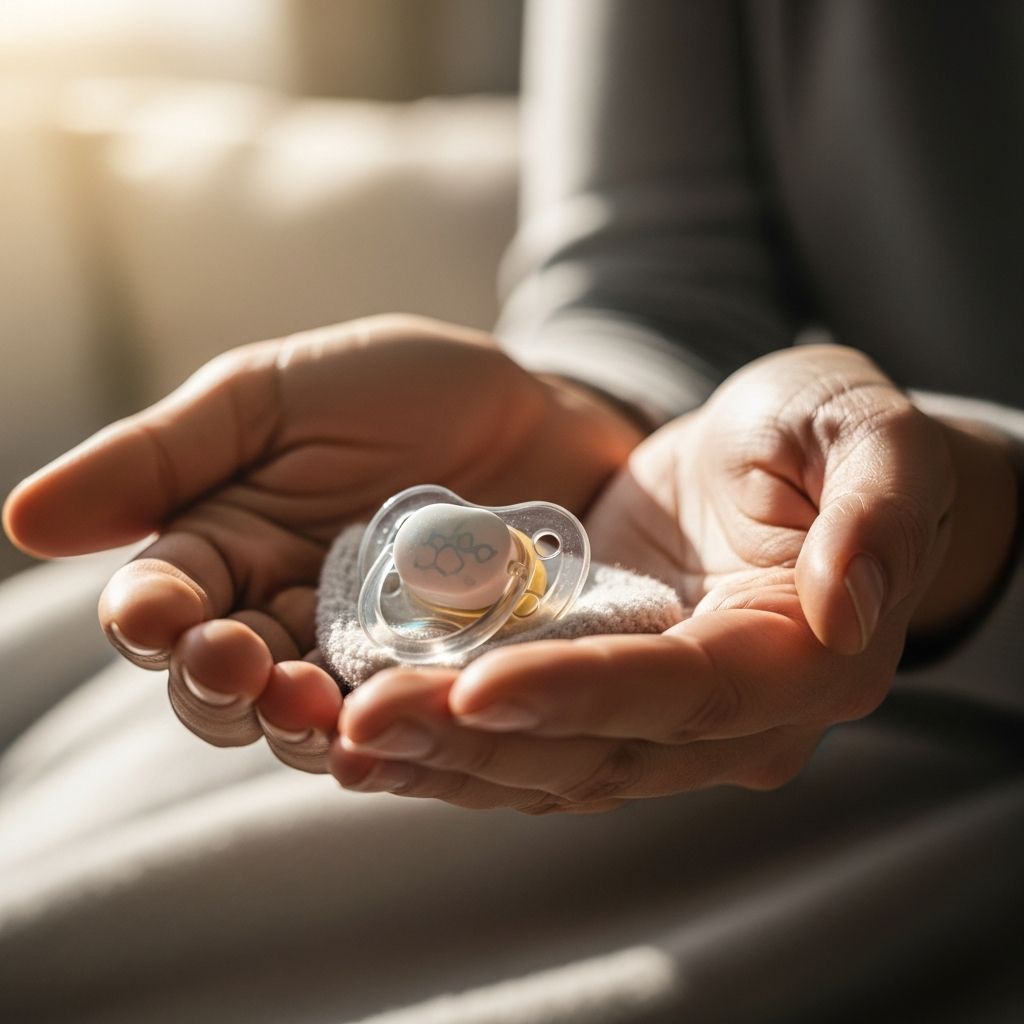
Pacifiers provide invaluable comfort to infants, satisfying their natural sucking reflex and even offering protective benefits against sudden infant death syndrome (SIDS) in early months. However, as children grow, reliance on this habit can interfere with speech, dental alignment, and sleep independence. Pediatric experts recommend initiating weaning between 6 and 12 months, before deep attachments form and before permanent teeth emerge. This guide outlines evidence-based strategies, timelines, and supportive tools to make the process smooth and positive for both parent and child.
Understanding the Role and Risks of Prolonged Pacifier Use
Pacifiers mimic the breast or bottle, helping babies self-soothe after feeding when full and content. Research links their use to reduced SIDS risk by positioning the tongue forward and preventing stomach sleeping. Yet, extended use beyond age 2 heightens dental issues like misaligned bites or open mouths, as constant sucking reshapes developing jaws. The American Academy of Pediatric Dentistry favors pacifiers over thumbs because they are parent-controlled and easier to eliminate. Speech delays may also arise if sucking dominates mouth movements needed for babbling and words. Early intervention preserves oral health and fosters age-appropriate coping skills.
Optimal Timing for Weaning Your Child
Timing hinges on developmental readiness. Between 6-12 months, cognitive limitations prevent strong emotional bonds, simplifying removal. By 2 years, dental risks escalate, prompting urgent action. For toddlers 2-4 years, habits solidify, requiring creative tactics. Assess your child’s cues: if they self-soothe without it during play or wake frequently seeking it, weaning is timely. Consult a pediatrician or dentist for personalized advice, especially if habits persist beyond 3 years.
Gradual Weaning Techniques: Building Independence Step by Step
Gradual methods suit sensitive children, reducing resistance by slowly expanding pacifier-free zones and times.
- Restrict to Low-Stress Zones: Begin by banning pacifiers during play, meals, or outings. Reserve for crib only, explaining it ‘lives at home’. This builds daytime coping without sleep disruption.
- Homebound Rule: Prohibit taking it outside. Use phrases like, ‘Pacis stay cozy in your room while we adventure!’ Transition to errands feeling grown-up.
- Sleep-Only Phase: Limit to naps and bedtime, never removing mid-sleep initially. Once comfortable, eliminate at naptime first—nighttime drive is stronger.
- Shorten Sessions: Allow brief use when needed, gradually reducing duration. Praise successes lavishly.
This phased approach, spanning 1-4 weeks, minimizes tears while teaching alternatives. Track progress in a chart for motivation.
Cold Turkey Approach: Quick and Decisive Separation
For resolute parents, abrupt cessation works swiftly, especially under 2 years. Select a special date like a birthday. Prep with 3-day countdown talks: ‘Big kids don’t need pacis anymore!’ On D-day, collect all pacifiers for a ceremonial toss or mailing to ‘new babies’. Expect 3-5 nights of protest, but consistency yields faster sleep independence. Pair with extra cuddles and routines. Success rates soar with preparation, turning challenge into milestone celebration.
Creative Incentives and Reward Systems
- Magical Exchanges: Introduce the ‘Pacifier Fairy’ who swaps binkies for toys overnight. Or ‘donate’ to hospital newborns for a gift.
- Trade-Up Parties: Host a ‘Goodbye Paci’ event with cake, then discard. Frame as growing-up party.
- Sticker Charts: Award stickers for paci-free hours/days, redeeming for prizes. Visual progress boosts buy-in.
- Comfort Swaps: Offer stuffed animals, blankets, or loveys post-12 months for transitional soothing.
These gamify weaning, leveraging toddler excitement over loss.
Literature and Storytelling for Emotional Preparation
Books normalize the process, showing peers thriving sans pacifier. Titles like ‘Bye-Bye Binky’ or ‘Bea Gives Up Her Pacifier’ depict adventures post-weaning. Read nightly pre-transition, discussing feelings: ‘See? She was sad at first but happy with her teddy!’ Create custom tales starring your child. This builds emotional vocabulary and anticipation, easing resistance.
Addressing Common Challenges and Sleep Disruptions
Weaning often spikes night wakings. Maintain firm bedtime routines: bath, book, bed. Offer voice reassurance or brief check-ins without reinserting paci. Distract daytime cravings with activities. If tantrums ensue, validate emotions: ‘I know you miss paci; hugs help too.’ Persistence pays; most adapt in a week. For chronic issues, pediatric dentist input aids.
| Method | Best For | Pros | Cons |
|---|---|---|---|
| Cold Turkey | Under 2 years | Fast results; clear milestone | Initial intense crying |
| Gradual | Sensitive kids | Less trauma; builds skills | Takes longer |
| Rewards/Fairy | 2-4 years | Fun, positive | May prolong if overused |
Potential Pitfalls: What Not to Do
Avoid pacifiers as feeding substitutes or without cuddles, fostering poor associations. Never snip tips—choking hazards from fragments make it unsafe. Don’t reintroduce post-relapse; recommit firmly. Limit screen distractions; prioritize interaction.
Long-Term Benefits of a Paci-Free Childhood
Weaned children gain better dental arches, clearer speech, and robust self-soothing. Enhanced sleep quality improves mood and learning. Parents report stronger bonds sans nighttime battles. Monitor for thumb-sucking reversion—easier to prevent than treat.
Frequently Asked Questions (FAQs)
What is the best age to stop pacifier use?
Ideally 6-12 months, per pediatricians, to avoid attachments and dental risks.
Is cold turkey or gradual weaning better?
Cold turkey suits younger kids for speed; gradual fits older or sensitive ones.
Can cutting the pacifier tip help?
No—poses choking dangers; pediatricians advise against it.
What if my child regresses during illness?
Temporary use is okay, but resume weaning post-recovery to prevent backsliding.
How long does weaning take?
3-7 days for cold turkey; 1-4 weeks gradual.
References
- Five Foolproof Ways to Break the Binky Habit — Akron Children’s Hospital. 2017-05-16. https://www.akronchildrens.org/inside/2017/05/16/five-foolproof-ways-to-break-the-binky-habit/
- Child therapy: Giving up the Pacifier — Lumiere Children’s Therapy. N/A. https://www.lumierechild.com/blog/child-therapy-giving-up-the-pacifier/
- Cold Turkey: How to Convince Baby It’s Time to Part from the Pacifier — My Children’s Teeth (AAPD affiliate). N/A. https://www.mychildrensteeth.org/cold-turkey-how-to-convince-baby-its-time-to-part-from-the-pacifier/
- No more nooks: How to say goodbye to the pacifier — Children’s Wisconsin. 2024-05. https://childrenswi.org/at-every-turn/stories/2024/05/pacifier-weaning
- Weaning the Pacifier — Taking Cara Babies. N/A. https://www.takingcarababies.com/blogs/toddlers/weaning-the-pacifier