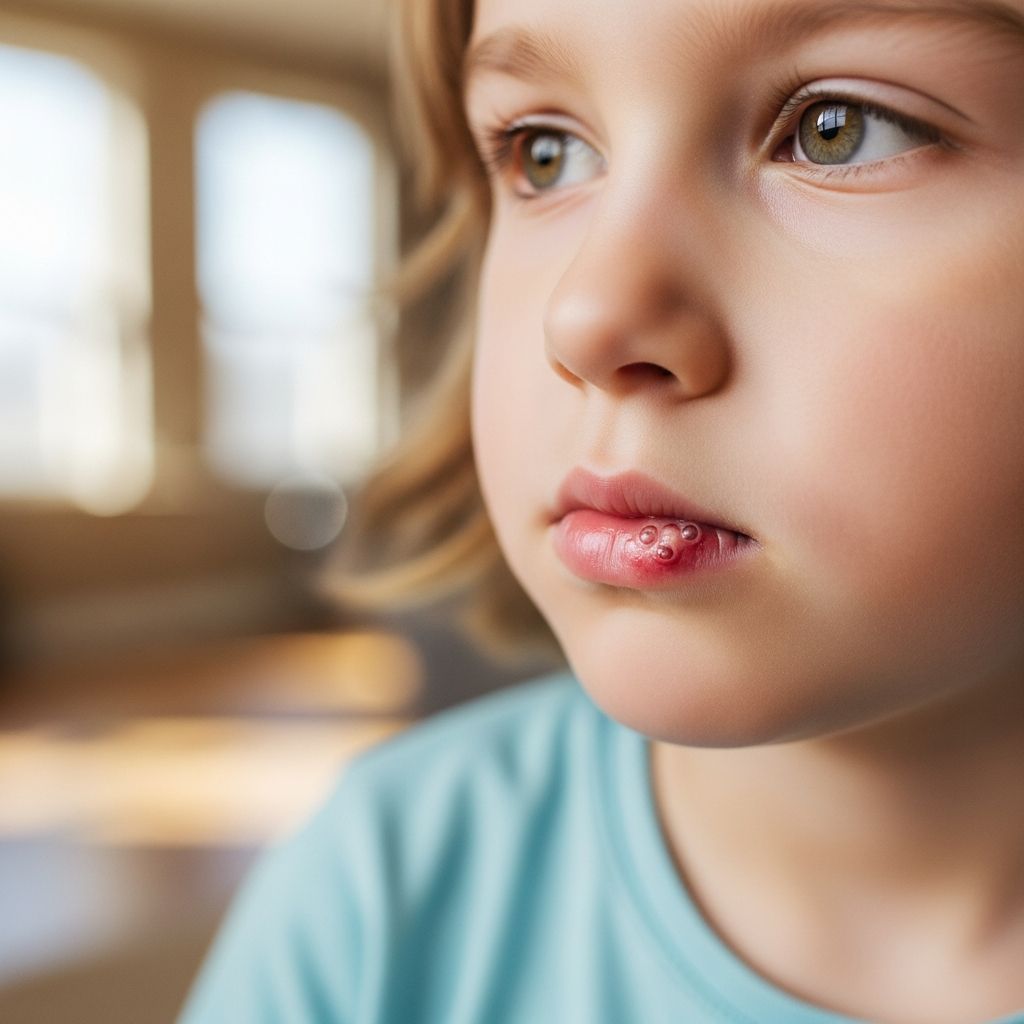
Cold sores, also known as fever blisters, are common viral infections affecting many children, primarily around the mouth area. Caused by the herpes simplex virus type 1 (HSV-1), they appear as small, fluid-filled blisters that can cause discomfort but typically resolve without complications.
Understanding the Nature of Cold Sores
Cold sores represent a manifestation of oral herpes, a widespread condition where the virus resides lifelong in the body after initial infection. Unlike bacterial infections, HSV-1 cannot be eradicated, but outbreaks can be managed effectively. In children, the first exposure often occurs through casual contact, leading to primary infection that may be more severe than recurrences.
The virus spreads via direct contact with infected saliva or skin, making close interactions like kissing or sharing utensils prime transmission routes. Once contracted, HSV-1 hides in nerve cells, reactivating under certain conditions to produce visible sores.
Recognizing Early Warning Signs
Before blisters emerge, children often experience a prodromal phase marked by tingling, itching, or burning sensations on the lip or nearby skin. Parents may notice their child frequently touching or rubbing the area, which then swells and reddens.
During the blister stage, clusters of small, painful bubbles form, filled with clear fluid. These burst to create open ulcers that crust over into yellowish scabs, healing in 7-14 days. Accompanying symptoms in primary infections can include fever, sore throat, swollen gums, irritability, and enlarged lymph nodes in the neck.
- Tingling or numbness around the mouth (prodrome)
- Red, swollen skin leading to blisters
- Painful open sores after blisters rupture
- Crusting and scabbing as healing begins
- Systemic signs like fever or malaise in first outbreaks
Common Triggers for Outbreaks
Outbreaks recur when the immune system is compromised or skin is irritated. Identifying personal triggers helps in prevention. Key factors include:
| Trigger Category | Examples | Why It Matters for Kids |
|---|---|---|
| Environmental | Sun exposure, extreme temperatures | Outdoor play without lip protection |
| Health-Related | Illness, fever, fatigue | Common during colds or flu season |
| Lifestyle | Stress, poor sleep, dehydration | School pressures or irregular routines |
| Physical | Mouth injury, hormonal shifts | Dental work or puberty changes |
Home Management Strategies
Most cold sores heal naturally within 10-14 days, but symptom relief improves comfort. Start interventions early for best results.
Pain Relief: Offer age-appropriate doses of acetaminophen or ibuprofen to reduce pain and fever. Avoid aspirin due to Reye’s syndrome risk.
Soothing Applications: Apply cold compresses or ice wrapped in cloth to numb the area. For children over 4, use over-the-counter numbing gels sparingly, as they may sting initially.
Dietary Adjustments: Provide cool, soft foods like yogurt, smoothies, or popsicles. Avoid acidic (citrus), spicy, or salty items that irritate sores.
Oral Hygiene: For kids over 4, encourage rinsing with saltwater or baking soda solution (1 tsp in a cup of warm water), then spitting out. This cleanses without swallowing.
Medical Interventions for Persistent Cases
While no cure exists, antiviral medications shorten outbreak duration and severity if started within 48 hours of symptoms. Topical creams or oral prescriptions like acyclovir are options for frequent recurrences.
For children with weakened immunity or severe primary infections, doctors may recommend suppressive therapy—daily low-dose antivirals—to reduce outbreak frequency.
Consult a pediatrician before using any OTC cold sore products, especially in young children, to ensure safety.
Preventing Spread and Future Outbreaks
Cold sores are highly contagious during the blister phase. Teach children not to touch sores, and enforce handwashing. Discard shared items like lip balm or razors during active outbreaks.
- Avoid kissing or close face contact
- Don’t share drinks, utensils, or towels
- Use lip balm with SPF 30+ for sun protection
- Maintain a healthy lifestyle: balanced diet, sleep, hydration
- Manage stress through play and routines
To bolster immunity, ensure vaccinations are up-to-date and promote exercise. Breastfeeding infants may receive protective antibodies against HSV.
When to Seek Immediate Medical Attention
Most cases are mild, but certain signs warrant prompt care to prevent complications like bacterial superinfection or rare dissemination.
- Infants under 6 months with any sore
- Sores near eyes or vision changes
- Neurological symptoms: severe headache, confusion, seizures
- Non-healing sores beyond 10 days or spreading redness/pus
- Frequent outbreaks (more than 6/year)
- Immunocompromised child
Neonatal herpes is life-threatening; eye involvement risks corneal damage; brain infections like encephalitis require hospitalization.
Distinguishing Cold Sores from Similar Conditions
| Condition | Location | Appearance | Cause | Treatment |
|---|---|---|---|---|
| Cold Sores | Outside mouth | Clustered blisters on red base | Viral (HSV-1) | Antivirals, supportive care |
| Canker Sores | Inside mouth | Single round ulcers, white/gray | Non-infectious (stress, diet) | Pain relief, avoid triggers |
Long-Term Outlook and Myths Debunked
Children often outgrow frequent outbreaks as immunity strengthens. Myths like “cold sores come from colds” are false; they’re viral, not bacterial. Transmission doesn’t require visible sores—silent shedding occurs.
With proper care, cold sores rarely impact daily life long-term. Educate family members to reduce household spread.
Frequently Asked Questions (FAQs)
Can children get cold sores from family members?
Yes, through saliva contact like kissing or sharing items. Avoid during active outbreaks.
Are cold sores dangerous for babies?
Highly risky for newborns; seek immediate care if blisters or fever appear.
How long do outbreaks last?
Typically 7-14 days without treatment; antivirals can shorten to 4-5 days.
Can sunscreen prevent cold sores?
Lip balm with SPF helps avoid sun-triggered flares.
Is there a vaccine for HSV-1?
No approved vaccine yet, but research continues.
References
- When Your Child Has Cold Sores — UMass Memorial Health. 2023. https://www.ummhealth.org/health-library/when-your-child-has-cold-sores
- Cold Sores in Children: About the Herpes Simplex Virus — American Academy of Pediatrics. 2024-01-15. https://www.healthychildren.org/English/health-issues/conditions/skin/Pages/Herpes-Simplex-Virus-Cold-Sores.aspx
- Cold Sores in Children: Care Instructions — MyHealth Alberta. 2023. https://myhealth.alberta.ca/Health/aftercareinformation/pages/conditions.aspx?hwid=uf10258
- Cold sores – causes, symptoms and treatment — Healthdirect (Australian Government). 2024. https://www.healthdirect.gov.au/cold-sores
- Dealing with a Sore Subject: Cold Sores and Canker Sores — St. Louis Children’s Hospital. 2023. https://www.stlouischildrens.org/health-resources/pulse/dealing-sore-subject-cold-sores-and-canker-sores
- Cold Sores (HSV-1) — Nemours KidsHealth. 2024. https://kidshealth.org/en/parents/cold-sores.html
- Cold Sore: Symptoms, Causes & Treatment — Cleveland Clinic. 2025-06-12. https://my.clevelandclinic.org/health/symptoms/cold-sores