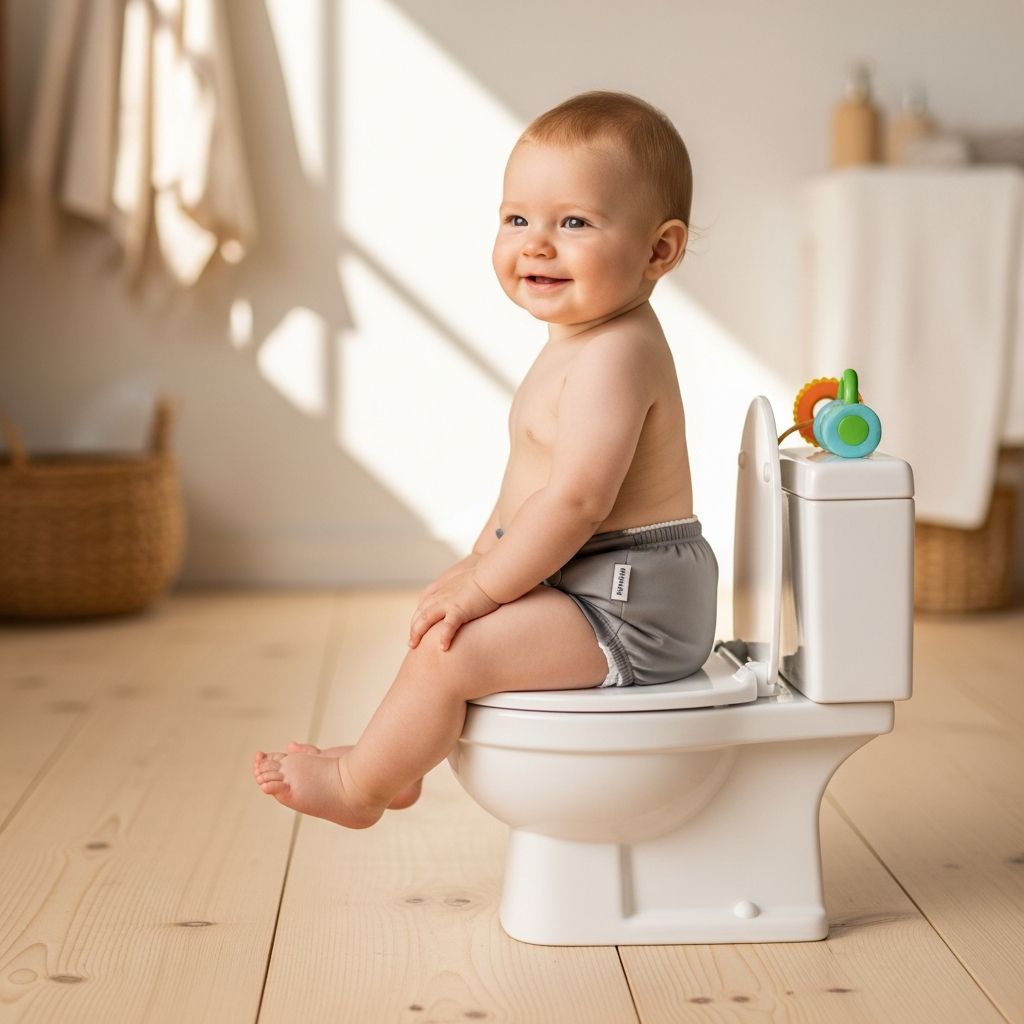
Many parents anticipate potty training as a major battle, filled with schedules, rewards, and frustration. However, a growing body of parental experience and expert advice suggests a simpler path: allowing children to develop this skill naturally, without forced interventions. This child-led method emphasizes observation over instruction, reducing stress for everyone involved.
The Shift from Training to Natural Development
Potty independence is fundamentally a physiological and neurological milestone, much like walking or talking. Children gradually gain awareness of their bodily signals, the muscle control to act on them, and the motivation to use appropriate facilities. Forcing timelines ignores these developmental realities.
Historically, younger generations achieved this earlier due to less absorbent diapers and more frequent changes, fostering quicker body awareness. Modern disposables delay this by masking sensations, but parents can still facilitate progress by tuning into their child’s cues rather than imposing methods.
Common Misconceptions About Potty Readiness
Society promotes rigid ideas about when and how potty skills emerge, leading to unnecessary anxiety. Here are key myths dismantled:
- Quick methods like 3-day challenges work universally: These overlook the multifaceted learning—body awareness, self-regulation, and motor skills—that can’t be rushed. While some see initial success, full mastery takes weeks or months.
- Earlier starts guarantee faster results: Premature pushes cause resistance and setbacks. Optimal timing aligns with individual readiness, often around 20-30 months.
- Accidents signal unreadiness: Slip-ups are normal learning steps, not failures. They provide teachable moments if met with positivity.
- Pull-ups ease transitions: These mimic diapers, confusing children and prolonging dependency by wicking away moisture without feedback.
- Gender dictates difficulty: Boys and girls progress at similar paces when readiness guides the process, debunking outdated stereotypes.
Signs Your Child is Approaching Independence
Rather than waiting passively or pushing aggressively, watch for these indicators of emerging control:
| Physical Signs | Behavioral Signs | Cognitive Signs |
|---|---|---|
| Stays dry for 2+ hours or through naps | Dislikes wet/soiled diapers | Follows simple instructions |
| Can pull pants up/down independently | Shows interest in bathroom routines | Verbalizes needs (e.g., ‘pee’) |
| Regular bowel movements at predictable times | Hides to poop or signals discomfort | Understands ‘potty’ concept |
Track these over a week. If most appear, introduce opportunities gently. The American Academy of Pediatrics notes average dryness ages vary widely (2-4 years daytime, later for nights), emphasizing no fixed timeline.
Implementing a Hands-Off, Child-Led Approach
Step away from bootcamps toward facilitation:
- Prepare the environment: Keep potty accessible, perhaps portable for outings. Naked-from-waist-down time at home builds sensation awareness.
- Observe patterns: Note urination/poop schedules. Suggest potty preemptively during those windows.
- Model casually: Narrate your bathroom use without pressure. ‘I’m peeing in the potty now.’
- Celebrate sans rewards: Genuine praise for efforts reinforces positively, avoiding bribes that undermine intrinsic motivation.
- Handle setbacks gracefully: Clean up neutrally; regression often ties to stress like new siblings or illness.
This method, inspired by elimination communication practices, can begin informally in infancy but shines in toddlerhood. Consistency from caregivers (daycare alignment crucial) accelerates success.
Nighttime Dryness: A Separate Journey
Daytime success doesn’t predict nights. Bedwetting stems from deep sleep cycles and maturing bladder/antidiuretic hormone production, persisting past age 5 in 15-20% of children per pediatric data. Avoid waking routines or restrictions unless advised medically; most outgrow naturally.
Practical tips:
- Limit evening fluids.
- Use waterproof bedding.
- Discuss casually: ‘Bodies learn nighttime control over time.’
Real Parent Experiences and Outcomes
Shared stories reveal variability. One parent noted their 19-month-old ditched diapers post-vacation sans training, thanks to potty exposure. Another’s 3-year-old needed gentle nudges amid resistance but succeeded within weeks child-led. Averages hover at 27-32 months daytime, underscoring no rush.
Benefits of this approach include less parental burnout, stronger child confidence, and fewer power struggles. Studies affirm positive, responsive parenting yields better long-term self-regulation.
Navigating Daycare and Social Pressures
Group settings often mandate readiness. Communicate early with providers about your philosophy. Many accommodate gradual transitions. Ignore peer comparisons—each child’s neurology differs.
Tools That Support Without Overstepping
Select aids promoting awareness:
- Low, stable potties for security.
- Training underwear with moderate absorbency.
- Books/apps depicting potty adventures.
- Portable options for travel.
Steer clear of gimmicks promising miracles; evidence favors simplicity.
Frequently Asked Questions
What if my child shows no interest by age 3?
Consult a pediatrician to rule out issues like constipation. Most catch up by 4; gentle structure helps without coercion.
Does this delay speech or other milestones?
No evidence links potty timing to broader development. Focus energy elsewhere if needed.
How to manage outings pre-independence?
Potties, changes, and spare clothes suffice. Embrace imperfection—public mishaps normalize the process.
Regression after success—normal?
Yes, often from changes like preschool. Revert to supportive basics; it passes.
Can dads/uncles contribute effectively?
Absolutely—consistency across adults is key. Share observations for unified front.
Long-Term Benefits of Patience
Children leading their potty journey build autonomy, body trust, and resilience. Parents gain confidence in responsive guidance over control. This paradigm shift promises healthier family dynamics amid milestone pressures.
References
- Potty Training Myths: Busted by Experts — My Carry Potty. 2023-06-15. https://www.mycarrypotty.com/blogs/potty-training/potty-training-myths-busted-by-experts
- Why the 3-Day Potty Training Method is a Myth — Rooted in Routine. 2024-02-10. https://www.rootedinroutine.com/blog/3-day-potty-training-method-is-a-myth
- Truth And Lies About Potty Training — Sleep Sense. 2023-11-20. https://sleepsense.net/truth-and-lies-about-potty-training/
- Everything You Know About Potty Training Is Wrong — Rebecca Mottram. 2025-05-28. https://rebeccamottram.com/2025/05/28/everything-you-know-about-potty-training-is-wrong/
- Early Start Potty Training :: Part 1 :: Debunking the Myths — Memphis Moms. 2023-04-05. https://memphismoms.com/early-start-potty-training-part-1-debunking-the-myths/
- 5 lies about potty training I wish I never listened to — Motherly. 2024-08-12. https://www.mother.ly/child/child-milestones/potty-training-lies/