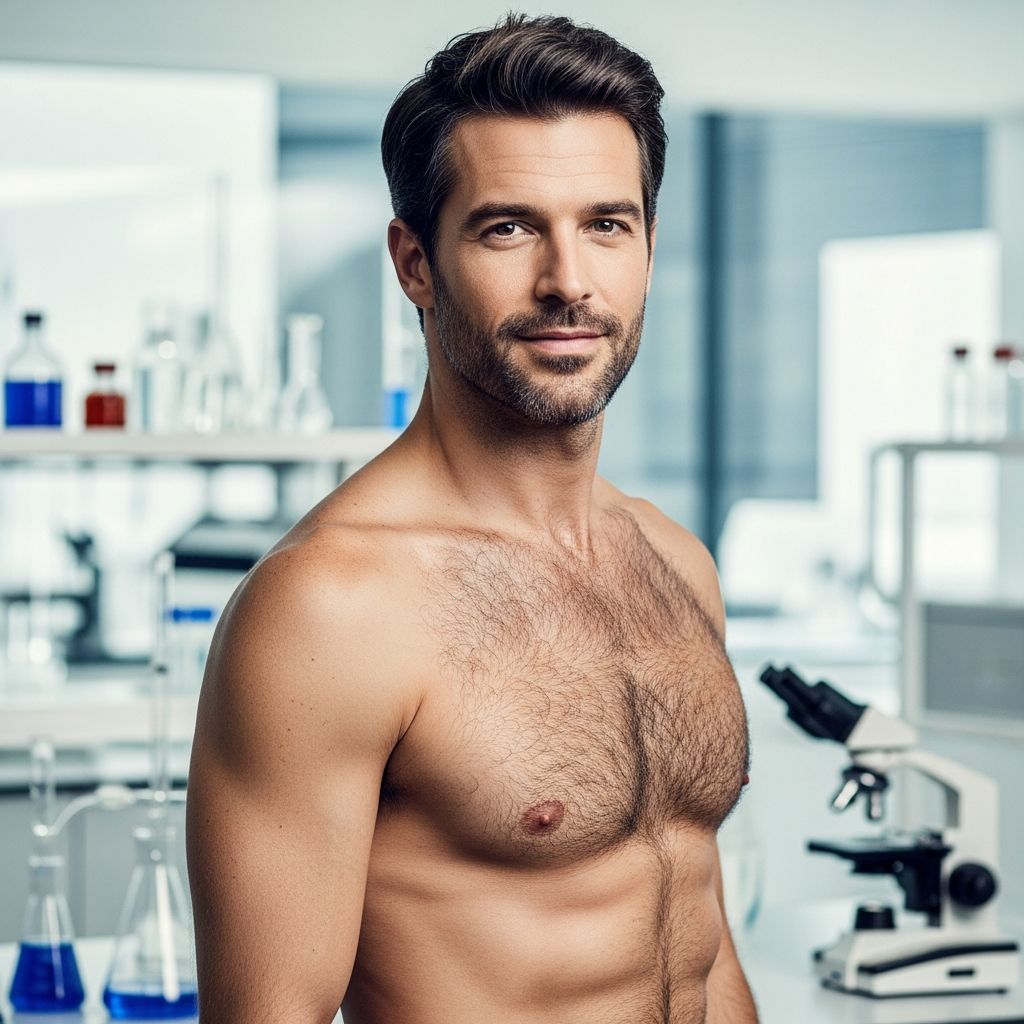
Chest hair has a strange place in culture. In some eras it is celebrated as a symbol of rugged masculinity; in others, it is treated as something to wax, trim, or hide. Underneath the style trends, though, lies a deeper reality: chest hair reflects biology, hormones, evolution, and even social perceptions in surprisingly complex ways.
This article unpacks what science can tell us about chest hair: how it grows, what it might signal, whether it offers any real advantages, and how to think about grooming without shame or pseudoscience.
1. What Chest Hair Actually Is
Chest hair is a type of terminal hair—thick, pigmented hair that appears in response to hormones, especially androgens such as testosterone and dihydrotestosterone (DHT). It typically starts to grow during puberty and can continue to change in density, pattern, and color throughout adulthood.
Types of Body Hair
- Lanugo: Fine, soft hair covering fetuses and newborns, usually shed early in life.
- Vellus hair: Light, thin hair that covers much of the body in childhood and adulthood.
- Terminal hair: Coarse, dark hair on the scalp, face, underarms, pubic region, and for many men, the chest and back.
On the chest, vellus hair can gradually convert to terminal hair when follicles become more sensitive to androgens during and after puberty.
How Hormones Shape Chest Hair
Body hair patterns are strongly influenced by androgens. Testosterone is converted by the enzyme 5α-reductase into DHT, a more potent androgen that binds to receptors in hair follicles. In areas like the chest, this can stimulate follicles to produce thicker, darker hair.
Important points to remember:
- Normal variation is huge: Some men have dense chest hair; others have almost none. Both can be healthy.
- More hair ≠ automatically more testosterone: Androgen sensitivity and genetics play major roles, so two men with similar hormone levels can have very different hair patterns.
- Sudden changes can be a sign: Rapidly increasing or decreasing body hair, especially alongside other symptoms, may indicate hormonal or medical issues and should be discussed with a clinician.
2. Chest Hair Through an Evolutionary Lens
Humans are often described as relatively hairless compared with other primates, yet we still have millions of hair follicles. Researchers view human body hair as an evolving system rather than something we simply “lost.”
Why Humans Lost Most Fur But Kept Some Hair
Evidence suggests that early humans gradually reduced dense body fur as they evolved more efficient sweat-based cooling systems, which helped with temperature regulation during endurance activities in hot climates.
Even with less fur overall, hair remains functional:
- Physical protection: Hair can provide modest cushioning against minor trauma and friction.
- UV buffering: Hair can partially shield skin from ultraviolet radiation, particularly on exposed areas.
- Sensory function: Hair follicles are linked to nerve endings, helping detect touch, insects, or changes in airflow.
Possible Evolutionary Roles of Chest Hair
Although scientists cannot fully reconstruct the exact evolutionary advantages of chest hair, several hypotheses exist:
- Thermal balance: Chest hair may offer limited insulation in cooler environments while still allowing efficient sweating.
- Parasite detection: Visible body hair can make it easier to spot parasites such as fleas or ticks, which would have mattered in pre-modern environments.
- Sexual selection: Some theories propose that visible hair patterns, including on the chest, may have acted as signals of maturity, health, or genetic quality in mate choice.
These ideas are still debated, and chest hair almost certainly did not have a single, simple purpose. But it is reasonable to view it as part of a broader suite of traits balancing temperature regulation, protection, and social signaling.
3. What Chest Hair May (and May Not) Signal About Health
Popular culture often attaches big meanings to chest hair: more manly, more virile, more fit, or even more intelligent. Scientific evidence is more cautious and nuanced.
Hormones, Not Macho Myths
Chest hair does indicate that hair follicles in that region are responding to androgens, but that does not automatically mean the person has extremely high testosterone.
| Feature | What Science Supports | What Is Mostly Myth |
|---|---|---|
| Amount of chest hair | Reflects genetics and androgen sensitivity. | Direct measure of masculinity, dominance, or worth. |
| Testosterone levels | Androgens are needed for terminal hair growth in many areas. | More chest hair always means higher testosterone than other men. |
| Health status | Sudden major changes in body hair can flag endocrine issues. | Hairiness alone determines if you are healthy or strong. |
When Extra Chest or Body Hair Deserves Medical Attention
For men, sparse or dense chest hair can both be normal. For women and some gender-diverse people, however, new or increasing chest hair may be part of a broader pattern called hirsutism—excess terminal hair in androgen-sensitive areas such as the face, chest, or back.
Hirsutism is often linked to conditions such as:
- Polycystic ovary syndrome (PCOS): A common endocrine disorder characterized by elevated androgens, irregular periods, and often insulin resistance.
- Other endocrine disorders: Including adrenal or pituitary conditions, and Cushing’s syndrome, which may disrupt hormone regulation.
Warning signs that chest or facial hair might be part of a medical problem include:
- Rapid onset or quickly worsening hair growth
- Irregular or absent menstrual cycles
- Severe acne or sudden scalp hair loss
- Voice deepening or other signs of virilization
In such cases, a healthcare professional can order hormone tests and explore treatments such as hormonal medications, lifestyle changes, or targeted hair removal.
4. Attraction, Preference, and the Social Meaning of Chest Hair
Chest hair exists at the crossroads of biology and culture. Personal and societal preferences change across time, geography, and age groups.
How People Perceive Chest Hair
Studies and surveys suggest that preferences for chest hair vary widely. Some individuals find a smooth chest more attractive, while others prefer moderate or dense hair as a sign of maturity or masculinity. These attitudes may shift with age, cultural context, and exposure to media images.
Important insights include:
- Preferences are not universal; what is attractive in one culture or era may differ in another.
- Partners often prioritize overall compatibility and personality far more than specific hair patterns.
- Some research suggests that perceptions of body hair can be influenced by learned associations, including family and peer norms.
The Psychological Side: Confidence Over Conformity
Because body hair is so visible, it can become a focus of self-consciousness—too much for some, too little for others. Mental health research consistently shows that body satisfaction and self-compassion are linked to better well-being, regardless of specific features.
Helpful ways to think about chest hair include:
- Viewing it as one small aspect of your appearance rather than a defining trait.
- Recognizing that grooming choices are personal style decisions, not moral judgments.
- Remembering that genuine confidence tends to be more attractive than strict adherence to any particular hair norm.
5. Everyday Pros and Cons of Having a Hairy Chest
Beyond evolution and perception, chest hair shows up in very practical ways in daily life.
Potential Upsides
- Mild insulation: A hairy chest can offer a bit of warmth in cooler temperatures, though it is not a replacement for clothing.
- Friction buffer: Hair can reduce direct skin-on-skin or fabric friction under clothing or gear, which may help some people avoid irritation.
- Sensory feedback: Hair movement can alert you to insects, drafts, or changes in contact with your environment, which has protective value.
Potential Downsides
- Heat and sweat management: Some people feel warmer or sweatier with dense chest hair, especially under synthetic fabrics.
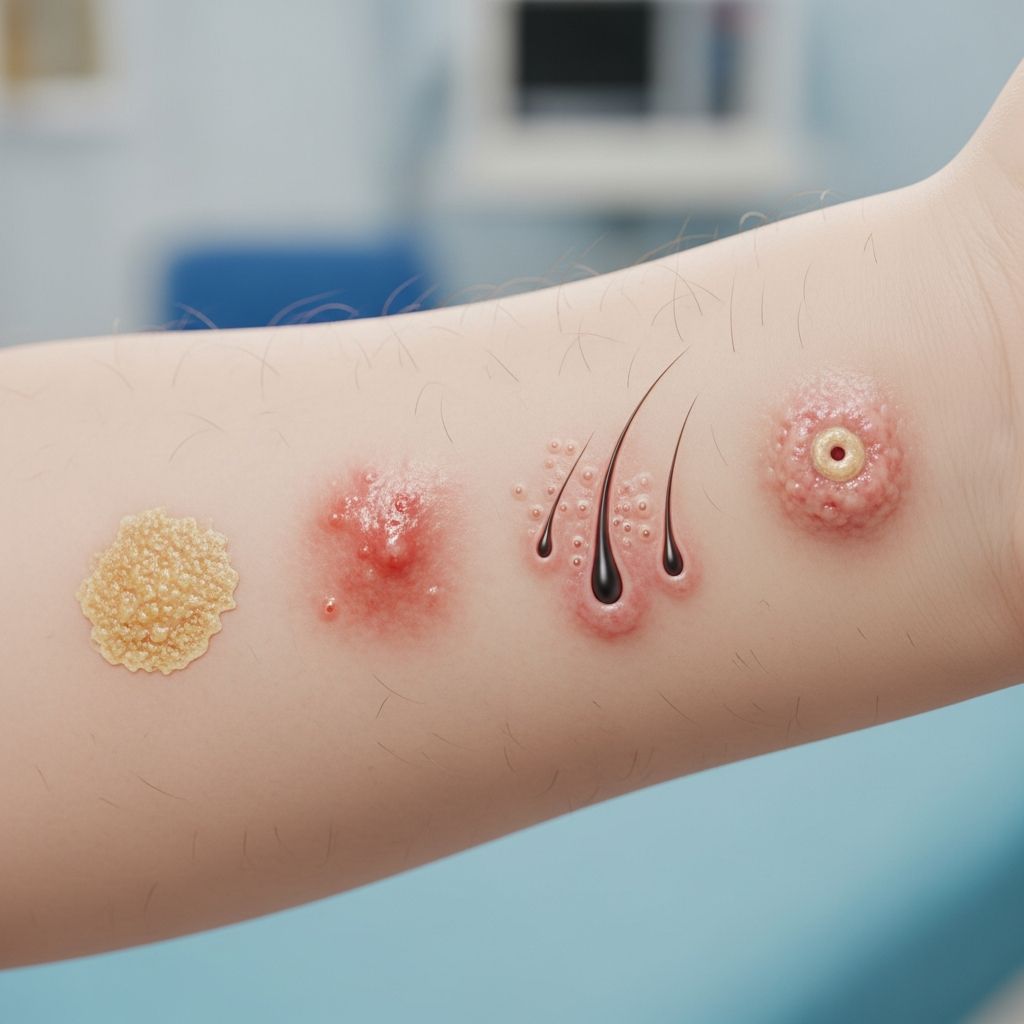
- Skin care challenges: Trapped sweat or friction can sometimes contribute to folliculitis (inflamed hair follicles) or ingrown hairs if hair is shaved.
- Personal comfort: Individuals who dislike the feel or look of their chest hair may experience body image stress, particularly in situations like swimming or sports.
6. Grooming Chest Hair: Options, Trade-Offs, and Myths
Whether you prefer a full chest, light trimming, or a smooth torso, grooming is largely about comfort and aesthetics. There is no medically “correct” amount of chest hair for most healthy adults.
Common Grooming Choices
- Leaving it natural: Requires minimal upkeep. Basic hygiene—regular washing and gentle cleansing—is usually sufficient.
- Trimming: Using scissors or a body hair trimmer to shorten hair without removing it at the root. Often reduces bulk while lowering risk of ingrown hairs compared with shaving.
- Shaving: Removes hair at skin level but can lead to stubble, itching, and ingrown hairs as hair regrows.
- Waxing or depilatory creams: Remove hair at or below the skin surface for a smoother result, but may cause irritation, especially on sensitive skin.
- Laser or electrolysis: Longer-term or permanent hair reduction techniques that target follicles. Typically require multiple sessions and professional oversight.
Myths About Grooming and Hair Growth
Two ideas persist despite being contradicted by research:
- Myth: Shaving makes hair grow back thicker or faster.
Cutting hair at the surface does not change the follicle, growth rate, or hair count. It may feel coarser when regrowing because the blunt tip is more noticeable. - Myth: Removing chest hair changes your hormones.
Hair removal affects the shaft, not hormone production. It does not lower or raise testosterone or DHT levels.
Basic Skin-Care Tips for a Hairy Chest
- Use a mild, non-irritating cleanser to prevent buildup of sweat and oils.
- Rinse thoroughly after workouts to reduce the risk of blocked follicles or body acne.
- If shaving or waxing, use clean tools and consider a soothing, fragrance-free moisturizer afterward.
- See a clinician if you develop persistent rashes, painful bumps, or rapidly spreading irritation.
7. Embracing Individual Differences
From a scientific point of view, chest hair is simply one expression of human diversity. People vary in hair color, density, distribution, and texture due to complex interactions among genetics, hormones, and environment.
Key takeaways for anyone navigating feelings about their chest hair:
- Variation is the norm: There is no single “right” amount of chest hair; human biology naturally produces a wide range of patterns.
- Health matters more than hair: Pay attention to overall well-being, sleep, nutrition, and mental health rather than focusing only on appearance.
- Choice is valid: Keeping, trimming, or removing chest hair are all legitimate decisions. The best choice is the one that aligns with your comfort, identity, and cultural context.
Understanding the science behind chest hair can help shift the conversation from insecurity and stereotype to curiosity and self-acceptance. Whether you are naturally smooth, moderately hairy, or sporting what looks like a built-in sweater, your chest hair is just one small—but surprisingly interesting—piece of your biological story.
Frequently Asked Questions (FAQs)
Does having a hairy chest mean I have high testosterone?
Not necessarily. Androgens like testosterone and DHT are required for chest hair development, but genetics and follicle sensitivity strongly influence how much hair you actually grow. Two people with similar hormone levels can differ significantly in chest hair density.
Is it unhealthy if I have very little or no chest hair?
In many cases, sparse chest hair is simply a normal genetic variation. If you have other concerning symptoms—such as delayed puberty, fatigue, or changes in sexual function—consult a healthcare professional, but lack of chest hair alone usually is not a health problem.
Can I make my chest hair grow thicker naturally?
There is no proven, safe way to dramatically increase chest hair beyond what your genetics and hormones allow. Maintaining overall health, managing stress, and addressing any hormone imbalances with medical guidance are the most realistic steps.
Is chest hair protective against sunburn?
Chest hair can offer some shielding from ultraviolet radiation, but it is not a substitute for sunscreen or protective clothing, especially during prolonged sun exposure.
When should I see a doctor about changes in chest hair?
Seek medical advice if you notice rapid new hair growth in areas typical of male patterns (face, chest, back) alongside symptoms like menstrual changes, acne, scalp hair loss, voice changes, or unexplained weight gain, or if your chest hair suddenly thins dramatically without an obvious cause.
References
- Human Hair – An Evolutionary Relic? — Gerald A. Hoenig. 2012-01-12. https://www.ncbi.nlm.nih.gov/pmc/articles/PMC3250022/
- Body Hair: Types & Why You Have It — Cleveland Clinic. 2023-06-26. https://my.clevelandclinic.org/health/body/body-hair
- Why is hair growing on my face and chest? — SiPhox Health. 2023-08-15. https://siphoxhealth.com/articles/why-is-hair-growing-on-my-face-and-chest
- Chest hair — Overview article. 2023-09-01. https://en.wikipedia.org/wiki/Chest_hair
- Human body hair — Cleveland Clinic (body hair functions). 2023-06-26. https://my.clevelandclinic.org/health/body/body-hair
- Why Do Men Grow Chest Hair? Genetics, Benefits, and More — General review article. 2022-11-10. https://smart.dhgate.com/why-do-men-grow-chest-hair-genetics-benefits-and-more/