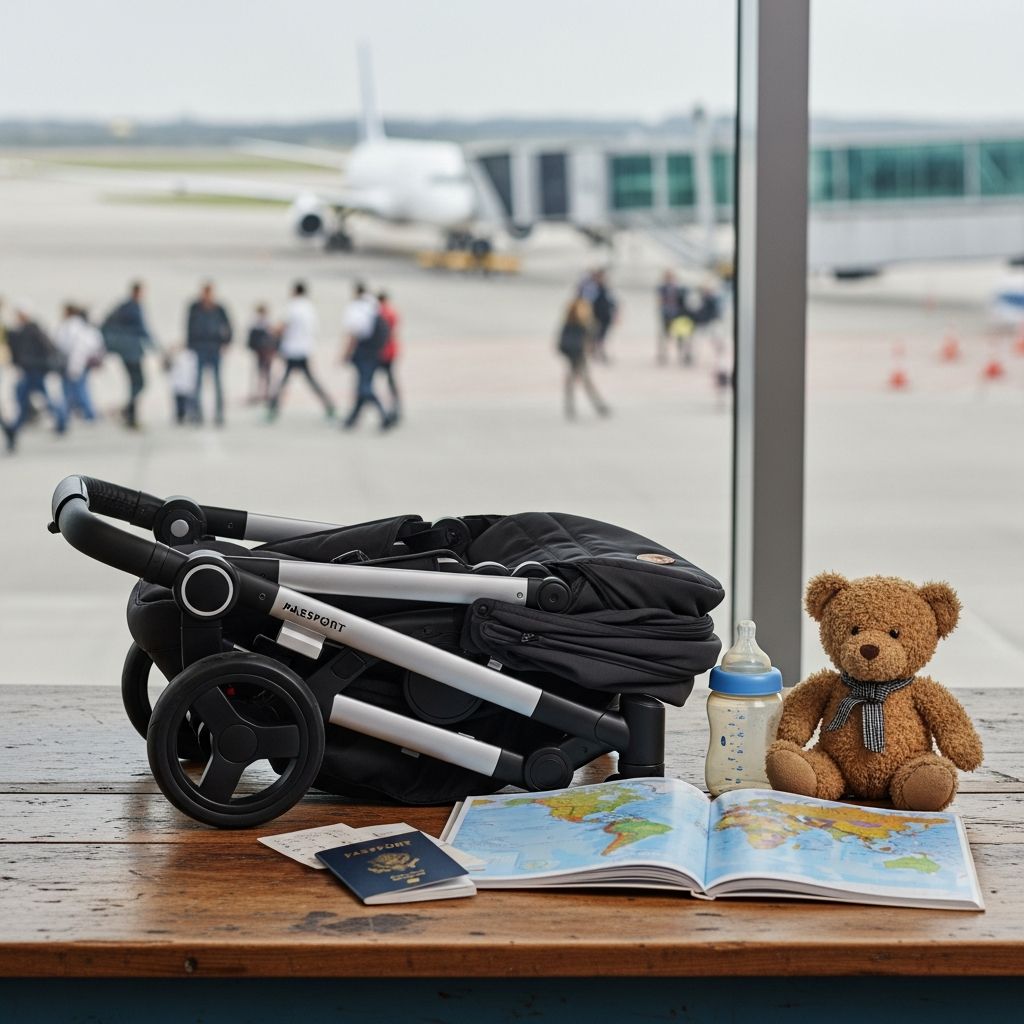
Traveling with a baby or toddler becomes far less stressful when your stroller and car seat work together smoothly from airport curb to hotel room.
A well-chosen travel stroller system can simplify transfers, reduce what you carry, and keep your little one safe and comfortable on the go.
What Is a Travel Stroller System?
A travel stroller system is a coordinated setup that typically includes a stroller and an infant car seat that click together, allowing you to move your child without unbuckling them between car and stroller.
Many parents also consider lightweight, compact strollers that pair with a car seat adapter or built-in car seat as part of the broader “travel system” category for trips.
Why a Dedicated Travel Setup Can Be Worth It
While a full-size stroller may be perfect for neighborhood walks, travel days demand different strengths like compact folding, easy lifting, and quick transitions through security and narrow aisles.
Having a dedicated travel stroller system helps protect your main gear from rough handling while giving you something designed to maneuver airports, trains, rideshares, and small hotel rooms.
Key Types of Travel Stroller Systems
Parents can choose from several main categories of travel-focused systems, each with trade-offs in weight, convenience, and longevity.
Understanding the differences helps you match the right style to your family’s travel habits and your child’s age.
1. Compact Travel Systems (Stroller + Infant Car Seat)
These are lighter and smaller than traditional full-size travel systems, but still allow the infant car seat to click onto the stroller with or without adapters.
They are designed to be easier to lift into trunks and navigate in crowded spaces, making them popular for families who drive and fly frequently.
- Good fit for newborns and younger babies who ride mostly in the infant car seat.
- Often include a one-hand fold or self-standing fold to simplify airport and parking lot logistics.
- May not be as plush or roomy as your everyday full-size stroller, but they win on portability.
2. Lightweight Stroller + Separate Car Seat
Some families prefer to buy a high-quality lightweight stroller and pair it with an infant car seat using a brand-specific or universal adapter.
This setup can offer more flexibility, especially if you already own a favorite car seat or want to upgrade the stroller later without changing your car seat.
- Lets you choose a truly travel-focused stroller with ultra-compact fold and low weight.
- Adapters can add cost and complexity, and compatibility varies between brands.
- Once the baby outgrows the infant car seat, the lightweight stroller remains useful for toddler travel.
3. All-in-One Car Seat–Stroller Hybrids
There are systems where the infant car seat itself transforms into a stroller frame, removing the need to carry a separate stroller during the earliest months.
Parents often choose this for simplicity on short trips, though some find it heavy to lift into vehicles once the baby grows.
- Excellent for quick errands and air travel with very young babies when you want minimal gear.
- Not always ideal on uneven terrain or for older, heavier babies due to wheel size and weight distribution.
- Often outgrown sooner than a separate stroller and car seat pairing.
Core Features That Matter for Travel
Instead of getting lost in marketing terms, focus on a handful of practical features that directly affect your day-to-day experience when traveling.
These priorities include fold size, stroller weight, ease of steering, storage, and how smoothly the car seat attaches and detaches.
Portability and Fold
A compact, simple fold is one of the biggest differentiators between a home stroller and a travel-ready one.
Look for strollers that fold in one or two clear steps and fit easily into car trunks, overhead bins when allowed, or tight hotel closets.
- One-hand fold helps when you are holding your baby or a diaper bag in the other arm.
- Self-standing fold keeps the fabric cleaner in airports and public restrooms.
- Check folded dimensions if you plan to gate-check or store in overhead bins, as airlines vary in policies.
Stroller Weight and Size
Travel days make every pound feel heavier, especially when carrying your child, a diaper bag, and possibly a carry-on.
Most parents find that a travel stroller in the lightweight category, often under about 15 to 20 pounds, strikes a good balance between sturdiness and portability.
Comfort and Safety for Your Child
Even when you prioritize portability, the stroller still needs to support your baby’s body correctly and provide secure restraint.
Look for features like a supportive seat, at least a three- or five-point harness, and an appropriate recline for your child’s age.
- Newborns need near-flat recline or a compatible infant car seat to keep airways clear.
- Older babies and toddlers benefit from adjustable leg rests and padded seats for longer sightseeing days.
- A large canopy with UPF protection can help protect from sun exposure in unfamiliar climates.
Ease of Use for Caregivers
Steering one-handed through crowds or over cobblestones can quickly reveal design flaws in a stroller, especially if the wheels or handlebar feel wobbly or too low.
Travel stroller systems that offer good maneuverability, comfortable handles, and intuitive brakes tend to be easier to trust in busy environments.
- Suspension and wheel quality influence how smoothly the stroller handles bumps and curbs.
- Height-adjustable or well-placed handlebars help caregivers of different heights avoid back strain.
- Simple brake systems that are easy to see and operate reduce the chance of mistakes in hectic moments.
Storage and Extras
Even on short trips, babies need snacks, diapers, wipes, spare clothes, and sometimes small toys, so stroller storage remains important.
A travel stroller system with a reasonably accessible basket and a few thoughtful extras can make your day smoother.
- Look for an under-seat basket that can hold at least a small diaper bag or a few packing cubes.
- Peekaboo windows, cupholders, and parent organizers are nice-to-have features if they do not add too much weight.
- Rain covers and travel bags, whether included or bought separately, help protect your investment in harsh weather and baggage handling.
Quick Comparison of Travel-Focused Stroller Styles
The table below summarizes how the main travel stroller system styles tend to compare on common decision points like age range and portability.
Use it as a starting point, then narrow down based on your family’s specific travel habits and budget.
| Type | Best For | Age Range | Portability | Typical Drawbacks |
|---|---|---|---|---|
| Compact travel system (stroller + infant car seat) | Families who drive often and also take occasional flights with infants. | Newborn to early toddler, depending on stroller seat limits. | Moderately light, usually smaller than full-size systems. | Less suspension and padding than a full-size model; still bulky than ultra-compact strollers. |
| Lightweight stroller + separate infant car seat | Parents who want the smallest possible stroller once baby outgrows the car seat. | Newborn (with compatible car seat) through preschool. | Often very portable and easy to lift; some fit in overhead bins. | Requires adapters; can be less intuitive to attach and detach in a rush. |
| Car seat–stroller hybrid | Short trips with very young infants and parents who want minimal gear. | Birth through roughly the first year, depending on size and weight limits. | No separate stroller, but can feel heavy when carrying up stairs or lifting. | Limited lifespan and sometimes smaller wheels that struggle on rough surfaces. |
Matching a Travel Stroller System to Your Lifestyle
Beyond the technical features, the best travel stroller system for your family depends on how, where, and how often you travel.
Thinking through realistic scenarios can prevent buyer’s remorse and help you invest in gear that will actually get used.
If You Fly Frequently
Families who fly several times a year often benefit from ultra-compact strollers that can be carried on board on some airlines, reducing risk of damage from gate-checking.
Check updated airline policies for stroller dimensions and consider a travel bag for added protection.
- Prioritize small folded size, low weight, and a quick fold you can do while holding a baby.
- Think about how you will move through security: some parents prefer babywearing through the checkpoint and using the stroller for gear.
- Verify that your car seat is approved for airplane use if you plan to use it on board.
If You Mostly Drive
For road trips and everyday car use, trunk space and ease of loading often matter more than overhead-bin compatibility.
A compact travel system that folds quickly and leaves space for luggage or groceries can be a practical choice.
- Measure your car trunk and compare with folded stroller dimensions before buying.
- Consider how often you will lift the stroller in and out; a few pounds difference can still matter over time.
- If you live in a walkable area, balance trunk fit with wheel quality and comfort for everyday strolls.
If You Rely on Public Transit
Parents who regularly use buses, trains, or subways need strollers that handle stairs, escalators, and tight turnstiles.
A narrow, lightweight stroller with a solid fold and good carrying strap or handle can make commuting with a child much more manageable.
- Look for a stroller you can fold quickly with one hand and carry on a shoulder if necessary.
- Check width measurements to ensure it will fit through doors and aisles.
- Brakes and stability are essential for safety on buses or trains that start and stop suddenly.
Practical Buying Checklist
When comparing models, it helps to use a simple checklist to narrow options and avoid being overwhelmed by marketing language.
Answering the questions below can guide you toward a stroller system that fits both your lifestyle and your storage space.
- What is your child’s current age, and how long do you want this system to last?
- How often do you anticipate flying, driving long distances, or using public transit?
- How much trunk or closet space can you realistically dedicate to the stroller?
- Does the system meet current safety standards and weight/height limits for your child?
- Is the car seat installation method (LATCH or belt) compatible with your vehicles and easy for you to use?
- Can you comfortably carry, lift, and fold the stroller by yourself?
Care and Maintenance While Traveling
Keeping a travel stroller system in good shape extends its life and helps it function smoothly on every trip.
A few simple routines can prevent minor issues like sticky wheels or loose fabric from becoming major frustrations mid-vacation.
- Wipe down the frame and wheels after sandy beaches or muddy parks to keep the folding mechanism working well.
- Check screws, buckles, and harnesses occasionally to ensure everything remains secure.
- Use a padded or structured travel bag if you check the stroller or car seat to reduce cosmetic damage.
Frequently Asked Questions About Travel Stroller Systems
Do I really need a separate travel stroller if I already own a full-size model?
A separate travel stroller is not mandatory, but many families find it worth it due to weight and portability differences.
Full-size models can be heavy and bulky for airports, small rental cars, and hotels, while a travel-focused option is easier to carry and store.
Can I use a travel stroller from birth without an infant car seat?
Only some travel strollers offer a newborn-ready recline or bassinet-style seat; many require an infant car seat for safe use with very young babies.
Always check the manufacturer’s age and weight recommendations and confirm that the recline is appropriate for your baby’s stage.
Is it better to gate-check or fully check the stroller?
Gate-checking lets you use the stroller up to the aircraft door and may reduce handling steps, but it can still be exposed to rough treatment or weather.
Some ultra-compact models can be carried on board where permitted, which often offers the best protection if overhead space is available.
How important is suspension on a travel stroller?
Suspension and wheel quality affect how comfortably the stroller handles uneven surfaces and how jarring the ride feels for your child.
For mostly smooth airport floors and paved sidewalks, minimal suspension can be fine, but frequent cobblestones or rough sidewalks may warrant better wheels and shock absorption.
What safety standards should I look for?
Reputable stroller and car seat brands design their products to meet or exceed applicable regional safety standards and undergo crash and stability testing.
Check for clear labeling of weight and height limits, harness design, and any third-party safety certifications that apply in your country.
Final Thoughts for Confident Travel With Kids
The most effective travel stroller system is the one that fits easily into your life, your car or airplane plans, and your child’s current stage—rather than the one with the longest list of features.
By prioritizing portability, safety, and everyday usability, you can choose gear that supports smoother family adventures from the first trip onward.