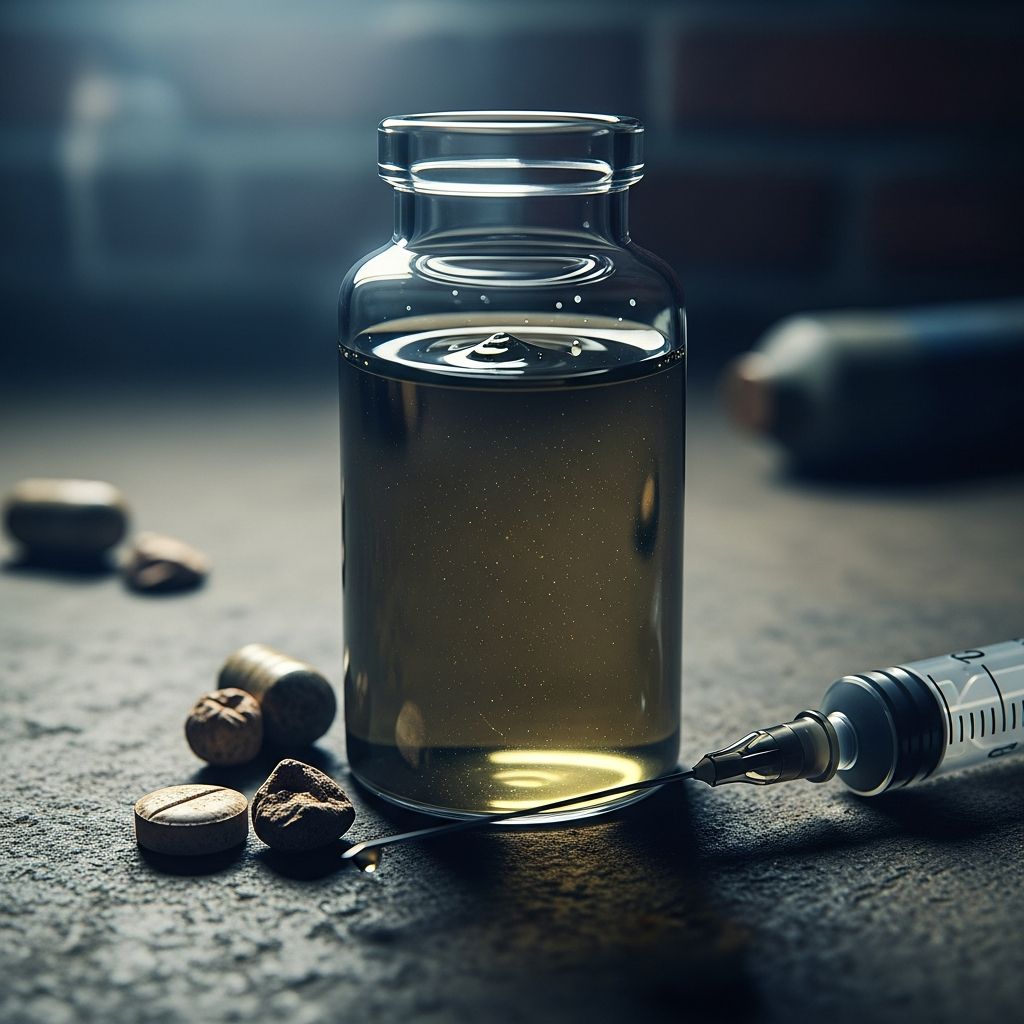
Xylazine, commonly known as ‘tranq,’ is a powerful veterinary sedative increasingly contaminating the illicit drug supply, particularly when mixed with opioids like fentanyl. This non-opioid substance amplifies overdose risks and causes unique, devastating health effects, making it a growing concern for parents monitoring teen drug use.
What Parents Need to Know About Xylazine
Xylazine was developed for animal use as a sedative, analgesic, and muscle relaxant, approved by the FDA solely for veterinary applications. It has never been deemed safe for human consumption, yet its low cost and potent sedating properties have led dealers to adulterate street drugs with it to boost volume and effects.
In the U.S., xylazine detection in overdose deaths has surged, often alongside fentanyl, heroin, cocaine, or other substances. Government agencies like the DEA report a 112% increase in its presence in drug mixtures from 2020 to 2022, signaling a public health crisis. Parents should be vigilant as youth experimentation with counterfeit pills or street drugs unknowingly exposes them to this toxin.
Physical and Mental Effects on the Body
Xylazine acts as a central nervous system depressant, mimicking some opioid effects by inducing heavy drowsiness, muscle relaxation, and slowed vital signs. Key impacts include:
- Sedation and Respiratory Depression: Users experience profound drowsiness, slowed breathing, and reduced consciousness, lasting 20-50 minutes depending on dose and administration.
- Cardiovascular Strain: It causes low blood pressure, bradycardia (slow heart rate), and in some cases initial hypertension followed by hypotension.
- Skin and Tissue Damage: Repeated exposure leads to severe ulcers, abscesses, cellulitis, and necrosis—even in non-injection users. These wounds appear spontaneously, often on limbs, and can necessitate amputation if untreated.
Unlike opioids, xylazine’s effects are not fully reversed by naloxone, complicating overdose response. Combined with fentanyl, it heightens fatal risks through extreme sedation.
Recognizing Overdose Symptoms in Teens
Overdose signs blend opioid-like and unique xylazine traits, demanding immediate action. Watch for:
| Symptom | Description | Urgency Level |
|---|---|---|
| Extreme Drowsiness | Unresponsive, pinpoint pupils, blue/gray skin | High |
| Slow/No Breathing | Gasps or shallow breaths under 10/minute | Critical |
| Cold/Clammy Skin | Low pulse, hypothermia | High |
| Skin Wounds | Necrotic ulcers, even away from injection sites | Medical Follow-Up |
If suspected, call 911 immediately. Administer naloxone if opioids are possible, as it may partially help despite xylazine presence.
Why Teens Are at Heightened Risk
Adolescents face amplified dangers due to developing brains and bodies. Xylazine’s presence in fake prescription pills (e.g., counterfeit Xanax or OxyContin) deceives youth seeking ‘safer’ highs. Dependency develops rapidly, with withdrawal mimicking or exceeding heroin’s severity—chest pains, anxiety, seizures.
Social media and peer pressure exacerbate exposure. Parents report teens obtaining drugs via apps or parties, unaware of adulterants. Early education on drug testing strips (which miss xylazine) and wound vigilance is crucial.
Talking to Your Kids: Prevention Strategies
Open dialogues save lives. Start age-appropriately:
- Age 8-12: Discuss drug myths, emphasizing even ‘one-time’ use risks death.
- Teens: Share real stories of tranq wounds and overdoses; teach refusal skills.
- Monitor Online: Check for slang like ‘tranq,’ ‘zombie drug’; review pill appearances via apps.
Encourage reporting suspicious symptoms without judgment. Family drug policies, including lockboxes for medications, deter experimentation.
Harm Reduction and Treatment Options
If use is suspected:
- Wound Care: Clean lesions daily, seek dermatology for necrosis.
- Detox Support: Medically supervised withdrawal due to severe symptoms.
- Testing: Labs detect xylazine; request toxicology in ER visits.
- Resources: SAMHSA helpline (1-800-662-HELP), local youth programs.
Behavioral therapies address root causes; no xylazine-specific meds exist, but opioid treatments adapt well.
Current Trends and Policy Responses
Xylazine supply chains involve diversion from vets or illicit production. States like Colorado and Maryland track it via overdose data. Federal efforts include DEA scheduling proposals to curb imports.
Community naloxone distribution expands, with training on xylazine combos. Parents can advocate for school screenings and fentanyl test kits[10].
Frequently Asked Questions (FAQs)
What is xylazine, and why is it dangerous?
Xylazine is a veterinary tranquilizer mixed into street drugs, causing sedation, overdose, and flesh-eating wounds unresponsive to naloxone.
Does naloxone work on xylazine overdoses?
No, but administer it anyway if opioids are suspected, then provide rescue breathing and call 911.
Can xylazine wounds heal?
With prompt medical care, yes; untreated, they lead to infection or amputation.
How can I test for xylazine at home?
Standard strips don’t detect it; professional tox screens are needed.
What should parents do if they find drugs?
Safely dispose, talk calmly, and contact addiction specialists without confrontation.
Empowering Families Against Emerging Threats
Staying informed equips parents to safeguard youth. Xylazine exemplifies how drug markets evolve, underscoring vigilance, communication, and community support’s role in mitigation.
References
- Xylazine — Colorado Department of Public Health and Environment. 2024. https://cdphe.colorado.gov/overdose-prevention/xylazine
- Xylazine — National Institute on Drug Abuse (NIDA). 2024-01-05. https://nida.nih.gov/research-topics/xylazine
- The Growing Threat of Xylazine and its Mixture with Illicit Drugs — Drug Enforcement Administration (DEA). 2022-12. https://www.dea.gov/sites/default/files/2022-12/The%20Growing%20Threat%20of%20Xylazine%20and%20its%20Mixture%20with%20Illicit%20Drugs.pdf
- FDA alerts health care professionals of risks to patients exposed to xylazine in illicit drugs — U.S. Food and Drug Administration (FDA). 2022-11-08. https://www.fda.gov/drugs/drug-safety-and-availability/fda-alerts-health-care-professionals-risks-patients-exposed-xylazine-illicit-drugs
- What You Should Know About Xylazine — Centers for Disease Control and Prevention (CDC). 2024. https://www.cdc.gov/overdose-prevention/about/what-you-should-know-about-xylazine.html
- Xylazine Risk — Suffolk Stop Addiction. 2024. https://suffolkstopaddiction.org/SUD/Xylazine-Risk
- Issue Brief: Xylazine, Health Risks and Harm Reduction Strategies — California Department of Public Health (CDPH). 2023. https://www.cdph.ca.gov/Programs/CCDPHP/sapb/CDPH%20Document%20Library/Issue-Brief-Xylazine_ADA.pdf