For many breastfeeding parents, pumping away from home is not optional; it is how feeding fits into real life with work, errands, and travel. A well-designed breast milk cooler turns all of that pumping effort into safely stored milk that actually makes it home to your baby. This guide explains how breast milk coolers work, which features matter, and how to pack and use them so you can move through your day with confidence.
Why a Dedicated Breast Milk Cooler Matters
It might be tempting to toss pumped milk into any lunch bag with an ice pack, but a cooler designed for breast milk solves problems that general food coolers do not always address.
- Temperature control focused on safety: Breast milk coolers are built to keep milk in a safe cold range for several hours, which supports recommended storage guidelines and reduces waste from milk warming too quickly.
- Shape and structure for bottles and bags: Many models include molded sections, removable dividers, or vertical layouts that keep bottles upright and reduce leaks from storage bags.
- Daily-use durability: Zippers, handles, and linings are designed to handle frequent opening, wiping, and commuting, which is very different from an occasional picnic bag.
Choosing a purpose-built breast milk cooler is an investment in both safety and sanity when you rely on pumped milk regularly.
How Breast Milk Coolers Keep Milk Cold
Most breast milk coolers rely on three elements working together: insulation, cold sources, and limited air exchange. Understanding this helps you use whatever cooler you buy more effectively.
- Insulated walls: Soft coolers often use thick foam or layered materials, while hard-sided or bottle-style chillers use double-walled stainless steel or rigid plastic to slow heat transfer.
- Ice packs or frozen components: Some coolers use standard flat ice packs, others use contoured packs that hug bottles, and some integrate freezable gel directly into the walls of the bag.
- Minimal opening and warm air: Each time the cooler is opened, warm air enters and cold air escapes, so models with easy-access zippers or top-opening designs try to reduce how much cold is lost during quick use.
Any design can be effective when it is packed properly, kept out of direct sun, and not opened more than necessary during the day.
Types of Breast Milk Coolers
There is no single style that suits everyone. Your choice depends on how you pump, where you go, and how much milk you carry. Below are the main categories you will see when shopping.
Compact Bottle Bags
Compact bottle bags are small, soft coolers that typically hold a handful of bottles or storage bags plus one or two ice packs.
- Best for short commutes: Ideal if you pump at work and just need to get milk from the office fridge to home.
- Easy to slip into another bag: Their small size makes them convenient to tuck into a large purse, diaper bag, or work tote.
- Limited capacity: They may not be enough for exclusive pumpers or long trips without a fridge.
Integrated Pump-Bag Coolers
Some pump bags include built-in cooler compartments or attachable cooler pods. These combine your pump, parts, and milk storage in a single, organized bag.
- Streamlined carrying: Reduces the number of separate bags you juggle while commuting or moving between meetings.
- Designed for daily routines: Many have dedicated sections for flanges, tubing, and clean bottles alongside the insulated chamber.
- Less flexible: The cooler capacity is fixed, so upgrading only the cooler can be harder without replacing the entire bag.
Stainless Bottle-Style Chillers
Bottle-style chillers look more like insulated water bottles than traditional lunch coolers. Many use a double-chamber design where ice or a frozen insert cools milk in a surrounding chamber.
- Discreet appearance: They blend in with everyday drinkware, which can feel more comfortable in public spaces.
- Extended cooling time: High-quality vacuum insulation often keeps milk cold for much longer than soft coolers of similar size.
- Multi-use potential: After breastfeeding, they can often be repurposed as travel mugs or general drink containers.
Large Capacity Travel Coolers
Large travel coolers resemble small soft suitcases or picnic bags and are designed for trips, pumping conventions, or transporting stored milk in bulk.
- High volume: Can carry many bags or large bottles, sometimes supporting a full day or more of pumping without access to a freezer.
- Multiple ice sources: Usually have room for several ice packs or frozen gel inserts for longer temperature control.
- Less convenient daily: Their size can be cumbersome for quick outings or tight office spaces.
Key Features to Compare Before You Buy
When comparing breast milk coolers, look beyond color and price. Focus on features that directly affect safety, convenience, and how well the cooler fits your routine.
| Feature | Why It Matters | What to Look For |
|---|---|---|
| Insulation quality | Affects how long milk stays safely cold during the day. | Thick walls, double-walled stainless steel, or dense foam; user reports of several hours of reliable cooling. |
| Capacity | Determines how many pumping sessions you can store. | Enough space for your typical daily output plus a little extra, measured in ounces and number of containers. |
| Ice pack system | Impacts how evenly bottles are cooled and how long cold is maintained. | Included custom-fit ice pack or room for flat packs you already own; easy to freeze and reuse. |
| Compatibility | Ensures your existing bottles or bags actually fit upright. | Interior height for tall bottles, dividers or contours that match your preferred container style. |
| Cleaning and lining | Spills are inevitable when dealing with milk. | Wipeable, waterproof lining with seams that are easy to reach and disinfect. |
| Portability | Makes it realistic to carry daily. | Comfortable handle or strap, flat base, and a shape that fits in your work bag or stroller basket. |
Matching a Cooler to Your Lifestyle
Choosing the “best” cooler is less about rankings and more about how you intend to use it. Consider a typical week and identify when and where you pump.
- Office pumpers: If you have access to a fridge at work, you might only need a compact cooler to bring milk home, prioritizing portability over extreme insulation.
- Frequent travelers: If you fly often or drive long distances, a bottle-style chiller or large soft cooler with strong insulation and multiple ice sources makes more sense.
- Exclusive pumpers: Those pumping many times a day may prefer a higher-capacity cooler that can hold several sessions before transfer to a freezer.
Thinking through your actual routine helps you avoid buying a cooler that is technically impressive but awkward to use in daily life.
How to Pack a Breast Milk Cooler Effectively
Even the best cooler will not perform well if it is packed casually. A simple, repeatable packing routine can extend the time your milk stays safely chilled.
- Pre-chill your cooler: When possible, place the empty cooler (without ice packs) in the fridge for 15 to 30 minutes or store it in a cool room to avoid starting with warm surfaces.
- Freeze ice packs fully: Make sure ice packs are frozen solid before use; partially frozen packs lose their cooling power quickly.
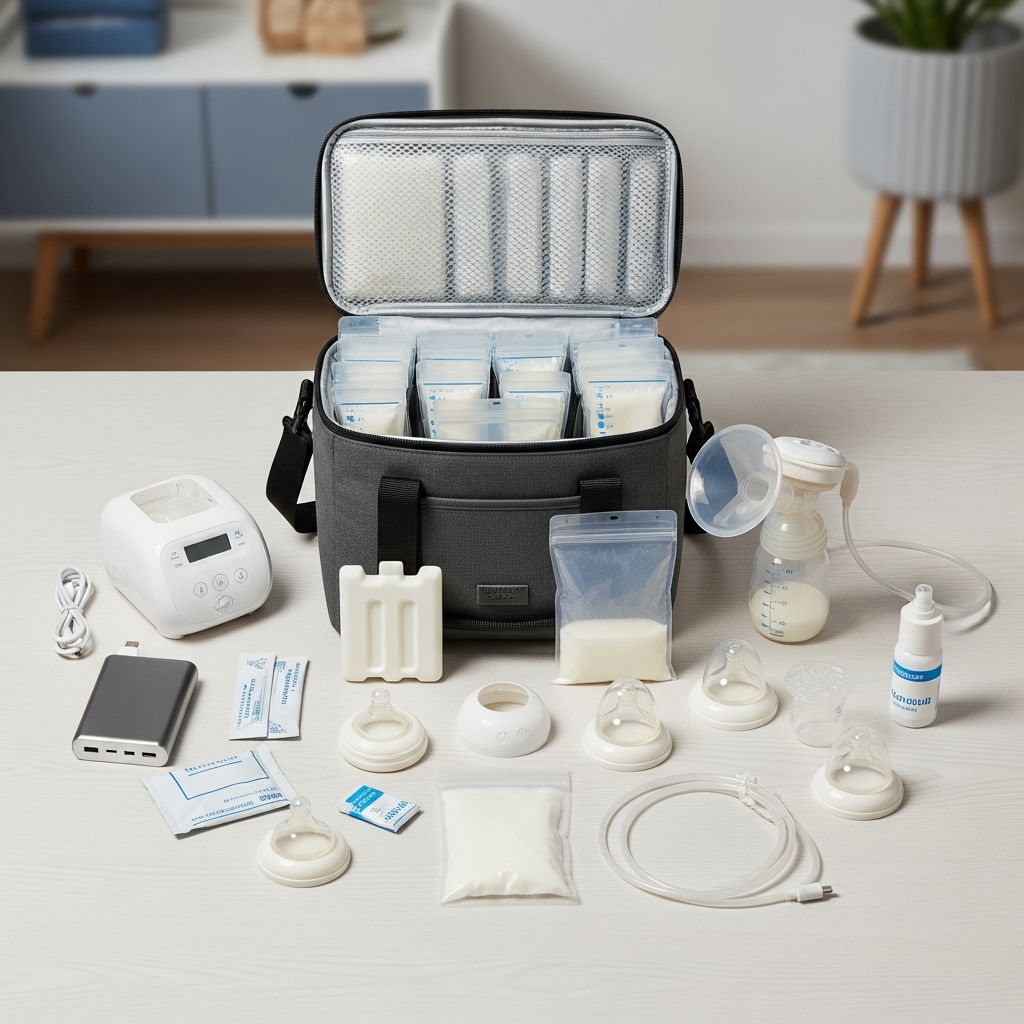
- Arrange ice around containers: Place ice packs at the bottom and sides, with bottles or bags in the center so that cold surrounds the milk.
- Fill space wisely: Empty air warms faster than tightly packed cool surfaces. If there is extra room, add a small towel or spare pack to reduce air pockets.
- Close the cooler quickly: After adding new milk, seal the cooler promptly to maintain the cold environment.
Developing a predictable packing habit also makes it easier for partners, babysitters, or caregivers to help without guesswork.
Using a Breast Milk Cooler at Work
For many parents, the primary use of a cooler is transporting milk to and from work. Integrating the cooler into a simple workday routine can reduce stress.
- Start the day prepared: Place fully frozen ice packs into the cooler in the morning, even if you plan to store pumped milk in the office fridge between sessions.
- Label milk clearly: Use waterproof labels with your name, date, and pumping time so that daycare and caregivers can easily follow feeding preferences.
- Transfer promptly at home: As soon as you arrive home, move milk into the fridge or freezer to avoid pushing the limits on storage time.
Having a small checklist posted by the door or on your phone—ice packs, bottles, cooler, pump parts—can help prevent last-minute scrambles.
Traveling and Flying with Breast Milk Coolers
Travel adds extra logistics to breast milk storage, but a well-chosen cooler can make flights, road trips, and hotel stays more manageable.
- Understand travel rules: Check airline and security guidelines about traveling with breast milk and ice packs in advance, and carry printed or digital copies in case staff are unfamiliar.
- Pack for delays: Choose a cooler and ice pack combination that can handle longer-than-planned waits at airports or on the road.
- Use hotel freezers wisely: If staying overnight, ask if the hotel can freeze your ice packs or, at minimum, store them in the coldest part of a mini-fridge.
Some parents also carry a small backup cooler or extra ice packs in checked luggage so there is a fallback if something goes wrong with the primary setup.
Cleaning and Maintenance Tips
Breast milk coolers come into contact with milk residue, condensation, and surfaces from public spaces, so regular cleaning keeps them safe and sanitary.
- Daily wipe-down: After each use, remove bottles and ice packs, then wipe the interior with a mild soap solution or baby-safe cleaning wipes.
- Thorough weekly clean: Once a week, wash removable liners or trays according to manufacturer instructions and sanitize seams and corners where residue can hide.
- Air-dry completely: Store the cooler unzipped until fully dry to prevent odors and mold from trapped moisture.
Inspect zippers, handles, and seams periodically. If insulation becomes damaged or the lining cracks, cooling performance and cleanliness can suffer, which is a sign it may be time to replace the cooler.
Common Mistakes to Avoid
Even experienced pumping parents sometimes make small mistakes that undermine cooler performance. Being aware of them can spare you wasted milk.
- Relying on room-temperature packs: Ice packs that are not fully frozen may give a false sense of security while the interior of the cooler warms faster than expected.
- Overfilling beyond design limits: Cramming too many bottles inside can press against the zipper, prevent even cooling, and increase the risk of leaks.
- Leaving coolers in hot cars: Even a well-insulated cooler can struggle in extreme heat; whenever possible, bring it indoors with you.
- Skipping labels and organization: Unlabeled bottles or loosely packed bags often lead to confusion and can be mishandled by caregivers.
FAQs About Breast Milk Coolers
How long can breast milk stay cold in a cooler?
The exact time depends on insulation, the number and quality of ice packs, how often the cooler is opened, and the surrounding temperature. Many well-packed coolers can maintain a cold environment for several hours, but you should always follow current breast milk storage recommendations from healthcare providers when deciding how long to keep milk in a cooler versus transferring it to a fridge or freezer.
Can I put warm milk into the cooler right after pumping?
Yes, pumped milk can go straight into the cooler in clean containers. The ice packs will gradually bring the temperature down. If you pump multiple times, place the newest container in close contact with an ice pack when you open the cooler, then close it promptly to preserve the cold environment.
Do I need a separate cooler for daycare?
Some families dedicate one cooler to daycare so that bottles can travel back and forth without disrupting the work or travel cooler. This is optional but can be convenient if daycare prefers labeled, ready-to-use bottles that stay together in a single container.
Are stainless bottle-style chillers better than soft coolers?
Neither style is universally better. Stainless bottle-style chillers often excel at longer cooling times and discreet appearance, while soft coolers can be lighter, more flexible in shape, and easier to pack in larger bags. The best choice depends on how long you need milk to stay cold and how you prefer to carry it.
Can I store formula and breast milk together in the same cooler?
Yes, you can store both in the same cooler as long as all containers are sealed properly and kept at a safe temperature. Keeping each type clearly labeled helps caregivers know which is which and follow specific preparation or use instructions.
Final Thoughts
A reliable breast milk cooler turns pumping away from home into a manageable routine instead of a daily gamble with spoiled milk. By understanding how coolers work, choosing a style that fits your life, and developing simple packing and cleaning habits, you give yourself one less thing to worry about and create a smoother experience for both you and your baby.