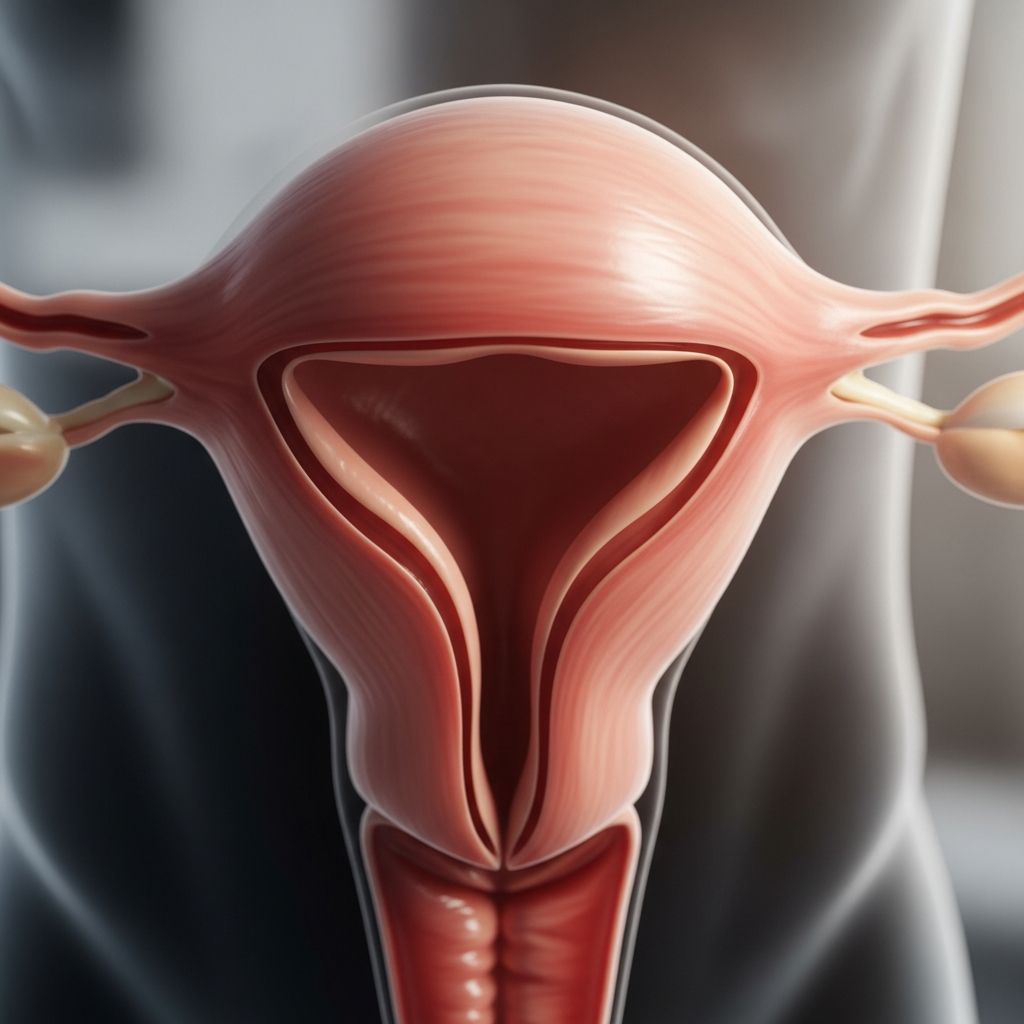
Understanding Pregnancy Detection with Unpredictable Menstrual Patterns
For individuals with regular menstrual cycles, a missed period often serves as the initial indicator of pregnancy. However, those experiencing irregular periods face a unique challenge—the absence of a period may simply reflect their normal cycle variation rather than pregnancy. This creates confusion and uncertainty, making it essential to recognize alternative physical signs that may signal conception. Understanding these indicators can help you identify pregnancy earlier and seek appropriate medical guidance when needed.
The challenge of detecting pregnancy with an irregular cycle stems from the unpredictability of menstruation itself. Without a consistent pattern to reference, relying solely on a missed period becomes unreliable. Instead, focusing on bodily changes triggered by hormonal shifts after conception provides more dependable clues. These changes begin occurring within days to weeks of fertilization, often before a pregnancy test would show positive results.
Physical Indicators of Early Pregnancy
Breast Changes and Sensitivity
Among the earliest manifestations of pregnancy, breast alterations frequently occur within the first two weeks following conception. Hormonal fluctuations, particularly increases in estrogen and progesterone, trigger these transformations. Many individuals report that their breasts feel unusually tender, swollen, or heavier than their typical pre-menstrual state. The sensation may intensify when touched or during physical activity, creating noticeable discomfort that differs from regular monthly changes.
Beyond tenderness, the visible appearance of breasts may also shift. The areola—the pigmented area surrounding the nipple—can darken in color or expand in size. Additionally, the network of veins across the breast tissue may become more prominent due to increased blood flow supporting the developing pregnancy. These aesthetic changes, combined with physical sensations, create a distinct pattern that many women recognize as different from their usual hormonal cycle effects.
Gastrointestinal Symptoms and Food Sensitivities
Nausea, commonly termed “morning sickness” despite occurring throughout the day, represents one of the most recognizable pregnancy indicators. This symptom typically emerges two to eight weeks after conception and stems from rising hormonal levels. The intensity varies considerably among individuals—some experience mild queasiness that passes quickly, while others contend with persistent nausea and actual vomiting that can impact daily functioning.
Accompanying nausea are often dramatic shifts in food preferences and smell sensitivities. Foods previously enjoyed may suddenly trigger aversion, while previously disliked foods might become appealing. Strong odors—from cooking, perfumes, or household products—may suddenly feel overwhelming or nausea-inducing. These sensory changes represent your body’s response to hormonal reorganization and typically diminish as pregnancy progresses into the second trimester.
Fatigue and Energy Depletion
Unexplained exhaustion is another hallmark early pregnancy symptom, particularly pronounced during the first and third trimesters. Your body is directing tremendous resources toward establishing and maintaining pregnancy, which naturally depletes your energy reserves. Additionally, elevated progesterone levels—essential for sustaining pregnancy—inherently promote drowsiness and reduced activity levels. Many pregnant individuals report needing significantly more sleep than usual or experiencing overwhelming tiredness despite adequate rest.
This fatigue often feels distinctly different from typical tiredness related to stress or poor sleep. It may manifest as an inability to engage in regular activities, persistent mental fog, or a profound heaviness in the limbs. The symptom can persist throughout pregnancy but tends to be most bothersome during the initial weeks and later stages of gestation.
Subtle Signs Requiring Careful Observation
Light Spotting and Implantation Bleeding
Implantation bleeding represents a phenomenon unique to pregnancy and occurs when the fertilized embryo burrows into the uterine lining. This bleeding typically transpires between 10 and 14 days after conception and appears distinctly different from menstrual periods. The bleeding is exceptionally light, characterized by pinkish or brownish coloration, and lasts only briefly—usually a few hours to a day or two. Importantly, implantation bleeding occurs earlier than your expected period and is significantly lighter in volume than standard menstruation.
This symptom occurs in approximately 15 to 25 percent of pregnancies during the first twelve weeks. Its appearance can trigger confusion with the onset of a period, particularly for those with irregular cycles. However, the minimal volume and abbreviated duration distinguish it from genuine menstruation. If you observe such light spotting followed by the absence of a full period, this pattern may indicate pregnancy rather than normal cycling.
Mild Abdominal Discomfort
Slight cramping sensations can accompany early pregnancy, sometimes causing alarm among individuals uncertain about their status. These cramps typically feel mild and similar to pre-menstrual discomfort, arising from the embryo’s implantation process and the uterus beginning its expansion. The cramping is generally manageable and not accompanied by heavy bleeding.
It is important to distinguish between normal implantation cramping and symptoms requiring immediate medical attention. If cramping becomes severe or occurs alongside heavy vaginal bleeding, you should contact a healthcare provider promptly, as these may indicate miscarriage or other complications requiring urgent evaluation.
Hormonal Mood and Emotional Fluctuations
Emotional volatility and mood swings commonly accompany early pregnancy, driven by dramatic hormonal shifts. These mood changes resemble pre-menstrual emotional experiences, including irritability, sadness, or heightened emotional sensitivity. You might find yourself becoming tearful over minor matters or experiencing unexpected emotional reactions that seem disproportionate to circumstances.
The brain is particularly responsive to hormonal changes, and the surge in estrogen and progesterone can significantly influence emotional regulation. While these mood fluctuations are normal aspects of early pregnancy, they can be particularly challenging because they overlap substantially with pre-menstrual emotional patterns, making independent confirmation difficult without additional indicators.
Increased Urination Frequency
A notable increase in bathroom visits represents another early pregnancy indicator, potentially occurring as early as three weeks after conception. During pregnancy, your body’s blood volume expands to support fetal development. This increased circulating blood means your kidneys filter additional fluid, which subsequently fills the bladder more frequently. Additionally, hormonal changes directly influence bladder function, reducing its capacity to retain urine before triggering the urge to urinate.
Early in pregnancy, this symptom may be subtle, but many individuals report needing to urinate more frequently during daytime hours and waking multiple times nightly to use the bathroom. The frequency typically becomes more pronounced in the third trimester when the enlarging uterus physically compresses the bladder, further reducing its capacity. If you notice yourself making frequent trips to the bathroom without any urinary tract infection or other medical explanation, pregnancy warrants consideration.
Distinguishing Pregnancy Symptoms from Premenstrual Syndrome
Symptom Overlap and Confusion
The considerable overlap between early pregnancy symptoms and pre-menstrual syndrome (PMS) creates genuine diagnostic difficulty, even for experienced individuals. Both conditions involve hormonal fluctuations centered on progesterone and estrogen, producing similar physical manifestations. Breast tenderness, mood swings, fatigue, and mild abdominal discomfort occur in both scenarios, often feeling nearly identical. This similarity explains why many individuals cannot definitively distinguish between approaching menstruation and early pregnancy without additional confirmation methods.
Key Differentiating Factors
Despite substantial overlap, certain symptoms occur more prominently in pregnancy than PMS. Significant or persistent nausea with vomiting appears far more commonly in pregnancy, whereas PMS-related nausea, when present, is typically mild. Similarly, implantation bleeding differs markedly from menstrual periods in color, volume, and timing, occurring several days before expected menstruation and remaining extremely light throughout.
The intensity and duration of symptoms sometimes provide differentiation clues. If your typical pre-menstrual symptoms feel unusually pronounced, persist longer than normal, or manifest differently than your established pattern, pregnancy becomes more likely. Many individuals become attuned to their unique pre-menstrual signature and recognize when symptoms deviate significantly from their baseline experience.
Timing as a Diagnostic Tool
The timeline of symptom onset offers another distinguishing factor. Pregnancy symptoms can appear within the first two weeks after conception, well before a missed period or failed pregnancy test would indicate pregnancy. If you experience unexpected physical changes significantly earlier than your typical pre-menstrual symptoms usually emerge, early pregnancy represents a stronger possibility.
Reliable Methods for Confirming Pregnancy
Home Pregnancy Testing
Home pregnancy tests measure human chorionic gonadotropin (hCG), a hormone produced by the developing placenta after implantation. These tests are most reliable when performed at least three weeks after unprotected intercourse, allowing sufficient hCG accumulation for detection. For maximum accuracy, testing during morning hours when urine is most concentrated improves detection sensitivity.
However, with irregular periods, determining when to test becomes challenging. Testing too early produces false-negative results. If initial tests prove negative but symptoms persist and your period remains absent, repeat testing after several days or consulting a healthcare provider ensures accurate results.
Professional Medical Evaluation
Healthcare providers offer definitive pregnancy confirmation through blood tests measuring hCG levels with greater sensitivity than home tests, and ultrasound imaging providing visual confirmation. Blood tests can detect pregnancy earlier than home tests and provide quantitative hCG measurements that help establish pregnancy viability. Transvaginal ultrasound around five to six weeks from conception provides direct visualization of an embryo developing within the uterus.
For individuals with irregular periods, medical consultation becomes particularly valuable because healthcare providers can establish accurate dating of pregnancy based on ultrasound measurements rather than relying on last menstrual period calculations. Additionally, medical professionals can identify potential complications, confirm singleton versus multiple pregnancies, and establish appropriate prenatal care timing.
When to Seek Medical Guidance
Consulting a healthcare provider becomes advisable when you suspect pregnancy based on physical symptoms, particularly with an irregular cycle preventing reliance on missed periods. Medical professionals can clarify whether symptoms represent pregnancy, PMS, or other medical conditions. They provide counseling about pregnancy options, prenatal care initiation, and management of any existing health conditions affecting pregnancy.
Immediate medical attention becomes necessary if you experience severe abdominal cramping accompanied by heavy vaginal bleeding, as these symptoms may indicate miscarriage or ectopic pregnancy requiring urgent intervention. Similarly, persistent severe nausea and vomiting preventing adequate nutrition or hydration warrant professional evaluation to explore treatment options.
Frequently Asked Questions
How early can pregnancy symptoms appear with irregular periods?
Pregnancy symptoms can emerge within the first two weeks following conception, potentially before a missed period would be noticeable. Breast tenderness, nausea, and fatigue may appear as early as a few days to two weeks after fertilization. However, these early symptoms frequently overlap with pre-menstrual changes, making independent confirmation challenging without testing.
Is a missed period a reliable pregnancy indicator with irregular cycles?
A missed period is considerably less reliable for individuals with irregular menstrual patterns, as cycle variation is their norm. Instead of relying solely on missed periods, attention to physical symptom patterns and appropriate pregnancy testing at three weeks or more after potential conception provides more dependable confirmation for those with unpredictable cycles.
Can implantation bleeding be mistaken for a period?
Implantation bleeding can initially seem like menstruation onset, but key differences exist. Implantation bleeding is exceptionally light, appears pinkish or brownish rather than red, occurs earlier than expected menstruation, and lasts only briefly. True menstrual periods begin light but progress to heavier flow and persist for several days—distinctly different patterns that become apparent as the bleeding continues.
What symptoms absolutely require immediate medical attention during early pregnancy?
Contact healthcare providers immediately if experiencing severe abdominal pain, heavy vaginal bleeding, signs suggesting infection like fever or chills, or fainting. These symptoms may indicate complications such as miscarriage, ectopic pregnancy, or other serious conditions requiring urgent professional evaluation and treatment.
How accurate are home pregnancy tests for individuals with irregular periods?
Home pregnancy tests demonstrate high accuracy when performed correctly at least three weeks after conception, with accuracy rates exceeding 99 percent when detecting hCG in urine. However, with irregular periods, determining appropriate testing timing becomes challenging. Testing too early may produce false negatives. If results are negative but symptoms persist, repeat testing after several days or consult a healthcare provider for blood testing offering earlier detection capability.
References
- Signs of pregnancy when you have irregular periods — Flo Health. 2024. https://flo.health/getting-pregnant/trying-to-conceive/signs-of-pregnancy/irregular-periods-signs-of-pregnancy
- Recognising 5 Signs Of Pregnancy With An Irregular Menstrual Cycle — Wonder Health. 2024. https://wonderhealth.sg/signs-pregnancy-irregular-periods/
- Symptoms of pregnancy: What happens first — Mayo Clinic. 2024. https://www.mayoclinic.org/healthy-lifestyle/getting-pregnant/in-depth/symptoms-of-pregnancy/art-20043853