Conceiving a child is a profound journey that blends biology, timing, and proactive health choices. For many couples, understanding fertility dynamics and adopting targeted strategies can significantly shorten the path to pregnancy. This guide draws on medical insights to outline actionable steps, from foundational lifestyle adjustments to assisted reproductive technologies (ART), helping you maximize your odds at every stage.
Understanding Your Fertility Window
The foundation of conception lies in pinpointing ovulation, the 12-24 hour period when an egg is released and viable for fertilization. Sperm can survive up to five days in the female reproductive tract, creating a fertile window of about six days ending on ovulation day. Tracking this window boosts natural conception chances to around 25-30% per cycle for women under 30.
Use methods like basal body temperature charting, cervical mucus observation, or ovulation predictor kits (OPKs) for accuracy. Apps integrating these with wearable data offer modern precision. Consistency is key: monitor for three cycles to establish patterns, adjusting for irregularities from stress or illness.
- Daily temperature tracking: A 0.5°F rise post-ovulation confirms release.
- Mucus changes: Clear, stretchy consistency signals peak fertility.
- OPKs: Detect luteinizing hormone (LH) surge 24-36 hours before ovulation.
Combining methods raises prediction accuracy to over 90%, per fertility studies, empowering timed intercourse.
Lifestyle Foundations for Optimal Fertility
Daily habits profoundly influence reproductive health. A balanced approach enhances egg and sperm quality, hormonal balance, and implantation readiness.
Nutrition and Weight Management
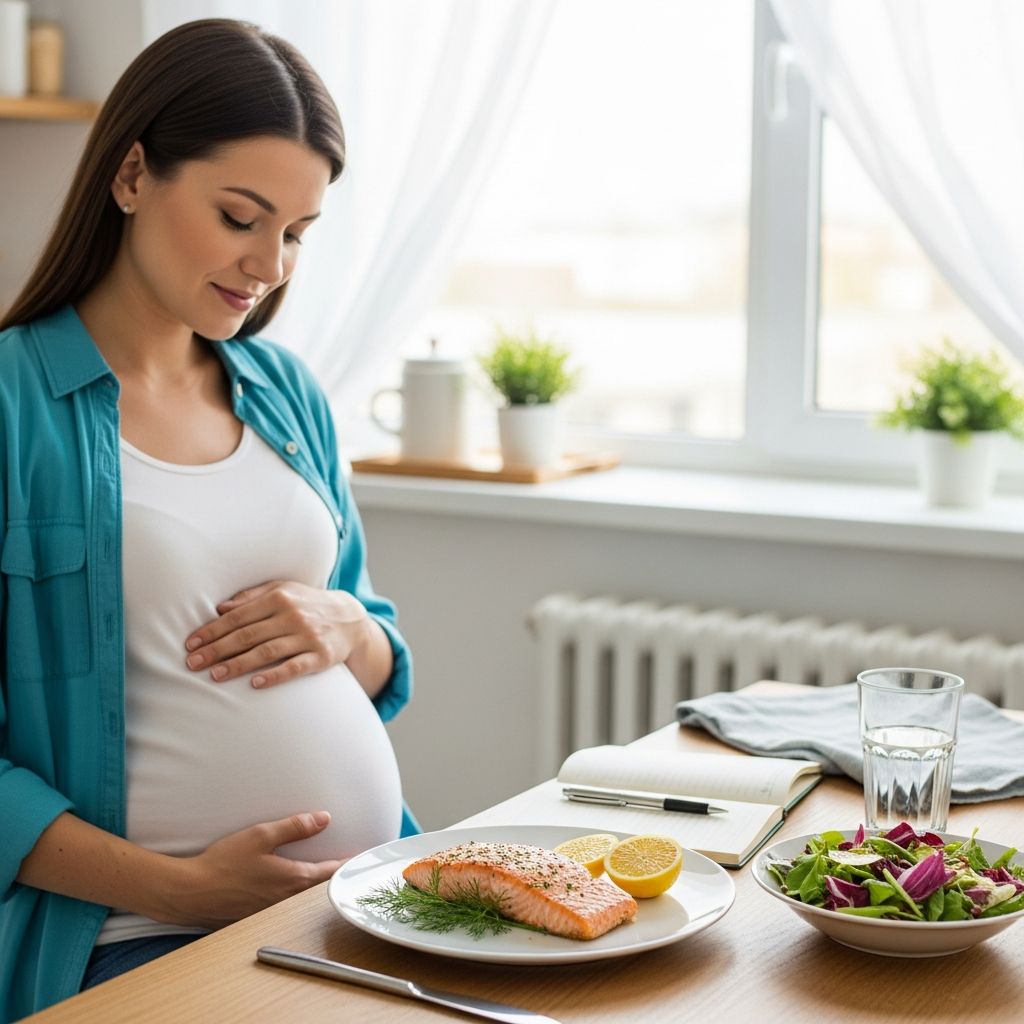
Maintain a BMI between 18.5-24.9; extremes disrupt ovulation. Focus on a Mediterranean-style diet rich in antioxidants: leafy greens, berries, nuts, fatty fish, and whole grains. Folate from spinach or supplements (400-800 mcg daily) supports neural tube development. Omega-3s improve sperm motility.
| Nutrient | Benefits | Food Sources |
|---|---|---|
| Folate | Prevents defects, aids ovulation | Leafy greens, lentils, avocados |
| Omega-3s | Boosts sperm quality, reduces inflammation | Salmon, walnuts, flaxseeds |
| Zinc | Supports hormone production | Oysters, pumpkin seeds, beef |
Exercise and Stress Reduction
Moderate activity like yoga or brisk walking (30 minutes daily) improves circulation to reproductive organs without overtaxing the body. High-intensity routines can elevate cortisol, suppressing ovulation. Prioritize 7-9 hours of sleep; melatonin regulates cycles.
Mindfulness practices lower stress hormones. Acupuncture shows promise in studies for regulating cycles and enhancing blood flow to the uterus.
Enhancing Male Fertility Factors
Sperm health accounts for 40-50% of conception challenges. Optimize through diet, avoiding heat exposure (hot tubs, tight underwear), and limiting alcohol/tobacco. Antioxidants like vitamin C and E combat oxidative stress.
- Avoid plastics with BPA; choose glass storage.
- Exercise moderately; obesity reduces count by 10-20%.
- Test semen analysis early if under 35 after 6 months trying.
When to Seek Professional Guidance
Consult a specialist after 12 months (6 months if over 35 or with known issues). Initial evaluations include hormone panels, ultrasounds, and semen analysis. Preconception counseling identifies reversible factors like PCOS or thyroid imbalances.
Assisted Options: IUI and IVF Explained
Intrauterine Insemination (IUI)
IUI places washed sperm directly into the uterus, bypassing cervical barriers. Ideal for mild male factor or unexplained infertility. Success varies by age: 10-20% per cycle under 35, dropping to 3-9% over 40.
First-cycle rates: 10-20% under 35. Cumulative after 3 cycles: 30-45%; after 6: 50-60%. Trigger shots boost rates to 25-38% under 35.
| Age Group | IUI Success per Cycle |
|---|---|
| Under 35 | 10-20% |
| 35-40 | 7-15% |
| Over 40 | 3-9% |
Unexplained infertility: 7-10% per cycle. Personalization via international standards improves outcomes.
In Vitro Fertilization (IVF)
IVF retrieves eggs, fertilizes in lab, and transfers embryos. Higher success: 54% under 35, 40% at 35-37, 26% at 38-40, 8% over 40 per cycle. Live births: 46% under 35. Cumulative after 3 cycles: 70-90%.
2026 estimates: 40-60% overall. Frozen transfers match fresh at 40-60%. PGT raises to 60-70%. SART calculators predict personalized rates.
| Age Group | IVF Live Birth per Cycle |
|---|---|
| Under 35 | 46-54% |
| 35-37 | 40% |
| 38-40 | 26% |
| Over 40 | 2-8% |
Age-Related Fertility Decline
Female fertility peaks in 20s, declines after 30, sharply post-35 due to egg quantity/quality drop. Under 35: 25% natural monthly chance; 35-39: 15%. Men experience gradual sperm decline. Early action preserves options.
Supplements and Medications
Clomid or letrozole induce ovulation (success 60-80% in responders). CoQ10 (200-600mg) aids egg quality; myo-inositol benefits PCOS. Always under medical supervision to avoid multiples risk.
Frequently Asked Questions (FAQs)
What boosts natural conception chances most?
Timing intercourse in the fertile window, maintaining healthy BMI, and tracking ovulation yield 20-30% per cycle under 35.
How many IUI cycles before IVF?
3-4 cycles if under 35; fewer if older, as cumulative IUI success plateaus at 50-60%.
Does age affect IVF more than IUI?
Yes; IVF maintains higher rates (up to 54% under 35) vs. IUI (10-20%), especially over 38.
Are frozen IVF transfers better?
Often yes, with 40-60% success matching or exceeding fresh due to better uterine prep.
What’s the overall IUI first-try success?
10-15% average, higher (25-38%) with triggers under 35.
Emotional and Relational Support
Fertility journeys test resilience. Join support groups, communicate openly, and consider counseling. Success often follows persistence; 85% conceive naturally or assisted within 2 years.
Track progress quarterly, celebrate small wins like regular cycles. Holistic care—body, mind, partnership—amplifies results.
References
- IUI Probability of Pregnancy: The Ultimate Data — Liv Hospital. 2026. https://int.livhospital.com/iui-probability-of-pregnancy-data/
- IVF Success Rates by Age & Country — Egg Donation Friends. 2026. https://www.eggdonationfriends.com/ivf-success-rates-myths-figures-revealed/
- Top 5 Infertility Treatments in 2026 — Progenesis IVF. 2026. https://progenesisivf.com/blog/top-infertility-treatments-in-2026/
- Chance of Pregnancy by Age: Naturally vs. IUI vs. IVF — New Hope Fertility. 2026. https://www.newhopefertility.com/blog/chance-of-pregnancy-by-age-naturally-vs-iui-vs-ivf/
- IVF Success Rates — Illume Fertility. 2026-01. https://www.illumefertility.com/about-us/success-rates
- What are the 2025 Fertility Statistics I Need to Know About? — Cofertility. 2025. https://www.cofertility.com/family-learn/fertility-statistics
- Success Rates — Society for Assisted Reproductive Technology (SART). 2026. https://www.sart.org/patients/a-patients-guide-to-assisted-reproductive-technology/general-information/success-rates/