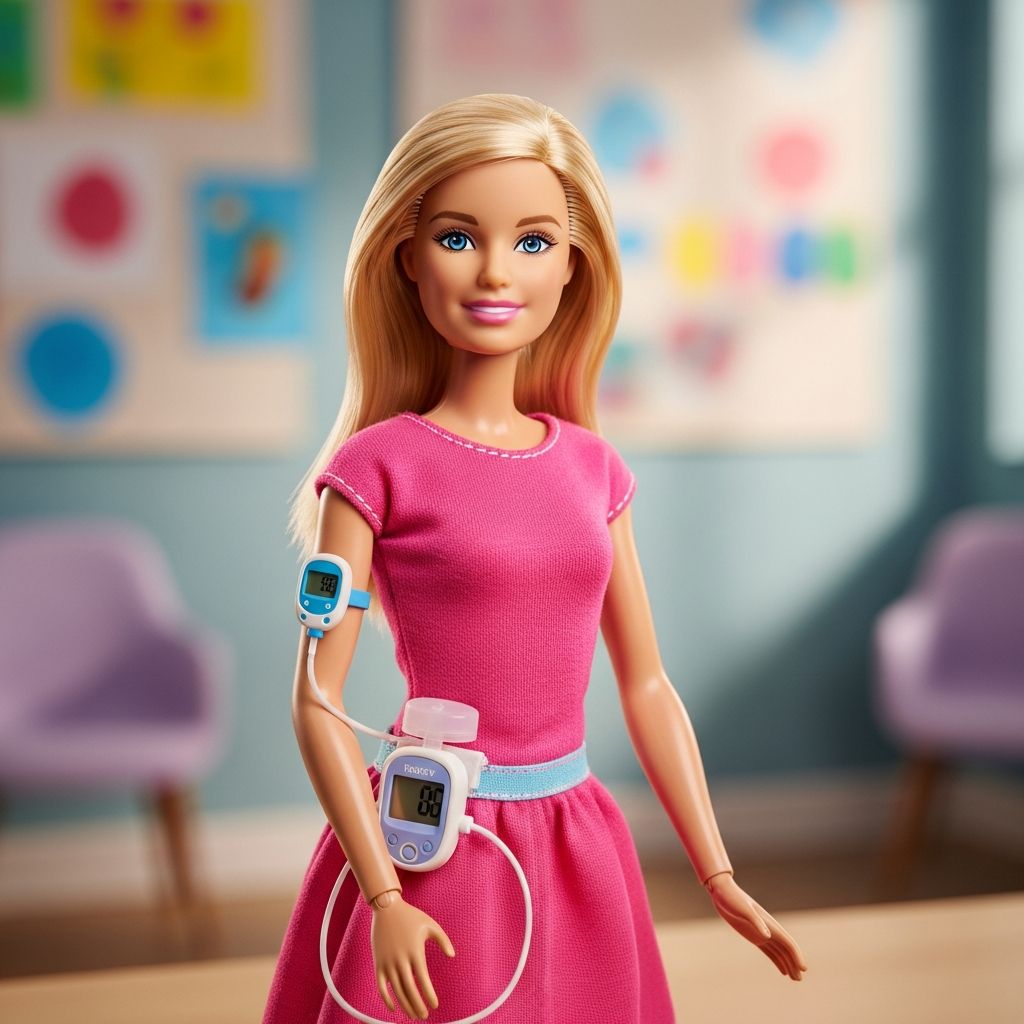
This landmark doll marks a pivotal moment in toy design, integrating realistic medical devices to mirror the lives of children with Type 1 diabetes (T1D). By featuring an insulin pump and continuous glucose monitor (CGM), it normalizes chronic illness management and fosters empathy among peers.
The Evolution of Barbie Toward True Diversity
Barbie has transformed dramatically since 1959, evolving from a singular beauty ideal to a diverse icon representing various body types, abilities, and now medical realities. Mattel’s Fashionista line, launched in 2009, introduced dolls with wheelchairs, prosthetics, and varied skin tones, reflecting real-world inclusivity.
The T1D Barbie builds on this legacy, partnering with Breakthrough T1D to ensure authenticity. This doll wears a blue circle print dress—symbolizing diabetes awareness—and sports functional replicas of an insulin pump on her waist and a CGM on her arm. These elements allow children to play out daily routines like checking glucose levels or administering insulin, making management feel less isolating.
Understanding Type 1 Diabetes in Children
Type 1 diabetes is an autoimmune condition where the pancreas produces little to no insulin, a hormone essential for regulating blood sugar. Globally, over 1.2 million children and adolescents live with T1D, with rising incidence rates, particularly in high-income countries.
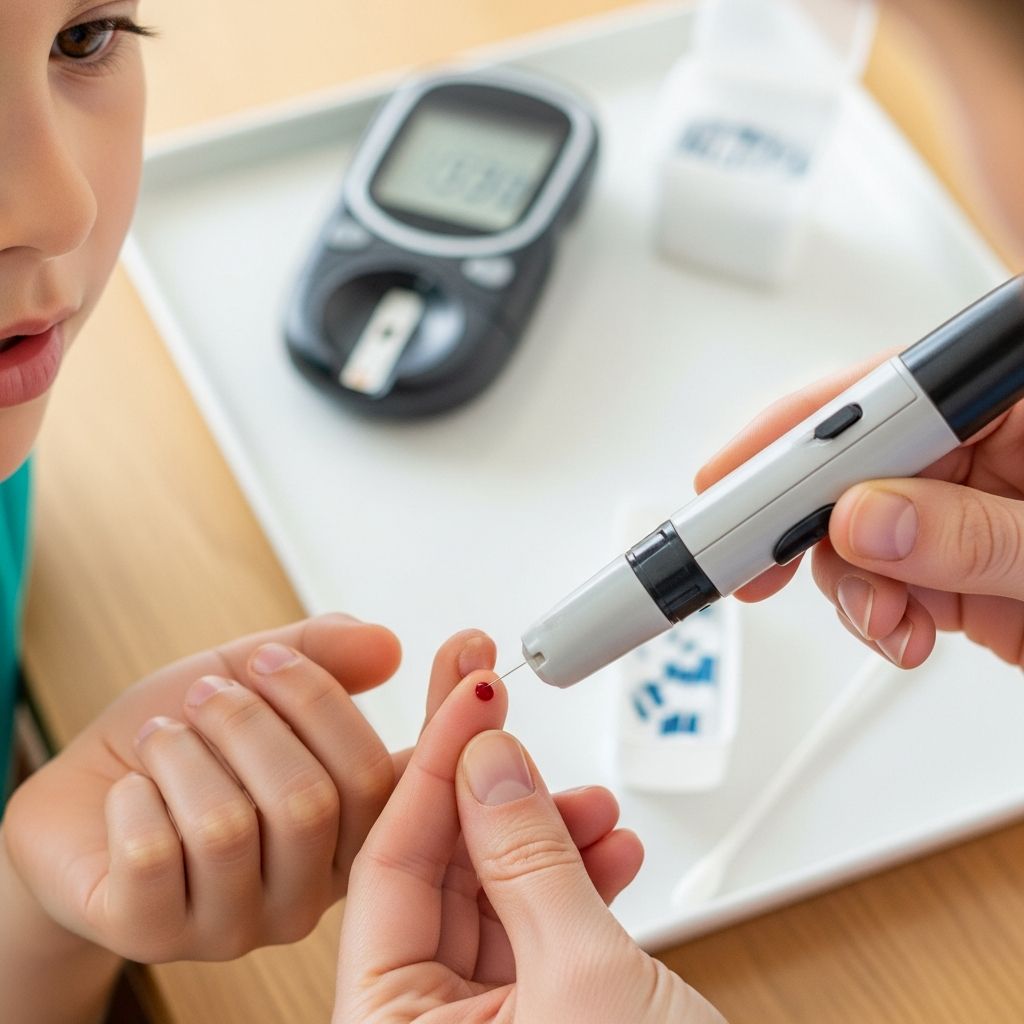
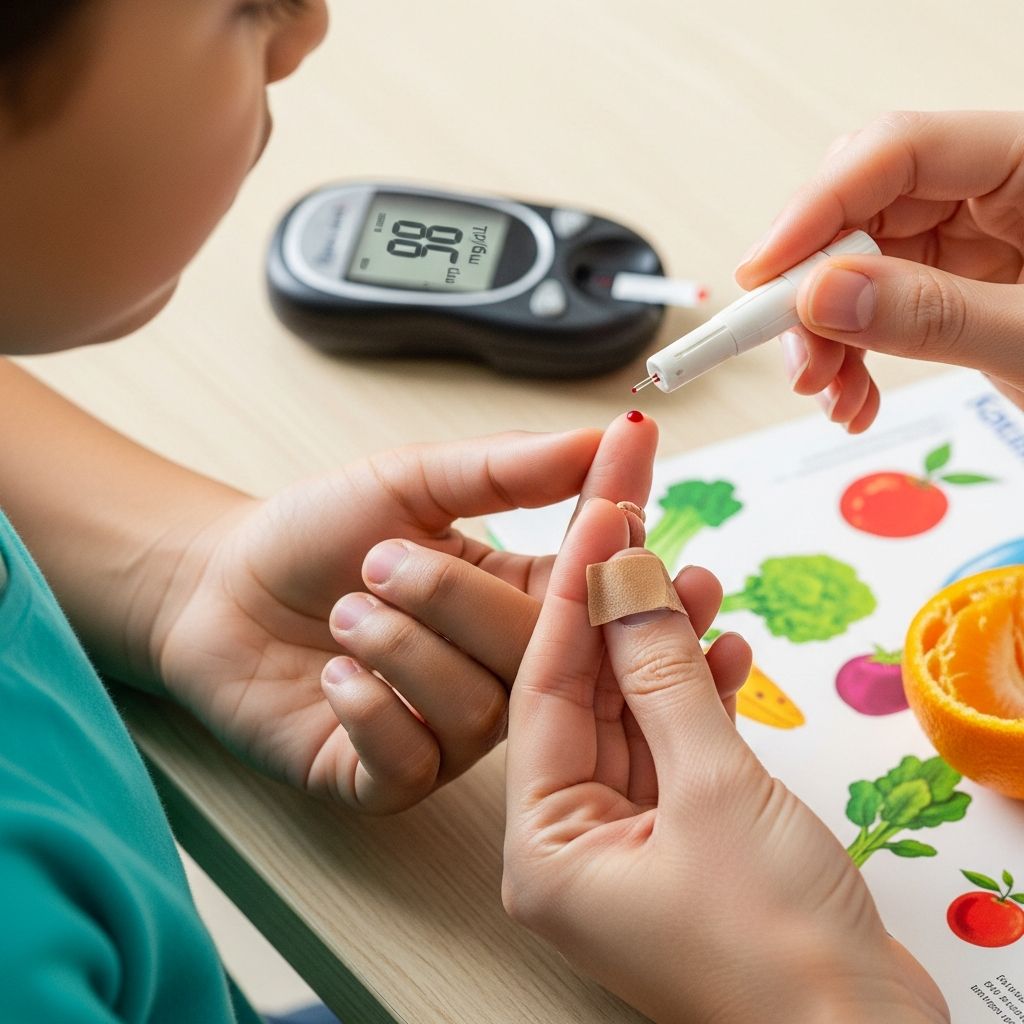
- Daily Challenges: Kids must monitor glucose frequently, calculate insulin doses, and manage diet to avoid highs or lows.
- Tech Tools: Insulin pumps deliver continuous doses via a catheter, while CGMs provide real-time readings to prevent complications.
- Emotional Toll: Stigma and feeling ‘different’ can impact self-esteem and adherence to care.
These devices, though life-improving, are not without hurdles—some cause skin issues or require constant upkeep, leading up to 30% of users to switch back to injections.
How Representation Shapes Young Minds
Seeing oneself in media and toys profoundly affects children’s self-perception. Research indicates that relatable representations enhance self-esteem, diminish stigma, and encourage better self-management for those with chronic conditions.
For T1D kids, a doll like this validates their experience: “It’s not just a medical burden; it’s part of a vibrant life.” Parents report it sparks classroom discussions, reducing misunderstandings and building peer support.
| Benefit | Impact on Children | Example |
|---|---|---|
| Self-Validation | Boosts confidence | Seeing CGM on a stylish doll |
| Education | Teaches peers empathy | Play scenarios explaining devices |
| Adherence | Improves management | Normalizing pump checks |
Collaborations Driving Authentic Design
Mattel teamed with Breakthrough T1D, a leading advocacy group, to craft this doll accurately. Robin Arzon, a Peloton instructor with T1D, and model Lila Moss contributed insights, ensuring the accessories were realistic yet playful.
Beyond T1D, Mattel’s autistic Barbie—featuring noise-cancelling headphones, fidget tools, and AAC tablet—shows a commitment to neurodiversity, developed with the Autistic Self Advocacy Network.
Real-World Stories of Inspiration
Families are mobilizing: One Nevada family launched a T1D Barbie toy drive, donating dolls resembling kids with diabetes to hospitals and schools, aiming to combat loneliness.
Adults with T1D, diagnosed young, share nostalgia-tinged joy: Purchasing the doll evokes validation absent in their childhoods, highlighting generational progress.
Critiques and Balanced Perspectives
Not all views are unanimous. Some argue the doll perpetuates Barbie’s ‘beauty-first’ image over substantive role models like advocate Mary Tyler Moore, and question pump realism given complications like infections or high costs without guaranteed benefits.
Yet proponents counter that visibility trumps perfection—it’s a tool for conversation, not idealization. Mattel’s mix-and-match accessories reinforce that T1D doesn’t define or limit.
Broader Implications for Health Education
This doll positions toys as public health allies. In schools, it could update outdated posters, integrating into curricula to teach about chronic illnesses alongside diversity.
For seniors and families, it bridges generations: Grandparents learn alongside grandkids, easing caregiving discussions.
- Play Therapy: Encourages emotional expression through dolls.
- Advocacy Boost: Amplifies calls for inclusive media.
- Market Shift: Signals toy industry’s move toward representation.
Practical Tips for Parents
Incorporate the doll thoughtfully:
- Start Conversations: Use play to explain T1D routines.
- Pair with Education: Resources from Breakthrough T1D offer guides.
- Encourage Customization: Swap outfits to show life’s fullness.
- Monitor Reactions: Watch for empowerment vs. fixation on devices.
Availability: Sold via Mattel and retailers, with proceeds indirectly supporting awareness.
Frequently Asked Questions (FAQs)
What makes this Barbie doll unique for T1D kids?
It includes removable insulin pump and CGM replicas, plus a diabetes awareness dress, allowing realistic play.
Is the doll medically accurate?
Yes, developed with Breakthrough T1D experts for authenticity in device portrayal.
How does it help with stigma?
By showing T1D as part of an active, stylish life, it normalizes devices and invites peer understanding.
Are there other inclusive Barbies?
Yes, including wheelchair, Down syndrome, blind, and autistic versions with sensory tools.
Where can I get one?
Online at Mattel.com or major retailers; check for toy drives locally.
Future Horizons for Inclusive Play
As T1D incidence climbs, expect more innovations: Dolls with advanced tech like closed-loop systems or diverse ethnic representations. Mattel’s trajectory suggests toys will increasingly serve as empathy engines, shaping healthier societies.
This doll isn’t just plastic—it’s a catalyst for confidence, connection, and change, proving play can heal.
References
- Barbie has an insulin pump and CGM too: Why representation in chronic illness matters — Healthy Debate. 2025-10-01. https://healthydebate.ca/2025/10/topic/barbie-insulin-pump-chronic-illness-representation/
- Could Autistic Barbie Help Improve Understanding? — Northeastern University News. 2026-01-15. https://news.northeastern.edu/2026/01/15/autistic-barbie/
- Mattel introduces first-ever Barbie doll with type 1 diabetes — KOMO News. N/A. https://komonews.com/news/entertainment/mattel-introduces-first-ever-barbie-doll-with-type-1-diabetes-health-chronic-autoimmune-condition-pancreas-insulin-hormone-sugar-glucose-breakthrough-t1d-inclusion-blue-circle-print-polka-dots-peloton-instructor-robin-arzon-model-lila-moss
- How Breakthrough T1D helped make the first Barbie doll with type 1 diabetes — MM+M Online. N/A. https://www.mmm-online.com/podcasts/breakthrough-t1d-barbie-doll-type-1-diabetes-podcast/
- How One Family is Helping Kids with T1D Feel Less Alone — Breakthrough T1D. 2026-01-08. https://www.breakthrought1d.org/nevada/2026/01/08/t1dbarbiedonation/
- Barbie® Introduces First-Ever Barbie Doll with Type 1 Diabetes — Mattel Corporate. N/A. https://corporate.mattel.com/news/barbie-introduces-first-ever-barbie-doll-with-type-1-diabetes-to-expand-representation-and-inspire-more-children
- Barbie Launches First Doll with Type 1 Diabetes — All Seniors Care. N/A. https://allseniors.org/articles/beyond-the-toy-box-why-the-new-barbie-with-type-1-diabetes-is-a-grand-development-for-seniors-and-families/