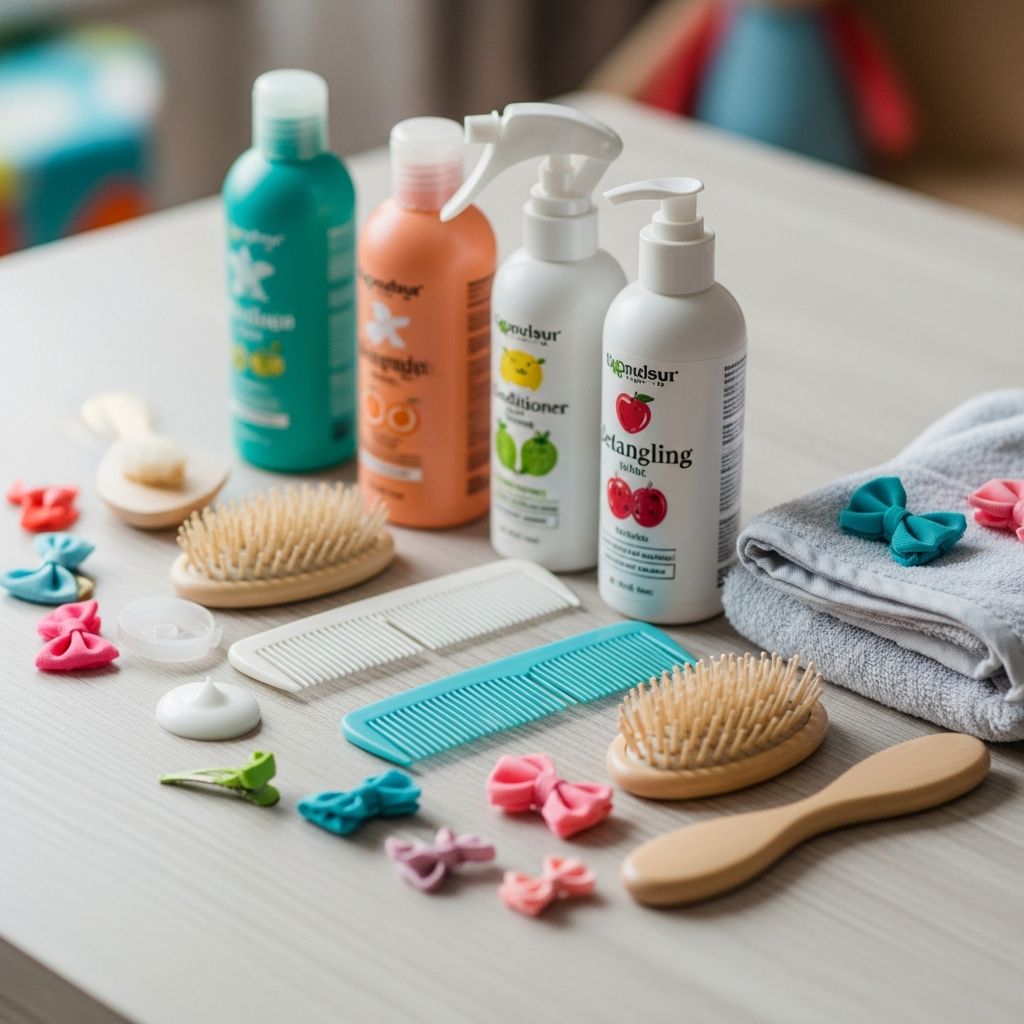
Keeping your child’s hair healthy involves understanding its unique qualities compared to adult hair. Children’s strands are typically finer, more fragile, and prone to tangles, dryness, or oiliness depending on type. Establishing age-appropriate routines fosters strong growth and simplifies daily grooming.
Why Children’s Hair Needs Special Attention
Young hair shafts are thinner and lack the resilience of mature hair, making them susceptible to breakage from rough handling or harsh products. Frequent exposure to sun, wind, and play increases vulnerability to environmental damage. Proper care prevents scalp irritation, promotes even growth, and builds good hygiene habits early on.
- Finer texture leads to easier tangling during sleep or activity.
- Scalp produces less sebum initially, causing potential dryness.
- Over-washing strips natural oils, while under-washing causes buildup.
Identifying Your Child’s Hair Type
Recognizing hair characteristics guides product and technique selection. Observe texture, curl pattern, and oil levels after a few days without washing.
| Hair Type | Key Traits | Care Focus |
|---|---|---|
| Straight | Fine, oily roots, flat pattern | Gentle cleansing to control grease |
| Wavy | Loose S-shape, frizz-prone | Moisture for definition |
| Curly | Tight coils, dry ends | Hydration and detangling |
| Coily | Zigzag pattern, very dry | Deep conditioning, minimal washing |
Straight hair often needs washing 2-3 times weekly to manage oil, while coily types thrive on less frequent cleanses to retain moisture.
Building a Daily Hair Care Routine
A consistent schedule balances cleanliness and protection. Aim for 2-3 washes per week, adjusting for activity and climate.
Cleansing Steps
Select tear-free, sulfate-free shampoos formulated for kids to avoid stripping oils. Massage into the scalp gently—avoid vigorous scrubbing of lengths to prevent friction damage. Rinse thoroughly to eliminate residue that causes itchiness.
- Use coin-sized amount for efficiency.
- Focus lather on roots, letting it rinse through ends.
- For toddlers, make it playful with songs or bubbles.
Conditioning Essentials
Apply conditioner to mid-lengths and ends post-shampoo, leaving it 1-2 minutes for absorption. Dry or textured hair benefits most, smoothing cuticles and easing combing. Curly varieties may need leave-in options for ongoing hydration.
Detangling Techniques
Tackle knots on damp, conditioned hair using wide-tooth combs or soft brushes. Start from ends, working upward to minimize pulls. Section thick hair with clips for control.
- Apply detangling spray or lightweight oil first.
- Finger-detangle curly sections gently.
- Braid overnight to reduce morning tangles.
Tailored Care for Different Ages
Newborns and Babies (0-12 Months)
Infant hair is sparse and delicate; wash 2-3 times weekly with mild products. Avoid daily baths to preserve scalp moisture. Pat dry gently—no rubbing.
Toddlers (1-3 Years)
Mobility brings dirt; maintain routine but introduce fun elements like “spa time.” Choose no-tears formulas and wide combs for emerging lengths.
School-Age Kids (4+ Years)
Involve children in routines to teach independence. Discuss hair types and tools, encouraging gentle habits like towel-wrapping wet hair.
Product Selection Guide
Prioritize gentle, kid-specific items free of harsh chemicals. Look for natural ingredients like oat extract or shea butter for nourishment.
- Shampoos: Mild, pH-balanced for scalp health.
- Conditioners: Lightweight, moisturizing without weigh-down.
- Oils/Sprays: Coconut, argan, or jojoba for slip and protection.
- Avoid adult products with sulfates or alcohols.
Styling and Protection Tips
Opt for low-maintenance cuts: layers for thick hair, even lengths for curls. Use soft bands to prevent breakage.
- Air-dry when possible; diffuse curls gently.
- Protect from sun with hats or UV sprays.
- Nightly braids or pineapple styles preserve patterns.
Addressing Common Hair Challenges
Dryness and Breakage
Counter with weekly deep conditioning and oils. Limit heat tools entirely.
Frizz and Tangles
Moisturize regularly; sleep on satin pillowcases to reduce friction.
Oily Scalp
Clarify monthly with gentle formulas; avoid touching hair often.
Scalp Issues
Massage during washes stimulates circulation. Consult pediatricians for persistent flaking.
Frequently Asked Questions
How often should I wash my child’s hair?
2-3 times weekly suffices for most; coily hair needs less to avoid dryness.
Is conditioner necessary for short hair?
Yes for dry or curly types to prevent breakage, even if short.
What tools are best for detangling?
Wide-tooth combs or detangling brushes on wet hair with conditioner.
Can I use adult products on kids?
No; they often irritate sensitive scalps. Stick to child-formulated options.
How do I make hair care fun for picky kids?
Incorporate games, mirrors, or rewards during routines.
Long-Term Benefits of Good Habits
Consistent care yields stronger, shinier hair and confident kids. It teaches self-care, reducing future damage from poor practices. Monitor changes and adapt as hair evolves through growth spurts.
References
- Baby & Toddler Hair Care & Styling Guide — Johnson’s Baby. Accessed 2026. https://www.johnsonsbaby.com/baby-tips/hair-care
- Gentle Hair Care for Babies, Toddlers, and Kids — Nurture Central. Accessed 2026. https://nurture-central.com/gentle-hair-care-for-babies-toddlers-and-kids-a-comprehensive-guide/
- Teaching your child healthy hair care habits — American Academy of Dermatology (AAD). Accessed 2026. https://www.aad.org/public/everyday-care/hair-scalp-care/hair/hair-care-habits
- Kid-Friendly Hair Care: What Every Parent Should Know — Tuco Kids. Accessed 2026. https://tucokids.com/blogs/haircare/the-importance-of-a-regular-haircare-routine-for-kids
- Helpful tips to Care For Your Kid’s Curly, Wavy, or Straight Hair — Aveeno. Accessed 2026. https://www.aveeno.com/journal/kids/tips-to-care-for-your-kids-hair
- Curly Kids: The Basic Guide to Natural Hair Care for Children — Curly Nikki. Accessed 2026. https://www.curlynikki.com/kid-curls-healthy-hair-care-tips-for.html