Walking into a cozy café with a toddler in tow can feel like a gamble: you want a peaceful coffee break, but your child wants to touch everything, explore loudly, and claim your drink as their own. Enter the babyccino: a tiny cup of warm, frothy milk that looks just like a grown-up coffee but is tailored for little kids.
This simple drink has quietly become a global parenting hack, helping families enjoy café culture together without the jitters of caffeine or the chaos of boredom. Below is a practical, parent-focused guide to understanding, ordering, and enjoying babyccinos as part of your everyday routine.
What Exactly Is a Babyccino?
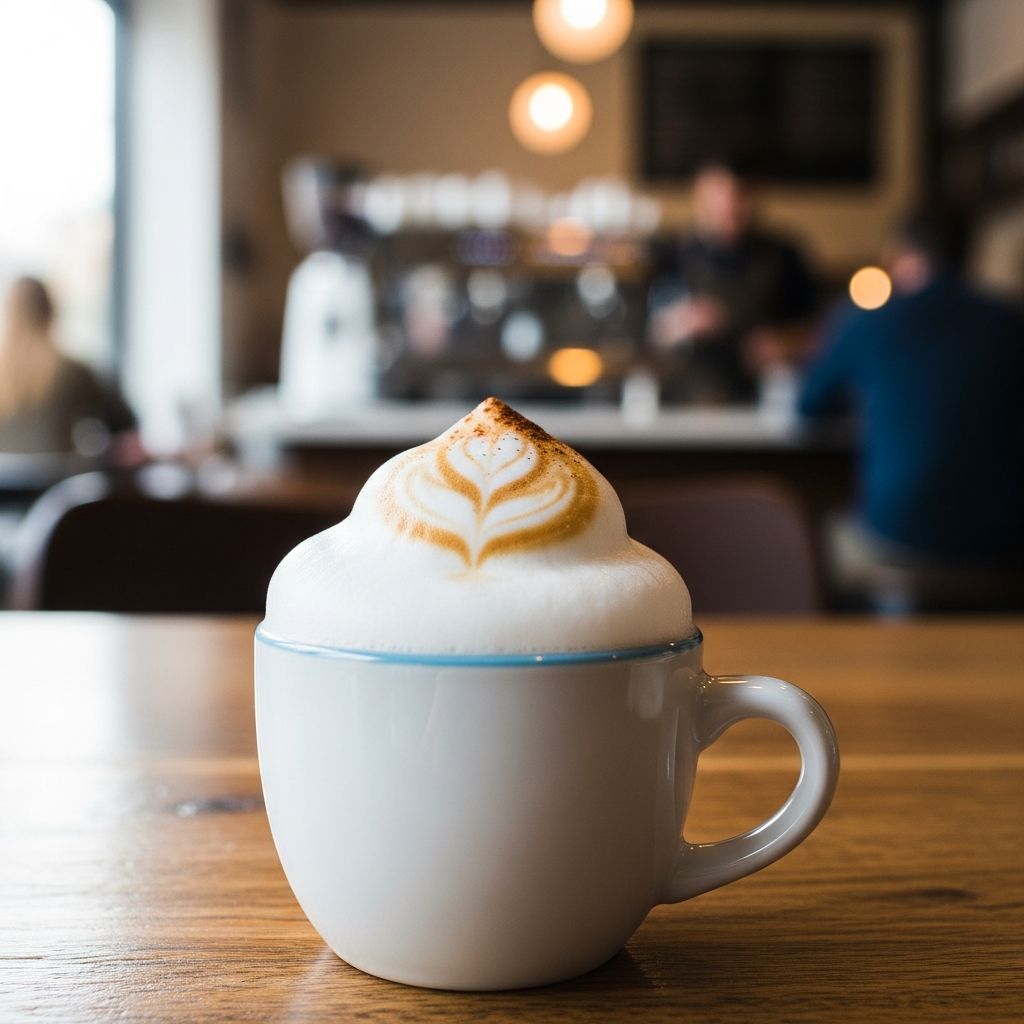
A babyccino is a small cup of steamed or frothed milk, usually topped with milk foam and a light dusting of cocoa or cinnamon, served to children so they can have their own “coffee-style” drink without caffeine. It mimics the look of a cappuccino but leaves out the espresso, making it a kid-friendly option that is mostly or entirely milk.
Different cafés prepare babyccinos in slightly different ways, but the general idea is the same: a warm, frothy, comforting drink served in a tiny cup, often with a bit of flair on top. Some baristas use only foam, others use a mix of warm milk and foam, and some add small extras like a marshmallow on the side.
Why Parents Love Babyccinos
The rise of the babyccino is not just about cute photos; it reflects how family life and café culture are blending. Parents are increasingly looking for ways to include kids in their routines instead of always arranging separate “kid-only” activities.
- It gives children a special drink of their own, reducing the urge to grab a parent’s hot coffee.
- It keeps little hands and minds occupied while adults enjoy a few quiet sips.
- It turns a quick coffee run into a shared ritual rather than a rushed adult errand.
For many families, a babyccino becomes a symbol of together time — a simple, repeatable moment of connection that fits easily into everyday life.
Typical Ingredients in a Babyccino
Because there is no strict global recipe, it helps to know what usually goes into a babyccino so you can ask questions or request tweaks for your child’s needs.
| Component | Common Options | Notes for Parents |
|---|---|---|
| Base | Cow’s milk, oat milk, almond milk, soy milk | Ask for your usual preferred milk; plant-based milks may froth differently. |
| Texture | Mostly foam, or a mix of warm milk plus foam | More foam can feel fun; more liquid can be easier for younger kids to drink. |
| Temperature | Warm, not hot | Request “kid’s temperature” or “extra cool” to avoid burns. |
| Toppings | Cocoa powder, cinnamon, sprinkles, mini marshmallow | Ask for no added sugar if you prefer a simpler version. |
| Caffeine | Usually none | If espresso is mentioned, request decaf or skip coffee entirely. |
Is a Babyccino Really Caffeine-Free?
In most cafés, babyccinos are prepared with milk only, with no espresso at all, which means no caffeine. However, a few places offer a version that includes a small shot of decaffeinated espresso for flavor, especially for older children.
If caffeine is a concern, it is always wise to double-check. A quick question like, “Is there any coffee in your babyccino, or is it just milk?” ensures you get exactly what you expect. If the café does use decaf, you can decide whether even a trace amount fits your comfort level.
Age and Readiness: When Can Kids Have a Babyccino?
There is no universal age requirement for babyccinos, but many parents wait until their child can safely handle a small open cup or properly use a straw or sippy lid. This often falls somewhere in the toddler to early school-age range.
- Toddlers: May enjoy a few spoonfuls of foam or a lukewarm sip with close supervision.
- Preschoolers: Often love having their own “coffee” in a tiny cup and can usually manage it with some help.
- Early elementary kids: Can treat it as their special drink while reading or drawing at the table.
As with any hot drink, the main safety considerations are temperature and spill risk. Asking for a cooler drink and choosing a stable cup can go a long way toward avoiding tears.
How to Order a Babyccino with Confidence
Not every café has “babyccino” printed on the menu, but many baristas know exactly what it is or can make something similar with what they have on hand. Clear communication is your best tool.
Sample Ways to Ask
- “Could you make a small cup of warm milk with extra foam for my child, no coffee?”
- “Do you offer babyccinos — just milk foam in a tiny cup?”
- “Can you steam some milk at kid temperature and top it with foam and a bit of cocoa?”
Many cafés charge a very small fee for a babyccino, and some even offer it for free as a gesture to families. Pricing can vary widely, so if cost matters, a quick “How much is that?” keeps surprises off your bill.
Designing a Babyccino Routine with Your Child
One of the biggest benefits of the babyccino is not just the drink itself, but the ritual around it. Children thrive on predictable, repeated experiences, and a café visit can become a reassuring routine rather than a chaotic event.
Consider turning “babyccino time” into a mini-tradition. Maybe every Saturday morning you and your child walk to the same café, they get their tiny frothy drink, and you share a few minutes of one-on-one time. Small routines like this create positive associations with calm behavior in public spaces.
Behavior Benefits: How Babyccinos Can Help in Cafés
When kids are given their own drink and feel included, they are often more willing to sit, watch, and participate quietly. A babyccino offers something to hold, taste, and talk about, which can distract from the urge to run laps around the café.
- Having their own cup reduces “Can I have some?” battles over your hot coffee.
- Waiting while the drink is prepared can become a quick lesson in patience.
- Sipping and savoring becomes a built-in activity during your coffee break.
Of course, no drink can guarantee perfect behavior, but a babyccino can shift the energy from “I’m bored” to “I have my own special treat” — a small but meaningful difference for both parent and child.
Health and Nutrition Considerations
From a nutrition standpoint, a basic babyccino is simply milk, which many families already serve at home. The main variables to think about are portion size, sweetness, and frequency.
- Sugar: Ask for no added syrups, whipped cream, or extra-sweet toppings if you want to keep sugar low.
- Allergies: Confirm what kind of milk and toppings are used, especially if your child is sensitive to dairy, nuts, or cocoa.
- Frequency: Treat babyccinos like any other special drink — occasional and enjoyable, not a daily necessity.
You can also choose smaller servings to keep things balanced. A demitasse or small espresso cup is often plenty for a young child and also helps manage spills.
How to Make a Babyccino at Home
You do not need a professional espresso machine to recreate the babyccino experience in your kitchen. With a bit of warm milk and effort, you can deliver the same “I have my own special drink” feeling at home.
Basic Home Babyccino Recipe
- Warm milk gently on the stove or in the microwave until it is warm but not hot.
- Froth the milk using a handheld frother, French press (pump the plunger up and down), or by shaking it in a heat-safe jar with a lid, then letting it rest a moment.
- Pour the warm milk into a tiny cup, then spoon foam on top to create a fluffy layer.
- If desired, lightly dust the top with cocoa powder or cinnamon, or add a single mini marshmallow.
For children who dislike very hot drinks, let the milk cool slightly before frothing. You can also experiment with different milks — such as oat or soy — to discover what your child enjoys most.
Fun Twists and Variations
Once you master the basic version, you can adapt the babyccino to match seasons, celebrations, or your child’s preferences. Small changes keep the experience novel without loading the drink with sugar.
- Vanilla scent: Add one or two drops of vanilla extract to the warm milk for a cozy aroma.
- Holiday style: Use a sprinkle of nutmeg or a pinch of colored sugar during special occasions.
- Bedtime twist: Serve a decaf, caffeine-free version in the evening with extra foam as a wind-down ritual.
Involving your child in adding toppings or choosing their cup can turn the process into an engaging activity, not just a drink you hand them.
Babyccinos Around the World
While the exact origin story of the babyccino varies, the concept has spread widely: coffee-loving cultures in different countries have embraced some version of a frothy milk drink for kids. In some places the drink arrives automatically with a parent’s order; in others, it is a specific menu item with its own price.
Local twists might include different toppings, serving vessels, or portion sizes. Some cafés lean into the trend with playful latte art on the foam, while others keep it minimal and rustic. No matter the style, the underlying idea is the same — making space for kids in what used to be an adults-only setting.
Etiquette Tips for Parents in Cafés
Even with a babyccino in hand, cafés are shared spaces, and a few simple habits can keep visits pleasant for both staff and other customers. Modeling respect goes hand in hand with enjoying your own break.
- Choose a table away from crowded walkways to minimize spills and collisions.
- Bring a quiet activity (book, crayons, small toy) to pair with the babyccino.
- Clean up major messes and acknowledge staff if they help with spills.
Children often mirror the tone set by the adult. When you treat the café like a calm, special place rather than a playground, the babyccino can reinforce that mood.
Frequently Asked Questions About Babyccinos
Are babyccinos safe for toddlers?
For most toddlers, a properly cooled babyccino made from milk they already drink at home is safe, as long as the temperature is comfortable and they are supervised while handling the cup. Always test the drink first to ensure it is warm rather than hot.
Do babyccinos always come without coffee?
Many cafés serve babyccinos as milk-only drinks, but a few add decaffeinated espresso for flavor in versions aimed at older kids. If you want to avoid even small amounts of caffeine, simply ask the barista to make it coffee-free.
How much should a babyccino cost?
There is no standard price. Some cafés offer them for free as a family-friendly perk, while others charge a small fee similar to a kid’s milk or hot chocolate. If you are unsure, check the menu or ask before ordering.
Can my child have more than one?
Because the drink is essentially milk, having a second babyccino is usually more about appetite and sugar content than about caffeine. If it includes sweet toppings, consider limiting it to one per visit or opting for a plainer second cup.
What if the café staff have never heard of a babyccino?
You can still request the same concept by describing it: a small cup of steamed or warm milk with foam on top, no coffee, ideally served at a kid-safe temperature. Most cafés with an espresso machine can improvise something very close.
Using Babyccinos to Build Meaningful Little Rituals
Beyond the novelty of a tiny foamy drink, babyccinos offer parents a way to slow down and share a simple pleasure with their children. They invite kids into café culture with a sense of respect and inclusion, turning an everyday errand into quality time.
Whether you order them occasionally as a treat or build them into a weekly tradition, babyccinos can become a small but memorable part of childhood — one tiny cup of foam at a time.