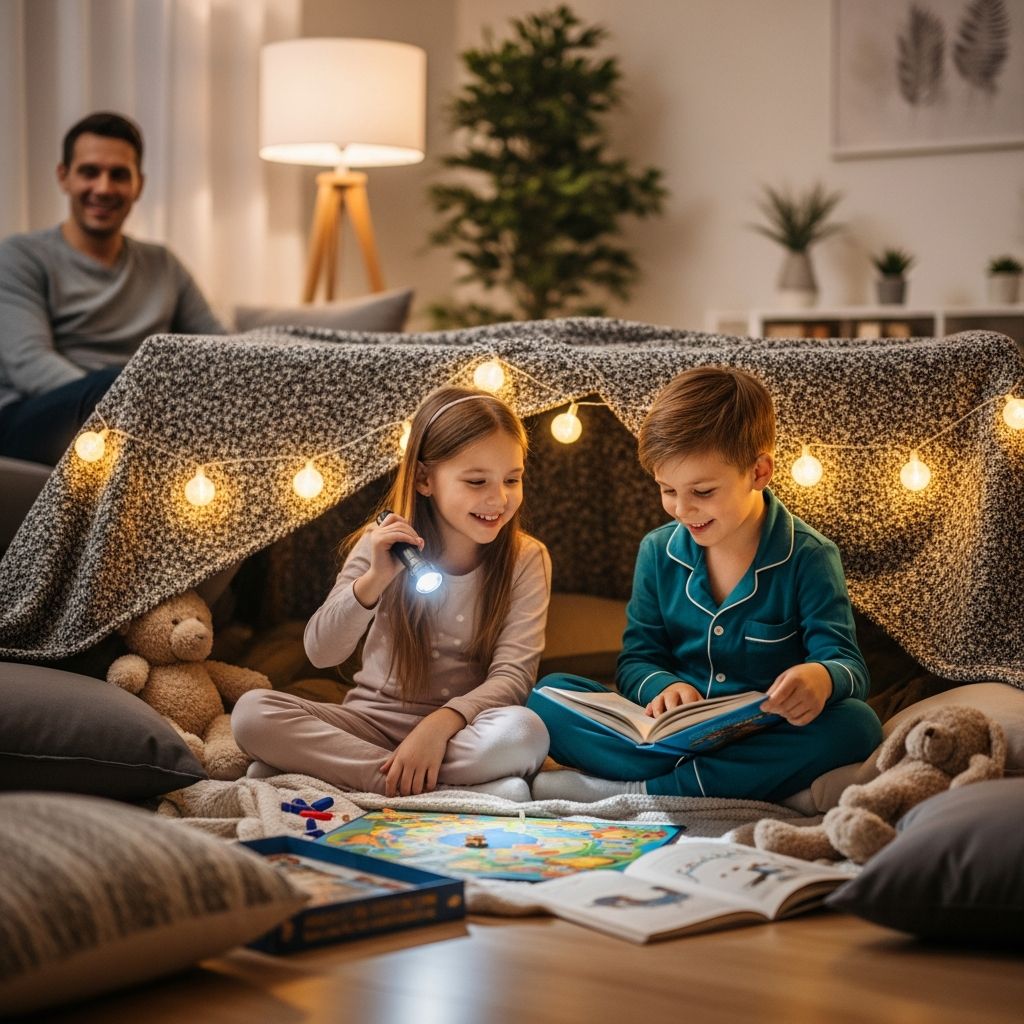
Your child’s first sleepover can feel like a big parenting milestone: half exciting, half terrifying. Done well, it becomes a warm memory for everyone involved instead of a night of chaos, sugar crashes, and no sleep at all. This guide walks you step by step through planning and hosting a successful first sleepover in your home, from deciding whether your child is ready to the moment the last guest is picked up in the morning.
Is Your Child Ready to Host?
Before sending invites, take an honest look at your child’s temperament and your own bandwidth. A sleepover is more than a late playdate; it stretches kids’ emotional and physical stamina.
- Emotional readiness: Does your child handle disappointments reasonably well, share toys, and recover from minor conflicts?
- Sleep habits: Can your child fall asleep without elaborate routines or long battles most nights?
- Comfort with guests: Is your child excited to have friends over and willing to include them in favorite activities?
- Your capacity: Do you have the time and energy to supervise, guide, and stay up later than usual?
If you or your child feel unsure, consider a “late-over” or “sleep-under” instead: friends come in pajamas, enjoy evening fun, and go home before bedtime.
Choosing Guests and Size of the Group
The guest list can make or break the experience. For a first sleepover, less is usually more.
- Start small: Invite one or two close friends who already get along with your child.
- Match ages: Keep the age range narrow; large gaps in age often lead to hurt feelings or boredom.
- Think about dynamics: Avoid inviting children who frequently clash or exclude others.
- Balance personalities: A mix of shy and boisterous kids is fine, but ensure no one is regularly the target of teasing.
Set a Simple Schedule (Without Overplanning)
Kids do best when there is a loose structure. Think of the night in phases rather than planning every minute.
| Time | Focus | Goal |
|---|---|---|
| 5:30–6:00 PM | Arrival & settling in | Kids feel comfortable, put belongings away, quick house tour. |
| 6:00–7:00 PM | Dinner | Everyone eats, chats, and warms up socially. |
| 7:00–8:30 PM | Games & active play | Burn off energy with structured and free play. |
| 8:30–9:30 PM | Calmer activity | Transition to night mode with crafts or a movie. |
| 9:30–10:00 PM | Bedtime routine | Pajamas, teeth, bathrooms, quiet chat, lights dim. |
Communicating Clearly With Other Parents
Transparent communication makes everyone more comfortable and prevents misunderstandings. When inviting guests, share key details up front in a message or printed note.
Include information such as:
- Drop-off and pick-up times
- Your address and a cell number
- Where children will sleep (living room, bedroom, etc.)
- Rough plan for activities and screens
- Any pets in the home
- What kids should bring (sleeping bag, pillow, favorite stuffed animal)
Invite parents to share allergies, medical needs, fears, or bedtime quirks in advance. A quick phone call or text exchange can answer questions and build trust.
House Rules Kids Can Actually Follow
Rules work best when they are short, specific, and repeated kindly. Go over them together soon after everyone arrives.
Core Rules to Consider
- Space rules: Which rooms are okay, and which are off-limits.
- Noise rules: Loud play is fine early; quiet voices after a certain time.
- Respect rules: No teasing about fears, pajamas, or belongings; no excluding others.
- Tech rules: Who can use devices, when, and what content is allowed.
- Safety rules: No going outside without an adult, no roughhousing on furniture.
Phrase rules positively when possible, such as “Use walking feet inside” instead of “Don’t run.” Children are more likely to remember and follow them.
Setting Up a Cozy Sleep Space
Where kids sleep shapes how secure they feel. For a first sleepover, keep everyone together in one shared sleeping area.
- Lay out sleeping bags, air mattresses, or cushions before guests arrive.
- Provide extra pillows, blankets, and a couple of soft night-lights.
- Have a clear path to the bathroom with a dim light on.
- Place a small trash can and box of tissues nearby.
- Set a basket with spare toothbrushes, toothpaste, and a few pairs of clean socks.
If your child has a favorite stuffed animal or blanket, encourage them to keep it with their own sleeping spot. Small comforts go a long way when everyone is out of routine.
Food and Snacks That Actually Work
Simple, familiar foods beat elaborate menus. Think about options that are easy to serve, easy to clean up, and unlikely to lead to sugar-fueled meltdowns.
Kid-Friendly Dinner Ideas
- Build-your-own mini pizzas with a few toppings
- Taco or burrito bowls with mild seasoning
- Pasta with red or plain butter sauce and a side of veggies
- Chicken tenders with salad or carrot sticks
Smart Snack Strategy
- Set a “snack window” so kids know when the kitchen closes for the night.
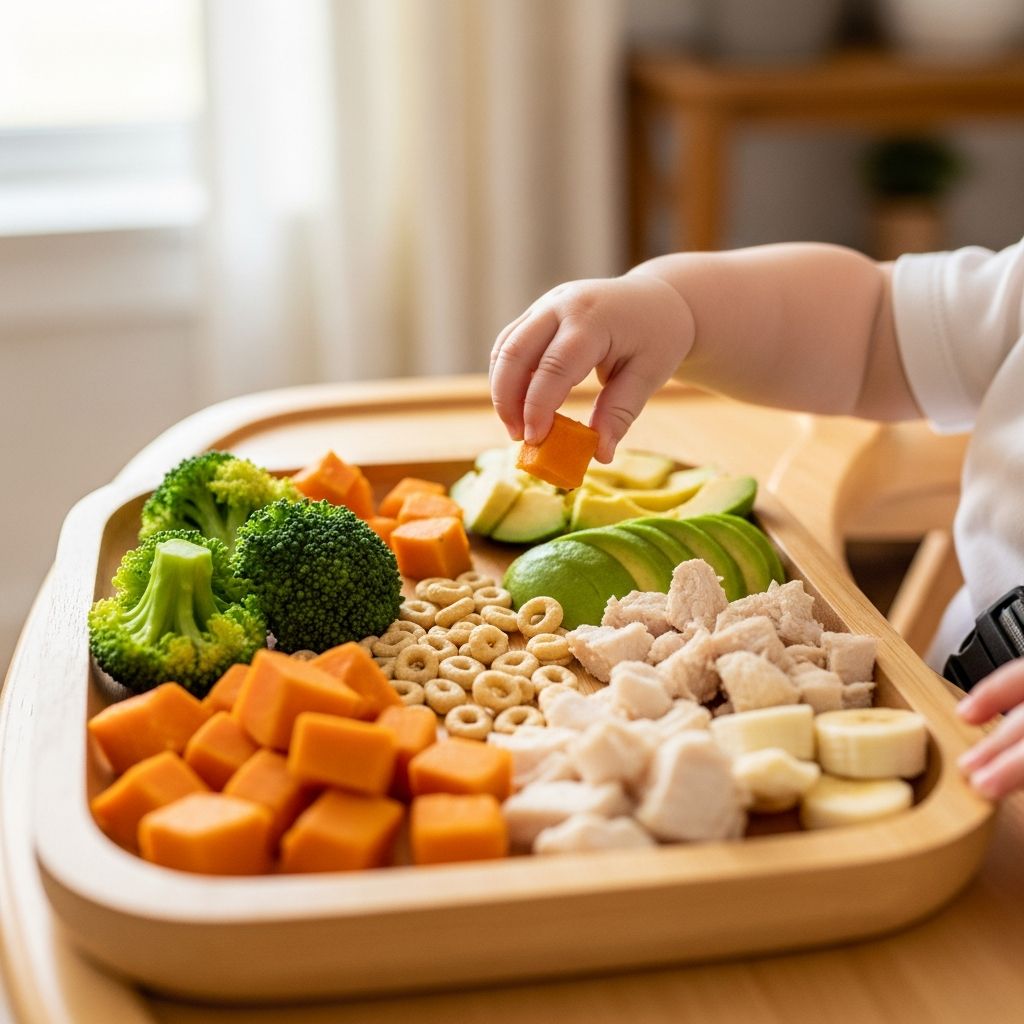
- Offer a snack tray: cut fruit, popcorn, pretzels, cheese cubes, and a small treat.
- Keep individual water bottles or cups labeled with names.
- Avoid bright-colored drinks and sticky candies that stain carpet and bedding.
Screen Time: Friend or Foe?
Screen time can be a fun part of a sleepover, especially a shared movie, but it should not take over the entire evening. Decide your boundaries before the first guest arrives.
- Choose age-appropriate movies or shows in advance.
- Turn off personal devices or collect them in a basket during group activities.
- Keep one device-free block of time for games, crafts, or conversation.
- Avoid scary or mature content that may increase nightmares or anxiety.
Depending on age, a single movie followed by a quiet activity often settles kids better than back-to-back shows.
Activities That Don’t Require a Craft Store Haul
The best sleepover activities are simple, low-cost, and flexible. Prepare a handful of options and follow the kids’ energy.
High-Energy Options (Early Evening)
- Treasure hunt or scavenger hunt around the house
- Obstacle course using cushions, chairs, and tape on the floor
- Dance party with a kid-friendly playlist
- Charades or acting out favorite characters
Calm-Down Options (Later Evening)
- Friendship bracelet making or bead crafts
- Drawing or coloring station with stencils
- Story circle where each child adds one sentence
- Quiet board games or card games for small groups
Have more activities than you think you need, but expect to drop or shorten some depending on how the night flows.
Guiding Kids Through Bedtime
Bedtime is often the trickiest part of a first sleepover. The goal is not a perfect eight hours of sleep; it is a reasonably calm, safe, and kind environment as everyone winds down.
- Give a 15–20 minute warning before shifting into bedtime mode.
- Ask everyone to change into pajamas and use the bathroom.
- Dim lights and switch to a quiet activity like a story, drawing, or soft music.
- Set a clear lights-out time and stick to it with gentle reminders.
- Remain nearby for the first 20–30 minutes after lights out to head off restless behavior.
Expect extra whispering and giggling. Steer behavior firmly but lightly rather than turning the night into a power struggle.
Handling Homesickness and Big Feelings
Homesickness is common, and one child’s tears can unsettle the whole group. Plan ahead for how you will respond.
Early Comfort Steps
- Offer a quieter corner with you for a short chat.
- Let the child hold a familiar item (their own or a spare stuffed animal).
- Suggest a quick call or message to their parent if that usually helps.
- Remind them what will happen in the morning to give a sense of time.
When a Pickup Is Best
Sometimes the kindest choice is to call a parent for pickup, especially if:
- The child is still very upset after multiple comfort attempts.
- Other children are starting to feel anxious or disturbed.
- The upset child is asking clearly to go home.
Present going home as an option, not a failure. A child can enjoy the evening part of several sleepovers before they are ready to stay overnight.
Safety and Health Essentials
A little preparation removes a lot of worry. Think through basic safety before the night starts.
- Ask about food allergies, asthma, or other medical needs in advance.
- Keep emergency contacts and any provided medications in a visible, secure spot.
- Check that exits are clear and doors or gates to unsafe areas are secured.
- Put away breakable items, small choking hazards, and sharp objects in common areas.
- Explain what to do and who to find if someone feels sick or scared.
Having a small first-aid kit and a flashlight handy can make minor bumps or fears easier to handle.
Morning-After Routine
The way the sleepover ends often shapes how everyone remembers it. Aim for a calm, predictable morning.
- Set a not-too-early wake time, unless kids naturally rise on their own.
- Offer a simple breakfast: cereal, fruit, toast, or pancakes.
- Encourage kids to pack their things and help with a tiny cleanup job.
- Have a low-key activity (drawing, building blocks, or a short show) while waiting for pickups.
Say a warm goodbye to each child and update parents on any important details, such as late-night calls home or minor disagreements that were resolved.
Helping Your Own Child Process the Experience
Once the house is quiet again, talk with your child about how it went. This builds social skills and sets expectations for future gatherings.
- Ask what they enjoyed most and least.
- Discuss any conflicts and how they were handled.
- Praise your child for specific helpful behaviors: sharing, comforting a friend, or cleaning up.
- Note any changes you both would like for the next time.
These debrief conversations help your child learn empathy, hospitality, and problem-solving.
Frequently Asked Questions About First Sleepovers
How old should a child be for a first sleepover?
There is no universal “correct” age, but many children are ready to try hosting or attending a sleepover between ages seven and ten. Focus less on age and more on how your child handles separation, follows rules, and manages big emotions.
How late should kids stay up?
For a first sleepover, aim for lights out between 9:30 and 10:30 PM, depending on age. Kids may whisper a bit longer, but setting a clear cut-off helps prevent total exhaustion and crankiness the next day.
What if no one sleeps?
It is unlikely that no one sleeps at all, but expect less sleep than usual. Remain calm, dim lights, and keep activities low-stimulation after a certain hour. If someone becomes disruptive, a quiet talk away from the group usually helps.
Should parents stay for the first sleepover?
For most school-age children, it works best if parents drop off and go, unless a child has particular needs that make a parent’s presence reassuring. However, encourage parents to come in briefly to see the setup and share any last-minute information.
How do I say no to a sleepover invitation?
If your family is not ready for sleepovers, it is perfectly acceptable to decline. You can offer an alternative like a playdate, an afternoon hangout, or a “late-over” and keep your explanation simple and kind.
Turning a First Sleepover Into a Positive Tradition
Hosting your child’s first sleepover can be messy, noisy, and far from picture-perfect, but it is also an opportunity to teach kindness, hospitality, and flexibility. With clear expectations, a little structure, and plenty of empathy, you can make the experience enjoyable for both kids and adults—and set the stage for many more fun nights to come.