The fourth week with a newborn can feel like a turning point: your baby is more awake and expressive, and you are slowly learning each other’s rhythms. This guide walks through what typically happens around four weeks of age and offers practical tips to make daily life a little easier.
What Changes Around Four Weeks?
By four weeks, most babies are still in the newborn stage but are becoming more alert and interactive. You may notice your baby looking at your face more often, making small sounds, and showing clearer patterns of feeding and sleeping. Every baby is unique, so treat these descriptions as a gentle reference, not a checklist your baby must meet exactly.
- Some babies appear more fussy or “gassy” this week as their digestive system continues to mature.
- Growth spurts are common and can temporarily change feeding and sleep patterns.
- Parents are often tired and emotional at this point, which is normal and very common.
Physical Growth and Body Changes
During the fourth week, many babies continue to gain weight steadily, often several hundred grams over the course of the month, depending on their birth weight and feeding pattern. Their limbs may start to look less curled, and movements slowly become smoother, although jerky motions are still completely normal.
| Area | What You Might Notice | When to Ask the Doctor |
|---|---|---|
| Weight and length | Baby usually has regained birth weight and is gaining steadily; clothes may feel more snug. | Baby is not gaining weight, is feeding poorly, or seems unusually sleepy or weak. |
| Skin | Dry patches, peeling skin, or small pimples on the face (often called baby acne) are common. | Rash that spreads quickly, blisters, oozing, or baby seems unwell or has a fever. |
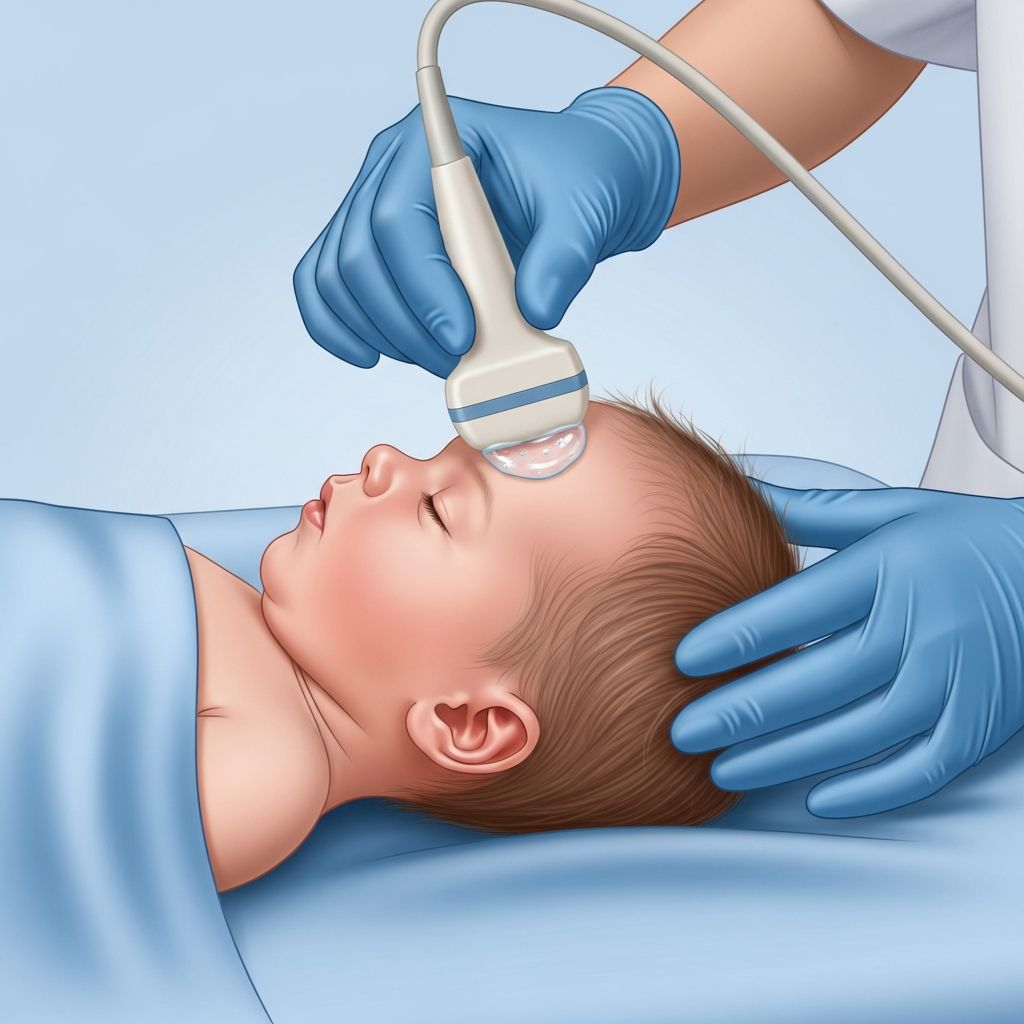
| Head and fontanelle | Soft spots on the head are still open and may gently rise and fall with baby’s breathing. | Fontanelle looks very sunken (possible dehydration) or bulges strongly while baby is calm. |
| Umbilical area | Cord stump is usually gone; a small dry scab or slightly pink area may remain. | Redness spreading outward, foul smell, or yellow-green discharge. |
Early Developmental Skills
At four weeks, development is mostly about small, subtle changes rather than dramatic milestones. Your baby’s nervous system is still maturing, and many movements are reflexive, but a few early skills often start to appear more clearly.
- Head control: During a few seconds of tummy time, baby may briefly lift or turn the head.
- Vision: Baby can usually focus best at the distance of your face while you hold them.
- Hearing: Familiar voices, especially caregivers, may grab baby’s attention more than other sounds.
- Hands and arms: Hands are often in fists, but baby may sometimes bring them toward the mouth.
Do not worry if your baby is not doing all of these things in the same week. What matters most is steady progress over time and your sense that baby is slowly becoming more alert and responsive.
Feeding Your Four-Week-Old
Feeding remains a central part of life at this age. Whether you breastfeed, formula-feed, or use a combination, your baby will likely feed many times over 24 hours. The pattern can still feel unpredictable, but some families begin to notice stretches of slightly more regular timing between feeds.
Typical Feeding Patterns
- Many babies feed every 2–4 hours, though some cluster their feeds in the evening.
- Growth spurts can make baby seem constantly hungry for a few days.
- Spitting up small amounts of milk is common as long as baby is comfortable and gaining weight.
Instead of watching the clock, pay attention to your baby’s hunger cues: rooting, turning toward the breast or bottle, sucking on hands, or becoming more alert and restless. Crying is usually a late hunger sign, so offering a feed earlier in the sequence can sometimes help prevent very frantic crying.
Diapers as a Feeding Check
Wet and dirty diapers give a good picture of how feeding is going overall. By four weeks, many babies have multiple wet diapers a day, and the number and texture of bowel movements can vary widely, especially between breastfed and formula-fed infants.
- Contact your health provider if there are very few wet diapers, very dark urine, or a sudden change in stool with other signs of illness.
- Occasional grunting or making faces while passing gas or stool is normal; intense, shrill crying with a hard belly deserves medical advice.
Sleep: What Is Normal at Four Weeks?
Sleep at four weeks is still quite unpredictable. Most babies sleep in short stretches around the clock, waking frequently to feed. You may start to see slightly longer stretches of sleep at night, but it is still early for consistent overnight sleep.
- Many newborns sleep a large portion of each 24-hour period, with wakeful times scattered between naps.
- Babies this age usually cannot stay happily awake longer than about one to one-and-a-half hours at a time.
- Overtired babies often become harder to settle, not easier, so watching for early sleep cues can help.
Common early sleep cues include slowed movements, looking away from stimulation, yawning, rubbing the face, or becoming fussy after a short time awake. Starting a brief wind-down routine at the first signs of tiredness can make a big difference.
Simple Soothing and Sleep Habits
You do not need a strict schedule yet, but you can gently introduce patterns that support healthy sleep later on. Think of it as giving your baby repeated, calm signals that sleep time is approaching.
- Dim lights, speak softly, and reduce noise during nighttime feeds and diaper changes.
- Choose one or two calming steps before some naps and most nights, such as a brief cuddle, soft singing, or swaddling if your baby likes it.
- Place baby on the back to sleep on a firm, flat sleep surface with no pillows, loose blankets, or stuffed toys.
Understanding Crying and Fussiness
Many parents notice crying peak somewhere between three and six weeks of age. Crying can be exhausting and worrying, especially when you have tried everything you can think of. Remember that crying is a baby’s main way to communicate discomfort, overstimulation, or a need for closeness.
Common Reasons for Crying
- Hunger or thirst.
- Tiredness or overstimulation.
- Gas, a dirty diaper, or being too hot or too cold.
- Needing comfort after a sudden noise or change of environment.
Sometimes babies cry even when all their needs appear met. In these moments, holding, rocking, or wearing your baby in a carrier can offer comfort. It is acceptable to ask for help, trade off with another caregiver, or place your baby safely in the crib for a few minutes while you take a short breather if you feel overwhelmed.
Play, Bonding, and Early Learning
Although your baby is still tiny, every gentle interaction is a kind of play and learning. Short periods of face-to-face time and simple activities help build your baby’s brain and deepen your connection.
- Face time: Hold baby close and talk in a calm, sing-song voice. Pause often so baby can look and listen.
- Tummy time: Place baby on the tummy on a firm surface while awake and watched, even for a minute or two at a time.
- Gentle touch: Stroke baby’s arms, legs, and back, or offer different safe textures like a soft cloth or your shirt.
- Singing and reading: Your baby does not understand the words yet, but the rhythm, tone, and repetition are soothing and stimulating.
Keep stimulation brief and simple. If baby looks away, arches, or fusses, it may be time to pause and try again later. At this age, short, frequent moments of connection are often more effective than long play sessions.
Health Checkups and Vaccines
Many families have a checkup around the one-month mark, though timing can vary by location and provider. During this visit, the healthcare professional typically measures weight, length, and head size, checks reflexes and muscle tone, and answers your questions.
- Bring a list of any concerns, including feeding, sleep, rashes, or crying patterns.
- Ask how your baby’s growth compares with their previous measurements, rather than focusing on comparison with other babies.
- Use this visit to discuss the recommended vaccine schedule and how to prepare for upcoming shots.
Warning Signs That Need Prompt Care
Most four-week-olds are healthy, but some symptoms deserve quick attention. Trust your instincts; if something feels wrong, it is always appropriate to contact a healthcare provider.
- Fever as defined by your provider for this age group.
- Difficulty breathing, rapid breathing, or a bluish tinge around lips or face.
- Poor feeding, very few wet diapers, or unusual lethargy.
- Persistent vomiting (more than simple spit-up) or green-colored vomit.
Taking Care of Yourself as a Parent
The fourth week can be emotionally intense. The initial adrenaline of the early days has often faded, and fatigue can feel heavy. Looking after yourself is not a luxury; it directly supports your ability to care for your baby.
- Accept offers of practical help with meals, chores, or errands when you can.
- Try to rest when someone else can safely watch the baby, even if that means a short nap instead of tackling household tasks.
- Share honestly with trusted people about how you are feeling, including frustration or sadness.
- If you notice persistent low mood, anxiety, or intrusive thoughts, reach out to a health professional who understands postpartum mental health.
Sample Day With a Four-Week-Old
Every baby is different, but it can be comforting to see how a typical day might unfold. The goal is not to copy a schedule exactly but to see how feeding, sleep, and awake time can weave together.
| Time of Day | What Might Happen |
|---|---|
| Early morning | Baby wakes, feeds, has a short awake period, then returns to sleep. |
| Late morning | Another feed, brief tummy time or cuddling, then another nap. |
| Afternoon | Several cycles of feeding, awake time, and naps, sometimes with a longer nap. |
| Evening | More frequent feeds or “cluster feeding,” often with increased fussiness. |
| Night | Multiple wakings to feed and return to sleep in shorter stretches. |
Even small predictable rituals—like a brief cuddle and a phrase you repeat before bed—can help create a sense of security for both you and your baby within this flexible structure.
Frequently Asked Questions
Is my baby sleeping too much or too little?
Newborn sleep varies widely, and many four-week-olds sleep a large portion of the day in short stretches. If your baby wakes for feeds, has several wet diapers, and seems alert during brief awake times, that is usually reassuring; if your baby is extremely difficult to wake or does not feed well, contact a healthcare provider.
How long should tummy time last at this age?
Short, frequent sessions work best for most babies, starting with just a minute or two several times a day. You can gradually build up as your baby becomes stronger and more comfortable, always supervising closely and stopping if baby becomes very upset.
Is it possible to spoil a four-week-old?
Responding to a newborn’s cries and offering lots of holding and comfort do not create bad habits. At this age, babies cry to express needs and to seek safety, and consistent, loving responses help them feel secure and build trust.
Why is my baby fussier in the evening?
Many babies have a regular fussy period later in the day, often combined with more frequent feeding. Gentle rocking, walking, or using a soft carrier, dimming lights, and reducing noise can sometimes help ease this time for both baby and caregivers.
When will things feel more predictable?
Each baby’s timeline is different, but many families start to notice more regular patterns in feeding and sleep over the next few weeks. Focusing on gradual routines, watching your baby’s cues, and seeking support when needed can help the days feel more manageable as your baby grows.
As you move through this fourth week, remember that caring for a newborn is demanding work, and there is no single “right” way to do it. Staying flexible, following your baby’s cues, and reaching out for help when you need it are all signs of strong, responsive parenting.