Sleep sacks have become a go-to sleep solution for many families because they keep babies comfortably warm without the risks that come with loose blankets in the crib. Instead of wrestling with swaddles or tucking in blankets that never stay put, a well-fitted sleep sack offers a simple, safer way to help your little one rest better.
This guide walks through everything parents need to know—what a sleep sack is, why it can support safer sleep, how to pick the right size and fabric, and what to look for at each age and stage from newborn through toddlerhood.
What Exactly Is a Sleep Sack?
A baby sleep sack is a wearable blanket that goes over your child’s sleepwear to provide warmth and comfort without covering the face. It typically has armholes or sleeves, a neck opening, and a zippered or snap-closure pouch that surrounds the torso and legs.
Unlike traditional blankets, a sleep sack is designed to stay on your baby throughout the night, reducing the risk of loose bedding bunching around the head or getting kicked off. The result is a consistent sleep environment that doesn’t change every time your baby wiggles.
Why Many Parents Prefer Sleep Sacks Over Blankets
Several health and safety organizations advise keeping the crib free of loose blankets, pillows, and stuffed animals for infants, which is one major reason parents turn to sleep sacks. These wearable blankets add warmth while keeping the sleep surface clear.
On a practical level, sleep sacks also make bedtime more predictable. The familiar feel and routine of zipping into a sleep sack can act as a powerful cue that it is time to wind down, which is especially helpful when building bedtime routines.
Key Benefits at a Glance
- Helps maintain a consistent level of warmth without loose covers.
- Reduces the need to readjust blankets during the night.
- Provides a familiar signal that it is time for sleep.
- Often easier to use than complex swaddling techniques.
- Available in multiple sizes and warmth levels for year-round use.
Understanding TOG Ratings and Room Temperature
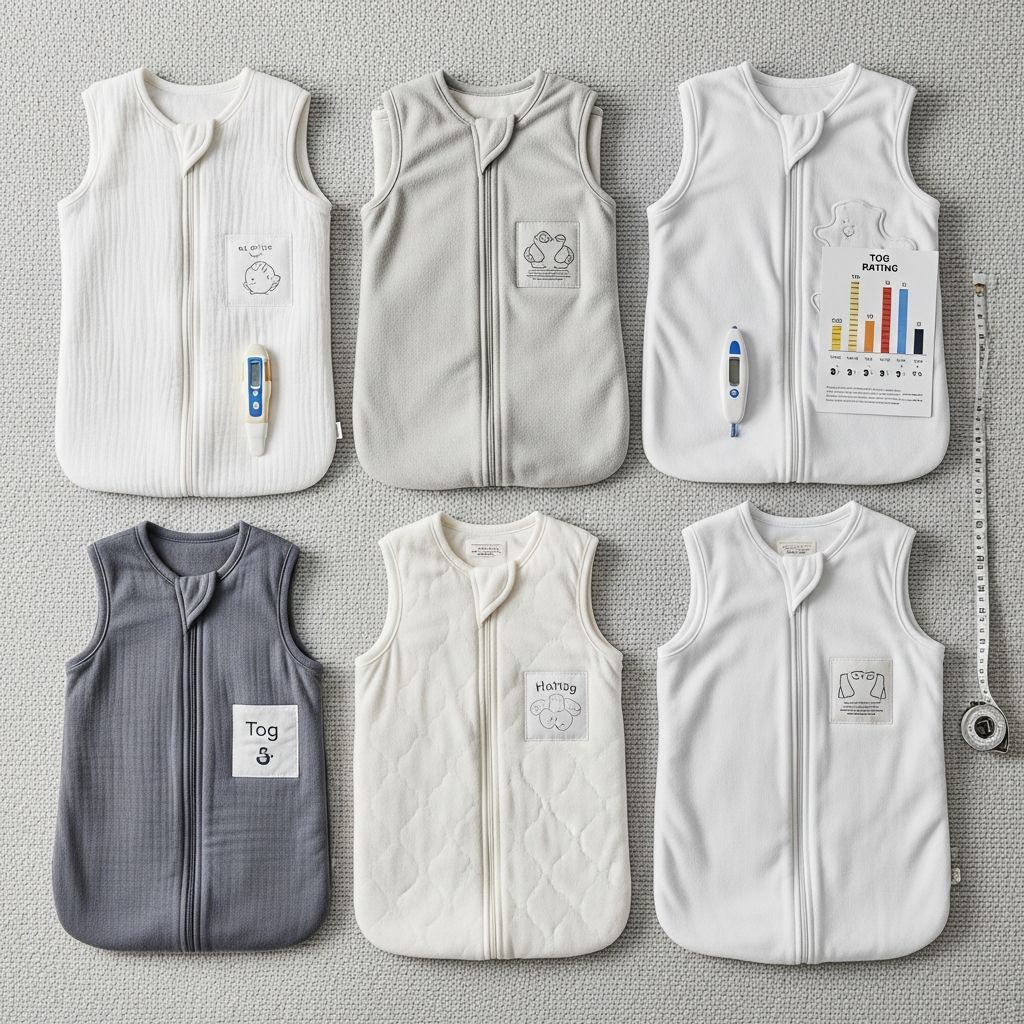
One of the first things you will see when shopping for a sleep sack is the TOG rating. TOG is a measure of thermal insulation that indicates how warm the garment is likely to be. Lower TOG numbers are lighter and better for warm rooms; higher TOGs are thicker and better for cooler environments.
Parents do not need to become scientists about TOG, but having a rough understanding helps ensure that baby is not overdressed or underdressed. It is usually better to add or subtract a layer of clothing under the sack than to size up or down in TOG too dramatically.
Typical TOG Ranges and Use
| TOG Rating | Approx. Room Temperature | Common Use |
|---|---|---|
| 0.2–0.5 | Warm rooms (around 23–25°C / 73–77°F) | Lightweight option for summer or hot climates |
| 1.0 | Moderate rooms (about 20–23°C / 68–73°F) | Everyday option in many homes, especially spring and fall |
| 2.5 | Cool rooms (about 16–20°C / 61–68°F) | Warmer sack for colder nights or drafty homes |
Manufacturers sometimes provide dressing guides that pair TOG levels with suggested clothing layers, such as a short-sleeve bodysuit or long-sleeve pajamas. These charts are helpful starting points, but parents should still check their baby’s chest or back of the neck periodically to ensure they feel comfortably warm, not sweaty or chilled.
Materials and Fabrics: What Feels Best and Works Well
The ideal fabric for one family may not be right for another, depending on climate, personal preferences, and baby’s skin sensitivity. Some parents prioritize natural fibers, while others prefer the durability and easy care of synthetic blends.
Regardless of fiber type, it is helpful to choose fabrics that feel soft, breathable, and gentle against delicate skin. Certifications for low-chemical or organic production can offer additional reassurance if your baby has sensitive skin.
Common Sleep Sack Fabrics
- Cotton: A popular natural fiber that is breathable and easy to wash, available in lightweight weaves for summer or quilted versions for cooler seasons.
- Bamboo or viscose from bamboo: Often very soft and slightly stretchy, with good breathability, though the fabric can be more delicate.
- Merino wool blends: Known for excellent temperature regulation, helping keep baby warm without overheating across a range of conditions.
- Fleece or synthetic blends: Cozy and warm for colder rooms, though they may trap more heat, so careful layering and monitoring are important.
Types of Sleep Sacks by Age and Stage
Not all sleep sacks are the same. What works well for a newborn may not be the best choice for an active toddler who loves to stand and cruise around the crib. Thinking about age and developmental stage makes it easier to narrow the options.
Below is a general overview of how sleepwear often evolves from birth into the toddler years, and what kinds of sacks parents might consider during each phase.
Newborn Stage: Swaddle-Style Sleep Sacks
In the first weeks, many babies sleep best when their arms and torso feel snug, mimicking the cozy confinement of the womb. Swaddle-style sleep sacks combine a pouch with wings or panels that wrap around baby’s body to limit the startle reflex.
- Designed for babies who are not yet rolling from back to stomach.
- Often use hook-and-loop, snaps, or zippers to secure the swaddle.
- Transition versions may allow both arms in, one arm out, or both arms out.
Transitional Stage: From Swaddle to Arms-Free
Once baby shows signs of rolling, it is time to move away from tightly swaddled arms to allow freer movement and safer positioning. Transitional sacks are designed to bridge this change without abandoning the cozy feeling entirely.
- Some provide snug torsos with removable wings or adjustable arm openings.
- Others offer lightly restricted sleeves that soften the startle reflex while allowing rolling.
- Parents usually use these between roughly 2–6 months, depending on development.
Infant and Older Baby Stage: Classic Sleep Sacks
Once baby is fully arms-free and rolling comfortably, many families switch to classic, sleeveless or short-sleeve sleep sacks that leave arms and hands uncovered. These allow plenty of movement while still keeping the body and legs warm.
- Available in multiple TOG ratings, from very light to winter-weight.
- Typically used between about 4 months and 18–24 months.
- Some include features like two-way zippers for easy diaper changes.
Toddler Stage: Walkable or Footed Sleep Sacks
As toddlers begin to stand and walk, some parents prefer sleep sacks designed with foot openings or extra room to accommodate movement. These can be especially useful for children who move to a floor bed or who like to stand in the crib.
- Often sized up to 2–3 years or beyond, depending on the brand.
- May include leg separations or cuffed feet so toddlers can safely walk.
- Still act as a visual reminder that nighttime or nap time routines have begun.
How to Choose the Right Size
A properly sized sleep sack should fit comfortably around the neck and arm openings without gaping or slipping over the face. At the same time, there should be enough length and width in the lower portion for natural hip and leg movement.
Most brands size their sacks by age and weight or height, but these ranges can vary. When in doubt, parents should prioritize the manufacturer’s height and weight recommendations over age alone, and avoid sizing up too aggressively just to “get more use” out of the product.
Quick Sizing Tips
- Check that the neckline sits at or below baby’s collarbone, not near the chin.
- Ensure armholes are snug but do not pinch or restrict circulation.
- Confirm that baby can comfortably bend and kick their legs within the sack.
- Reassess fit every few months, especially during growth spurts.
Helpful Design Features to Look For
At first glance, sleep sacks can appear similar, but small design choices often make a big difference in everyday use. Thinking about diaper changes, night feedings, and how your baby sleeps will help you decide what matters most.
- Two-way zippers: Allow diaper changes from the bottom without fully removing the sack.
- Zippers that open from top to bottom: Can be convenient for quickly securing a wiggly baby.
- Protective zipper covers: Prevent the zipper pull from rubbing against baby’s chin or mouth.
- Underarm snaps or adjustable shoulders: Provide a better fit as baby grows.
- Machine-washable materials: Essential for frequent use and inevitable spit-up or diaper leaks.
- Hip-healthy design: A wide, roomy lower section so baby’s legs can fall into a natural “frog” position.
Safety Considerations When Using a Sleep Sack
Although sleep sacks support safer sleep habits, they still need to be used correctly. Parents should follow the manufacturer’s age, size, and usage guidance, and continue to follow safe sleep recommendations from pediatric professionals.
Carefully inspecting the sack before bedtime—checking for loose threads, broken zippers, or worn fabric—can catch issues before they become problems. It is also important to monitor room temperature and how warm your baby feels rather than relying on clothing labels alone.
Simple Safety Checklist
- Choose the correct size for your baby’s current weight and height.
- Keep the crib free of other loose blankets, pillows, and stuffed toys.
- Lay baby down on their back for sleep, unless a healthcare provider advises otherwise.
- Check your baby’s chest and back of the neck to gauge if they are too hot or too cold.
- Stop using swaddle-style sacks with arms in as soon as baby attempts to roll.
Daily Life With Sleep Sacks: Practical Tips
Once parents find a sleep sack they like, it quickly becomes part of the nightly rhythm. A few simple strategies make it easier to keep that routine running smoothly, from laundry planning to packing for travel.
Thinking ahead helps avoid last-minute scrambles when the favorite sack is in the wash and bedtime is fast approaching.
Make Sleep Sacks Work for Your Routine
- Keep at least two: Having a backup ensures you are covered when one is in the laundry or an overnight leak occurs.
- Introduce gradually: For newborns moving from a traditional swaddle, start with naps to help them adjust to a new feel.
- Use as a sleep cue: Put on the sleep sack near the end of your bedtime routine so baby associates it with winding down.
- Pack for travel: Bringing the familiar sack on trips can help your child settle more easily in new environments.
- Monitor wear and tear: Replace sacks that no longer zip smoothly or show significant thinning or holes.
Sample Sleep Sack Choices by Scenario
Every baby and home is different, so there is no single “best” sleep sack for all situations. However, it can be helpful to think through common scenarios and what type of sack might fit each one.
| Scenario | What to Prioritize | Sleep Sack Features to Consider |
|---|---|---|
| Newborn not rolling yet | Gentle containment and easy nighttime changes | Swaddle-style sack with adjustable wings and a bottom zipper |
| Baby beginning to roll | Safe arms-out sleeping | Transitional design with removable wings or arms-out options |
| Older baby in a mild climate | Breathability and everyday comfort | Sleeveless 1.0 TOG sack in cotton or bamboo blend |
| Toddler in a cool room | Warmth without overheating | Thicker TOG sack or merino blend with roomy lower section |
| Toddler in a floor bed | Freedom to walk safely | Walkable or footed sleep sack with non-slip soles |
Frequently Asked Questions About Baby Sleep Sacks
1. When can a baby start using a sleep sack?
Babies can use sleep sacks from the newborn stage, as long as the product is specifically designed for their age and size. Some sacks are swaddle-style for the earliest weeks, while others are made for arms-free use and may be labeled for slightly older infants.
2. Are sleep sacks safer than blankets?
Sleep sacks reduce the presence of loose fabric in the crib, which is one reason many pediatric groups recommend wearable blankets over traditional covers in infancy. While no product can guarantee safety, correctly sized, properly used sleep sacks align more closely with modern safe sleep guidelines than loose blankets do for young babies.
3. How do I know if my baby is too hot or too cold?
Checking your baby’s chest and the back of the neck is often more reliable than feeling the hands or feet, which can naturally feel cooler. If your baby is sweating, flushed, or breathing rapidly, they may be too warm; if their chest feels cool and they seem unsettled, you may need an additional layer or a higher TOG sack.
4. What should my baby wear under a sleep sack?
The right base layer depends on the room temperature and the sack’s TOG rating. For example, in a moderate room with a mid-weight sack, many parents use a simple cotton bodysuit or lightweight pajamas, while cooler rooms might call for long sleeves or an additional layer.
5. When should we stop using a sleep sack?
There is no strict age at which sleep sacks must be retired, and many toddlers use them well past their second birthday. Families often transition away from sacks once their child is confidently using a bed, can handle blankets independently, and no longer seems to benefit from the added sleep cue.
6. Can my baby stand or walk in a sleep sack?
Many babies learn to stand and cruise around the crib even in classic, non-footed sleep sacks, though their steps may be small and cautious. If your child spends time standing or walking before bed or after waking, a model with leg openings or feet can offer more stability.
Final Thoughts for Tired Parents
Choosing a sleep sack does not need to be overwhelming. Focusing on a few key questions—your baby’s age, your home’s usual temperature, and which features fit your routine—often leads quickly to a good fit.
Above all, remember that the “best” sleep sack is the one that safely keeps your baby comfortable and helps your family get more rest. Once you find that combination, the simple act of zipping into the sack can become one of the most reliable parts of your bedtime routine.