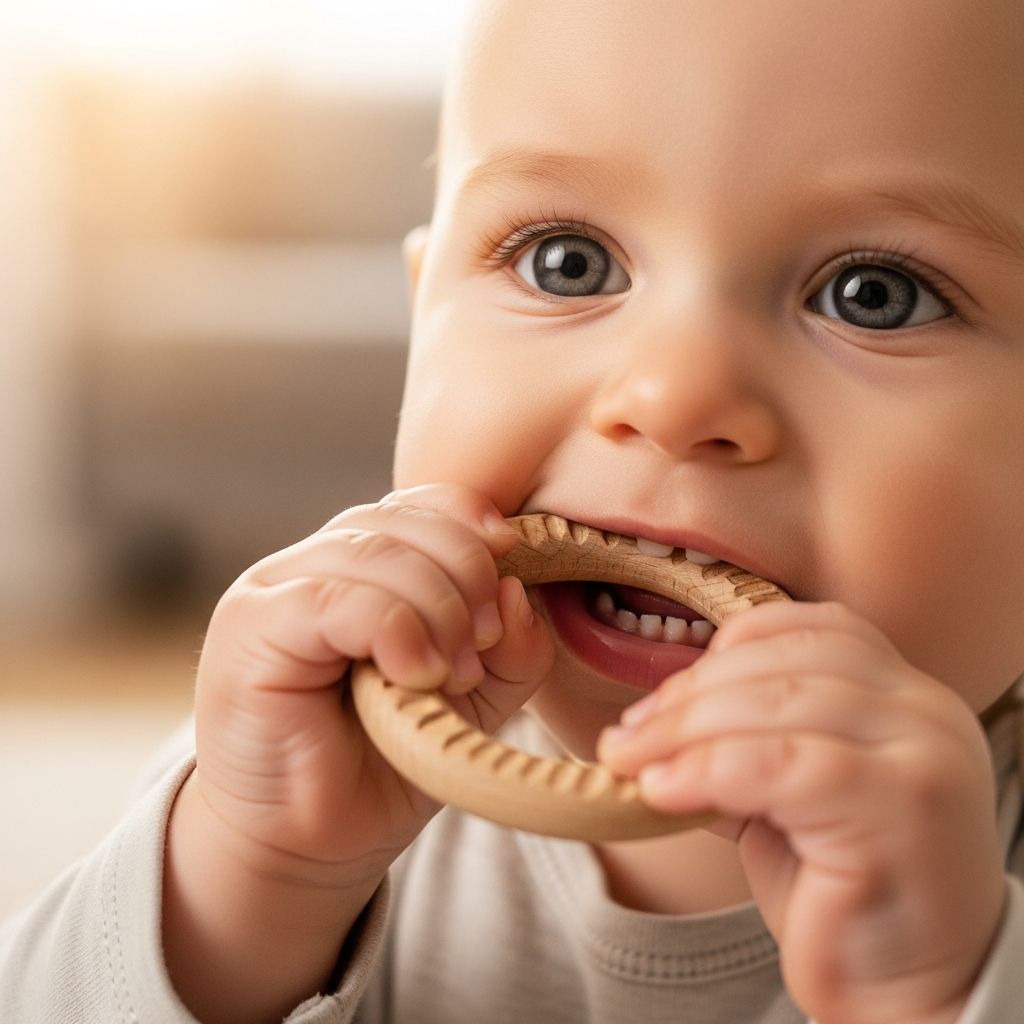
Teething marks a key milestone in an infant’s growth, as the first set of primary teeth emerges through the gums, typically starting around 6 months of age. This process, which can extend up to 3 years until all 20 baby teeth appear, often brings temporary discomfort but is a natural step toward better chewing and speech development.
Understanding the Teething Timeline
The emergence of primary teeth follows a predictable pattern, though individual variations occur. Most infants begin between 4-10 months, with the full set completing by age 3.
- 6-12 months: Lower central incisors (bottom front teeth) arrive first, often followed by upper central incisors.
- 9-16 months: Lateral incisors fill in the spaces beside the central ones on both upper and lower jaws.
- 13-19 months: First molars emerge, aiding in grinding food.
- 16-23 months: Canines appear between incisors and molars.
- 23-33 months: Second molars complete the set.
Symptoms may precede a tooth’s breakthrough by 3-5 days and linger briefly afterward, with some children experiencing waves of discomfort over weeks.
Recognizing Teething Indicators in Infants
Parents often notice behavioral and physical changes signaling teething. These cues help differentiate it from other issues like illness.
| Common Sign | Description |
|---|---|
| Excessive Drooling | Babies produce more saliva, leading to chin rash or wet clothing. |
| Gum Swelling/Tenderness | Gums appear red, puffy, or sensitive to touch. |
| Irritability/Fussiness | Increased crying, especially during sleep or feeding. |
| Chewing/Biting | Desire to gnaw on fingers, toys, or hard objects to relieve pressure. |
| Sleep Disruptions | Trouble settling or frequent night wakings. |
| Mild Ear/Cheek Rubbing | Infants tug at ears or rub cheeks due to referred gum pain. |
Less common signs include temporary appetite dips or loose stools, but high fever, severe diarrhea, or rash beyond drool contact warrant medical checks, as they may indicate infection rather than teething.
Safe and Effective Ways to Ease Discomfort
Focus on gentle, non-invasive methods to numb gums and provide counter-pressure. Always prioritize safety by supervising use and avoiding hazards.
- Gum Massage: Use a clean finger or cool spoon to rub gums firmly yet softly, offering immediate relief.
- Chilled Items: Refrigerate (never freeze) teething rings, pacifiers, or damp washcloths for soothing coolness without gum damage.
- Solid Foods for Older Infants: Offer chilled purees, cucumber slices, or soft carrots under watch to prevent choking.
- Teething Toys: Choose firm rubber options free of liquids or breakable parts; chill for added effect.
- Distraction and Comfort: Extra cuddles, rocking, warm baths, or play divert attention and promote relaxation.
- Pain Relief Medication: Consult a pediatrician for age-appropriate acetaminophen or ibuprofen doses during peak discomfort.
Maintain hydration to manage excess saliva, and clean drool-prone areas to prevent skin irritation.
Debunking Persistent Teething Myths
Misconceptions can lead to unsafe practices. Evidence shows teething does not cause high fevers over 100.4°F (38°C), vomiting, or significant illness.
- Myth: Teething Gels Are Always Safe. Avoid numbing gels with benzocaine due to risks like methemoglobinemia; non-medicated options or professional advice preferred.
- Myth: Amber Necklaces Soothe Pain. These pose choking and strangulation dangers; no proven benefits.
- Myth: Whiskey on Gums Helps. Alcohol harms developing brains; never use.
Stick to pediatrician-recommended strategies for safety.
Promoting Oral Health from the Start
Teething introduces the first teeth, setting the foundation for lifelong hygiene. Begin care immediately.
- Wipe gums and teeth daily with a soft, damp cloth or infant toothbrush using water (fluoride toothpaste after 6 months per dentist guidance).
- Schedule the first dental visit by age 1 or first tooth eruption to monitor alignment and catch issues early.
- Avoid sugary drinks or bottles in bed to prevent decay.
Primary teeth guide permanent ones, so protecting them matters.
Variations in Teething Experiences
Not all babies follow the exact schedule; some start at 3 months, others near 12. Premature infants or those with conditions like Down syndrome may teethe later. Track patterns and consult professionals if no teeth by 18 months or persistent severe symptoms.
By 3 years, most have full primary dentition, transitioning to mixed teeth around age 6.
Frequently Asked Questions About Baby Teething
What is the usual age for first teeth?
Typically 6 months, ranging from 3-12 months.
How long does each teething episode last?
About 3-5 days per tooth, though full process spans 2-3 years.
Can teething cause fever?
Mild warmth possible, but fevers above 100.4°F need evaluation.
Are liquid-filled teething rings safe?
No; they risk leakage or breakage—opt for solid rubber.
When to see a dentist?
By first birthday or first tooth; sooner for pain or delays.
References
- Baby’s First Tooth: Teething Signs, Symptoms & Remedies — Tylenol. 2023. https://www.tylenol.com/children-infants/pain-relief/baby-teething
- Navigating Your Child’s Teething Schedule: Milestones and Tips — Metro Pediatric Dental. 2024. https://metropediatricdental.com/resources/navigating-your-childs-teething-schedule-milestones-and-tips/
- Teething (Teething Syndrome): Symptoms & Tooth Eruption Chart — Cleveland Clinic. 2023-10-24. https://my.clevelandclinic.org/health/articles/11179-teething-teething-syndrome
- The Complete Guide to Baby Teething — Duffy Dental Ranch. 2024. https://www.duffydentalranch.com/blog/the-complete-guide-to-baby-teething.html
- A Guide To Children’s Teething — McLean Pediatric Dentistry. 2023. https://mcleanpediatricdentist.com/blog/2735542-a-guide-to-childrens-teething/
- How Long Does Teething Last? Parent’s Guide — Pediatric Dentist Houston Texas. 2024. https://www.pediatricdentisthoustontexas.com/how-long-does-teething-last-and-when-to-consult-a-dentist/
- Teething tips: New information for parents — Texas Children’s Hospital. 2023. https://www.texaschildrens.org/content/wellness/teething-tips-new-information-parents