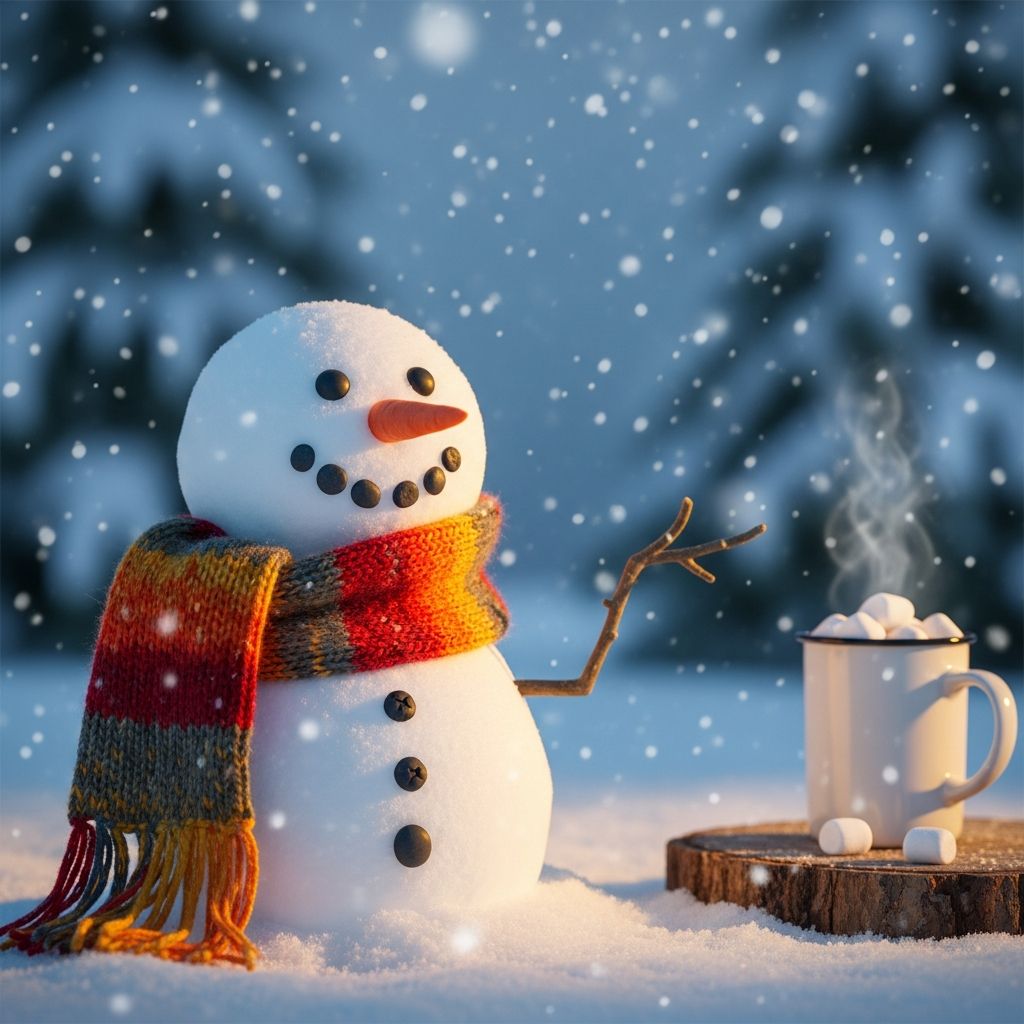
Bringing Warmth Through Winter Wit
When the wind howls and the world turns white, laughter becomes one of the best ways to stay warm. Winter jokes, with their frosty puns and snowy wordplay, are more than just silly one-liners—they’re shared moments that connect families, classrooms, and friends. Whether you’re gathered around a fireplace, waiting for the school bus, or just trying to survive another snow shoveling session, a well-timed joke can turn a chilly day into a memorable one.
This collection isn’t about repeating the same old punchlines. Instead, it’s about reimagining winter humor in a way that feels fresh, inclusive, and genuinely fun for everyone. From clever snowman scenarios to icy animal antics, these jokes are designed to spark smiles without relying on anything inappropriate or overused.
Why Winter Humor Works for All Ages
Winter jokes have a unique charm because they tap into universal experiences: snow days, cold noses, mittens that never stay on, and the eternal mystery of why snowmen always seem to be missing their carrots. These shared moments make winter humor instantly relatable, no matter how old you are.
For children, winter jokes are often their first introduction to puns and wordplay. A simple line like “What do snowmen call their kids?” followed by “Chill-dren” teaches them how language can be playful. For adults, these same jokes become a form of lighthearted nostalgia, a reminder of simpler times when the biggest concern was whether the snow was deep enough for a good snowball fight.
What makes winter jokes especially effective is their ability to break tension. In a classroom, a teacher might use a snow pun to ease the mood before a test. At home, a parent might toss out a joke to distract from the chaos of getting everyone dressed for recess. In both cases, the humor serves a deeper purpose: it builds connection and makes the cold season feel a little cozier.
Building a Family-Friendly Joke Repertoire
Creating a go-to set of winter jokes doesn’t require memorizing dozens of lines. Instead, focus on a few categories that can be adapted and expanded over time. This approach keeps the humor feeling spontaneous rather than rehearsed.
- Snowman Stories: Snowmen are the stars of winter humor. Play with their anatomy (carrots, coal, scarves), their behavior (melting, partying, traveling), and their relationships (family, pets, jobs).
- Animal Antics: Penguins, polar bears, reindeer, and even squirrels in the snow offer endless opportunities for puns and silly scenarios.
- Weather Wordplay: Cold, ice, snow, frost, and wind are all rich sources of puns. Think about how these words sound and what they remind people of.
- Everyday Winter Life: School, commuting, shoveling, and staying warm are all relatable topics that can be turned into gentle, observational humor.
When sharing jokes with kids, keep the language simple and the punchlines clear. For mixed-age groups, layer the humor so that younger listeners enjoy the silliness while older ones appreciate the wordplay. The goal is to make everyone feel included, not to test who gets the joke first.
Original Winter Jokes for Kids and Grown-Ups
Here’s a fresh set of winter-themed jokes that avoid the most overused lines while still capturing the spirit of the season. These are crafted to be clean, clever, and easy to remember.
Snowman Shenanigans
- What do you call a snowman who loves to dance? A snow-shaker.
- Why did the snowman start a band? Because he had great snow-manship.
- What’s a snowman’s favorite type of movie? Anything with a happy thaw-ending.
- How does a snowman travel across town? On a snow-mobile.
- What do you call a snowman who’s always telling stories? A snow-fable.
Animal Antics in the Snow
- Why don’t penguins ever get lost in the snow? Because they always follow the flock.
- What do you call a polar bear that loves to tell jokes? A polar-humorist.
- Why did the reindeer bring a ladder to the North Pole? He heard the reindeer games were on a higher level.
- What do squirrels do when they’re cold? They go nuts for warmth.
- Why did the fox wear a scarf in the snow? Because he didn’t want to be a cold-fox.
Weather and Winter Wordplay
- What’s the coldest continent’s favorite game? Freeze tag.
- Why was the math book so cold? It had too many problems to solve.
- What do you call a snowstorm that tells jokes? A blizzard of puns.
- Why did the cloud feel so embarrassed? It had a snow-cone on its head.
- What do you call a snowflake that’s always late? A slow-flake.
Everyday Winter Life
- Why did the student bring a ladder to school in winter? To reach the high notes in the choir.
- What do you call a slow skier? A slope-poke.
- Why did the bicycle fall over in the snow? Because it was two-tired.
- What do you call a winter vacation that’s too short? A snow-day dream.
- Why did the chef open a restaurant in the snow? Because he wanted to serve cool dishes.
Using Jokes to Connect Across Generations
One of the most powerful aspects of winter jokes is their ability to bridge age gaps. A grandparent, parent, and child can all laugh at the same snowman pun, even if they’re experiencing it in slightly different ways. This shared laughter becomes a small but meaningful act of bonding.
In multigenerational homes or family gatherings, jokes can serve as icebreakers. A simple “What do you call a snowman with a six-pack?” followed by “An abdominal snowman!” can spark a chain of laughter and even inspire others to share their own favorite winter puns. Over time, these jokes can become family traditions, passed down like recipes or holiday rituals.
For educators and caregivers, winter jokes are also valuable tools for building community. A teacher might start each winter morning with a joke of the day, while a camp counselor might use snow puns to keep energy high during outdoor activities. The key is consistency and enthusiasm—when adults show that they enjoy the humor, children are more likely to engage with it.
Knock-Knock Jokes for Winter Gatherings
Knock-knock jokes are a classic format that works especially well in group settings. They’re easy to remember, interactive, and perfect for involving even the shyest participants. Here are a few winter-themed variations that feel fresh and fun.
- Knock, knock.
Who’s there?
Snow.
Snow who?
Snowbody’s home but me—let me in! - Knock, knock.
Who’s there?
Ice.
Ice who?
Ice to see you in the snow! - Knock, knock.
Who’s there?
Frost.
Frost who?
Frost a little, it’s cold out here! - Knock, knock.
Who’s there?
Chill.
Chill who?
Chill out, it’s just a snowball fight! - Knock, knock.
Who’s there?
Blizzard.
Blizzard who?
Blizzard of fun, open up!
These can be adapted on the spot based on the audience. For younger kids, keep the punchlines simple and physical (like pretending to shiver). For older kids and adults, add a bit more wordplay or exaggeration to keep the humor engaging.
Winter Jokes in Different Settings
Winter humor isn’t just for living rooms and snow days. It can be tailored to fit a variety of environments, from classrooms to workplaces to holiday parties.
| Setting | Best Joke Types | Tips for Delivery |
|---|---|---|
| Classroom | Snowman puns, animal jokes, weather wordplay | Use as a transition between activities; keep them short and clear. |
| Family Dinner | Knock-knock jokes, everyday winter life jokes | Encourage everyone to share one joke; keep the tone light and inclusive. |
| Workplace | Weather puns, gentle snow-related humor | Avoid anything too childish; focus on relatable winter experiences. |
| Playdate or Party | Silly animal jokes, snowman antics, knock-knock jokes | Use props like scarves or mittens to make the jokes more engaging. |
Frequently Asked Questions About Winter Jokes
Are winter jokes only for children?
No, winter jokes can be enjoyed by people of all ages. The key is choosing the right type of humor for the audience. Kids tend to love silly, exaggerated scenarios, while adults often appreciate clever wordplay and puns. Many winter jokes work well for mixed groups because they’re simple enough for children but witty enough for grown-ups.
How can I make winter jokes more engaging for kids?
To make winter jokes more engaging, try adding actions, voices, or props. For example, when telling a joke about a snowman, you might pretend to roll a snowball or wear a scarf. Using different voices for animals or snowmen can also make the jokes more fun. Letting kids help create their own winter jokes is another great way to keep them involved.
Can winter jokes be educational?
Absolutely. Winter jokes often rely on puns, homophones, and wordplay, which can help children develop language skills. Teachers and parents can use them to reinforce vocabulary, explore rhyming patterns, and discuss how words can have multiple meanings. Jokes about animals and weather can also tie into science lessons about habitats, seasons, and climate.
What makes a good winter joke?
A good winter joke is clear, clean, and connected to something familiar—snow, cold, winter animals, or seasonal activities. It should have a simple setup and a punchline that’s easy to understand. The best winter jokes are those that make people smile without requiring a long explanation, and that can be enjoyed again and again.
How often should I use winter jokes with kids?
Winter jokes work best when used in moderation and in the right context. A joke at the start of a lesson, during a transition, or as a bedtime ritual can be delightful. Overusing them or forcing them into every conversation can make them lose their charm. The goal is to use humor to enhance connection, not to turn every moment into a comedy routine.
Creating Your Own Winter Jokes
Once you’ve built a small collection of favorite winter jokes, the next step is to start creating your own. This is a fun activity for families, classrooms, or even solo brainstorming sessions. Here are a few simple strategies to get started:
- Start with a winter word: Pick a word like snow, ice, cold, frost, or winter, and think of other words that sound similar or rhyme with it.
- Think about winter activities: Skiing, sledding, building snowmen, drinking hot chocolate, and shoveling snow are all rich sources of joke ideas.
- Use familiar joke structures: Questions and answers, knock-knock jokes, and “What do you call…” formats are easy to adapt to winter themes.
- Involve others: Ask kids, friends, or coworkers to help come up with jokes. Group brainstorming often leads to the most creative results.
Remember, the goal isn’t to create perfect, professional-level comedy. It’s to have fun with language and to create moments of shared laughter that make the winter season feel a little brighter.
Final Thoughts: Laughter as a Winter Essential
Just as we layer up with coats, hats, and mittens to stay warm, we can also “layer up” with humor to stay emotionally warm during the colder months. Winter jokes, with their simple charm and universal appeal, are a small but powerful tool for building connection, easing stress, and creating joyful memories.
Whether you’re sharing a snowman pun with a child, telling a knock-knock joke at a holiday party, or just smiling at a clever winter pun on your own, you’re participating in a tradition of lightheartedness that transcends age and setting. So the next time the wind is howling and the snow is falling, don’t just reach for another blanket—reach for a joke. Sometimes, the best way to warm up is to laugh together.
References
- Children’s Language Development and Humor — American Academy of Pediatrics. 2023-05-12. https://www.aap.org/en/publications/periodicals/pediatrics
- Seasonal Affective Disorder and Mood Regulation — National Institute of Mental Health. 2024-01-15. https://www.nimh.nih.gov/health/topics/seasonal-affective-disorder
- Classroom Humor and Student Engagement — National Education Association. 2023-09-08. https://www.nea.org/advocating-for-change/new-from-nea/classroom-humor-and-student-engagement