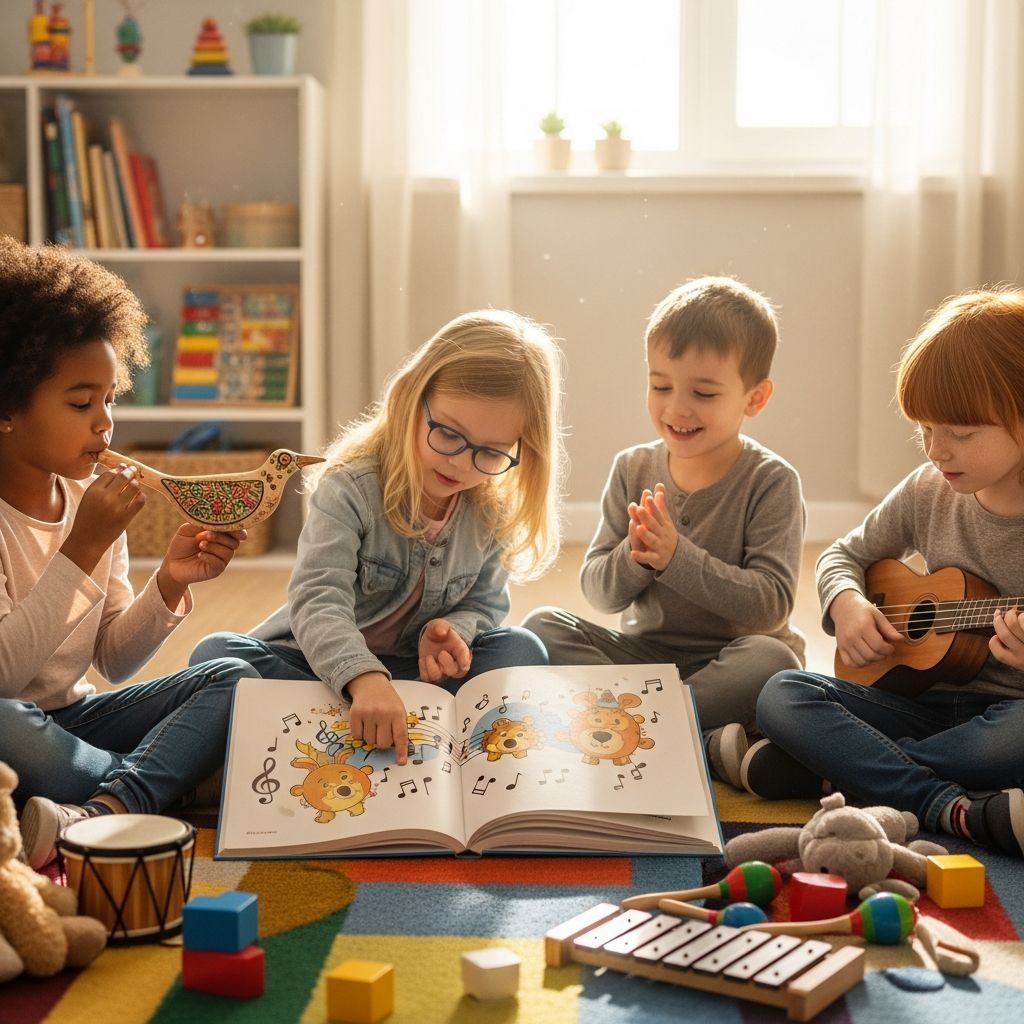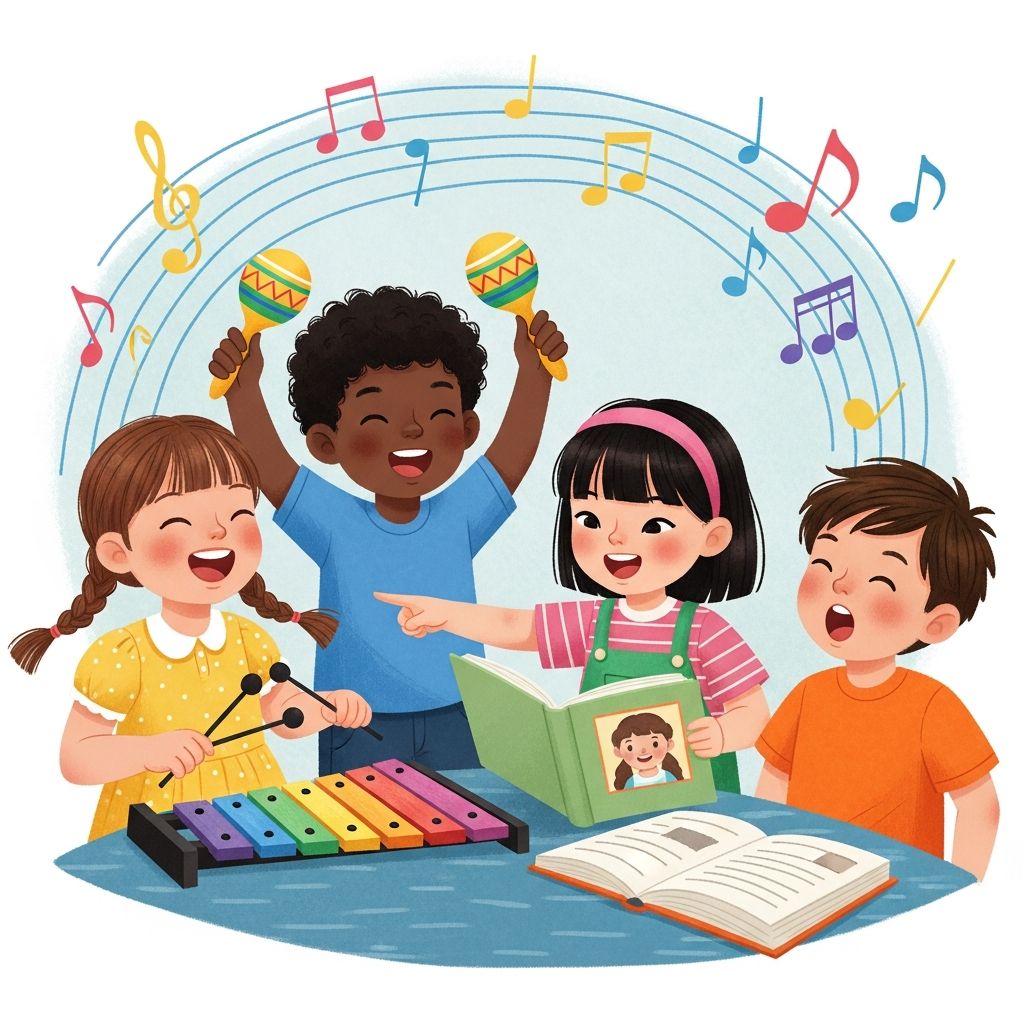
Silly songs feel like pure chaos to adults, but for kids they are a playful gateway into language, rhythm, movement, and connection. When children belt out goofy lyrics, repeat nonsense rhymes, or dance around the living room, their brains and bodies are quietly getting a serious workout.
This guide explores why funny, nonsensical tunes are so powerful for children, how to use them with different ages, and practical ideas you can start today—even if you do not sing on key.
Why Silly Songs Matter More Than You Think
From a child’s perspective, music is not an extracurricular activity; it is a way of understanding the world. Research shows that music supports:
- Language and literacy – Rhymes and repetition sharpen listening, vocabulary, and early reading skills.
- Memory and attention – Catchy lyrics and actions help children remember and follow multi-step sequences.
- Motor development – Clapping, stomping, and dancing refine both fine and gross motor skills.
- Social-emotional growth – Singing together builds confidence, cooperation, and emotional expression.
In other words, goofy songs about dinosaurs, spaghetti, or dancing penguins are quietly building the same foundations children need for school readiness and healthy social development.
Core Benefits of Silly Songs for Young Kids
Silly songs are playful, but their benefits are concrete. Here are some of the most important ways they help children grow.
1. Language, Listening, and Early Reading Skills
When kids sing about made-up words, rhymes, and funny sound combinations, they are practicing skills that reading specialists call phonological awareness and phonemic awareness—the ability to notice and manipulate sounds in spoken language.
- Repeating silly rhymes helps children hear patterns like cat / hat / sat.
- Nonsense words invite them to play with syllables, rhythms, and vowel sounds.
- Call-and-response songs encourage careful listening and quick verbal responses.
Studies find that a strong sense of rhythm and sound patterns in early childhood is linked with later reading success, because it primes the brain to recognize letters and decode words.
2. Memory, Focus, and Following Directions
Many children’s songs combine lyrics with gestures or sequences (for example, clap, turn, jump, freeze). Remembering and performing these steps:
- Exercises working memory and recall.
- Strengthens the ability to pay attention through an entire activity.
- Teaches kids to listen to instructions and respond at the right time—skills that transfer to classroom routines.
Because the songs are funny and engaging, kids are willing to repeat them often, which deepens learning without feeling like practice.
3. Motor Skills and Body Awareness
Silly songs that involve dancing, clapping, or acting out characters support physical development.
- Fine motor skills: Finger plays, snapping, or tapping fingers to the beat.
- Gross motor skills: Jumping, spinning, marching, or pretending to be animals.
- Coordination: Matching body movements to a rhythm or beat.
Music and movement together help kids gain confidence in their bodies and encourage them to explore what they can do.
4. Confidence, Creativity, and Imagination
When you invite children to change lyrics, invent nonsense words, or act out characters from a song, you send a powerful message: their ideas matter.
- Personalized verses (“This is the song about Amira’s socks!”) help kids feel seen and celebrated.
- Inventing rhymes exercises flexible thinking and creative problem-solving.
- Being silly in a safe, loving environment builds self-esteem and courage to try new things.
5. Social Skills and Family Bonding
Group songs teach turn-taking, cooperation, and empathy. Children learn to wait for their verse, cheer for others, and laugh together at shared jokes.
For families, silly songs are an easy way to create daily rituals—during car rides, bath time, or cleanup—that turn ordinary moments into connection points.
Matching Silly Songs to Your Child’s Age
Every age enjoys music differently. The key is to tune your choices to your child’s stage, not just their age.
| Age Group | What Works Best | Song Features to Include |
|---|---|---|
| Babies (0–12 months) | Gentle, repetitive tunes; face-to-face singing; simple rhythms. | High contrast sounds, your voice, soft bouncing or rocking. |
| Toddlers (1–3 years) | Action songs; funny animal sounds; simple call-and-response. | Lots of repetition, clear gestures, playful nonsense words. |
| Preschoolers (3–5 years) | Story songs; pretend play; songs with choices and verses. | Rhymes, counting, problem-solving, chances to improvise lyrics. |
| Early school-age (5–8 years) | Faster songs; wordplay; simple harmony or rounds; parody versions. | Jokes, puns, tongue twisters, collaborative songwriting. |
Easy Ways to Use Silly Songs in Everyday Life
You do not need musical training or special equipment to bring fun songs into your routine. Your voice, a sense of humor, and a little consistency are enough.
Turn Daily Tasks Into Musical Games
Attach a specific, goofy song to a recurring task. Over time, the music becomes a cue that helps kids transition more smoothly.
- Morning routine: A wake-up song that includes your child’s name and the day’s first task.
- Clean-up time: A fast, energetic tune about racing the clock to put toys away.
- Bath time: A splashy song with made-up words for bubbles, shampoo, or rubber ducks.
- Bedtime: A slower, gentle silly song that winds down but still makes space for shared giggles.
Play Call-and-Response Games
Call-and-response songs are simple to create on the spot and great for building listening skills.
- You sing a short, funny line; your child echoes it back.
- Gradually add hand motions, claps, or facial expressions.
- Invite your child to become the “leader” and make up the calls.
This kind of musical play encourages kids to take turns, speak clearly, and listen closely—all while staying engaged.
Make Up Your Own Goofy Lyrics
One of the easiest tricks is to borrow a melody you both know and swap in ridiculous, harmless words. Early childhood experts frequently recommend taking familiar tunes and inserting silly substitutions because the familiarity of the melody supports language play and memorization.
- Swap animal names, food items, or family members into a well-known song.
- Invite kids to suggest the silliest possible objects (within your family’s boundaries).
- Vote on the “funniest verse of the day.”
Use Movement Songs to Burn Energy Indoors
When the weather keeps you inside, high-energy silly songs can rescue the day.
- Create a “dance like…” game: sing a chorus and tell everyone to move like robots, spaghetti, or sleepy cats.
- Alternate fast and slow verses to explore tempo and self-control.
- End with a “freeze” pose to help kids practice stopping their bodies on cue.
Tips for Parents Who Feel “Non-Musical”
Many adults avoid singing with children because they feel self-conscious about their voice. For kids, perfection is irrelevant—what matters is your presence and enthusiasm.
- Lower the bar: Aim for fun, not pitch accuracy.
- Let the child lead: Ask them to invent the next line or movement.
- Use props: Scarves, stuffed animals, or plastic containers as drums can make you feel less on-the-spot.
- Keep it short: Two minutes of silly singing still has benefits and feels manageable.
- Repeat your “hits”: Kids love hearing the same song over and over; repetition strengthens learning and reduces your planning load.
Screen-Free vs. Screen-Based Silly Songs
Digital platforms offer endless children’s songs, but live singing offers unique advantages.
- Live singing lets you adjust tempo, lyrics, and volume to your child’s mood and attention span.
- Face-to-face interaction during singing supports bonding and social cues like eye contact and turn-taking.
- Recorded music can still be useful for dancing, background play, or introducing new melodies, especially when balanced with interactive experiences.
A practical approach is to use recordings as a supplement, not a replacement, for your own silly performances.
Safety, Inclusion, and Emotional Needs
Silly songs are meant to feel safe and joyful. A few simple habits ensure the experience works for every child.
- Respect sensory needs: For kids sensitive to sound, keep volume low and offer noise breaks.
- Watch emotional cues: If a joke or character makes a child anxious, switch themes without making them feel wrong.
- Use inclusive language: Rotate names, pronouns, and roles so every child gets to be the hero of a verse.
- Invite, don’t force: Children who are shy may prefer to watch first; joining in later still offers benefits.
Frequently Asked Questions About Silly Songs for Kids
Q1: How often should I sing silly songs with my child?
There is no strict rule, but weaving short songs into daily routines works well. Even a few minutes during transitions—waking up, getting dressed, or cleaning up—can provide regular language and bonding benefits without feeling overwhelming.
Q2: Are nonsense words confusing for young children who are learning to talk?
Nonsense words, when mixed with real words, are not harmful; they actually help children hear and play with sound patterns, which supports later reading skills. Just make sure children also hear plenty of clear, correct everyday language in conversations and books.
Q3: What if my child only wants to repeat the same silly song?
Repetition is normal and developmentally helpful. Toddlers in particular learn new vocabulary and strengthen memory by hearing the same songs many times. You can gradually introduce tiny variations—like a new animal or action in each verse—without removing the familiar structure they love.
Q4: Can silly songs really help with school readiness?
Yes. Music that includes rhymes, rhythm, and repetition supports phonological awareness, vocabulary, and self-regulation, all of which are linked to early reading and academic skills. While songs are not a replacement for reading books, they are a powerful companion.
Q5: My child has trouble sitting still. Should I still try songs?
Absolutely. Choose movement-heavy songs that invite jumping, marching, or dancing instead of requiring stillness. Music and movement together can help children channel energy in positive ways and practice self-control when songs include moments to “freeze” or slow down.
References
- Silly Songs, Fun Activities Lead to Reading Success in Young Learners — Learning Liftoff. 2015-03-02. https://learningliftoff.com/curriculum/art-and-music/silly-songs-fun-activities-lead-reading-success-young-learners/
- Benefits of Action Songs — 4ParentsandTeachers. 2020-06-01. https://4parentsandteachers.com/benefits-of-action-songs.html
- 5 Benefits of Music in Preschool Classrooms — Highlights Early Learning. 2023-04-10. https://earlylearning.highlights.com/blogs/the-confident-classroom/5-benefits-of-music-in-preschool-classrooms
- The Magic of Music: Unlocking Creativity and Imagination in Preschoolers — Merryhill School. 2024-12-13. https://www.merryhillschool.com/2024/12/13/the-magic-of-music-unlocking-creativity-and-imagination-in-preschoolers/
- Children and Music: Benefits of Music in Child Development — Children’s Medical Group. 2017-05-01. https://childrensmedicalgroup.net/children-and-music-benefits-of-music-in-child-development/
- Music and Toddlers: Benefits of Music and Movement in Early Childhood — The NAMM Foundation. 2015-06-01. https://www.nammfoundation.org/articles/2014-06-01/music-and-toddlers-benefits-music-and-movement-early-childhood
- Music Benefits a Child’s Development — Parenting Now. 2020-09-10. https://parentingnow.org/music-benefits-a-childs-development/