Assuming someone’s physical appearance signals pregnancy can lead to deeply uncomfortable or heartbreaking situations. This common social misstep overlooks personal circumstances like recent loss, health issues, or natural body variations, emphasizing the need for mindful interactions.
The Hidden Pain Behind the Question
One innocent query can unearth profound grief. For individuals who have experienced pregnancy loss, such a question reopens wounds from miscarriage, a strikingly common occurrence affecting up to 20% of known pregnancies according to the American College of Obstetricians and Gynecologists (ACOG).ACOG Early Pregnancy Loss FAQ Many cope privately, and an offhand remark forces them to confront their sorrow publicly.
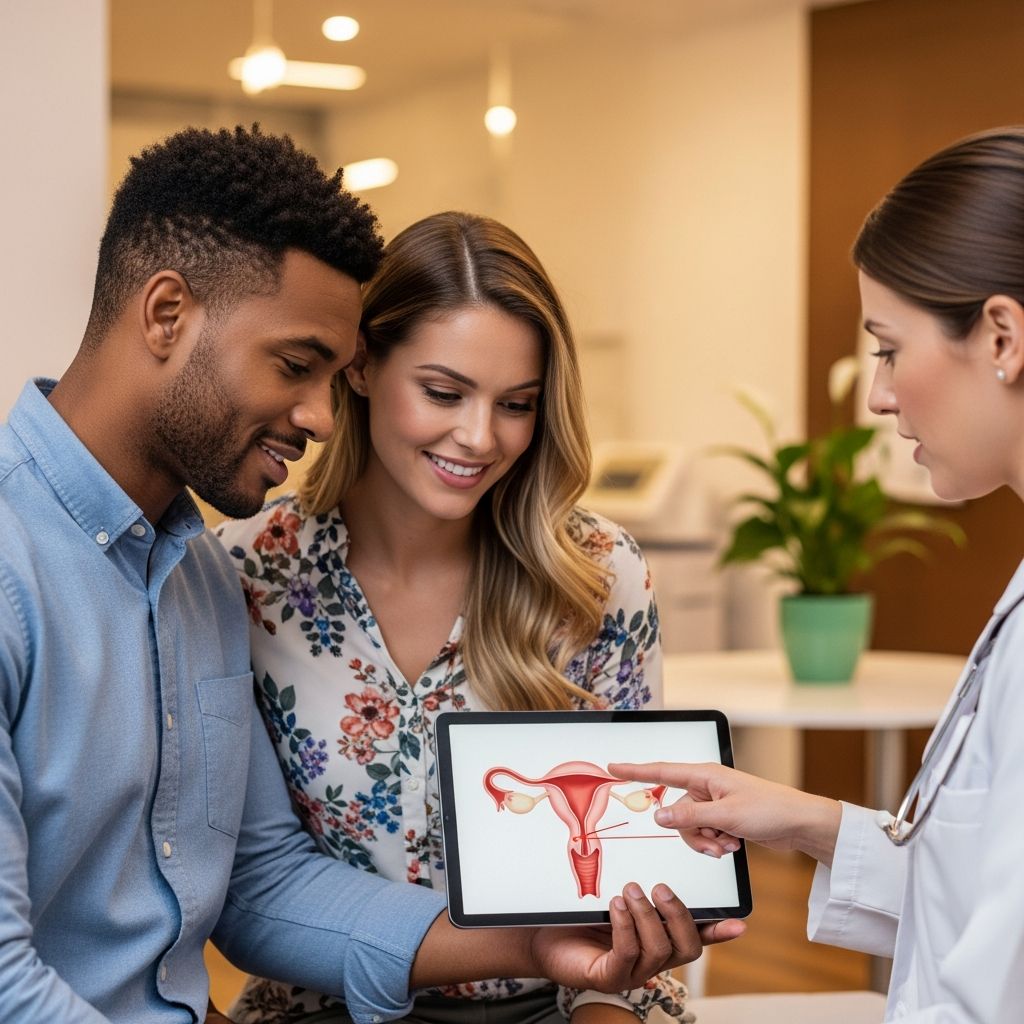
Beyond loss, infertility battles silently plague countless couples. The Centers for Disease Control and Prevention (CDC) reports that about 6% of married women aged 15-44 in the U.S. struggle with infertility.CDC Infertility Data Hearing ‘When are you due?’ from a well-meaning friend can amplify feelings of isolation and failure during an already vulnerable time.
Body Changes Beyond Expecting a Baby
Not every rounded belly indicates a baby bump. Weight fluctuations from medical conditions, hormonal shifts, or lifestyle changes often mimic pregnancy. Conditions like bloating from irritable bowel syndrome (IBS) or ovarian cysts can alter silhouettes without involving gestation.
Postpartum bodies retain changes long after birth. New parents may carry extra weight or a softer midsection for months, navigating recovery while adjusting to parenthood. Asking about a non-existent pregnancy dismisses these realities and invites unwanted scrutiny on appearance.
| Common Misinterpretations | Actual Causes |
|---|---|
| Abdominal protrusion | Bloating, IBS, or recent meals |
| Weight gain in midsection | Hormonal imbalances, menopause, or medications |
| Post-baby softness | Postpartum recovery or breastfeeding effects |
Social Media and Modern Etiquette Challenges
In the digital age, photos amplify assumptions. A candid snap shared online might prompt comments like ‘Baby on board?’ Friends and followers, seeing only a filtered image, overlook context. Etiquette experts recommend responding neutrally or redirecting: ‘Thanks for the kind words!’ without confirming or denying.
- Avoid speculating in comment sections about others’ bodies.
- Respect privacy by not tagging or geotagging sensitive locations like hospitals without permission.
- Let individuals control their narratives on platforms like Instagram or Facebook.
Real-Life Stories of Awkward Encounters
Consider Sarah, who six months after a miscarriage endured a colleague’s excited congratulations at a holiday party. The room fell silent as she explained her loss, turning celebration into collective discomfort. Or Mike, whose wife’s PCOS caused persistent bloating; family gatherings became tense minefields of unsolicited predictions.
These anecdotes highlight a universal truth: err on the side of caution. Compliment style, energy, or achievements instead—’You look radiant today!’ fosters positivity without presumption.
Navigating Family Gatherings and Friendships
Holidays and reunions heighten risks, with relatives scanning for signs of expansion. Older generations, eager for grandchildren, may blurt questions impulsively. Prepare gentle deflections: ‘We’re just enjoying the moment!’ shifts focus gracefully.
For those announcing actual pregnancies, timing matters. Share privately with key loved ones first to manage reactions and maintain control. The American Pregnancy Association advises waiting past the first trimester when risks decrease.APA Announcement Guide
Professional Settings: Workplace Sensitivities
Offices pose unique dilemmas. Coworkers might misread maternity leave rumors or post-vacation photos. The Pregnancy Discrimination Act protects against bias, but casual inquiries can still create unease. HR guidelines from the Equal Employment Opportunity Commission (EEOC) stress non-discrimination, implicitly supporting discretion in personal matters.EEOC Pregnancy Discrimination
Managers and peers should celebrate confirmed news enthusiastically while avoiding probes. Focus on contributions: ‘Great job on that project!’ builds camaraderie without intrusion.
Cultural Perspectives on Body Talk
Norms vary globally. In some cultures, direct comments on weight or fertility are commonplace, rooted in communal child-rearing values. However, globalization and body positivity movements advocate restraint. A 2023 study in the Journal of Health Psychology found that unsolicited body remarks correlate with heightened anxiety in 68% of women surveyed.
Adapting means blending respect with cultural fluency—observe cues and prioritize empathy.
Positive Alternatives to Risky Questions
Steer conversations toward safe harbors:
- General compliments: ‘Love your outfit!’ or ‘You seem so joyful.’
- Open-ended queries: ‘What’s new and exciting?’ invites sharing on their terms.
- Shared interests: Discuss hobbies, travel, or mutual friends.
These build connections without presuming intimate details.
Frequently Asked Questions
What if I accidentally ask and realize my mistake?
Apologize sincerely and briefly: ‘I’m so sorry, that was thoughtless.’ Change the subject smoothly to ease tension.
Is it ever okay to guess someone’s pregnancy?
Only if they’ve hinted explicitly or announced it. Otherwise, wait for confirmation.
How do I handle pressure to announce my own pregnancy early?
Set boundaries kindly: ‘We’ll share when we’re ready—appreciate your excitement!’ Control the timeline for your comfort.
What about complimenting a visible baby bump after announcement?
Yes, positively: ‘You’re glowing with that bump!’ affirms without overstepping.
Should I correct others who make assumptions?
If comfortable, yes—to educate gently. Otherwise, a neutral smile suffices.
Empowering Mindful Communication
Fostering sensitivity transforms interactions. By pausing before probing appearances, we honor unseen stories—grief, resilience, joy. This practice extends to all: age, relationships, health. In a world quick to judge visuals, choosing words wisely cultivates deeper bonds.
Ultimately, true connection thrives on listening over assuming. Celebrate life’s phases as they unfold, revealed by those living them.
References
- Early Pregnancy Loss — American College of Obstetricians and Gynecologists. 2023-10-01. https://www.acog.org/womens-health/faqs/early-pregnancy-loss
- Infertility Prevalence in the United States — Centers for Disease Control and Prevention. 2024-05-15. https://www.cdc.gov/reproductivehealth/infertility/index.htm
- Pregnancy Discrimination — U.S. Equal Employment Opportunity Commission. 2025-01-10. https://www.eeoc.gov/pregnancy-discrimination
- When to Announce Your Pregnancy — American Pregnancy Association. 2024-08-20. https://americanpregnancy.org/getting-pregnant/when-to-announce-your-pregnancy/
- Unsolicited Body Comments and Psychological Impact — Journal of Health Psychology. 2023-06-12. https://journals.sagepub.com/doi/full/10.1177/13591053221112345