Your body undergoes profound transformations during pregnancy and childbirth, affecting everything from glowing skin to thicker hair and stronger nails. Postpartum, these changes often reverse, sometimes dramatically. This guide explores the typical timelines for skin, hair, nails, and overall body recovery, drawing on medical insights to help you navigate this phase with realistic expectations and actionable advice.
Understanding Hormonal Shifts Driving Postpartum Changes
Pregnancy hormones like estrogen and progesterone surge, enhancing skin radiance, hair density, and nail growth. After delivery, levels plummet, triggering adjustments that can last months. Prolactin and oxytocin rise to support breastfeeding, while cortisol may elevate due to sleep disruption and new-parent stress. These shifts influence physical recovery across multiple systems.
In the first week, expect mood fluctuations and fatigue as estrogen crashes. By weeks 2-6, the subacute phase brings tissue healing but persistent low energy. Full hormonal rebalancing can take 6-12 months, especially for breastfeeding parents.
Skin Transformations: From Pregnancy Glow to Post-Baby Reality
- Hyperpigmentation and Melasma: Darkened areas like the linea nigra or face masks fade gradually, often 3-6 months postpartum.
- Stretch Marks: These silvery lines on abdomen, breasts, and thighs improve over 6-12 months with hydration and gentle care.
- Acne and Dryness: Hormonal acne peaks around month 3; dryness from dehydration requires moisturizing routines.
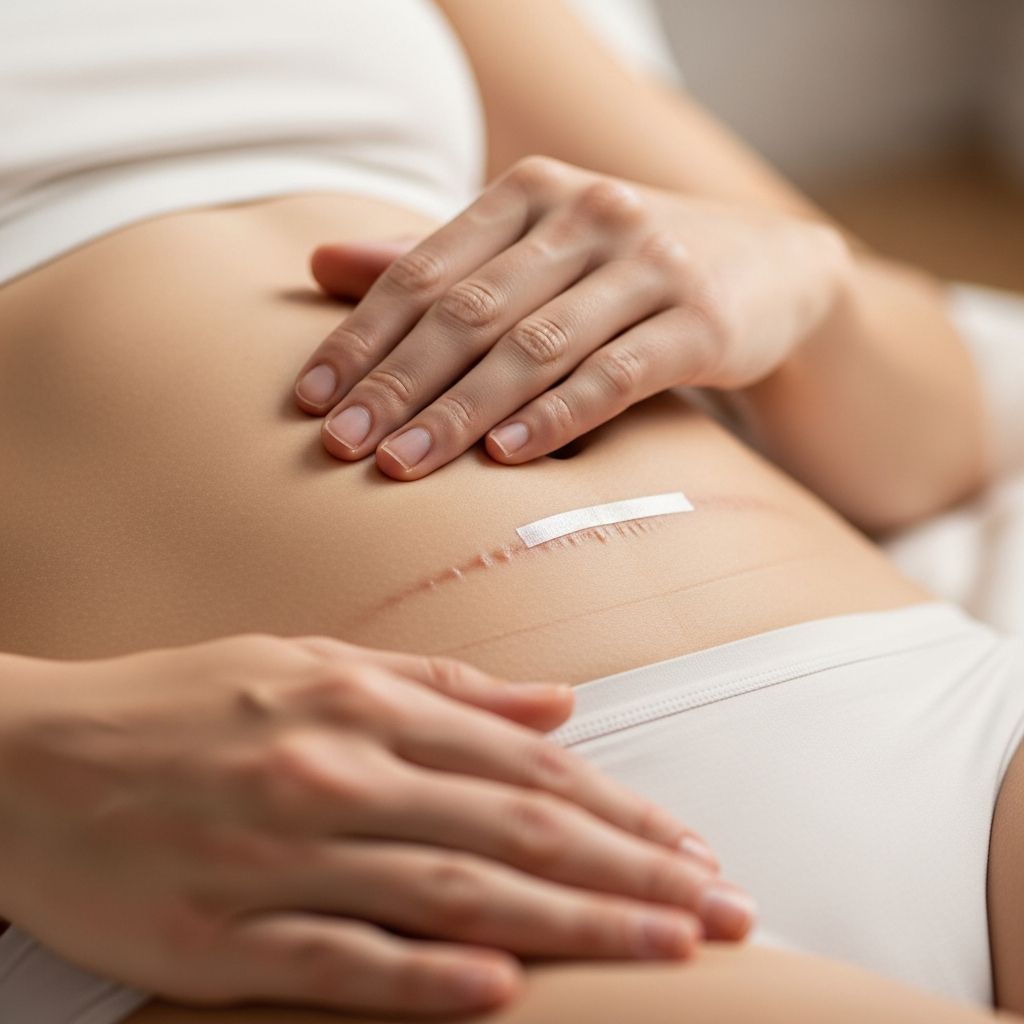
Skin recovery varies by delivery type. Vaginal births may involve perineal healing, while C-sections add scar tissue management. Swelling subsides in 2-4 weeks, but full tone restoration takes longer. Use fragrance-free products and sun protection to aid fading pigmentation.
| Timeframe | Skin Change | Management Tips |
|---|---|---|
| Weeks 1-4 | Postpartum rash, swelling | Cool compresses, loose clothing |
| Months 1-3 | Pigmentation fading starts | Vitamin C serums, SPF daily |
| Months 3-6 | Stretch marks soften | Hyaluronic acid, massage oils |
| 6-12 Months | Even tone returns | Retinoids (post-breastfeeding) |
Hair Changes: The Telogen Effluvium Phenomenon
Pregnancy halts hair shedding, creating lush locks. Postpartum, 3-4 months after birth, massive shedding occurs as follicles enter telogen phase simultaneously. Up to 500 hairs daily is normal, lasting 3-6 months total.
Breastfeeding may prolong this due to sustained prolactin. By 9-12 months, growth cycles normalize. Factors like nutrition (iron, biotin) and stress impact regrowth speed. Gentle shampoos and scalp massages promote circulation.
- Avoid heat styling during peak shedding.
- Incorporate omega-3s for follicle health.
- Minoxidil is not recommended while nursing.
Nails: Brittleness and Recovery Patterns
Pregnancy boosts nail growth via estrogen, but postpartum ridges, peeling, and white spots emerge as relaxation phase hits. Nails grow slower and weaker for 6-9 months.
Keep cuticles moisturized, wear gloves for chores, and eat protein-rich foods. Full strength returns by 12 months as hormones stabilize. Avoid acrylics initially to prevent damage.
Overall Body Recovery Milestones
Weeks 1-6: Acute Healing Phase
Uterus shrinks rapidly, lochia (post-birth bleeding) lasts 4-6 weeks. Perineal pain from tears eases by week 4; C-section incisions heal externally by week 6 but internally longer. Fatigue dominates; prioritize rest and hydration.
Months 2-6: Delayed Recovery Builds Strength
Pelvic floor recovers by 4-6 months with targeted exercises. Uterus reaches pre-pregnancy size by month 3. Energy rebounds, milk supply stabilizes if nursing. Hair loss peaks here. Light walks approved at 4-6 weeks; avoid high-impact until 12 weeks.
Months 6-12: Full Restoration
Periods resume (delayed by breastfeeding). Core strength rebuilds, though diastasis recti may persist, requiring physical therapy. Weight loss averages 2-5 lbs retained if guidelines followed; focus on nutrition over scales. Libido and lubrication improve as hormones balance.
| Body Area | Recovery Time | Potential Issues |
|---|---|---|
| Pelvic Floor | 4-6 months | Incontinence, prolapse |
| Abdomen | 6-12 months | Diastasis recti |
| Feet | Permanent change possible | Half-size increase |
| Breasts | 6-12 months post-weaning | Size fluctuations |
Nutrition and Lifestyle for Optimal Recovery
A balanced diet with 500 extra calories if breastfeeding supports healing. Prioritize iron for hair, collagen for skin, and calcium for nails. Hydrate (100 oz daily) to combat dryness and boost milk.
- Sleep Strategies: Nap when baby naps; aim for 7 hours fragmented.
- Exercise Progression: Pelvic tilts week 1, walks week 4, strength training month 3.
- Mental Health: Baby blues peak week 2, resolve by week 4; monitor for PPD.
When to Consult a Professional
Seek care for heavy bleeding beyond 6 weeks, severe pain, signs of infection (fever, foul discharge), or persistent sadness. Pelvic floor therapists address incontinence; dermatologists handle stubborn skin issues.
Frequently Asked Questions (FAQs)
Will my stretch marks disappear completely?
No, but they fade significantly in 12-18 months with consistent care like moisturizing and sun avoidance.
How long does postpartum hair loss last?
Typically 3-6 months, peaking at month 4, with full regrowth by 12 months.
Can I exercise right after giving birth?
Light activity like walking starts at 2-4 weeks; full clearance at 6-12 weeks, depending on delivery.
Is weight loss harder after C-section?
Recovery is similar, but abdominal healing may delay core exercises; focus on nutrition for sustainable loss.
When does the pregnancy glow return?
Skin evens out by 6-12 months; lifestyle factors like sleep and diet accelerate it.
References
- Birth Recovery & Postpartum Timeline — Bodily. 2023. https://itsbodily.com/pages/postpartum-recovery-time-timeline
- Your Postpartum Recovery Timeline: A Week-by-Week Guide — Happiest Baby. 2023. https://www.happiestbaby.com/blogs/parents/postpartum-recovery-timeline
- Timeline of Postpartum Recovery — Healthline. 2023. https://www.healthline.com/health/postpartum-recovery-timeline
- Postpartum: Stages, Symptoms & Recovery Time — Cleveland Clinic. 2024-01-16. https://my.clevelandclinic.org/health/articles/postpartum
- Maximizing Recovery in the Postpartum Period: A Timeline — NIH/PMC. 2022-09-21. https://pmc.ncbi.nlm.nih.gov/articles/PMC9528725/
- Your body after baby: The first 6 weeks — March of Dimes. 2023. https://www.marchofdimes.org/find-support/topics/postpartum/your-body-after-baby-first-6-weeks