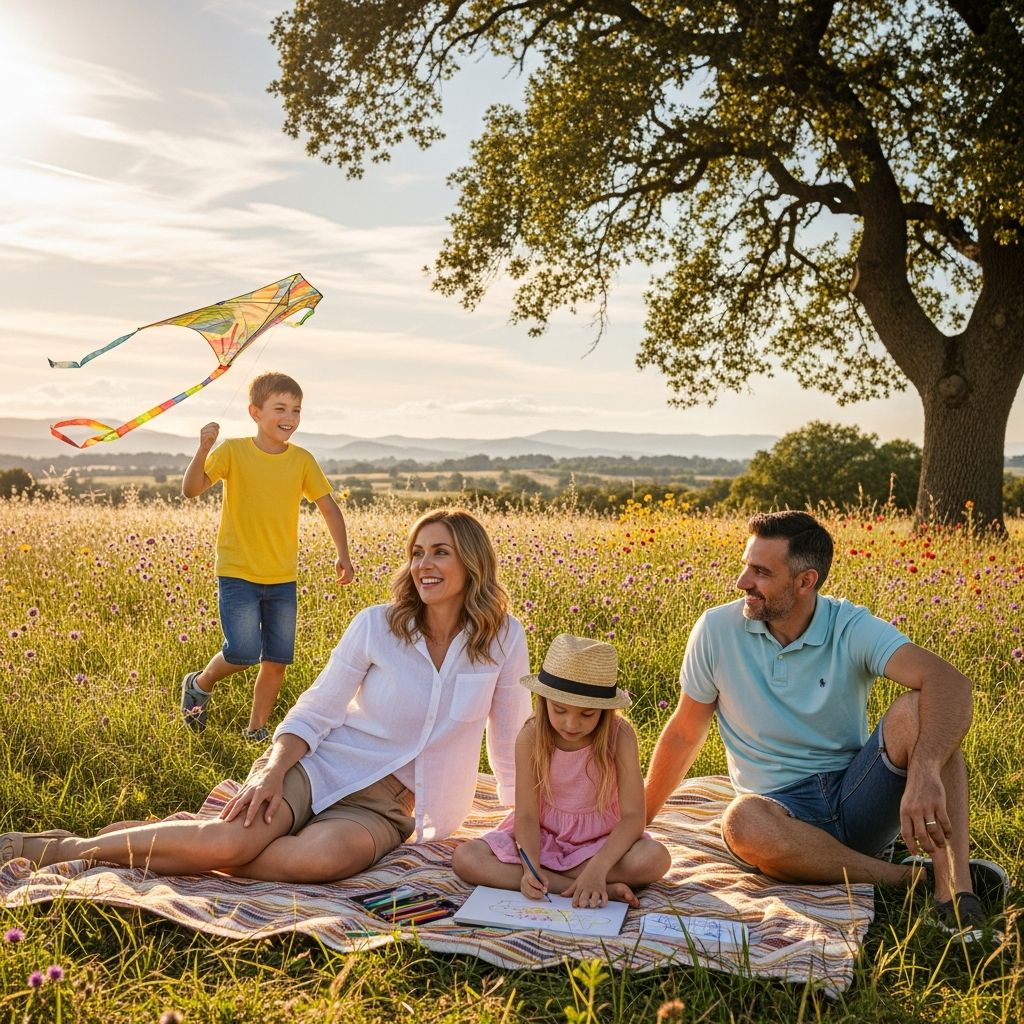
In a world obsessed with productivity, many parents are rebelling against the frenzy of scheduled summers. This approach prioritizes unstructured time, allowing children to explore boredom and families to reconnect without the weight of constant activities.
The Hidden Costs of Over-Scheduled Vacations
Summer break, meant for respite, often morphs into another calendar packed with camps, lessons, and outings. This stems from societal pressures equating busyness with good parenting. Yet, this relentless pace leads to exhaustion for everyone involved.
- Parents juggle logistics, from drop-offs to sign-ups, leaving little room for personal recharge.
- Children face transitions between activities, missing deep play that builds resilience.
- Families sacrifice spontaneous moments, like backyard games or lazy afternoons, for structured events.
Research from child psychologists highlights how constant stimulation hinders emotional regulation. A study by the American Academy of Pediatrics notes that overscheduling correlates with increased anxiety in youth, as downtime is essential for processing experiences.
Unlocking Creativity Through Boredom
Boredom isn’t the enemy—it’s a catalyst. When kids lack directives, their imaginations flourish. Instead of screen prompts or coached sports, they invent games, build forts, or daydream.
Consider these real-world shifts:
| Scheduled Summer | Unstructured Summer |
|---|---|
| Pre-planned swim lessons at 9 AM | Child-led puddle jumping after rain |
| Art camp with step-by-step projects | Free-form crafting with household scraps |
| Family calendar dictating dinners out | Picnics based on whims |
Pediatric guidelines from the CDC emphasize unstructured play’s role in cognitive growth, supporting problem-solving and social skills without adult intervention. Parents report kids negotiating conflicts independently, fostering empathy.
Parental Self-Care in the Slow Season
Mothers and fathers alike battle ‘summer guilt’—the nagging sense that idle days mean failure. Yet, reclaiming time for workouts, reading, or naps models healthy boundaries for children.
One parent shared opting for YMCA drop-ins over elite camps, blending family swims with personal yoga. This ‘me-first’ mindset reduces resentment, creating calmer households. The World Health Organization underscores parental mental health’s impact on family dynamics, linking rest to better child outcomes.
- Prioritize morning routines: Coffee on the porch before chaos.
- Set tech limits: Phones away during meals to deepen talks.
- Embrace ‘no’: Decline extra commitments guilt-free.
Simple Pleasures That Build Memories
Unplanned joys outshine curated events. Water balloon fights, roller skating mishaps, or late-night movies become lore. These low-cost rituals strengthen bonds, proving joy needs no budget.
Families experiment with ‘yes days’ for ice cream first or extended bedtimes, balancing freedom with light structure like library visits. Such flexibility teaches adaptability, a key life skill per developmental experts.
Overcoming Societal Pushback
Friends may question the lack of camps, but data supports downtime. A longitudinal study in the Journal of Pediatrics found children with ample free play exhibit higher creativity scores years later. Counter comparisons by focusing on your values—rest over resumes.
Communicate boundaries early: ‘We’re keeping summers light this year.’ This sets expectations and invites like-minded playdates.
Practical Tips for Your Unbusy Summer
- Declutter the calendar: Cancel non-essentials; aim for 2-3 weekly anchors like park time.
- Stock boredom busters: Crayons, balls, books—nothing fancy.
- Family meetings: Weekly chats on interests, not mandates.
- Track wins: Journal simple highlights to combat guilt.
- Self-compassion: Remind yourself: Rest is productive.
Long-Term Benefits for Growing Minds
Years of unstructured summers yield resilient kids. They learn self-entertainment, tolerate discomfort, and value relationships over achievements. Parents gain sustainability, avoiding burnout cycles.
The American Psychological Association reports free play reduces stress hormones, enhancing focus upon school return. It’s an investment in holistic health.
Frequently Asked Questions
What if my child gets bored and whines?
View it as opportunity. Suggest nature walks or junk-drawer inventions. Consistency pays off within days.
Will my kids fall behind without camps?
No—summer learning loss is minimal; play bolsters retention. Prioritize joy over drills.
How do I handle working parent logistics?
Flexible options like community centers or family swaps work. Quality trumps quantity.
Is this lazy parenting?
Hardly—it’s intentional. You’re curating space for growth amid chaos.
What about safety during free play?
Supervise loosely; teach boundaries. Outdoor time builds street smarts safely.
This idle summer philosophy isn’t escapism—it’s revolutionary. By doing less, families thrive more, proving presence beats perfection.
References
- Why We Are Doing NOTHING This Summer — Kristen Hewitt. 2015-06-15. https://kristenhewitt.me/why-we-are-doing-nothing-this-summer-2/
- A ‘lazy parent summer’ is the only way I want to summer — Motherly. 2022-12-22. https://www.mother.ly/life/motherly-stories/lazy-parent-summer-break/
- Summer Vacation: The Case For Doing Nothing All Summer — Motherly (Kristen Hewitt). 2021-12-22. https://www.mother.ly/life/why-we-are-doing-nothing-this-summer/
- The Importance of Play in Promoting Healthy Child Development — American Academy of Pediatrics. 2023-01-01. https://publications.aap.org/pediatrics/article/119/1/182/70699/The-Importance-of-Play-in-Promoting-Healthy-Child
- Physical Activity Guidelines for Americans — CDC. 2024-05-15. https://www.cdc.gov/physical-activity-basics/guidelines/children.html
- Mental Health of Parents and Families — World Health Organization. 2022-11-10. https://www.who.int/news-room/fact-sheets/detail/mental-health-of-parents-and-families