Starting a period is a major milestone in growing up, and preparing for it can make the change feel a lot less confusing and scary. This guide explains what often happens in the months and days before a first period, and how to look after both body and mind along the way.
What a Period Actually Is
Before talking about signs and symptoms, it helps to understand what a period means for the body. Once a person reaches puberty, hormones from the brain signal the ovaries and uterus to start a monthly cycle. The lining of the uterus becomes thicker in case a pregnancy happens, and if it does not, that lining breaks down and leaves the body as menstrual blood.
This process usually repeats about once a month, although cycles can be shorter or longer, especially in the first few years. The first period is a signal that the reproductive system has started working, but it does not mean the body is fully mature in every way.
Puberty Changes That Happen First
Most people notice several body changes long before a first period starts. These changes are triggered by hormones such as estrogen and usually follow a general pattern, though the timing is different for everyone.
- Breast development often begins with small, sometimes tender breast buds under the nipples.
- Hair growth appears under the arms, on the legs, and around the genitals.
- Body shape gradually shifts, with hips widening and some weight gain, especially around the thighs and buttocks.
- Skin may become oilier, and acne or blackheads can start to show up.
Usually, the first period arrives about two to three years after breast development begins, but this is only an average, not a rule. Genetics, nutrition, health conditions, and stress can all affect timing.
Early Clues Your First Period Is Getting Closer
In the year or so before a first period, the body often sends some clear signals that things are moving along. Paying attention to these changes can help you feel more prepared.
Vaginal discharge
One of the most common early signs is a clear, white, or pale yellow discharge on underwear or toilet paper. This discharge helps keep the vagina moist and protected and usually increases as hormones rise.
- Normal discharge is generally mild-smelling or has no strong odor.
- It can change amount from day to day, and that is typically normal.
- Thick, clumpy discharge with itching or a strong smell can signal an infection and should be checked by a health professional.
Growth spurts and body changes
Many people hit their biggest growth spurt right before or around their first period. Shoes may suddenly feel too small, pants too short, and shirts tight across the chest or shoulders.
- You might grow several centimeters in a single year.
- Appetite often increases, which is normal when the body needs energy to grow.
Common Physical Signs Right Before a Period
In the days leading up to a period, certain physical symptoms can show up even before blood appears. These signs may be mild or more noticeable, and they can change from month to month.
- Cramping: A pulling or aching feeling low in the belly, lower back, or upper thighs. It can be dull or sharp and may come and go in waves.
- Bloating: The stomach may feel swollen or tight, and clothes can feel more snug than usual.
- Breast tenderness: Breasts can feel sore, heavier, or more sensitive, especially around the nipples.
- Headaches: Hormone shifts can trigger headaches in some people before or during a period.
- Digestive changes: Some have constipation, while others have looser stools or more frequent bowel movements.
These signs are usually part of premenstrual symptoms, which often improve or disappear once bleeding starts. Tracking them over several cycles can help you recognize your own pattern.
Emotional and Mental Changes You Might Notice
Hormones do not just affect the body; they influence mood, energy, and thoughts too. Emotional changes before a period can feel confusing, especially when they come and go quickly.
- Feeling more sensitive or tearful over things that might not usually bother you.
- Getting irritated or annoyed more easily, even with friends or family you care about.
- Noticing sudden mood swings, such as feeling happy one moment and sad or frustrated the next.
- Having lower motivation or trouble focusing on schoolwork for a day or two.
- Experiencing stronger cravings for certain foods, such as salty snacks or sweets.
These experiences are common and not a sign of weakness or being overly dramatic. Understanding that hormones play a role can make it easier to respond with self-compassion instead of self-criticism.
What the First Period Itself Might Look Like
The first period does not look the same for everyone, and it can even change from one cycle to the next, especially in the first couple of years. Knowing what is normal can prevent unnecessary worry.
| Feature | What You Might Notice |
|---|---|
| Color | Light brown or rusty at first, sometimes turning to brighter or darker red on heavier days. |
| Flow | Very light spotting, a few drops on underwear, or a moderate flow needing pads or period underwear. |
| Length | Anywhere from 2 to 7 days is typical, with some days heavier and some lighter. |
| Smell | A mild, blood-like smell that becomes stronger if pads are not changed regularly. |
| Clots | Occasional small, jelly-like clumps can appear and are usually normal. |
Irregular timing is extremely common during the first one to two years. Cycles may skip a month, come close together, or vary in length before settling into a more steady pattern.
How to Track Your Cycle and Symptoms
Tracking your cycle helps you recognize patterns, prepare ahead of time, and spot anything unusual that might need medical attention. You can use a paper calendar, a notes app, or a period tracking app if allowed by your parent or guardian.
- Mark the first day you see menstrual blood; this is Day 1 of your cycle.
- Count the days until the next period starts to learn your typical cycle length.
- Note any physical and emotional symptoms, such as cramps, headaches, or mood changes.
- Add reminders a few days before your expected period to pack supplies or plan for self-care.
Over time, this information can also help a doctor understand your cycle better if you ever need an evaluation for heavy bleeding, severe pain, or irregular periods.
Practical Preparation: What to Keep With You
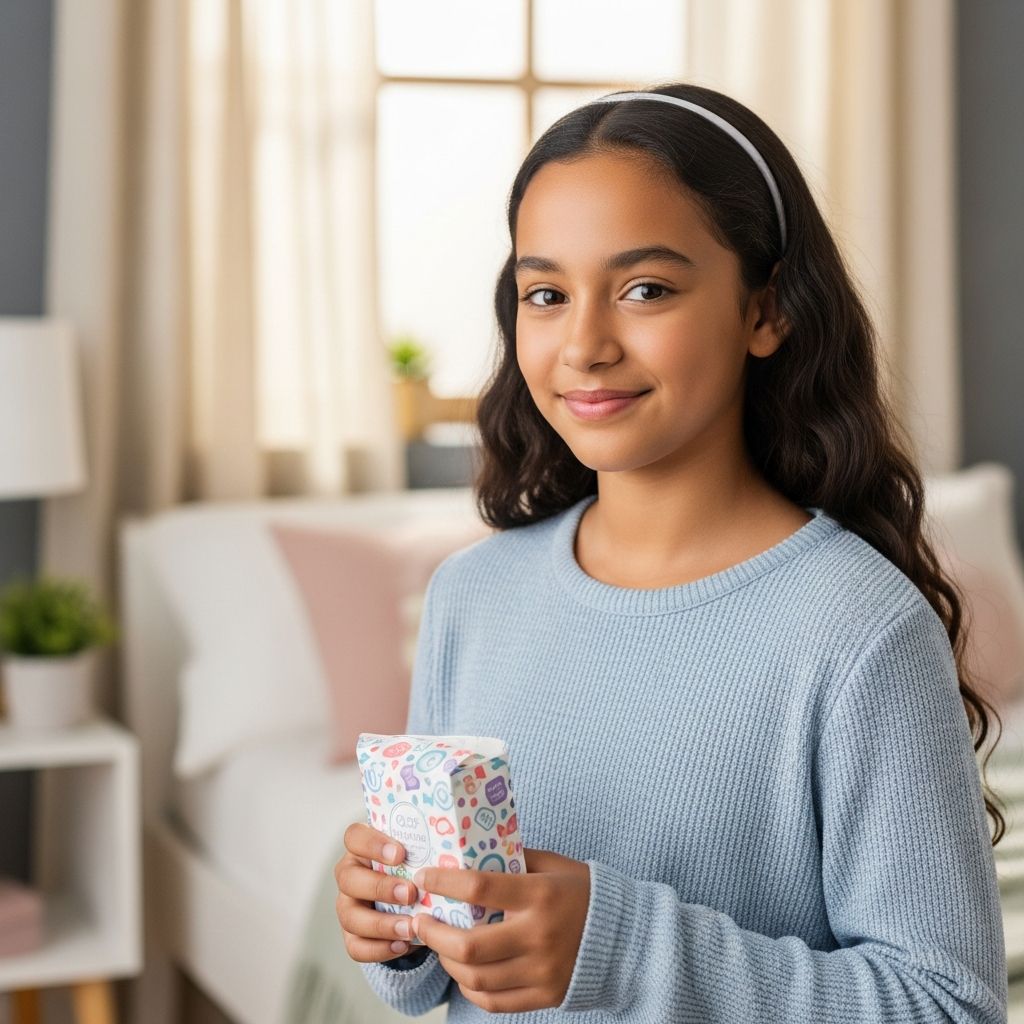
Being prepared makes it easier to handle a first period at school, at a friend’s house, or anywhere away from home. Putting together a small kit can help you feel more confident.
Basic period kit ideas
- A few regular-size pads or period underwear folded discreetly in a small pouch.
- A spare pair of underwear in case of leaks.
- A small resealable bag for storing stained underwear until you can wash it.
- Wet wipes or tissues for quick cleanups.
- Pain relief approved by your parent or guardian, if recommended by a healthcare professional.
This kit can stay in a backpack, locker, sports bag, or purse so you are ready even if your period starts unexpectedly.
Managing Cramps and Physical Discomfort
While some people barely notice any cramps, others find them distracting or painful. Cramps happen when the uterus tightens to help the lining shed, and there are several ways to lessen the discomfort.
- Place a warm heating pad or hot water bottle, wrapped in a cloth, on the lower belly or back for 15–20 minutes at a time.
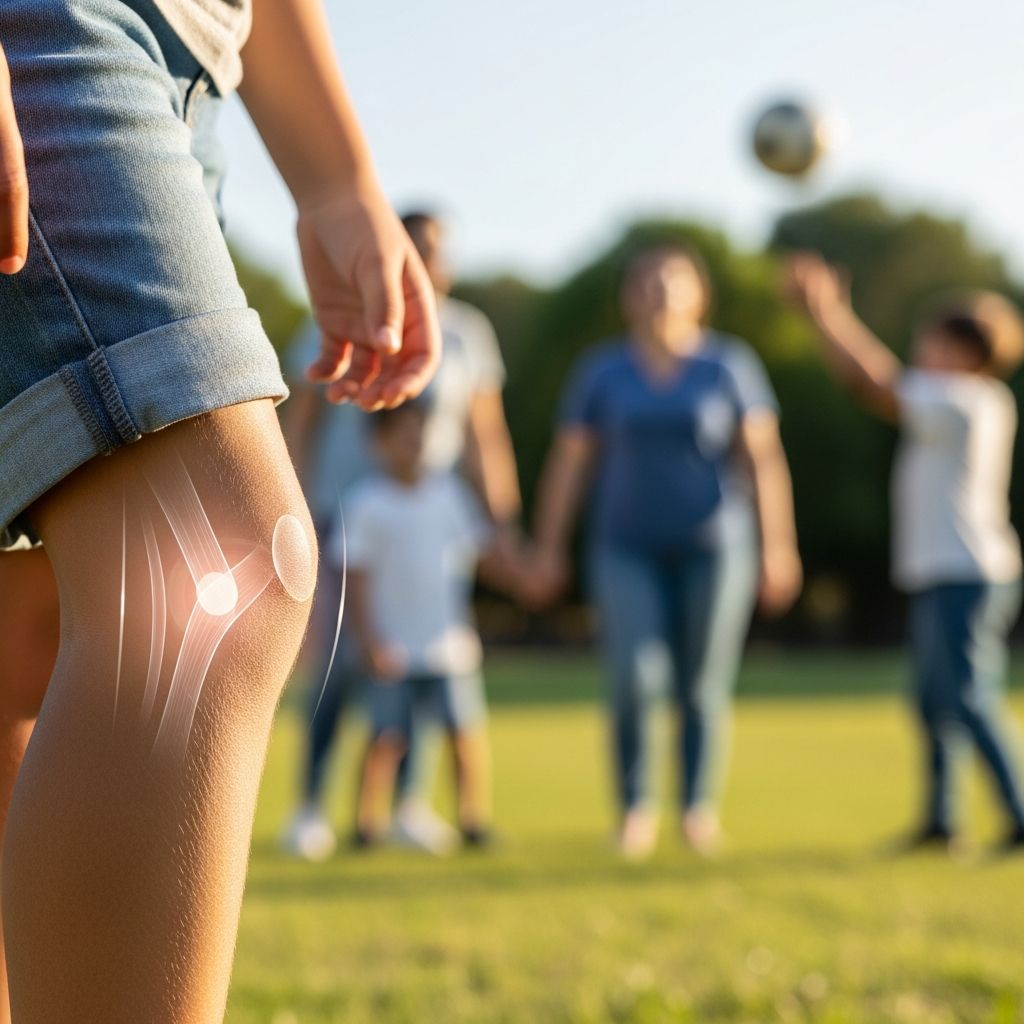
- Try gentle movement, such as walking, stretching, or yoga, to improve blood flow and relax muscles.
- Drink water regularly throughout the day and avoid very salty foods that can add to bloating.
- Use over-the-counter pain medicine only with guidance from a parent, guardian, or healthcare provider, and follow the directions carefully.
If cramps are so painful that you cannot go to school, sleep, or do routine activities, it is important to talk with a trusted adult and a medical professional, as stronger treatment or further evaluation may be needed.
Hygiene and Staying Comfortable
Good hygiene during your period helps prevent irritation, infections, and strong odors. It also helps you feel fresher and more at ease throughout the day.
- Change pads or period underwear every 3–4 hours or sooner if they feel full or damp.
- Wash the vulva (the outer genital area) with warm water once or twice daily; mild, unscented soap can be used externally if it does not cause irritation.
- Avoid scented sprays, powders, or douches, which can upset the natural balance of the vagina and lead to irritation or infection.
- Wear breathable cotton underwear and comfortable clothing that is not too tight around the waist.
If you notice strong, unusual odors, severe itching, or burning, see a healthcare professional to rule out infection or other problems.
Handling Periods at School and in Public
Many people worry about having their first period in public, especially at school. Planning ahead can reduce anxiety and help you handle any surprises calmly.
- Locate the nearest restroom to your main classrooms or usual hangout spots.
- Ask a parent, guardian, or trusted adult at school (such as a nurse or counselor) where extra supplies are stored if you ever run out.
- Wear darker bottoms on days you think your period might start if this makes you feel more secure.
- If an unexpected leak happens, tie a sweatshirt or jacket around your waist while you head to the restroom.
Remember that periods are a normal part of life, and school staff are used to helping students deal with them. You do not need to feel ashamed or embarrassed about asking for supplies or time to change.
Common Myths and the Truth
Misinformation about periods can spread quickly, especially online or through jokes and rumors. Learning what is true helps you make better decisions and feel more confident.
- Myth: You can always predict exactly when a first period will start.
Truth: Signs like discharge and puberty changes can show that your body is getting closer, but the exact day usually cannot be known in advance. - Myth: Having a period means you are completely grown up.
Truth: Your body and brain continue developing throughout the teen years, even after periods begin. - Myth: You cannot play sports or swim while on your period.
Truth: With the right products and comfort measures, most people can keep doing their usual activities. - Myth: Periods are always extremely painful.
Truth: Many people have mild discomfort, and severe pain is not something you must just accept; it is a reason to talk to a healthcare professional.
When to Talk to a Doctor or Trusted Adult
Most period-related changes are normal, but sometimes it is important to ask for help. A parent, guardian, school nurse, or doctor can answer questions and check for any health concerns.
- You are older than about 15 and have not had a first period, especially if other puberty signs have not started.
- Your periods are extremely heavy, soaking through a pad or period underwear in less than 1–2 hours for several hours in a row.
- Cramps are so painful that you regularly miss school or cannot sleep.
- You feel very sad, hopeless, or anxious before or during your period in a way that interferes with daily life.
- You notice strong, unusual discharge, itching, or pain in the genital area.
Bringing a symptom diary, including dates, flow level, and how you felt emotionally, can help the doctor understand what is going on and suggest treatments or further tests if needed.
Building a Positive Relationship With Your Body
Periods are a natural part of the reproductive system and do not need to be a source of shame. Treating your body with respect and curiosity can turn this stage of life into a chance to learn more about yourself.
- Practice kind self-talk, especially on days you feel bloated, tired, or emotional.
- Learn about how the menstrual cycle connects to overall health, including bones, mood, and energy.
- Talk openly with trusted adults or friends who are supportive and nonjudgmental.
- Remember that everyone’s body is different, and there is no single “right” age or way to start your period.
FAQs About Pre-Period Changes and First Periods
How can I tell the difference between normal discharge and my first period?
Normal discharge is usually clear, white, or light yellow and does not look like blood. Your first period will leave brown or red stains on underwear or toilet paper and may look watery at first or show small clots.
Is it normal for my period to be irregular at the beginning?
Yes. In the first one to two years, it is common for cycles to come earlier or later than expected, or to skip months altogether. As your body adjusts, the timing usually becomes more regular.
What if I am scared of leaking or staining my clothes?
Wearing a pad or period underwear during the days you expect your period, along with darker bottoms, can reduce anxiety. Keeping a small kit with spare underwear and supplies makes it easier to handle leaks calmly if they happen.
Can I exercise or play sports on my period?
Most people can safely exercise and even find that light to moderate movement helps reduce cramps and improves mood. Choosing comfortable products and clothing, and taking breaks if needed, allows you to stay active during your period.
Who can I talk to if I feel embarrassed asking questions?
If talking to a parent or guardian feels awkward at first, consider approaching another trusted adult such as a school nurse, counselor, relative, or healthcare provider. Remember that medical professionals discuss periods every day and will not find your questions strange or embarrassing.