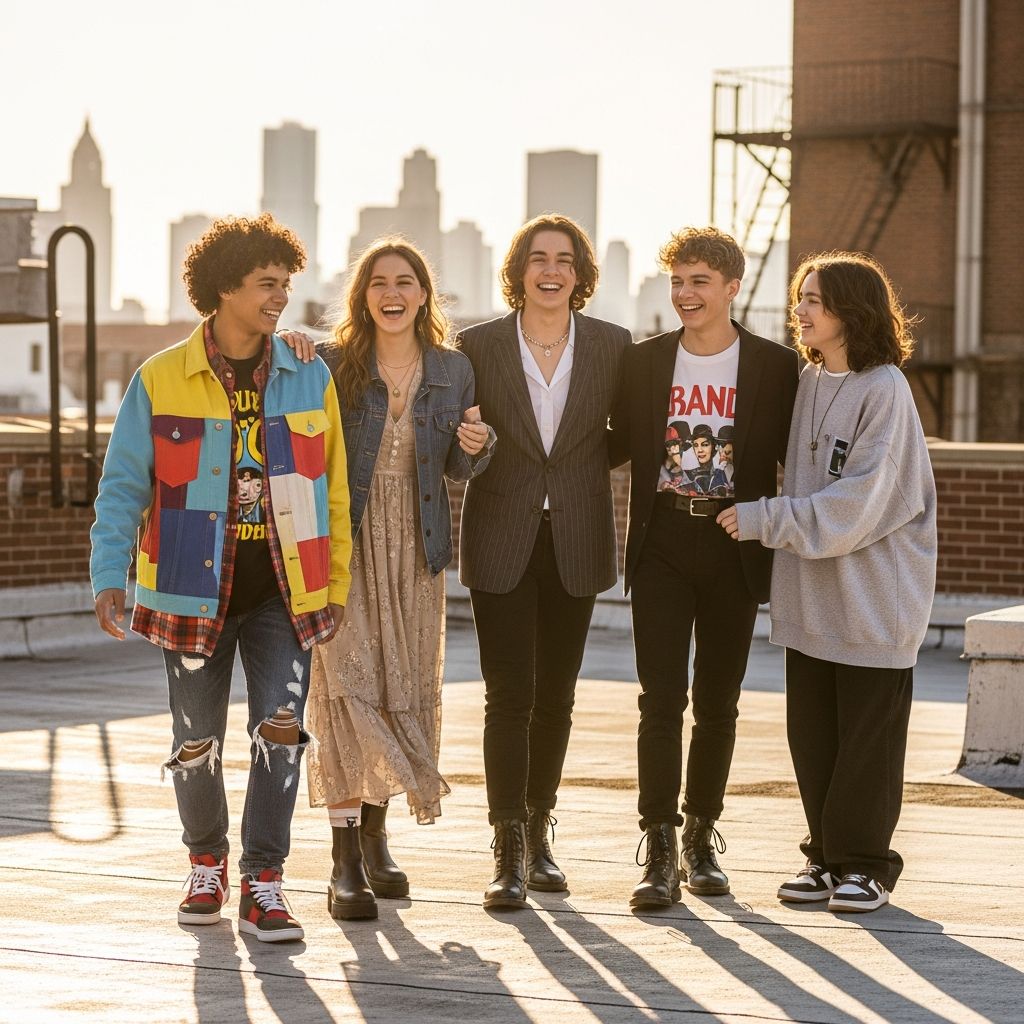
Granting teenagers the liberty to select their own attire plays a pivotal role in their psychological growth, enabling them to explore personal identity amid the turbulent years of adolescence. This approach not only cultivates self-assurance but also strengthens parent-child relationships by demonstrating trust and respect for emerging autonomy.
The Psychological Boost from Personal Style Choices
Adolescents often experience heightened self-consciousness, making clothing a powerful tool for shaping their emotional landscape. Research in fashion psychology reveals that outfits aligned with personal taste can elevate mood and behavior through a phenomenon known as enclothed cognition, where attire directly impacts cognitive processes and self-perception. For instance, wearing preferred garments can instill a sense of empowerment, helping teens face daily challenges with greater resilience.
During puberty, hormonal shifts amplify the need for external validation, and clothing serves as an accessible means to assert individuality. Studies indicate strong links between wardrobe preferences, personality traits, and momentary emotional states, with mood emerging as a key predictor of style selection among teenage girls. Parents who impose strict dress codes may inadvertently stifle this natural process, leading to rebellion or diminished self-worth.
- Confidence Surge: A well-chosen outfit acts as armor, reducing anxiety in social settings.
- Mood Regulation: Vibrant colors or comfortable fabrics can mirror and uplift internal feelings.
- Behavioral Influence: Formal wear might encourage focus, while casual styles promote relaxation.
Fashion as a Gateway to Identity Formation
Teenage years mark a critical phase of self-discovery, where clothing becomes a non-verbal language for communicating evolving identities. By experimenting with trends, teens signal affiliations with peer groups, forging connections that are vital for social development. Denying this freedom risks isolating them from essential belonging networks.
Social media amplifies this dynamic, exposing youth to global styles that inspire creativity alongside conformity pressures. While platforms like TikTok drive fast fashion adoption, they also provide avenues for unique expression, allowing teens to curate looks that reflect their true selves despite algorithmic influences. Parents can guide rather than dictate, discussing choices to reinforce positive outcomes.
| Aspect | Restricted Choices | Autonomous Choices |
|---|---|---|
| Self-Perception | Frustration and resentment | Enhanced pride and authenticity |
| Social Bonds | Potential exclusion | Stronger peer integration |
| Family Ties | Increased conflicts | Mutual respect and dialogue |
Navigating Social Pressures and Media Influence
Contemporary teens contend with relentless digital bombardment, where influencers dictate fleeting trends, often prioritizing conformity over originality. This can foster insecurities, including body dysmorphia, as youth compare themselves to filtered ideals. However, personal wardrobe control empowers them to resist these tides, blending trends with individual flair.
Psychological studies highlight how media-saturated environments accelerate sexualized clothing adoption, potentially hastening behavioral shifts before emotional maturity catches up. Thoughtful parental involvement—such as setting modest boundaries on appropriateness—balances freedom with safety, preventing extremes like provocative attire in school settings.
Encouraging critical media literacy helps teens discern genuine self-expression from manufactured hype. For example, discussing the pitfalls of fast fashion’s environmental toll alongside its psychological hooks promotes informed decisions.
Building Trust and Communication in Families
Allowing clothing autonomy signals to teens that their opinions matter, fostering open dialogues on deeper issues. Conflicts over outfits often mask broader concerns like independence or peer acceptance; addressing them head-on builds relational resilience.
Veteran educators note that first impressions from attire influence judgments, underscoring the stakes for teens in academic environments. Parents can collaborate by agreeing on context-specific guidelines, such as neat attire for interviews, while permitting experimentation at home or casual outings.
- Establish clear, reasonable limits tied to occasions.
- Express genuine interest in their style inspirations.
- Model diverse, confident dressing to inspire healthy habits.
Potential Pitfalls and How to Mitigate Them
While freedom yields benefits, unchecked choices might lead to extremes influenced by negative peers or mental health struggles. Signs of distress include sudden drastic style shifts or withdrawal from grooming, often linked to anxiety or depression. Vigilant yet non-intrusive monitoring is key.
Body shaming from mismatched trends exacerbates vulnerabilities, as teens chase unattainable standards. Counter this by emphasizing inner qualities over aesthetics and promoting inclusive body positivity discussions.
Long-Term Advantages for Adolescent Development
Teens granted wardrobe agency develop superior decision-making skills, translating to other life domains. This nurtures emotional intelligence, as they learn to balance personal desires with societal norms. Over time, such empowerment correlates with higher self-esteem and adaptive social behaviors.
In educational contexts, confident presentation enhances participation and leadership potential. Families benefit from reduced power struggles, creating space for meaningful interactions.
Frequently Asked Questions
What if my teen’s clothes seem inappropriate for school?
Discuss school policies collaboratively and suggest compromises, like layering options, to respect rules while honoring their style.
Does fashion freedom encourage materialism?
Not inherently; teach budgeting and sustainability to frame choices responsibly, turning potential pitfalls into learning opportunities.
How can I address safety concerns with bold outfits?
Set venue-specific guidelines, focusing on context rather than outright bans, and emphasize situational awareness.
Will allowing choices lead to rebellion?
Paradoxically, no—autonomy reduces defiance by validating their maturity, as supported by developmental psychology insights.
At what age should I start giving clothing freedom?
Begin around early teens (12-14), scaling up with demonstrated responsibility, aligning with identity formation peaks.
Strategies for Parents to Support Healthy Expression
Implement a phased approach: Start with weekend freedoms, expanding as trust builds. Host family style shares to normalize discussions.
- Research trends together via safe platforms.
- Curate thrift or sustainable wardrobes affordably.
- Celebrate unique choices with positive reinforcement.
Ultimately, viewing clothing as a developmental ally transforms potential battlegrounds into bridges of understanding. Teens thrive when empowered to dress their truths, emerging as self-assured adults ready for life’s wardrobe of challenges.
References
- The Psychology of Dressing: How Your Clothes Affect Your Mood and Behavior — The Teen Magazine. 2023. https://www.theteenmagazine.com/the-psychology-of-dressing-how-your-clothes-affect-your-mood-and-behavior
- The Fall of Individualism in Teen Fashion — The Shield (WHS). 2025-01-30. https://whstheshield.com/2025/01/30/the-fall-of-individualism-in-teen-fashion/
- Fashion as a Catalyst for Teen Self-Expression — CatlinSpeak. 2023. https://www.catlinspeak.com/speak/fashion-as-a-catalyst-for-teen-self-expression
- The Psychological Impacts of Latest Fashion on Teenagers — ISROSET (PDF). 2018. https://www.isroset.org/pub_paper/IJSRMS/18-IJSRMS-02524.pdf
- A Study of Psychological Effect of Fashion on the Personality of… — Medical Science Journal (PDF). 2019. https://www.medicalsciencejournal.com/assets/archives/2019/vol5issue3/5-3-12-765.pdf
- Media and Clothing Market Influence on Adolescent Girls — BYU Forever Families. 2023. https://foreverfamilies.byu.edu/media-and-clothing-market-influence-on-adolescent-girls-warnings-for-parents
- Fashion Psychology Significant in Teens’ Clothing Choices — The Torch. 2023. https://ohtorch.com/5766/features/fashion-psychology-significant-in-teens-clothing-choices/