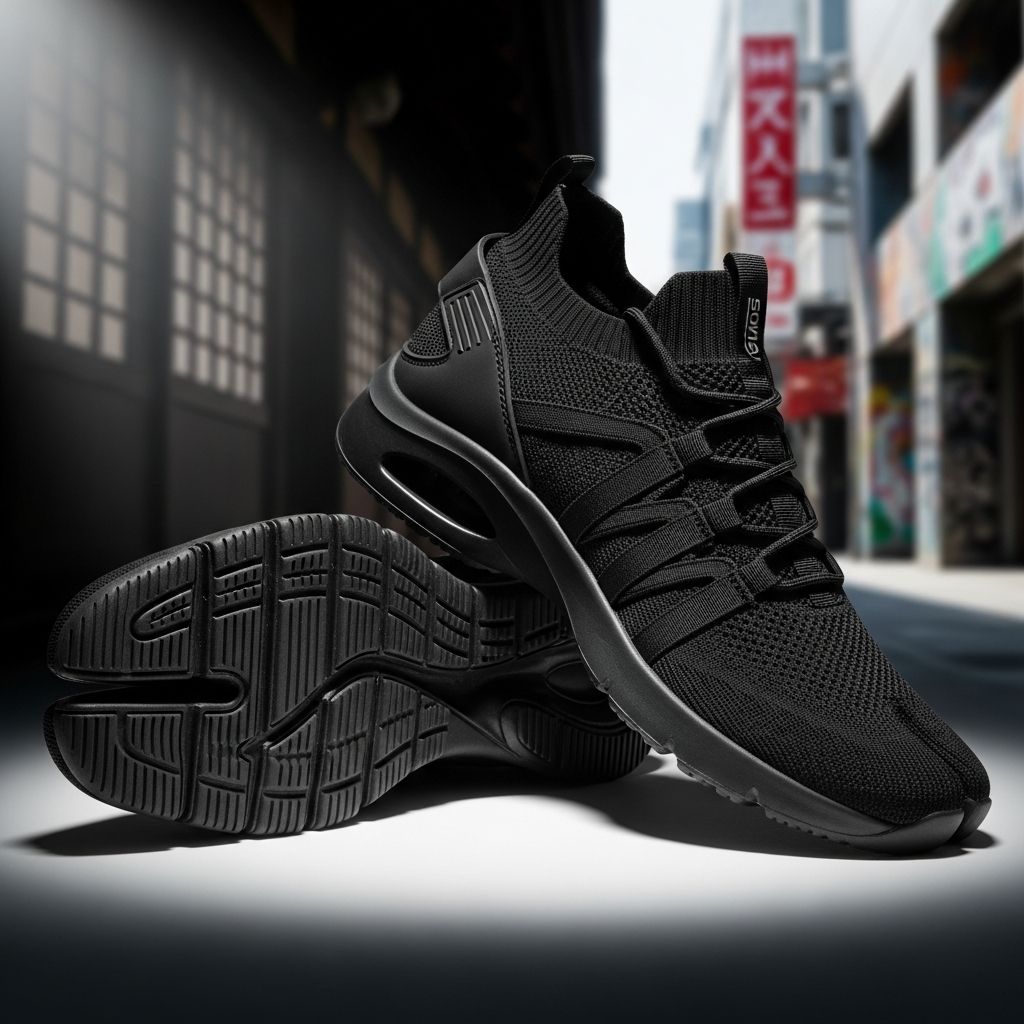
Ninja shoes, once associated with silent movement and covert missions, are now turning up on city sidewalks, in martial arts studios, and even in minimalist fashion lineups.
What Exactly Are “Ninja Shoes”?
When people say ninja shoes today, they usually mean lightweight, flexible footwear inspired by traditional Japanese jikatabi and tabi boots, recognizable by their split-toe design.
Instead of a single rounded front, the big toe is separated from the rest, creating a distinctive silhouette that also serves a functional purpose in balance and grip.
- Split-toe structure that isolates the big toe.
- Thin, flexible soles that enhance ground feel and agility.
- Lightweight uppers for freedom of movement and breathability.
A Brief Journey from Fields to Night Missions
Long before they became associated with elusive warriors, split-toe shoes were practical workwear for laborers, carpenters, and festival participants in Japan.
Over time, the same features that helped people stand securely on uneven ground also made the footwear appealing for martial arts practitioners who needed silent, precise footwork.
- Work crews valued the deep ground contact for climbing, carrying, and balancing.
- Martial artists adopted the design for quick pivots, jumps, and rolls.
- Modern enthusiasts now borrow the aesthetic for street fashion and athletics.
Key Features That Make Ninja Shoes Unique
Ninja shoes stand out not just visually but also in how they interact with the body. They are often compared with barefoot or minimalist shoes due to their low profile and flexibility.
The elements below shape the overall wearing experience and determine whether a given model is better suited for training, work, or everyday use.
Split-Toe Design
The separation of the big toe creates a clamp-like effect, letting the foot engage with the ground almost like a hand grasping a surface.
This can support more controlled push-offs, better balance on narrow edges, and a heightened sense of where the body is positioned in space.
Flexible, Low-Profile Sole
Most ninja shoes use a relatively thin, bendable sole that allows the foot to move more naturally than in stiff, thick-soled footwear.
Some models approximate barefoot walking, encouraging a forefoot or midfoot strike rather than a heavy heel-first step.
Lightweight and Form-Fitting Uppers
Canvas, cotton blends, leather, or synthetic uppers are cut to hug the foot and ankle closely, which helps avoid loose fabric that could snag or flap while moving quickly.
Depending on the style, closures can include hooks, laces, Velcro, or hidden zips that make the shoe feel more like a second skin than a conventional sneaker.
Types of Ninja-Inspired Footwear
Not all ninja shoes are built for the same purpose. Some prioritize stealth and flexibility, while others emphasize durability and street-ready styling.
The overview below outlines popular categories and the kinds of activities each usually suits best.
| Type | Main Features | Best For |
|---|---|---|
| Traditional jikatabi boots | Canvas upper, split toe, thin rubber sole, often mid-calf length | Martial arts, festivals, light outdoor work |
| Martial arts ninja shoes | High flexibility, reinforced sole, secure ankle closure | Ninjutsu practice, acrobatics, stage performance |
| Modern tabi sneakers | Split-toe front with cushioned sport sole | Daily wear, urban walking, casual outfits |
| Minimalist split-toe runners | Very thin sole, breathable upper, barefoot feel | Short-distance running, training, gym workouts |
| Work-focused tabi boots | Thicker sole, sometimes protective toe, grippy tread | Trades, construction, gardening, farm tasks |
Benefits of Wearing Ninja Shoes
Ninja shoes are not just a novelty; many wearers are drawn to them for functional reasons, from posture to agility.
While experiences vary, several potential advantages are frequently reported by enthusiasts and practitioners.
- Enhanced balance: The split toe and thin sole can make subtle weight shifts easier to feel and control.
- Improved ground feel: Being more aware of the surface underfoot may encourage lighter, more deliberate steps.
- Greater flexibility: The foot and ankle often enjoy a wider range of motion compared with rigid shoes.
- Quiet movement: Soft, flexible soles can help reduce footfall noise, a useful trait in both martial arts and everyday life.
- Distinctive style: The unusual silhouette offers a conversation-starting alternative to standard sneakers and boots.
Things to Consider Before Switching
Despite their appeal, ninja shoes are not automatically the right choice for every situation or every pair of feet.
It helps to consider foot health, environment, and personal comfort before adopting them as daily footwear.
- Foot shape and toe spacing: People with closely spaced toes or certain structural conditions may need time to adapt or may prefer hybrid models with a gentler split.
- Surface and terrain: Thin soles can feel sharp on gravel or debris, so some users choose thicker-soled versions for outdoor work.
- Support needs: Those who rely on strong arch or ankle support may need medical advice before moving to a more minimalist design.
- Dress codes: Some workplaces and formal events require conventional shoes, so ninja styles may be better reserved for leisure or training.
How to Start Wearing Ninja Shoes Safely
A sudden switch from thick, cushioned footwear to flexible ninja shoes can feel dramatic, especially if your feet are not used to working so actively.
A gradual approach can help reduce discomfort and give muscles, tendons, and joints time to adapt.
Step-by-Step Transition Plan
- Begin indoors: Wear your new ninja shoes at home for short sessions, such as 15–30 minutes, to get used to the split toe and thinner sole.
- Add light errands: Once comfortable around the house, use them for brief walks on smooth, predictable surfaces.
- Monitor feedback: Pay attention to any persistent pain in the feet, calves, or knees; mild fatigue can be normal but sharp or lasting pain is a signal to slow down.
- Increase duration gradually: Expand wear time over several weeks instead of switching all at once.
- Combine with strengthening: Simple exercises such as toe spreads, calf raises, and foot doming can support the transition.
Styling Ideas for Everyday Outfits
Part of the fun of ninja shoes is integrating them into modern clothing without looking like you just stepped out of a stage performance or training hall.
By playing with proportions, textures, and colors, you can make the distinctive silhouette look intentional and fashion-forward.
Casual Streetwear
- Pair black tabi-style sneakers with slim joggers and an oversized hoodie for an athletic, urban look.
- Use neutral-colored ninja shoes with cropped chinos and a simple tee for a minimalist aesthetic.
- For colder weather, combine high-cut ninja boots with cuffed jeans and a long coat.
Creative Office Looks
- Choose leather split-toe boots in a muted color and wear them with tailored trousers and a clean button-up shirt.
- Keep the rest of the outfit classic so the shoes can serve as a subtle focal point.
- Coordinate sock color (if visible) with either the shoes or trousers to avoid visual clutter.
Training and Movement Practice
- Match martial arts–style ninja shoes with flexible training pants that allow high kicks and deep stances.
- Use moisture-wicking fabrics to keep feet and ankles dry during intense sessions.
- Choose darker colors for practice surfaces that may stain light fabric or leather.
Care and Maintenance Tips
With regular care, ninja shoes can remain both functional and visually appealing for a long time, even when used in demanding environments.
Maintenance needs vary slightly between canvas, synthetic, and leather models, but the general principles are similar.
- Clean gently: Remove surface dirt with a soft brush or cloth; spot-clean stains rather than soaking the entire shoe when possible.
- Dry thoroughly: Air-dry away from direct heat sources to prevent warping or cracking.
- Protect the sole: Inspect for wear patterns and consider rotating pairs if you use them daily.
- Condition leather: For leather ninja boots, occasional conditioning keeps the material supple and more resistant to water.
Frequently Asked Questions About Ninja Shoes
Are ninja shoes comfortable to wear all day?
Comfort depends on foot shape, arch type, and personal preference. Many people find the flexible, low-profile feel liberating once they adjust, but others may prefer more cushioning or structure for very long days on their feet.
Do I need to practice martial arts to wear them?
No. While martial artists helped popularize these designs, they are increasingly worn by people who simply like the look, the ground feel, or the minimalist walking experience.
Can I run in ninja shoes?
Certain models are made for running and other athletic activities, but they generally require a careful transition from thick, cushioned footwear. It is wise to start with short, easy runs and build up slowly.
Are ninja shoes suitable for cold or wet weather?
Some designs include thicker soles, water-resistant uppers, or insulating liners that perform better in cold or damp conditions. Others are very lightweight and breathable, making them more suitable for mild or indoor climates.
How should ninja shoes fit?
They should feel secure around the midfoot and heel, with the split toe comfortably separating the big toe without pinching. There should be enough room to wiggle the toes, but not so much that the foot slides around inside.
Final Thoughts
Ninja shoes bridge a fascinating gap between historical craftsmanship and modern lifestyle footwear, offering a blend of agility, ground feel, and bold visual character.
Whether used for training, work, or streetwear, they invite wearers to move more intentionally and to rethink what shoes can look and feel like in daily life.