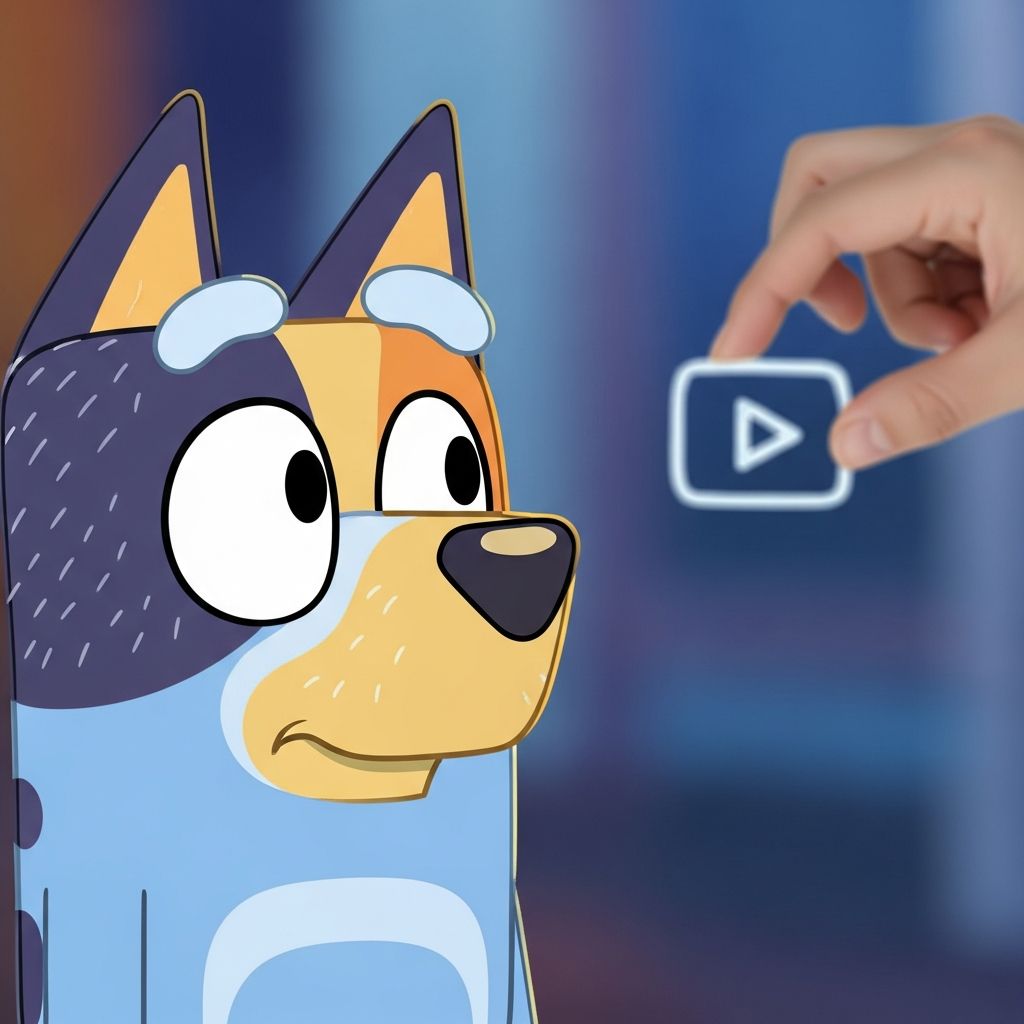
Bluey is often praised as one of the most thoughtful and emotionally rich preschool shows on television, which is why many parents are surprised to learn that not every episode is available everywhere. Some installments are edited, others temporarily pulled, and a few never even make it to certain streaming services. These decisions raise big questions: what counts as “too much” for kids, who gets to decide, and how should families respond when a favorite show is quietly trimmed?
This article explores the main reasons some Bluey episodes have been censored or banned in different countries, what those choices reveal about cultural values, and how parents can turn the controversy into meaningful conversations with their kids. It is based on public reporting about Bluey’s broadcast history and censorship decisions while presenting fully original structure, explanations, and wording.
Why Bluey Faces Censorship At All
At first glance, Bluey seems like the last show that would spark debate. It follows a family of animated heelers who mostly spend their time playing imaginative games, working through feelings, and gently learning life skills. Yet even this wholesome setup occasionally runs into broadcasting rules or corporate content policies that are stricter than many parents expect.
Censorship does not mean Bluey is secretly harmful; instead, it reflects how cautious networks and streaming platforms have become about preschool content. When a single joke can be interpreted as unsafe, insensitive, or not age-appropriate in one region, companies often choose the simplest solution: remove the reference, swap a line of dialogue, or hold the whole episode back.
Common Triggers for Edits and Bans
The episodes that run into trouble tend to share a handful of sensitive themes. While details vary from country to country, several patterns appear across the major edits that have been discussed publicly.
Understanding those patterns helps parents see that censorship is usually less about condemning Bluey and more about caution around young viewers and global audiences.
Physical Risk and “Copycat” Play
One recurring concern is whether scenes might inspire kids to mimic unsafe behavior. For example, some broadcasters have removed or altered moments where a character slides around on a wet bathroom floor or plays a game that could easily lead to bumps, slips, or more serious injuries if children tried it at home.
In those cases, the story itself usually remains gentle and comedic, but a specific shot or gag gets cut in overseas versions. The logic is simple: if a preschooler is likely to imitate what they see, channels prefer to avoid anything that looks like an accident waiting to happen.
Toilet Humor and Bodily Functions
Another major censorship trigger is bathroom jokes. Several episodes have been edited because they showed or strongly implied poop, farting, or pretend vomiting, even when the humor was clearly cartoonish and mild by adult standards.
These edits take different forms, such as trimming a shot of animal droppings, rewriting a line so that a gross-out punchline becomes something more neutral, or initially skipping an episode that centers around flatulence before later reinstating it after audience pushback.
Language With Offensive or Cultural Baggage
Some censorship decisions arise from words that seem silly to one viewer but carry a painful history for another. A few Bluey episodes originally included a nonsense phrase that was later recognized as having racist or derogatory connotations for certain Indigenous or ethnic groups.
Once those concerns were highlighted, international versions removed or redubbed those scenes. The change underscores a broader principle: what sounds like harmless babble to a child can still echo language that marginalizes real communities, and children’s media has to navigate that reality.
Body Image and Health Messages
Bluey occasionally touches on adult anxieties, including how parents feel about their own bodies. In at least one case, scenes in which a character comments negatively on their weight or shape were criticized for reinforcing harmful ideas about body image and dieting, even though the episode ultimately framed the character’s health in a positive light.
As a result, later releases removed or reworked the most problematic moments, aiming to keep the reassurance (“you are healthy”) without modeling self-loathing or body-shaming language that children might internalize.
Sensitive Topics Around Birth and Bodies
There is also at least one Bluey episode that was never added to some major streaming platforms because it centers on a comedic role-play of pregnancy and birth, with a parent pretending to “give birth” in an exaggerated, slapstick way.
Nothing explicit is shown, but executives appear to have decided that even a playful depiction of childbirth was not the right fit for their preschool catalog. Interestingly, the same episode is available in other regions through different services, illustrating how subjective these standards can be.
How Different Regions Handle Bluey
Because Bluey airs in multiple countries and on different platforms, there is no single “official” version. The same title can look slightly (or significantly) different depending on where a family watches it. Some distributors keep the original Australian version intact; others request small edits before acquiring rights.
This patchwork approach can confuse fans, who notice that friends in another country have access to episodes or moments that never appear on their own streaming menus.
Broadcast TV vs. Streaming Platforms
Traditional TV channels typically answer to local regulators and follow country-specific broadcasting codes. If a standards board flags an issue—such as a risky stunt or a slur-like phrase—networks might edit a scene or air a toned-down version during children’s programming blocks.
Streaming platforms, by contrast, often apply a single internal policy to all kids’ content worldwide. This sometimes leads to stricter decisions, like refusing to host an otherwise popular episode that bumps against their global guidelines for preschool material.
Australia Versus International Versions
In Australia, where Bluey is produced, many episodes originally went to air in their uncut form. Some controversial elements were later changed only after concerns were raised or when international distribution began.
Outside Australia, viewers are more likely to encounter edited versions from the start, especially on global streaming services that aim for a uniform family-friendly brand. That means an episode that felt normal and unremarkable in its home country might arrive in the United States or Europe already trimmed.
What Censorship Reveals About Kids’ Media Priorities
Strong reactions to these changes—both from parents who support them and from fans who oppose them—show how invested people are in what kids watch. Censorship decisions highlight at least three core priorities in today’s children’s television landscape: safety, inclusivity, and corporate risk management.
Bluey ends up at the center of that conversation because it is so popular and because it regularly pushes beyond simple jokes into real-life complexity.
Safety First, Sometimes to a Fault
The focus on preventing copycat behavior stems from a genuine desire to keep young viewers safe. No network wants to be associated with a child slipping on tiles while reenacting a favorite scene. That said, some parents argue that constant removal of any risky-looking play erases opportunities to model safer choices and talk about consequences.
Bluey often shows parents supervising imaginative games and intervening when needed, which can provide helpful examples of healthy risk-taking. When those moments are cut down too aggressively, the show may lose some of its realism and teaching value.
Respecting Communities and Identities
Edits around slurs or racially charged language reflect a growing understanding that jokes grounded in stereotypes are not acceptable, even when aimed at preschoolers who might not fully grasp their meaning. Removing those words is less about protecting kids from explicit hate and more about respecting communities that have long been the butt of such jokes.
For parents, these changes can spark age-appropriate conversations about why some words hurt and why shows sometimes update older episodes to better reflect what is considered respectful today.
Body Image and Emotional Health
When scenes that depict negative self-talk or weight obsession are edited, the underlying message is that young kids should not learn to tie their worth to a number on a scale or a particular look in the mirror. Even if the episode’s ending is positive, censors worry that children might repeat the self-critical lines more than the reassurance.
Parents noticing those edits can use them to emphasize healthy relationships with food, movement, and bodies, focusing on how people feel and function rather than how they look.
Examples of Changes: A Quick Overview
The specifics differ from episode to episode, but many fall into recognizable categories of change. The table below outlines typical types of edits without reproducing copyrighted content from any particular show.
| Type of change | Usual reason | Typical impact on story |
|---|---|---|
| Removing a brief shot | Dangerous imitation risk (slippery floors, rough play). | Joke becomes milder, but plot usually intact. |
| Redubbing a line | Word has offensive or ambiguous meaning in some cultures. | Dialogue changes slightly; overall theme the same. |
| Softening a punchline | Toilet humor or implied bodily functions deemed inappropriate. | Gag becomes less gross; kids may not notice the swap. |
| Removing a short scene | Concerns about body-shaming or negative self-talk. | Emotional nuance may be reduced to avoid harmful modeling. |
| Not releasing an episode | Topic clashes with platform’s preschool policy (e.g., comedic birth). | Entire story is missing from specific catalogs. |
How Parents Can Navigate Missing or Edited Episodes
For many caregivers, the biggest frustration is not the edits themselves but the lack of transparency. An episode might be absent or slightly different without any on-screen explanation. This leaves families wondering what changed and why.
Fortunately, there are practical steps parents can take to stay informed and keep Bluey—and any other show—aligned with their own values.
Practical Tips for Families
- Research episode guides: Fan wikis and reputable entertainment outlets often maintain lists of edited or unavailable episodes, summarizing the reasons in neutral language. This helps parents decide what they are comfortable with in advance.
- Watch new episodes together first: Co-viewing allows adults to notice potentially tricky jokes or themes and pause to explain if needed, instead of relying solely on a rating label.
- Use edits as conversation starters: If older siblings mention a missing joke or parents read about a change, that contrast can open discussions about words that hurt, safe versus unsafe play, or how families feel about toilet humor.
- Balance guidance with trust: While it is reasonable to skip content that feels wrong for your household, it is also valuable to show kids how to think critically about what they see instead of just hiding every uncomfortable idea.
Turning Censorship into Learning Opportunities
Bluey’s censorship stories can actually help families model media literacy at an early age. Children quickly notice when adults talk about “grown-ups changing the show” or when an older cousin remembers a line that no longer appears in the episode.
Handled gently, these moments teach that TV is created by real people who sometimes make mistakes, learn, and adjust over time—just like the characters on screen.
Questions to Explore With Kids
- “Why do you think some people didn’t like that word or joke?”
- “How might someone feel if they heard people laughing at something that describes them?”
- “What would be a safer way to play that game at home?”
- “What could the characters say instead that would still be funny but not hurtful?”
These questions invite empathy, creativity, and critical thinking, turning a behind-the-scenes decision into a chance to practice the same emotional skills Bluey is famous for.
Frequently Asked Questions About Bluey and Censorship
Are banned Bluey episodes dangerous for kids?
In general, the episodes that have been pulled from specific platforms are not “dangerous” in the sense of containing graphic or explicit material. Instead, they usually involve concerns about copycat risky play, crude humor, or potentially offensive language. Parents who choose to access these episodes through other legal means often decide case by case, based on their children’s age and maturity.
Why does my friend in another country get episodes we do not?
Different countries have different broadcasting rules and cultural norms, and streaming services layer their own internal policies on top of that. As a result, a Bluey episode that airs uncut on TV in one region might arrive slightly edited—or not at all—on a global platform elsewhere.
Will edited episodes ever be restored?
Sometimes, yes. In at least one case involving jokes about flatulence, fan criticism led a major platform to eventually add the previously skipped episode, suggesting that decisions are not always final. However, when edits respond to serious issues like racial slurs or body-shaming, those changes are more likely to remain permanent.
How can I explain missing content to my child without oversharing?
For younger kids, a simple explanation is enough: “Some grown-ups decided that part wasn’t the best idea for little kids, so they changed it.” Older children can handle a bit more detail, such as why a word was hurtful or a game looked unsafe, but explanations can still stay age-appropriate and focused on kindness and safety.
Should censorship affect whether we let our kids watch Bluey?
For most families, the answer is no. Bluey remains widely regarded as a thoughtful, emotionally rich show that models empathy, imagination, and healthy family dynamics. Knowing that certain episodes or lines have sparked debate simply gives parents more context and more opportunities to talk with their kids about the world around them.
Final Thoughts: Bluey as a Mirror of Changing Values
The story of Bluey’s censored and banned episodes is less about scandal and more about how children’s media is evolving. As societies become more aware of issues like racial sensitivity, body image, and the impact of representation, even beloved shows are expected to grow and adapt.
For parents, the best response is not panic but curiosity. By asking why a scene was changed, what values the change reflects, and how those values align—or do not—with your own family’s beliefs, Bluey’s behind-the-scenes edits can become just another springboard for the thoughtful, playful conversations that the show itself inspires.