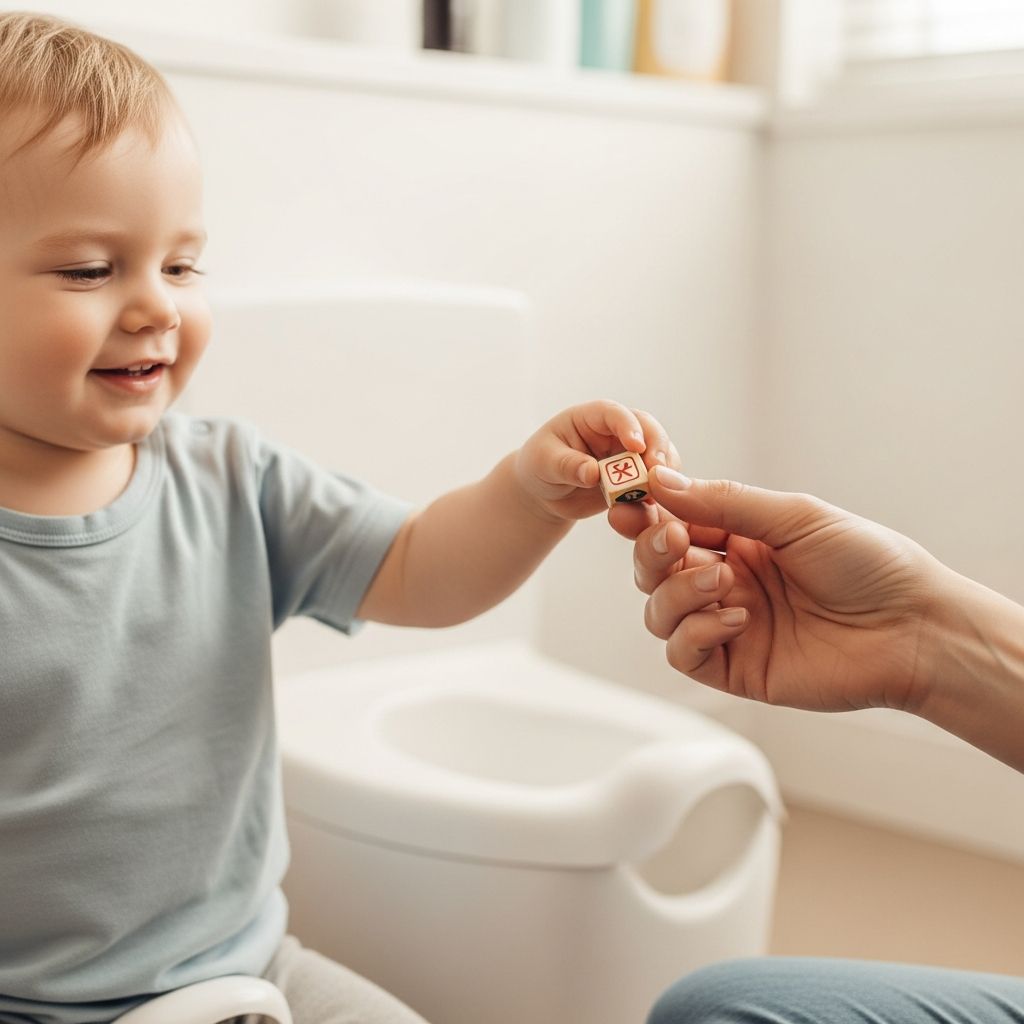
Potty training sits at the crossroads of your toddler’s growing independence and your desire to leave diapers behind. It is also the stage where many parents reach for stickers, treats, toys, and promises in hopes of speeding up the process. Rewards can help when used thoughtfully, but they can also backfire if they become the only reason your child uses the potty. This guide explores how to support your toddler through potty training with or without rewards, and how to keep the process respectful, calm, and sustainable.
Understanding What Potty Training Really Teaches
Potty training is not just about getting waste into the toilet; it is about teaching body awareness, self-control, and confidence. When parents see it only as a checklist (“dry all day,” “no more diapers”), they may lean too hard on bribes and pressure. By reframing potty training as a learning journey, it becomes easier to choose strategies that respect your child’s pace.
Instead of asking, “How do I make my child use the potty?” a more helpful question is, “How do I help my child feel capable and safe learning this new skill?” That shift turns rewards into optional tools rather than the core of your strategy.
Rewards vs. Bribes: What Is the Real Difference?
The words “reward” and “bribe” are often used interchangeably, but in parenting they have important differences. A reward is planned ahead of time, calmly discussed, and linked to effort or progress. A bribe usually happens in the heat of the moment when emotions are high and the goal is to stop a behavior immediately.
For example, setting up a sticker chart before you start and explaining, “Every time you try to use the potty, you can put a sticker on your chart,” is a reward system. Offering a candy while pleading, “If you go right now I’ll give you chocolate; please just try,” is closer to bribery and can unintentionally teach your child to resist until the stakes are raised.
Common Types of Potty Training Rewards
Parents often experiment with different rewards without stopping to think about what they are really reinforcing. A quick overview of the most common types can help you choose what aligns with your values and your child’s temperament.
- Sticker charts: Children earn stickers for trying, sitting, or successfully using the potty, often leading to a bigger reward after a certain number of stickers.
- Tangible treats: Small food items, tiny toys, or coins offered for each success.
- Privilege-based rewards: Extra bedtime story, special game with a parent, or choosing the family’s afternoon activity.
- Social rewards: High-fives, clapping, cheering, and proud phone calls or video messages to grandparents.
Quick Overview of Common Reward Options
| Reward Type | Potential Benefits | Possible Drawbacks |
|---|---|---|
| Sticker charts | Visual progress, easy to phase out, non-edible. | Can lose novelty; child may demand bigger prizes. |
| Treats or toys | Highly motivating in the short term. | Risk of constant bargaining; may overshadow internal motivation. |
| Privileges | Focuses on shared experiences; less clutter and sugar. | Harder to deliver immediately every time. |
| Social praise | Builds connection and self-esteem when genuine. | Over-the-top reactions can create pressure or performance anxiety. |
The Hidden Risks of Overusing Rewards
Rewards can be helpful tools, but they also come with hidden costs when they become the main focus. If your child starts to see the potty as just a ticket to candy or toys, they may lose interest in the natural benefits of feeling dry and comfortable. Some children even start to withhold urine or bowel movements in order to negotiate for something better.
Another risk is escalating demands. Once a toddler learns that parents will “sweeten the deal” if they say no, they may begin testing how far they can push. This can turn everyday bathroom trips into negotiations, which is exhausting for everyone and distracts from the real goal: listening to the body and using the potty as a normal part of daily life.
When Rewards Can Be Genuinely Helpful
Used sparingly and intentionally, rewards can act like training wheels: supportive at first, but not meant to stay on forever. They can be particularly useful when introducing the idea of the potty, helping a nervous child feel curious enough to try. For a reluctant or anxious toddler, a simple, predictable reward can make the first steps less intimidating.
Rewards can also structure the day for some children. Knowing that they earn a sticker for each attempt, not just for success, encourages them to practice without feeling punished for accidents. Over time, those opportunities to try build both skill and confidence.
Setting Up a Healthy Reward System (If You Choose to Use One)
If you decide to include rewards in your potty training plan, a few guiding principles can help you prevent bribery and power struggles. The goal is to use rewards to highlight effort and progress, not to control your child’s body or feelings.
- Keep rewards small and simple. Tiny stickers, stamps, or a marble in a jar can be just as effective as sweets or toys, without turning every trip into a transaction.
- Reward effort, not just outcomes. Give credit for sitting on the potty, telling you they need to go, or staying dry for a certain period, not only for a full success.
- Stay calm and consistent. Let the reward be a predictable routine, not something added only when you are desperate or frustrated.
- Avoid threats or removal of basic needs. Never take away comfort items, meals, or affection as a consequence for accidents.
Why Internal Motivation Matters More Than Stickers
Internal motivation is the inner sense of “I want to do this because it feels right or good to me,” rather than “I will only do this if I get something.” For potty training, internal motivators include feeling clean, proud, grown-up, and in control of one’s body. These motivations last far longer than excitement about a sticker chart.
When parents focus only on external rewards, some children miss the chance to connect success with those internal feelings. Over time, this can make them less likely to cooperate without a tangible prize, not just in potty training, but in other areas like helping, sharing, or following routines.
Practical Non-Reward Strategies That Still Work
Even if you avoid stickers or treats altogether, there are many effective ways to support potty learning. These strategies lean on communication, structure, and empathy rather than on prizes. They can be used alone or alongside a light reward system.
- Routine-based practice: Offer potty opportunities at predictable times, such as upon waking, before leaving the house, and before bathing.
- Modeling and storytelling: Let your child see family members calmly using the toilet and talk simply about what is happening.
- Choice and control: Let your child choose their potty seat, step stool, or underpants design to give them ownership of the process.
- Environment setup: Keep a potty easily accessible, with wipes, a favorite book, or a small toy nearby to make sitting more comfortable.
Responding to Accidents Without Shame or Pressure
Accidents are not failures; they are information. They show that your child’s body and brain are still learning to coordinate signals and timing. If parents react with anger, sarcasm, or disappointment, children may start to hide accidents, hold in bowel movements, or feel ashamed of their bodies.
A more constructive response is calm and practical: help your child clean up, involve them in simple steps like putting wet clothes in a hamper, and gently remind them, “Next time, let’s try to get to the potty sooner.” This approach preserves their dignity while quietly reinforcing the desired behavior.
How to Phase Out Rewards Gracefully
Rewards are not meant to last forever. Once your child is using the potty more consistently, it is helpful to slowly step them down so that the habit can stand on its own. This transition works best when done gradually, not overnight.
- Shift from every success to bigger milestones. Instead of a reward each time, celebrate when your child stays dry for a whole morning or day.
- Change the type of reward. Move from tangible items toward shared experiences like a walk to the park or a special game.
- Emphasize words over objects. Replace “Here is your prize” with “You listened to your body and used the potty. That shows how capable you are.”
Supporting Anxious or Resistant Toddlers Without Escalating Bribes
Some children are cautious by nature or have had a bad experience, such as a painful bowel movement. In those cases, increasing bribes rarely solves the root issue. The child may agree once for a large prize, then revert back to avoidance because the underlying fear remains.
What helps more is slowing down and addressing the fear directly. That might mean offering a footstool so legs do not dangle, using books or songs to create a relaxed mood, or talking with a pediatrician if constipation or pain is part of the picture. Gentle desensitization—such as sitting on the potty fully clothed at first—can feel safer than jumping straight to expectations of full success.
Balancing Encouragement and Autonomy
Potty training often triggers power struggles because it involves one of the few things a toddler can truly control: bodily functions. When adults try to push too hard, even well-meant rewards can feel like pressure. Respecting your child’s autonomy—while still offering guidance—helps prevent battles.
This can look like inviting instead of ordering: “Would you like to try the potty before we read your story?” rather than “You must go now or you will not get a sticker.” Over time, consistent invitations paired with calm reactions teach that the potty is normal, not a test of obedience.
Sample Gentle Potty Training Plan
Every child is different, but it can help to see what a balanced approach might look like in practice. The outline below uses optional rewards while keeping the focus on connection, routine, and internal motivation.
- Preparation phase (1–2 weeks): Read simple potty books, let your child explore the potty chair, and use accurate but calm language about pee and poop.
- Introduction phase (several days): Offer chances to sit on the potty at predictable times, with clothes on at first if that feels safer, then with pants down when your child is ready.
- Practice phase: If you are using rewards, introduce a small, clear system (such as a sticker for every try). Keep praise low-key and focused on effort.
- Adjustment phase: Expect and normalize accidents. Notice patterns (such as after meals) and adjust your schedule for more timely potty trips.
- Stabilizing phase: As success increases, gradually reduce rewards, replacing them with matter-of-fact encouragement and natural pride in staying dry.
Frequently Asked Questions
Is it wrong to use candy as a potty reward?
Using small treats occasionally is not automatically harmful, but it can quickly become a bargaining chip if used frequently. If your child begins refusing to try without candy, the reward has shifted toward bribery territory. Many families find it simpler to start with non-food rewards or focus on social praise and special time instead.
What if my child only goes for the reward?
In the early days it is normal for rewards to feel like the main motivation. Over time, gently redirect attention toward internal benefits: feeling dry, choosing big-kid underwear, or being able to play without stopping for diaper changes. Start spacing out rewards and increasing verbal acknowledgment of effort so that the behavior is no longer tied to a prize every time.
Should siblings or grandparents be involved in the reward system?
Extended family can offer encouragement, but too many people offering prizes can become overwhelming. If grandparents want to participate, it is helpful to agree on consistent language and limits, such as sharing proud words or a phone call rather than new toys or sweets at every success.
How do I know if my child is ready, with or without rewards?
Signs of readiness include staying dry for longer periods, showing interest in the bathroom, hiding to poop, or communicating (verbally or nonverbally) about wet or dirty diapers. If none of these signs are present, no amount of rewards will make potty training truly smooth; waiting a bit longer and preparing gradually may lead to faster progress later.
What if potty training becomes a daily battle?
When every mention of the potty turns into conflict, it is usually a sign that pressure—rewards included—has built up too high. Taking a short break, returning to diapers without criticism, and reconnecting through play can reset the emotional tone. After a few weeks, you can start again more gently, focusing on cooperation rather than compliance.
Key Takeaways for Parents
Rewards in potty training are optional tools, not essential ingredients. When used sparingly and thoughtfully, they can provide a little extra spark of motivation, but they should never replace empathy, routine, and respect for your child’s developing autonomy. By prioritizing internal motivation, calm communication, and realistic expectations, you can guide your toddler toward potty independence without relying on escalating bribes—or sacrificing your relationship in the process.