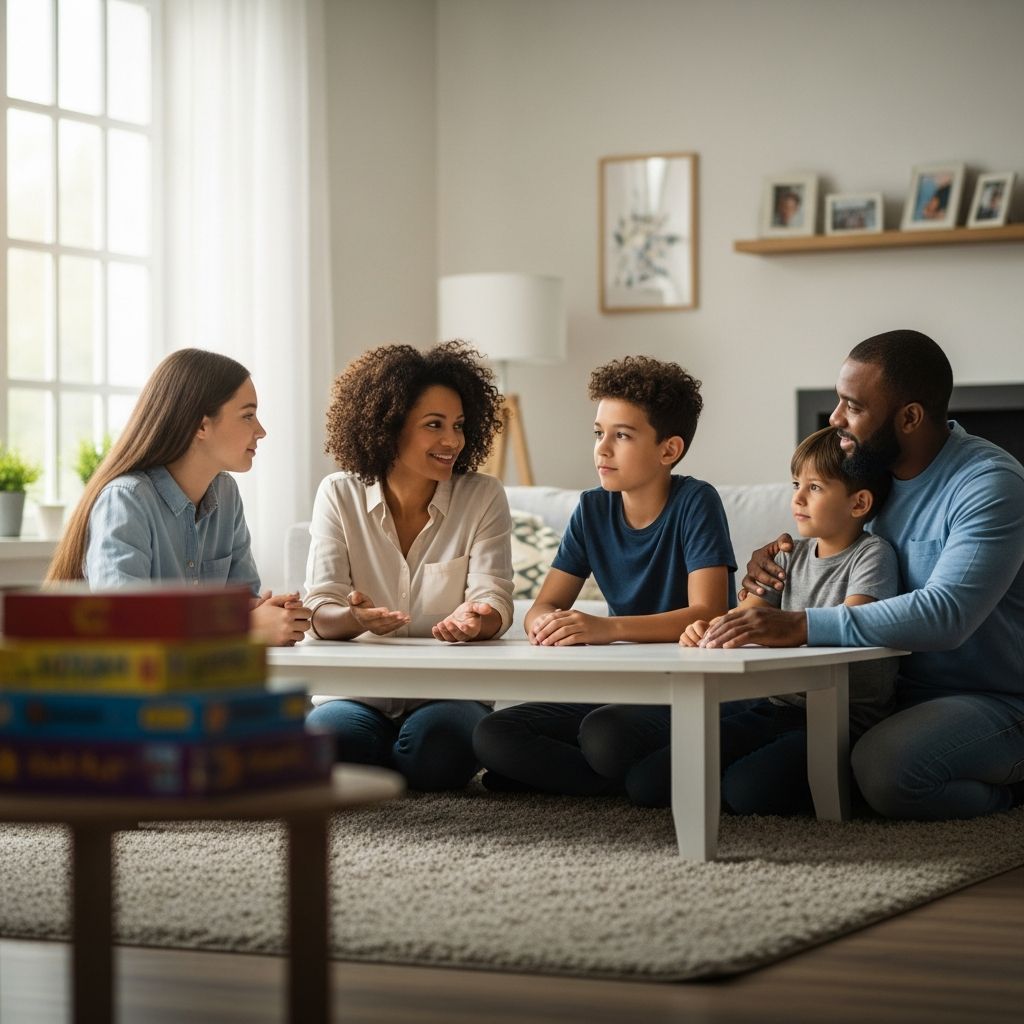
Disagreements between parents and teachers are common in the educational journey, often stemming from differing perspectives on a child’s needs, classroom dynamics, or academic progress. Addressing these issues promptly and constructively can transform potential tensions into opportunities for partnership, ultimately benefiting the student. This guide outlines comprehensive approaches drawn from expert recommendations to manage and resolve such conflicts effectively.
Understanding the Roots of Parent-Teacher Disagreements
Conflicts frequently arise from misunderstandings about teaching styles, discipline methods, or a child’s performance. For instance, parents accustomed to structured environments might view innovative approaches as lax, while teachers may see rigid expectations as outdated. External factors like family stressors can also manifest as behavioral or academic challenges in school, unbeknownst to educators unless communicated. Recognizing these roots—such as misaligned expectations or lack of shared information—is the first step toward resolution. By identifying the core issue, both parties can shift focus from blame to collaborative problem-solving.
Maintaining emotional awareness is crucial. Parents often feel protective, while teachers manage multiple students under pressure. Acknowledging these emotions prevents escalation and promotes empathy.
Establishing Strong Foundations for Communication
Preventive measures set the tone for healthy interactions. At the school year’s start, teachers should distribute detailed syllabi outlining classroom rules, teaching philosophies, and discipline policies. This transparency reduces surprises and aligns expectations. Parents, in turn, should review school handbooks to understand policies and protocols.
Regular, two-way communication channels—via email, apps, or portals—keep everyone informed. Proactive updates on progress, both positive and concerning, build trust. For example, sharing successes alongside areas for improvement fosters a balanced view. Parents can reinforce this by actively monitoring online grade portals and initiating check-ins.
Key Preventive Strategies
- Share syllabi early: Detail classroom management and expectations to avoid misconceptions.
- Use digital tools: Apps and portals for real-time updates on grades and behavior.
- Schedule routine updates: Monthly emails or calls to discuss highs and lows.
- Encourage home-school linkage: Teachers suggest home activities; parents share family context.
Initiating Constructive Conversations
When issues emerge, request a face-to-face meeting promptly rather than relying on email, which can misinterpret tone. Prepare by noting specific concerns, your child’s perspective, and potential solutions. Approach with positivity, focusing on shared goals like the child’s success.
During the meeting:
- Listen actively without interrupting to understand the teacher’s viewpoint.
- Express concerns using ‘I’ statements, e.g., ‘I notice my child feels overwhelmed by…’
- Highlight your child’s strengths to balance the discussion.
- Propose joint action plans with timelines.
Respect privacy and follow through on commitments, such as home support for assignments.
Navigating Challenging Interactions
Difficult conversations may involve emotional outbursts. Teachers should not take them personally, viewing them as concern for the child rather than attacks. Respond calmly, e.g., ‘I appreciate your passion; let’s discuss solutions.’ Parents should avoid accusations, staying factual and solution-oriented.
If tensions rise, take breaks to regroup. For abusive behavior, involve administration immediately.
| Scenario | Potential Cause | Recommended Response |
|---|---|---|
| Disagreement on teaching style | Mismatched expectations | Discuss philosophies; explore compromises like supplemental home activities. |
| Discipline concerns | Differing views on behavior management | Review policies; align on consistent strategies across home and school. |
| Academic struggles | Unshared external factors | Share context; create catch-up plans with timelines. |
| Communication gaps | Lack of updates | Establish regular check-ins via preferred channels. |
Escalation and Mediation Protocols
If direct talks stall, seek administrator involvement as a neutral mediator. Principals offer fresh perspectives and experience with similar cases. Document interactions factually for these discussions.
For special needs like IEPs, follow formal processes: informal conferences first, then structured meetings emphasizing respect, preparation, and compromise. Never compromise on the child’s core needs.
Steps for Formal Escalation
- Document concerns and prior communications.
- Request mediated meeting with administrator.
- Focus on student outcomes, not personal wins.
- Follow up in writing on agreed actions.
Building Long-Term Partnerships
Beyond resolution, nurture ongoing collaboration. Volunteer in class, attend events, and celebrate joint wins. This reinforces mutual respect and benefits the child. Teachers can foster trust by communicating positives regularly, while parents support school initiatives.
Reframe conflicts as growth opportunities. Active listening, shared goals, and empathy turn adversaries into allies.
Frequently Asked Questions (FAQs)
What if email doesn’t resolve the issue?
Opt for in-person meetings to convey tone and read emotions accurately, reducing miscommunication.
How do I stay calm during heated discussions?
Practice mindful breathing, focus on the child’s best interests, and take breaks if needed.
When should I involve the principal?
When direct resolution fails or conflicts escalate, seeking mediation provides impartial guidance.
Can conflicts harm my child’s education?
Yes, unresolved issues can strain relationships and distract from learning; prompt action prevents this.
How often should parents and teachers communicate?
Regularly—proactive check-ins build stronger partnerships beyond just problems.
Conclusion: Prioritizing the Child’s Success
Parent-teacher conflicts, when handled with respect and collaboration, strengthen support systems for children. By prioritizing open dialogue, empathy, and action-oriented plans, families and educators create environments where students thrive academically and emotionally.
References
- Steps for Resolving Common Parent-Teacher Conflicts — SoundVision. Accessed 2026. https://www.soundvision.com/article/steps-for-resolving-common-parent-teacher-conflicts
- Identify + Resolve Conflict Between Parents & Teachers — Teen Truth. Accessed 2026. https://teentruth.net/school-conflict-resolution/teacher-parent/
- 3 Examples of Conflict in Schools & How to Resolve Them — Peaceful Leaders Academy. Accessed 2026. https://peacefulleadersacademy.com/blog/school-conflict-examples/
- Strategies for IEP Dispute and Conflict Resolution — Special Education Guide. Accessed 2026. https://www.specialeducationguide.com/pre-k-12/the-parent-teacher-partnership/strategies-for-iep-dispute-and-conflict-resolution/
- Parents and Teachers: Turning Conflicts Into Partnerships — Edutopia. Accessed 2026. https://www.edutopia.org/blog/parent-teacher-conflicts-into-partnerships-mark-phillips
- How Teachers Can Mindfully Manage Conflict With Parents — Calm Classroom. Accessed 2026. https://blog.calmclassroom.com/teachers-mindfully-manage-conflict-with-parents