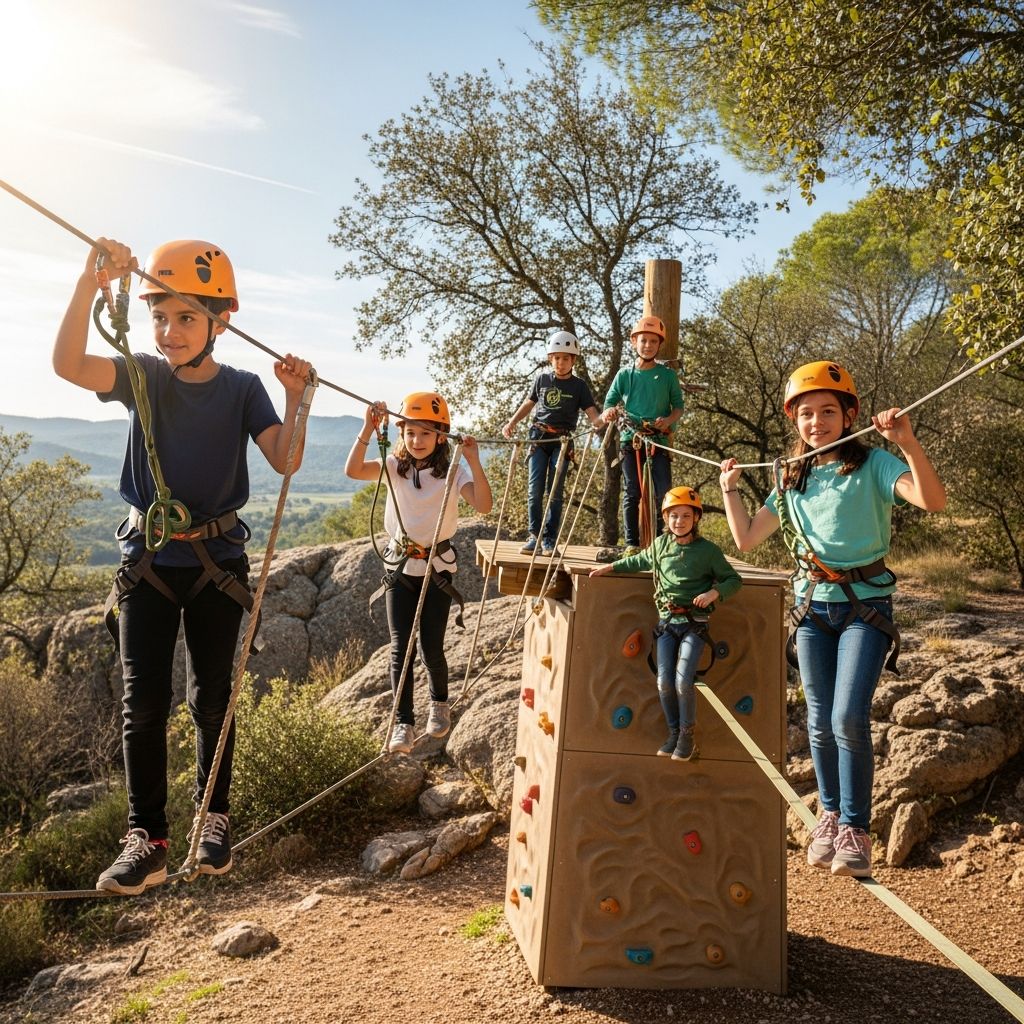
Modern parenting often revolves around safety, predictability, and control. Yet the very activities that feel a bit scary to adults – fast, rough, unpolished youth sports – may be the ones that help overprotected kids grow into capable, resilient human beings. When carefully managed, high-energy, high-thrill sports can give children what overprotective environments unintentionally take away: chances to be brave.
The Overprotection Trap
Parents are told to guard against every danger, from playground falls to social discomfort. The intention is loving, but the result can be a childhood with very little room to experiment, fail, and recover. Over time, kids who rarely face real challenge can come to see the world as more dangerous than it is, and themselves as less capable than they truly are.
Overprotection typically shows up as excessive monitoring, constant intervention, or a strong reluctance to let children engage in activities that involve speed, impact, or uncertainty. On the surface, this looks like responsible parenting. Underneath, it can quietly undermine confidence, risk judgment, and problem-solving skills.
Why Kids Actually Need Risk
Risk in childhood is not an enemy to be eliminated; it is a tool that can be harnessed. Healthy risk is the kind that feels exciting, involves real but managed dangers, and requires the child to think, decide, and act. These experiences show kids what their bodies can do and what their minds can handle.
On-the-edge moments teach lessons that lectures cannot. A child who learns to fall, get up, and try again in a controlled setting begins to understand the difference between a real threat and a challenge that can be tackled. That distinction is foundational for resilience later in life.
High-Thrill Sports: More Than Just Adrenaline
Some youth sports place kids in close contact with speed, animals, heights, impact, or competitive pressure. These activities might involve sprinting, jumping, colliding, balancing, or hanging on as something much bigger than the child moves beneath them. To adults, they can appear wild; to kids, they can feel like a doorway into courage.
What makes these sports powerful is not simply their intensity, but the way they combine physical risk with structure and supervision. There are rules, coaches, safety equipment, and a predictable environment. Within that framework, children can test their limits without being thrown into truly uncontrolled danger.
How Slightly Risky Sports Rewire Overprotected Kids
When an anxious or overprotected child steps into a demanding sport, a remarkable psychological shift can occur. Instead of being constantly shielded, the child is invited to act, decide, and endure. Mistakes are visible, but so is progress. Fear is present, but it is met head-on instead of being avoided.
Over time, this builds a new internal narrative: “I can handle hard things.” A child who once hesitated to climb a ladder or ride a fast ride suddenly has memories of clinging, sprinting, dodging, and staying focused under pressure. These lived experiences quietly overwrite the old story of fragility.
Key Benefits For Overprotected Kids
- Realistic risk assessment: Kids learn to distinguish between what feels scary and what is truly unsafe, making more grounded decisions.
- Physical confidence: Moving fast, falling, and getting back up develops trust in their own bodies.
- Emotional resilience: Managing pre-event nerves, minor injuries, and occasional losses teaches emotional regulation.
- Independence: Kids experience situations where parents cannot step in, building a sense of ownership and agency.
- Grit and persistence: Progress in demanding sports is obvious and earned, reinforcing the value of effort.
Parents’ Fears Versus Actual Risk
From the stands, any sport that involves speed, force, or animals looks terrifying, especially to parents accustomed to wrapping every experience in bubble wrap. Yet the risk in well-run youth programs is often much lower than it appears. Safety gear, clear rules, trained coaches, and controlled environments all work to keep serious injury rates down.
The gap between perceived risk and real risk can be huge. Parents tend to focus on dramatic what-ifs rather than the calculated systems in place to protect kids. Learning to understand and trust these systems is an important step in allowing children access to growth-producing challenge.
Risk, Reward, And Reality: A Quick View
The following table illustrates how a single sport can simultaneously look extremely risky from the outside and yet function as a controlled environment for learning courage and judgment.
| Aspect | How It Looks To Parents | What Kids Actually Learn |
|---|---|---|
| Speed and impact | “This is too fast and rough for a child.” | How to brace, balance, and stay focused under pressure. |
| Falling or getting thrown off balance | “One fall and they will be traumatized or badly hurt.” | That falling is survivable, normal, and a chance to adjust technique. |
| Competition | “Losing will crush their self-esteem.” | How to handle disappointment, try again, and celebrate effort over outcome. |
| Noise and crowd | “This is overwhelming; they will shut down.” | Performing while observed, tuning out distractions, and staying composed. |
| Brief, intense effort | “It looks chaotic and dangerous.” | Preparing mentally, acting decisively, and reflecting afterward. |
Healthy Fear Versus Paralyzing Anxiety
Fear is not a sign that a sport is wrong for a child; often, it is evidence that the activity is meaningful. The goal is not to eliminate fear, but to keep it at a level that the child can work with. When kids are allowed to approach something frightening in small steps, with support, fear gradually becomes bravery.
Paralyzing anxiety looks different. It shows up as panic, shutdown, or absolute refusal with no room for negotiation. In those cases, the answer is not more pressure, but a slower path: watching others, practicing basics, and giving the child more control over when and how to participate.
Signs A Sport Is Pushing Your Child In A Good Way
- They say they are scared, but still want to participate or try again.
- Nerves tend to ease once the activity starts, and they often come back smiling.
- They talk about what they will do differently next time rather than only wanting to quit.
- They show pride in small achievements, like lasting a bit longer, staying calmer, or trying a tougher variation.
- They begin using phrases like “I can do hard things” or “I was scared, but I did it anyway.”
Safety: It’s Not Chaos, It’s Calculated
Good youth programs that appear extreme from the outside are usually built around careful safety planning. Organizers often layer protection: properly sized equipment, surface conditions checked before participation, strict rules about conduct, and quick medical response plans. The wildness is on the surface; underneath, the risk is constantly being managed.
For parents, due diligence is essential. Before enrolling a child, it helps to visit practices, talk to coaches about training and emergency procedures, and understand exactly how risk is minimized. This research serves two purposes: it protects kids and calms adult imaginations.
How To Choose The Right Sport For Your Overprotected Child
Not every intense sport suits every child, and not every family will be comfortable with the same level of risk. Matching the sport to your child’s temperament, interests, and physical readiness is far more important than following trends or copying someone else’s path.
When evaluating your options, look for programs that offer a ladder of progression: simple skills first, more complex challenges later. Children benefit most when they can build competence step by step rather than being thrown into the deep end.
Checklist For Evaluating A “Scary” Sport
- Coaching quality: Are instructors calm, clear, and experienced with kids?
- Safety record: Can the organization explain how it tracks and reduces injuries?
- Equipment standards: Is gear properly fitted, well maintained, and mandatory where appropriate?
- Progression of difficulty: Do beginners start small, with increasing challenge over time?
- Emphasis on fun: Is the focus on learning and enjoyment more than on winning or status?
Talking To Your Child About Risk And Courage
Conversations about joining a demanding sport should invite the child’s voice, not drown it out. Ask what excites them, what scares them, and what they imagine happening. Treat their fears seriously without automatically granting them veto power over every uncomfortable feeling.
A helpful frame is this: “Being brave never means you are not scared. It means you do something a little scary with support, preparation, and respect for the rules.” Emphasizing preparation and support reassures kids that they will not be facing these challenges alone.
Parenting From The Sidelines: What Helps And What Hurts
Once a child is enrolled, parents face their own test: resisting the urge to shout instructions, critique performance, or visibly panic at every wobble or fall. Children take emotional cues from adult faces. If a parent looks horrified every time something intense happens, the child may interpret the event as catastrophic rather than challenging.
Supportive sideline behavior looks like warm presence, calm body language, and simple, encouraging feedback afterward. Comments that focus on effort, strategy, or courage serve kids better than detailed breakdowns of every movement. The more children feel trusted, the more they trust themselves.
Balancing Safety And Freedom
Allowing kids to participate in rough-and-tumble sports is not an all-or-nothing decision. Parents can set boundaries about frequency, level of intensity, and when to take breaks. They can also balance organized risk with informal, unstructured play where kids climb, chase, and explore at their own pace.
The key is to move from a mindset of “risk is unacceptable” to “risk is something we handle thoughtfully.” Within that space, children can experience discomfort and difficulty while still being surrounded by care and protection.
Early Lessons That Last A Lifetime
The benefits of slightly risky sports do not stop at childhood. A kid who has learned to calm their breathing before a challenging event can later draw on that same skill before a big exam or job interview. A child who knows that a painful defeat is survivable will be better prepared for the inevitable rejections of adult life.
These sports provide rehearsal for real-world struggle. They offer miniature versions of fear, setback, and recovery in an environment where adults are nearby and the stakes are manageable. Overprotected kids, who might otherwise reach adolescence without ever having tested themselves, gain hard-won confidence long before the world demands it.
Practical Tips For Overprotective Parents Taking The Leap
- Start by observing a practice or event before involving your child, to understand the structure and rules.
- Talk openly with coaches about your fears and ask concrete questions about safety protocols.
- Let your child see you be honest about your own nervousness, while still supporting their participation.
- Set a trial period rather than an open-ended commitment, so both you and your child can evaluate the fit.
- Agree on a signal your child can use if they feel genuinely overwhelmed, and promise to take it seriously.
Frequently Asked Questions
Isn’t it my job to keep my child safe, not scared?
Keeping a child safe does not mean removing all fear. It means differentiating between genuine danger and developmentally appropriate challenge. With the right supervision and equipment, a sport that appears scary at first glance can be one of the safest places for a child to explore bravery and build judgment.
What if my child is naturally cautious or anxious?
Cautious kids can benefit enormously from structured exposure to risk, but they may need smaller, more gradual steps. Consider starting with lessons, low-intensity versions of the activity, or roles that allow them to participate without full immersion. Their pace should be respected, yet gently stretched over time.
How can I tell if the sport is genuinely too much for my child?
Watch for recurring signs of extreme distress: persistent nightmares, physical symptoms before practice, refusal to discuss the activity, or no improvement in anxiety over time. If those appear, it may be wise to pause, talk with coaches, and possibly seek a child-focused mental health professional for guidance about next steps.
What if other parents think I’m being reckless?
Every family has a different comfort zone around risk. Listening politely to others is fine, but your responsibility is to make informed, thoughtful decisions based on your child’s needs and the reality of the safety measures in place. Providing controlled opportunities for courage is not recklessness; it is intentional growth.
Can’t kids learn the same lessons from calmer sports?
Many sports teach cooperation, discipline, and perseverance, but certain psychological muscles are specifically activated when there is real, felt risk involved. When the heart is pounding and the outcome is uncertain, kids tap into deeper reserves of focus, courage, and adaptability that are harder to access in low-stakes environments.
Letting Go Just Enough
Overprotected kids do not need less love or concern; they need that love and concern expressed differently. Instead of constant shielding, they benefit from parents who are willing to loosen their grip just enough to let kids meet the world with their own muscles, minds, and instincts. Slightly risky sports, run thoughtfully, offer a powerful way to do exactly that.
The first time a child climbs onto something that feels too big, runs faster than they thought they could, or holds on during a moment when everything in them wants to let go, they cross an invisible line. On one side is a life shaped mostly by adult fear. On the other is a life shaped by their own growing courage.