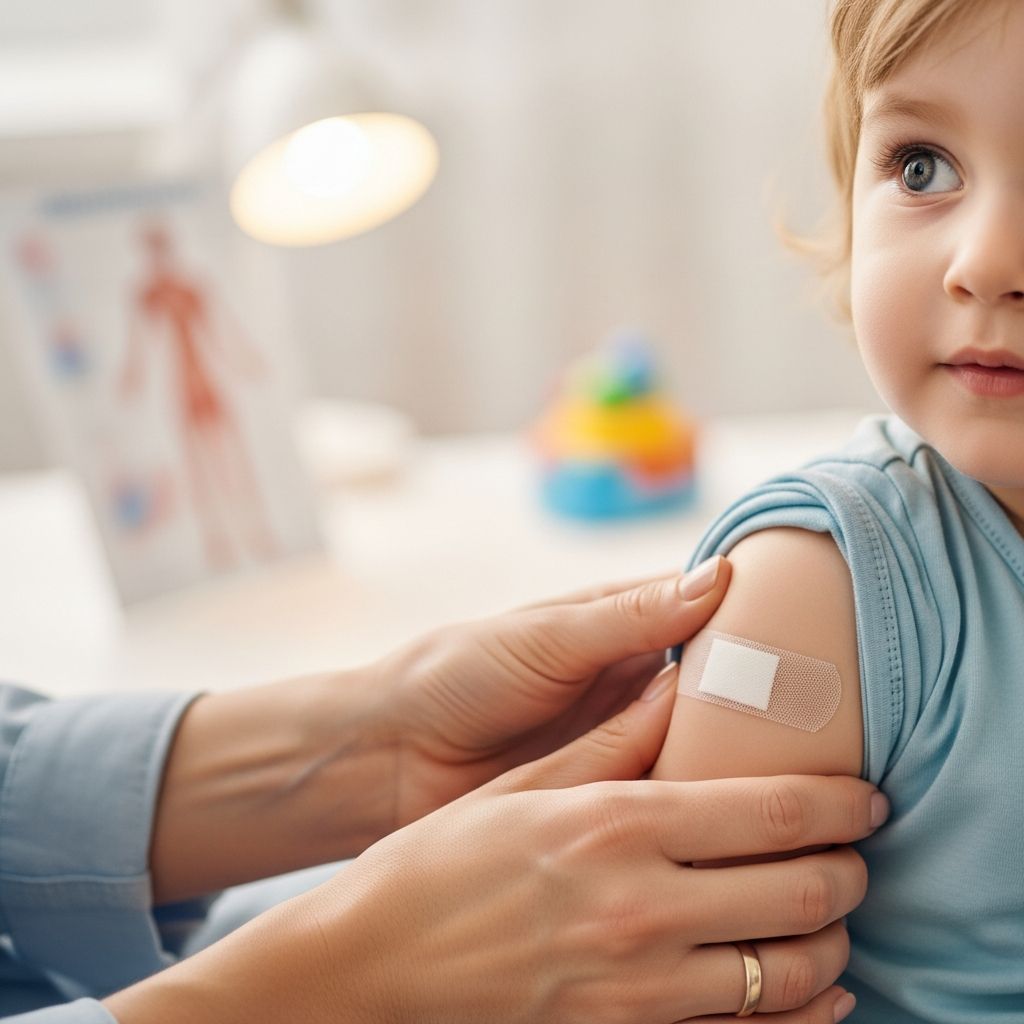
The Hib vaccine is a routine childhood shot that shields babies and young children from dangerous infections caused by Haemophilus influenzae type b, a bacterium that once led to thousands of cases of meningitis and other severe illnesses every year.
Why the Hib Vaccine Matters
Before the Hib vaccine became widely used, Hib bacteria were a leading cause of life-threatening infections in young children, including meningitis, bloodstream infections, and severe pneumonia. These illnesses could lead to permanent disability or death, often very suddenly.
Routine vaccination has dramatically reduced the number of serious Hib infections in countries that use the vaccine, turning what used to be a common childhood threat into a rare disease. Even so, Hib bacteria still circulate, and unvaccinated children remain at risk, especially if they travel or are exposed to visitors from regions where the vaccine is not widely used.
- Hib disease mainly targets babies and toddlers under 5 years of age.
- Complications can include brain damage, hearing loss, and long-term neurological problems.
- Vaccination protects both the individual child and the wider community by reducing spread.
Understanding Hib and the Diseases It Can Cause
Haemophilus influenzae type b is a type of bacteria that lives in the nose and throat and can spread through droplets when an infected person coughs or sneezes. Some people carry the bacteria without getting sick but can still pass it to others.
In some children, the bacteria travel to other parts of the body and cause invasive disease. These infections can develop quickly and often require emergency medical care and hospitalization.
Serious Hib-Related Illnesses
- Meningitis: Infection of the membranes surrounding the brain and spinal cord, which can cause fever, irritability, vomiting, sensitivity to light, and in severe cases seizures or coma.
- Pneumonia: Infection in the lungs leading to cough, breathing trouble, fast breathing, and chest pain.
- Epiglottitis: Swelling of the flap of tissue at the back of the throat, which can suddenly block the airway and cause life-threatening breathing problems.
- Septic arthritis: A painful joint infection that can damage growing bones and joints.
- Cellulitis and bloodstream infection: Deep skin or blood infections that can spread rapidly through the body.
How the Hib Vaccine Works
The Hib vaccine is a conjugate vaccine, which means that a tiny piece of the Hib bacterium is attached to a harmless protein. This design makes it easier for a baby’s immune system to recognize the germ and build strong, lasting protection.
The vaccine does not contain live bacteria and cannot cause Hib disease. Instead, it trains the immune system to recognize Hib so that, if the child is exposed later, the body can quickly fight off the infection before it becomes serious.
Key Features of the Hib Vaccine
- Given as an injection into the muscle, usually the thigh or upper arm.
- Often combined with other routine childhood vaccines in a single shot to reduce the number of injections.
- Provides strong protection after the full series, especially when followed by a booster dose.
Typical Hib Vaccination Schedule
The Hib vaccine is generally recommended for all children younger than 5 years old, with the first doses starting in infancy. The exact timing can vary slightly depending on the specific brand and whether the vaccine is given alone or in combination with other vaccines.
Most children receive a primary series of shots in the first months of life, followed by a booster dose in the second year. Children who start the series late or who have certain medical conditions may need a modified schedule.
| Child’s Age | Usual Dose | Notes |
|---|---|---|
| 2 months | First Hib dose | Often given with other routine infant vaccines. |
| 4 months | Second Hib dose | Strengthens early protection. |
| 6 months | Third Hib dose (depending on product) | Some brands use a 2-dose primary series; others use 3. |
| 12–15 months | Booster Hib dose | Ensures long-lasting immunity into early childhood. |
Children who miss one or more doses should not restart the entire series; instead, a healthcare professional will create a catch-up schedule based on the child’s current age and vaccine history. In addition, some older children and adults with weakened immune systems or without a functioning spleen may be advised to receive Hib vaccination if they did not complete it earlier.
Who Should and Should Not Get the Hib Vaccine
For healthy children, Hib vaccination is a standard part of routine immunization in many countries. It is specifically designed for infants and toddlers, because they are at the highest risk of severe Hib-related illness.
In certain situations, older children or adults may also receive the Hib vaccine, especially if they have medical conditions that weaken their ability to fight infections or if they are preparing for specific surgeries, such as removal of the spleen.
People Who Typically Benefit from Hib Vaccination
- All infants starting at about 2 months of age.
- Toddlers who have not completed their vaccine series.
- Children or adults without a spleen or with a spleen that does not work well.
- Some individuals undergoing treatments that significantly weaken the immune system, as advised by a specialist.
Situations Requiring Caution or Delay
- Children with a severe allergic reaction to a previous dose of Hib vaccine or to a component of the vaccine.
- Babies who are moderately or severely ill at the time of the visit, in which case the healthcare provider may postpone vaccination until they recover.
- Parents with questions about complex health conditions (such as immune disorders) should speak with a pediatrician or specialist for personalized guidance.
Common Side Effects and What to Expect
Most children handle the Hib vaccine very well. Side effects, when they occur, are usually mild and short-lived, often resolving on their own within a day or two without any special treatment.
Serious reactions are possible but very rare. Knowing what is normal and what is not can help parents feel more confident after the appointment and know when to seek medical care.
Typical Mild Reactions
- Redness, warmth, or tenderness at the injection site.
- Low-grade fever.
- Increased fussiness or sleepiness.
- Temporary loss of appetite.
Uncommon but Concerning Symptoms
- High fever that does not come down with appropriate fever reducers.
- Signs of an allergic reaction, such as hives, swelling of the face or lips, or difficulty breathing.
- Unusual limpness, unresponsiveness, or behavior that worries the parent.
If any of these more serious symptoms appear, parents should seek medical help immediately or contact emergency services, depending on the severity of the reaction. Keeping the vaccine record handy can help healthcare providers quickly understand what was given and when.
Vaccine Safety and Effectiveness
The Hib vaccine has been used for decades and has a strong safety record. Its introduction led to a dramatic drop in the number of children suffering from Hib meningitis and similar invasive diseases in many parts of the world.
Like all vaccines, Hib vaccines are carefully monitored by health authorities for safety and effectiveness both before and after they are licensed. Studies show that most fully vaccinated children develop protective antibody levels that help prevent serious illness if they encounter Hib bacteria.
Why Herd Protection Matters
- High vaccination rates make it harder for Hib bacteria to spread in the community.
- This protects vulnerable people who cannot be vaccinated or whose immune systems respond poorly.
- Maintaining good coverage prevents Hib from becoming a common threat again.
Preparing for Your Child’s Hib Shot
Visiting the clinic for vaccines can be stressful for both parents and children, but a few small steps can make the experience smoother. Planning ahead and knowing what to expect can also reduce anxiety.
Before the visit, parents should gather any existing immunization records and write down any questions they have for the healthcare provider. Sharing details about allergies, medicines, or health problems helps ensure that the vaccine plan is safe and appropriate.
Practical Tips for the Appointment
- Dress the baby in clothing that allows easy access to the thighs or upper arms.
- Bring a favorite toy, blanket, or pacifier for comfort during and after the shot.
- Hold or gently cuddle the child during the injection if permitted, as close contact can calm both parent and baby.
- Ask in advance which vaccines will be given that day, and confirm how many injections to expect.
- After the visit, keep an eye on the injection site and the child’s general behavior for the next day or two.
After the Vaccine: Caring for Your Child at Home
Most children resume normal activities shortly after receiving the Hib vaccine. Still, parents can take simple measures to keep their child comfortable, especially if the child seems a bit fussy or sore.
A cool, clean cloth placed on the injection site can help with local redness or tenderness. If the child develops a mild fever and seems uncomfortable, a healthcare provider may recommend an age-appropriate dose of pain or fever medicine.
Signs to Monitor at Home
- Injection site: Watch for increasing redness, warmth, or swelling that spreads or becomes very painful.
- Behavior: Note any unusual crying, difficulty waking, or lack of interest in eating or playing.
- Breathing: Seek emergency care immediately if there is trouble breathing, wheezing, or swelling of the face or throat.
Hib Vaccine Compared with Other Childhood Vaccines
Hib is just one part of the routine immunization schedule. Other vaccines protect against illnesses like whooping cough, diphtheria, tetanus, polio, measles, and more. Many of these vaccines are given during the same visits as Hib to reduce the number of trips and injections.
Combination vaccines, which package several protections into one shot, are common in early childhood. These combinations may include Hib with other vaccines, but each product has specific age ranges and dosing schedules.
| Vaccine | Primary Target Diseases | Typical Start Age | Can Be Combined with Others? |
|---|---|---|---|
| Hib | Meningitis, invasive Hib infections | 2 months | Often part of combination vaccines. |
| DTaP | Diphtheria, tetanus, pertussis | 2 months | Frequently combined with Hib and other components. |
| IPV | Polio | 2 months | Sometimes included in multi-component vaccines. |
| PCV (pneumococcal) | Pneumococcal infections | 2 months | Given at same visit but usually as a separate shot. |
Frequently Asked Questions About the Hib Vaccine
Is Hib the same as the flu?
No. Despite the similar name, Hib is a bacterium, while influenza (the seasonal flu) is caused by a virus. The Hib vaccine does not protect against flu, and the flu vaccine does not protect against Hib. Children may be recommended to receive both vaccines as part of their overall immunization plan.
Why does my baby need multiple doses?
Very young babies have developing immune systems. Several doses spaced over time help their bodies build strong and lasting protection. The booster dose in the second year of life reinforces this protection as the child grows and becomes more active and social.
What if my child missed one or more Hib doses?
It is usually possible to catch up. Parents should bring the child’s vaccine record to the next appointment so the healthcare provider can create an appropriate catch-up schedule instead of starting everything over. The exact plan depends on the child’s age and how many doses were already received.
Can my child get Hib disease even after vaccination?
Breakthrough infections are uncommon but can occur. However, vaccinated children are much less likely to develop severe illness if they do get infected. Completing the recommended series provides the best chance of strong protection.
Can adults receive the Hib vaccine?
Most healthy adults do not need Hib vaccination. However, some adults with high-risk medical conditions, such as those without a working spleen or with certain immune disorders, may be advised to receive it if they did not complete the series in childhood. This decision is usually made in consultation with a healthcare professional.
How can I keep track of all my child’s vaccines?
Parents can use an immunization card, a digital health app, or records provided by their clinic to track each dose of Hib and other vaccines. Bringing this record to every visit helps avoid missed or duplicated doses and ensures the schedule stays on track.
Key Takeaways for Parents
- The Hib vaccine protects against serious bacterial infections that once commonly affected infants and young children.
- It is usually given in a series of doses starting at about 2 months of age, with a booster in the second year of life.
- Side effects are generally mild and short-lived, while the benefits of preventing life-threatening illness are substantial.
- Parents with questions or special medical concerns should discuss them with a trusted healthcare provider, who can tailor recommendations to the child’s specific needs.