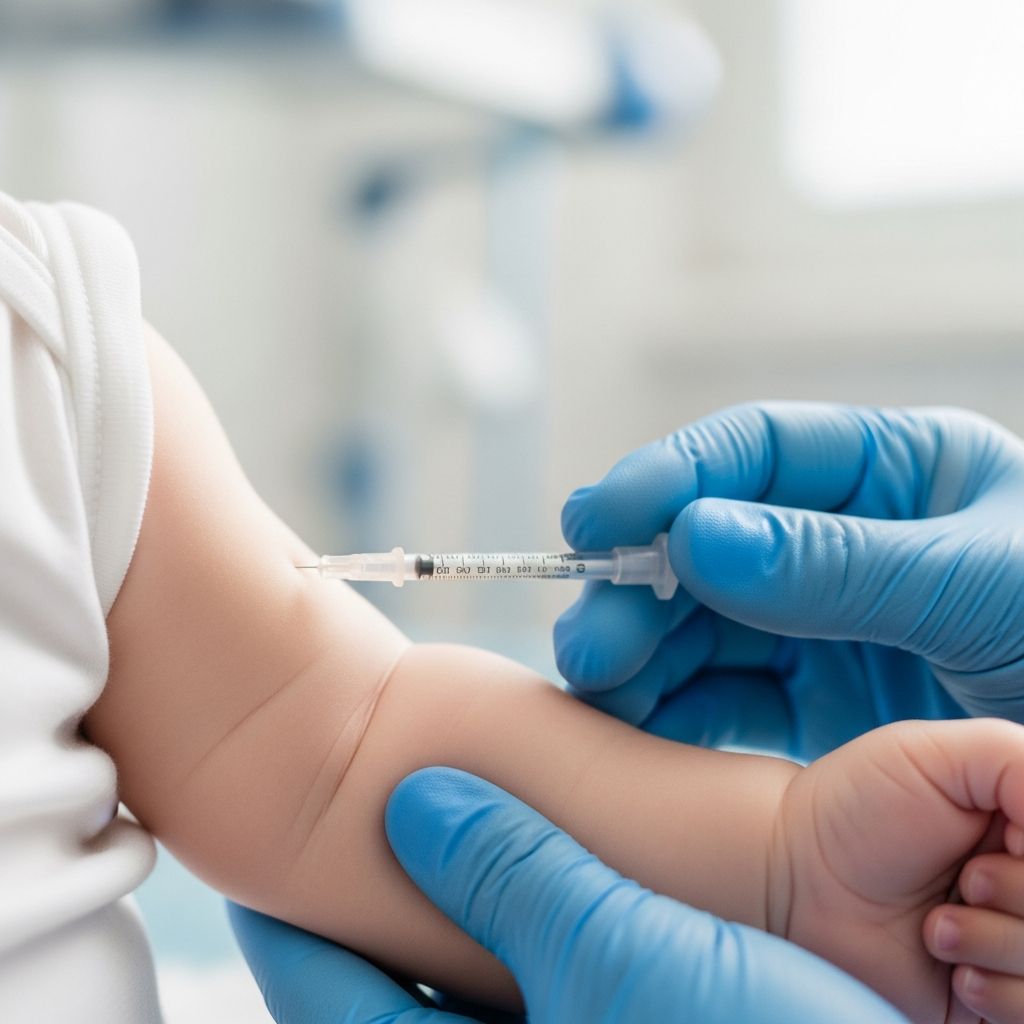
Understanding Hepatitis B and Its Impact on Infants
Hepatitis B is a serious viral infection that attacks the liver and can result in lifelong health complications. The disease is particularly dangerous for infants and young children because their immune systems are still developing and cannot effectively fight off the infection. When a newborn contracts hepatitis B, the consequences are significantly more severe than in adults, with a dramatically higher likelihood of developing chronic infection that persists into adulthood.
The hepatitis B virus spreads through contact with infected blood or body fluids. In newborns, the most common transmission route occurs during birth when an infant comes into contact with maternal blood if the mother carries the virus. However, transmission can also happen through household exposure, particularly from caregivers who may not realize they are infected with hepatitis B. With approximately 2 million people living with hepatitis B in the United States and nearly 70% unaware of their infection status, the risk of inadvertent exposure remains a genuine public health concern.
The Chronic Infection Crisis in Unvaccinated Children
One of the most alarming aspects of hepatitis B infection in infants is the exceptionally high rate of chronic infection development. Approximately 90% of infants exposed to hepatitis B will develop a chronic infection that lasts throughout their lives. This chronic infection silently damages the liver, often without obvious symptoms in childhood, but progresses toward serious complications in adulthood.
Children who develop chronic hepatitis B face a significant risk of severe liver disease. Medical research demonstrates that approximately 1 in 4 children with chronic hepatitis B will eventually die from cirrhosis or liver cancer in adulthood. These outcomes represent preventable deaths that could have been avoided through timely vaccination at birth.
Before widespread infant hepatitis B vaccination began in the United States in 1991, approximately 18,000 children per year contracted hepatitis B before reaching age 10, with roughly half acquiring the infection at birth from their mothers. This massive disease burden devastated families and created a significant public health crisis that vaccination programs have largely eliminated.
The Remarkable Success of Birth Dose Vaccination Programs
The introduction of universal hepatitis B vaccination for all newborns represents one of public health’s greatest achievements. Since implementing the birth dose recommendation nearly 40 years ago, the United States has achieved extraordinary reductions in hepatitis B transmission among children.
The impact of universal infant vaccination includes:
- Prevention of more than 500,000 childhood infections
- A 95% reduction in infant hepatitis B cases
- Prevention of an estimated 90,100 childhood deaths
- Reduction of perinatal hepatitis B to only 13 reported cases in 2022, compared to thousands annually before vaccination
These statistics demonstrate that vaccination programs have essentially eliminated a disease that once caused tens of thousands of infections annually in American children. The transition from a disease-burdened population to one where hepatitis B in children is exceptionally rare represents a direct result of the consistent application of birth dose vaccination protocols.
How the Hepatitis B Vaccine Works and Its Effectiveness
The hepatitis B vaccine stimulates the infant’s immune system to produce antibodies against the virus without causing actual infection. Newborns are capable of mounting an effective immune response to the vaccine despite their developing immune systems, and the vaccine has demonstrated remarkable effectiveness across populations.
After completing the full vaccine series consisting of 3 to 4 doses administered over the first 18 months of life, approximately 98% of healthy infants achieve complete immunity to hepatitis B. Additionally, most people who receive the hepatitis B vaccine maintain immunity for life, providing lifelong protection against the disease. This long-term protection makes the vaccine one of the most effective immunizations available in modern medicine.
The vaccine works optimally when the first dose is administered within 24 hours of birth. This timing is crucial because it prevents infection during the critical period when perinatal transmission is most likely to occur. Infants born to mothers with hepatitis B face a 70-90% risk of infection without the protective vaccine, but vaccination within 24 hours dramatically reduces this risk.
Timing Considerations: Why the Birth Dose Matters
Medical organizations recommend administering the hepatitis B vaccine within 24 hours of birth for several important reasons. First, this timing provides protection during the period of greatest vulnerability, immediately after delivery when maternal blood exposure is most likely. Second, the birth dose establishes initial immunity that the subsequent vaccine series strengthens through booster doses.
Delaying the vaccine until later in infancy creates an unnecessary window of vulnerability. An unvaccinated newborn could potentially contract hepatitis B through various routes during the early weeks of life, before completing the vaccine series. Common scenarios include exposure from a household member with chronic hepatitis B who may be unaware of their infection status, accidental exposure to blood or body fluids, or even horizontal transmission from caregivers in non-parental settings.
The current vaccination approach ensures comprehensive protection by vaccinating all infants regardless of known maternal infection status. This universal strategy protects the population as a whole because it accounts for the reality that some infected individuals remain unaware of their status and could inadvertently expose infants in their care.
Vaccine Safety and Side Effect Profile
The hepatitis B vaccines used in the United States have an excellent safety record supported by decades of use and extensive monitoring. Medical experts have thoroughly evaluated potential risks and compared them against the disease risks, consistently concluding that vaccination is far safer than the disease itself.
The only confirmed serious adverse event associated with hepatitis B vaccination is anaphylaxis, a severe allergic reaction that occurs in approximately 1 in 600,000 doses. No child has died from anaphylactic reactions to the hepatitis B vaccine, and such reactions can be immediately treated when they do occur in medical settings where vaccination takes place.
Extensive studies have failed to establish links between hepatitis B vaccination and serious neurological conditions, autoimmune disorders, or other chronic diseases sometimes mentioned in debates about vaccine safety. While some organizations have questioned vaccine safety based on theoretical concerns, rigorous epidemiological research has not confirmed these concerns in actual populations receiving the vaccine.
Comparing Disease Risk to Vaccine Risk
When evaluating whether to vaccinate an infant against hepatitis B, parents and healthcare providers must weigh actual disease risks against actual vaccine risks. This risk-benefit analysis strongly favors vaccination across virtually all scenarios.
| Factor | Hepatitis B Disease | Hepatitis B Vaccine |
|---|---|---|
| Chronic Infection Rate (Infants) | 90% if exposed | Not applicable |
| Mortality Rate (Chronic Infection) | 25% by adulthood | No deaths recorded |
| Liver Cancer Risk | Significant lifelong risk | No increased risk |
| Serious Allergic Reactions | N/A | 1 in 600,000 doses |
| Immunity Achievement Rate | N/A | 98% after series completion |
The contrast between disease outcomes and vaccine outcomes is stark. Even in infants without known maternal hepatitis B infection, remaining unvaccinated creates a lifetime vulnerability to a disease that carries serious consequences if contracted at any point. The vaccine, by contrast, causes no chronic infections, produces immunity in the vast majority of recipients, and has an exceptional safety profile.
The Challenge of Identifying At-Risk Populations
Some have suggested that rather than vaccinating all infants universally, vaccination should be targeted only to infants at known higher risk. However, this risk-based approach has significant practical limitations that explain why medical authorities recommend universal vaccination instead.
Identifying at-risk infants requires reliable maternal screening, but maternal screening can fail for several reasons. Some pregnant women do not receive prenatal care. Others may have false-negative test results. Additionally, some individuals acquire hepatitis B infection after being tested during pregnancy. These gaps in screening mean that some infants born to infected mothers will not be identified as at-risk before birth.
Furthermore, horizontal transmission from non-maternal sources represents a significant risk that purely risk-based approaches cannot address. An unvaccinated infant could acquire hepatitis B from a household member with chronic infection, a caregiver, or another contact with exposure. Targeting vaccination only to known maternal risk categories leaves infants vulnerable to these other transmission routes.
Long-Term Health Implications and Prevention Benefits
The decision to vaccinate or delay vaccination has profound implications extending far into the future. A child protected by the hepatitis B vaccine faces no risk of developing chronic hepatitis B-related cirrhosis or liver cancer from that cause. An unvaccinated child who escapes infection during infancy still carries lifetime vulnerability.
Individuals who develop chronic hepatitis B in childhood typically progress through decades of silent liver damage before symptoms become apparent in adulthood. By that time, the opportunity for prevention through vaccination has long passed. Many individuals with chronic hepatitis B do not experience symptoms until significant liver damage has occurred, making early infection particularly tragic because it could have been prevented through vaccination.
The vaccine essentially eliminates a risk that would otherwise persist throughout life. This preventive benefit extends not only to direct disease prevention but also to reducing the reservoir of hepatitis B infection in the population, which decreases transmission risk for others who cannot be vaccinated or whose vaccines did not provide immunity.
Addressing Common Concerns About Vaccination Timing
Parents sometimes express concerns about giving vaccines to newborns when their immune systems are still developing. However, medical evidence demonstrates that newborns possess robust immune systems fully capable of responding to vaccines effectively. Infants routinely receive multiple vaccines starting at birth with excellent outcomes, and the hepatitis B vaccine is among the safest vaccines administered during this period.
Some parents worry about overwhelming an infant’s immune system with vaccines. Research shows that infants can respond to many more vaccine antigens than recommended, and spacing vaccines appropriately allows for optimal immune response without any negative effects. The hepatitis B vaccine series follows a schedule designed by immunization experts to maximize effectiveness and safety.
Concerns about vaccine ingredients, while understandable, should be evaluated in context. Modern hepatitis B vaccines no longer contain thimerosal, an older preservative that generated significant debate. Current vaccine formulations have been carefully evaluated for safety and use only ingredients present in amounts determined to be safe for infants.
Frequently Asked Questions
Q: Can I delay the hepatitis B vaccine and give it later in infancy?
A: While delayed vaccination is possible, it creates an unnecessary window of vulnerability during the period of highest risk for perinatal transmission. The birth dose provides optimal protection by addressing disease risk at the moment it is greatest. Current recommendations support birth dose administration within 24 hours of birth for maximum protection.
Q: What if my infant has a medical condition that makes vaccination risky?
A: Very few medical conditions warrant delaying hepatitis B vaccination. Parents with concerns about their infant’s specific health status should discuss timing with their pediatrician, who can evaluate individual circumstances and determine the safest approach while still protecting against hepatitis B.
Q: How long does immunity from the hepatitis B vaccine last?
A: Most people who receive the hepatitis B vaccine series maintain immunity for life. After completing the full series, about 98% of infants achieve long-term protection, eliminating the need for booster vaccines in most cases.
Q: Is hepatitis B really a threat to low-risk infants?
A: While maternal transmission is the primary neonatal risk, horizontal transmission from household contacts and caregivers represents ongoing risk throughout childhood for unvaccinated children. Universal vaccination protects against both routes of transmission, making it the most effective strategy regardless of initial risk assessment.
Q: What are the side effects of the hepatitis B vaccine?
A: Side effects are typically mild and may include soreness at the injection site, low-grade fever, or fussiness. Serious side effects are extremely rare, with the only confirmed serious adverse event being anaphylaxis, which occurs in about 1 in 600,000 doses and can be immediately treated.
Q: If my baby wasn’t vaccinated at birth, can vaccination still help?
A: Yes, vaccination at any age provides protection against future hepatitis B infection. However, early vaccination provides protection during the period of greatest vulnerability and is therefore preferred. Infants who did not receive the birth dose should begin the vaccine series as soon as possible.
References
- Why We Give Hepatitis B Vaccines to Infants — National Foundation for Infectious Diseases (NFID). Accessed January 16, 2026. https://www.nfid.org/why-we-give-hepatitis-b-vaccines-to-infants/
- Hepatitis B shot for newborns has nearly eliminated childhood infections with this virus in the U.S. — University of Colorado Anschutz Medical Campus. Accessed January 16, 2026. https://news.cuanschutz.edu/news-stories/hepatitis-b-shot-for-newborns-has-nearly-eliminated-childhood-infections-with-this-virus-in-the-us
- Fact Checked: Hepatitis B Vaccine Given to Newborns Reduces Risk of Chronic Infection — American Academy of Pediatrics (AAP). Accessed January 16, 2026. https://www.aap.org/en/news-room/fact-checked/fact-checked-hepatitis-b-vaccine-given-to-newborns-reduces-risk-of-chronic-infection/
- Fact Sheet Hepatitis B Immunization — Centers for Disease Control and Prevention (CDC) Newsroom. January 2025. https://www.cdc.gov/media/releases/2025/fact-sheet-hepatitis-b-immunization.html
- Hepatitis B vaccine: risks and benefits of universal neonatal immunization — PubMed/NCBI. Published 2001. https://pubmed.ncbi.nlm.nih.gov/11474704/
- Why Do Babies Need the Hepatitis B Vaccine? — HealthyChildren.org (American Academy of Pediatrics). Accessed January 16, 2026. https://www.healthychildren.org/English/safety-prevention/immunizations/Pages/hepatitis-b-vaccine-what-you-need-to-know.aspx