Understanding the Pressure: Why Mothers Feel They Need to Celebrate Differently
Motherhood is undeniably one of life’s most rewarding yet demanding journeys. The constant juggling of responsibilities—from nurturing children to managing household operations, and often balancing professional obligations—creates an environment where mothers frequently seek moments of respite. This universal need for decompression has become deeply intertwined with a cultural narrative that suggests alcohol consumption is not just acceptable but necessary for maternal survival and celebration.
The pressure mothers face is multifaceted. Beyond the immediate physical demands of childcare, there exists an invisible emotional labor that often goes unrecognized. Mothers are expected to maintain composure, provide unwavering patience, make sound decisions under stress, and somehow remain presentable and emotionally available to their families. When these expectations collide with the reality of exhaustion, frustration, and moments of profound overwhelm, a narrative has emerged suggesting that wine—or other alcohol—provides the necessary bridge between struggle and coping.
This cultural messaging has become so pervasive that it shapes not only individual choices but also social gatherings, gift-giving traditions, and even merchandise design. From wine glasses labeled with cheeky references to motherhood to social media memes celebrating alcohol consumption as a motherhood necessity, the cultural reinforcement is constant and seemingly harmless on the surface.
The Hidden Costs of Normalized Alcohol Consumption in Motherhood
While the celebration of mothers finding relief through wine consumption may seem lighthearted, research and personal testimonies reveal concerning implications. When alcohol becomes the primary mechanism for processing stress or marking occasions, it sets up problematic patterns that extend beyond the individual mother to affect entire families and support networks.
One significant concern involves the normalization of self-medication through substances. By consistently framing alcohol as the solution to maternal stress, the cultural narrative inadvertently suggests that stress itself is something to escape rather than address. This distinction matters profoundly because it prevents mothers from developing genuine coping strategies that actually resolve underlying issues or build resilience.
The physical toll cannot be overlooked either. Regular alcohol consumption, particularly binge drinking patterns, carries documented health risks including liver damage, cardiovascular complications, and increased cancer risk. For women specifically, alcohol metabolism differs from men’s, meaning the same quantity consumed produces higher blood alcohol levels and greater health risks. Additionally, research indicates that women’s drinking patterns have been increasing, with concerning statistics about binge drinking prevalence among women in their prime parenting years.
There is also the matter of modeling. Children observe parental behavior and internalize the messages those behaviors convey. When mothers consistently turn to alcohol to manage stress or celebrate occasions, children learn that this is an appropriate coping mechanism. The unintended message becomes that they—or the demands they create—are reasons their mother needs to drink.
The Gap Between Perceived Self-Care and Actual Wellness
A critical misconception underlies much of the wine-culture narrative: the confusion between genuine self-care and temporary escape. True self-care involves intentional actions that address the root causes of stress and genuinely improve well-being. Temporary numbing through alcohol, by contrast, only masks symptoms while potentially creating new problems.
Consider the aftermath of alcohol consumption. Where the wine promised relaxation and stress relief, what often follows is grogginess, dehydration, reduced patience, and anxiety—sometimes termed “hangxiety.” The next morning, a mother still faces the same challenging situations that prompted the drinking, but now with diminished physical and emotional resources. This creates a counterproductive cycle where the temporary relief actually compounds the stress and exhaustion over time.
Genuine self-care requires a different approach entirely. It involves identifying what mothers actually need in moments of overwhelm: perhaps it’s a block of uninterrupted time, physical activity to process stress hormones, meaningful conversation with peers who understand, adequate sleep, or professional support to address underlying anxiety or depression. These solutions address the actual problem rather than papering over it.
Building Authentic Celebration Rituals
Mothers deserve celebration. This is not in question. The issue lies in how we celebrate and what messages those celebrations reinforce. Creating meaningful rituals that honor maternal accomplishment without relying on alcohol requires intentionality and a shift in cultural perspective.
Authentic celebration might involve:
- Designating specific times for personal pursuits—whether creative projects, exercise, reading, or hobbies that bring genuine joy
- Organizing celebrations centered on shared activities rather than shared substances, such as special outings, group experiences, or meaningful gatherings
- Creating traditions that acknowledge motherhood’s challenges while celebrating resilience and growth
- Establishing boundaries that protect personal time without requiring chemical assistance to transition between roles
- Recognizing milestones—both children’s and mothers’ own achievements—through meaningful acknowledgment rather than consumption patterns
These alternatives honor the legitimate need for celebration while building practices that genuinely support long-term wellness rather than creating dependency cycles.
Practical Stress Management Strategies for Overwhelmed Mothers
When stress becomes overwhelming, mothers need accessible, evidence-based strategies that actually work. These approaches have been validated through research and personal practice across diverse populations and circumstances.
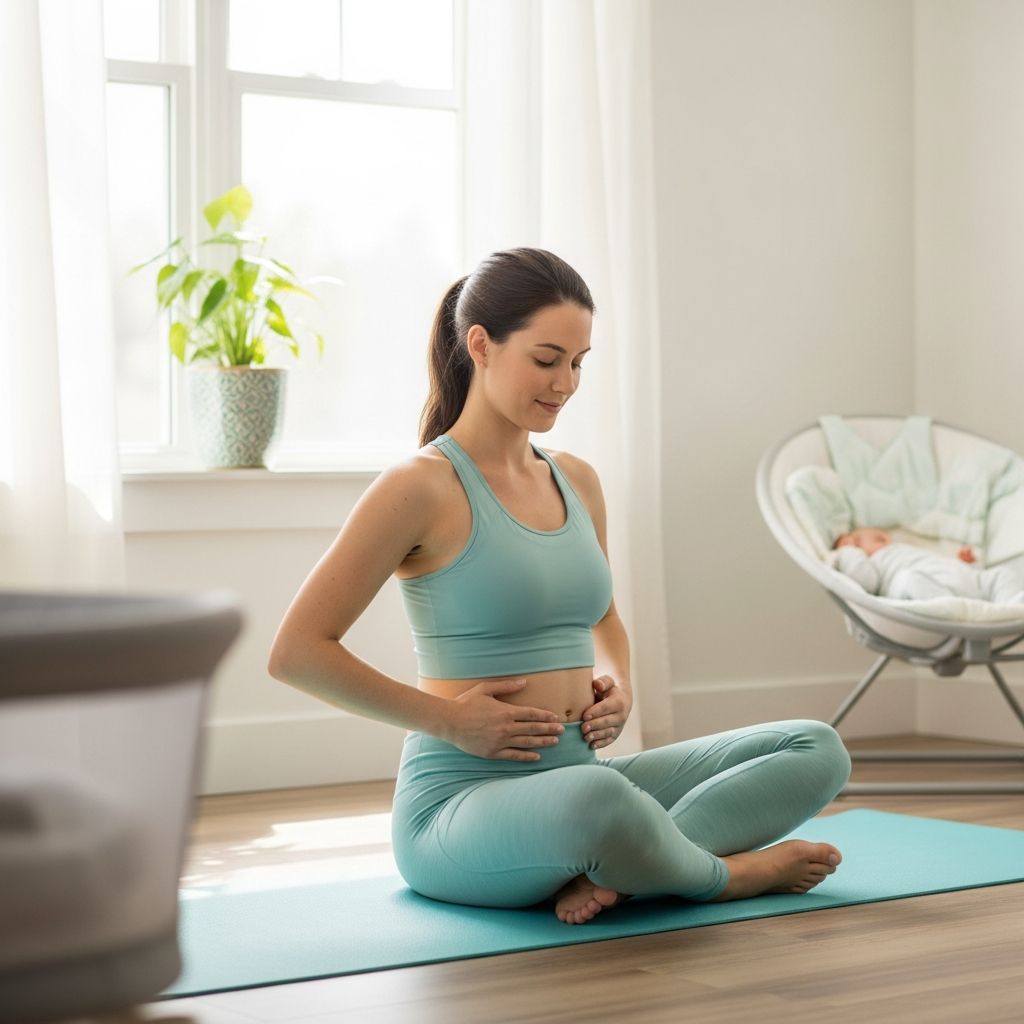
Movement and Physical Activity: Exercise is one of the most powerful stress management tools available. Whether it’s a brief walk, yoga, dancing, running, or any form of movement that the mother enjoys, physical activity processes stress hormones, improves mood, and builds resilience. The benefit is immediate and cumulative.
Mindfulness and Meditation: These practices don’t require extensive time investment. Even five to ten minutes of focused breathing or meditation can significantly reduce stress markers and improve emotional regulation. Many mothers find these practices particularly valuable because they can be adapted to fit limited schedules.
Creative Expression: Journaling, art, music, or writing provides a pathway for processing emotions and stress without judgment. Creative outlets allow mothers to explore feelings that might be difficult to articulate verbally.
Connection and Community: Meaningful conversation with others who understand maternal challenges provides profound support. Peer groups, whether in-person or online, offer validation and shared problem-solving that reduces the sense of isolation.
Professional Support: Therapy or counseling provides tools for addressing underlying anxiety, depression, or trauma that might be driving stress responses. Mental health professionals can help mothers develop personalized coping strategies.
Rest and Sleep: While often the first thing mothers sacrifice, adequate sleep is foundational to stress resilience. Prioritizing sleep quality directly impacts ability to manage daily challenges.
Reframing the Conversation Around Maternal Worth and Deservingness
Underlying much of the wine-culture narrative is an assertion that mothers “deserve” a break, that they are entitled to rewards for their labor. This messaging is partially true—mothers do deserve recognition, rest, and celebration. However, the conflation of “deservingness” with alcohol consumption is where the narrative becomes problematic.
What mothers truly deserve is:
- Recognition from their families and communities for the profound labor they perform
- Genuine opportunities for rest and personal time without guilt
- Access to support systems that reduce the burden of isolation and overwhelm
- Freedom from judgment when struggling or asking for help
- Cultural narratives that acknowledge difficulty while building actual solutions rather than coping mechanisms
- The space to develop as individuals beyond their maternal role
These deserve-ments don’t require alcohol; they require structural, social, and personal support. They require a cultural shift that values mothers as complete human beings with multifaceted needs rather than reducing their needs to simple escape mechanisms.
The Role of Social Networks in Supporting Healthier Choices
Individual choices exist within social contexts. When friend groups, family networks, and community circles consistently reinforce wine-culture messaging, individual mothers face significant pressure to conform. Conversely, networks that support and model alternative approaches create space for different choices.
Friends can play a crucial role by:
- Suggesting and participating in social activities that don’t center on alcohol consumption
- Validating the value of alternative stress-management practices
- Listening and offering emotional support without judgment
- Recognizing and celebrating other forms of self-care and celebration
- Being willing to have honest conversations about drinking patterns when concerned
Families can support healthier maternal choices by recognizing the labor involved in parenthood without prescribing alcohol as the reward. Communities—whether religious, social, or professional—can examine the messages they reinforce about mothers, stress, and coping.
Moving Forward: A Culture That Actually Supports Mothers
Creating a culture that truly supports mothers requires moving beyond surface-level acknowledgment of motherhood’s difficulty. It requires structural changes such as accessible childcare, flexible work arrangements, paid family leave, and affordable mental health services. It requires social changes that distribute domestic and emotional labor more equitably. And it requires a shift in cultural narratives that stops using alcohol as a placeholder for genuine support.
Mothers can begin this shift individually by examining their own relationship with alcohol, questioning the cultural messages they’ve internalized, and seeking authentic solutions to stress. They can experiment with alternative celebration rituals and stress-management strategies, discovering what genuinely improves their well-being. They can extend grace to themselves as they navigate this cultural transition and celebrate the courage required to move against established norms.
Communities can support this shift by creating spaces where mothers feel genuinely heard and supported, where struggle is met with practical help rather than cultural jokes, and where celebration honors maternal accomplishment without relying on chemical assistance. This cultural work is significant, but it’s essential for creating an environment where mothers can thrive rather than merely survive.
Frequently Asked Questions
Q: Is occasional wine consumption problematic for mothers?
A: Occasional, moderate alcohol consumption in safe contexts is different from relying on alcohol as a primary stress-management tool. The concern with wine culture is the normalization of alcohol as a necessary coping mechanism for maternal stress, which can establish problematic patterns over time.
Q: How can I celebrate special occasions without alcohol?
A: Consider centering celebrations on activities, meaningful time with loved ones, special meals, creative projects, or experiences you enjoy. Many mothers find that celebrations focused on shared experiences rather than consumption feel more genuinely rewarding.
Q: What should I do if I’m concerned about my drinking patterns?
A: Reaching out to a healthcare provider or counselor is a valuable step. Many resources exist specifically for women examining their relationship with alcohol, and professional support can help identify whether patterns are concerning and develop strategies for change.
Q: How do I discuss this with friends who are very into wine culture?
A: Honest conversations often begin with sharing your personal journey rather than criticizing others’ choices. You might suggest trying alternative social activities alongside existing traditions, demonstrating that fun and connection don’t require alcohol.
Q: Can I still enjoy wine if I’m a mother?
A: Yes, mothers can enjoy wine as part of balanced, mindful consumption. The distinction is between occasional enjoyment and relying on alcohol as a coping mechanism or celebration requirement.
References
- Mummy Wine Culture Makes You Feel That Alcohol Is a Way of Connecting With Other Mums — Sarah Rusbatch. 2024. https://sarahrusbatch.com/blog/mummy-wine-culture
- Mommy Wine Culture Isn’t Cute or Funny — ParentMap. 2024. https://www.parentmap.com/article/wine-drinking-culture-motherhood-women
- Behavioral Risk Factor Surveillance System Survey Data — Centers for Disease Control and Prevention. 2015. https://www.cdc.gov/brfss/index.html
- Refill Your Cup: Rethinking the Mommy Wine Culture — Mankato Clinic. 2024. https://www.mankatoclinic.com/refill-your-cup-rethinking-the-mommy-wine-culture/
- Mommy Wine Culture Is Still Destroying Lives One Meme at A Time — Narconon. 2024. https://www.narconon.org/blog/mommy-wine-culture-is-still-destroying-lives-one-meme-at-a-time.html
- Mama Doesn’t Need Wine: A Better Path to Self-Care — Catholic Women in Business. 2022. https://catholicwomeninbusiness.com/articles/2022/5/27/mama-doesnt-need-wine-a-better-path-to-self-care
- Mommy Wine Culture Isn’t God’s Culture — Catholic Mom. 2024. https://www.catholicmom.com/articles/mommy-wine-culture-isnt-gods-culture