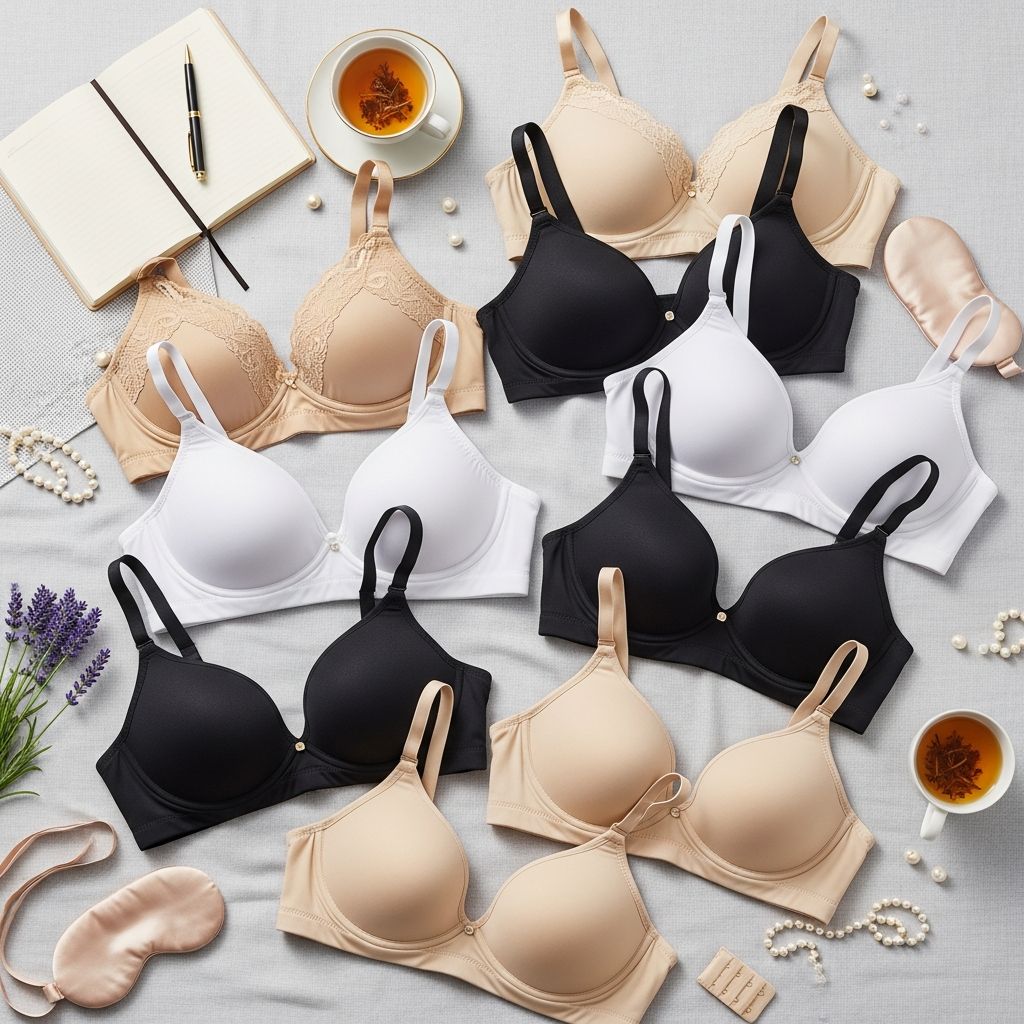
The quest for a truly comfortable bra is one that resonates with millions of women worldwide. Whether you spend your days commuting, working in an office, caring for family, or staying home, finding undergarments that feel good against your skin while providing appropriate support can transform your daily experience. A comfortable bra should work seamlessly with your body, disappearing under your clothing while allowing you to move freely and naturally throughout the day. This comprehensive guide explores what actually contributes to bra comfort and helps you navigate the many options available to find styles that align with your unique needs and preferences.
Understanding the Foundation of Bra Comfort
Comfort in bras doesn’t happen by accident—it results from thoughtful engineering and intentional design choices made by manufacturers. When multiple comfort elements work together in harmony, the result is a bra that feels almost unnoticeable during wear. The most important factor in evaluating bra comfort is understanding what components contribute to that pleasant, barely-there sensation that many women describe as ideal.
A truly comfortable bra begins with a supportive band that maintains its position without creating a squeezing sensation around your ribcage. This band should feel secure enough to prevent riding up or shifting throughout the day, yet flexible enough to accommodate your natural movements and breathing patterns. The band provides the foundation for everything else, distributing weight evenly and preventing strain on your shoulders and neck.
Equally important are the straps, which should feel soft and flexible without digging into your shoulders or causing irritation. Many women experience discomfort from straps that are too narrow, too tight, or positioned incorrectly for their shoulder width. Quality bra design addresses this concern by incorporating wider straps, adjustable positioning, and soft materials that reduce friction and pressure points.
How Modern Fabric Technology Enhances Comfort
The materials used in bra construction play a significant role in how comfortable a bra feels against your skin and how well it performs throughout the day. Modern fabric technology has evolved considerably, offering innovations that address common comfort concerns like overheating, moisture retention, and irritation.
Today’s most comfortable bras feature several key fabric characteristics:
- Breathable knit materials that allow air circulation and prevent heat buildup
- Quick-drying fibers that manage moisture and keep skin feeling fresh
- Smooth finishes that reduce friction between fabric and skin under clothing
- Stretch recovery properties that maintain support without stiffness or loss of shape over time
- Seamless or hosiery-style construction that creates a lightweight feel without visible lines
When shopping for comfortable bras, look for fabrics described as breathable, moisture-wicking, or quick-drying. These terms indicate that manufacturers have prioritized your comfort during extended wear. Some advanced fabrics even incorporate 3D spacer knit technology, which creates a cushioning effect while maintaining breathability—an especially valuable feature during warmer months or for those who experience overheating issues.
Wireless Versus Underwire: Understanding Your Options
One of the most significant decisions when choosing a comfortable bra involves whether to select a wireless or traditional underwired style. Each option offers distinct advantages depending on your preferences and lifestyle needs.
Wireless bras have gained considerable popularity in recent years due to their comfort benefits. These designs eliminate metal components entirely, instead relying on innovative fabric engineering, molded cups, and strategically designed supportive bands to provide adequate support and shaping. The advantages of wireless bras include greater flexibility, more natural movement, and the absence of pressure points that some women experience with traditional underwires.
Without underwire pressure concerns, wireless bras offer several benefits for daily wear:
- Flexible support that adapts to your body’s natural contours and movements
- Greater comfort during extended wear periods, including travel and commuting
- Reduced skin irritation and pressure-related discomfort
- Lightweight feel under various clothing styles
- Ideal for lounging, working, and layering different garments
However, traditional underwired bras remain a viable option for women who prefer maximum support and shaping. Modern technology has improved underwire comfort significantly through innovations like soft wire technology that reimagines how support is delivered. When choosing an underwired bra, seek styles with padding around the wire, adjustable straps, and bands designed specifically to prevent rolling or riding up.
Design Elements That Eliminate Discomfort
Beyond basic construction, certain specific design features significantly enhance comfort. Seamless construction prevents the irritation that can occur when seams rub against skin, particularly under fitted clothing. Many modern comfortable bras feature bonded or welded seams that create a smooth interior surface.
The shape and positioning of cups matter considerably as well. Rather than rigid, heavily molded cups that restrict natural movement, comfortable bras typically feature soft cups or gently contoured designs that provide light shaping while maintaining flexibility. Some styles include removable cups, allowing you to adjust the level of shaping based on what you’re wearing and your personal preference on any given day.
The neckline design also contributes to overall comfort and practicality. A well-designed neckline disappears seamlessly under various clothing styles, creating a smooth silhouette without visible lines or edges peeking out from tops. This invisible quality is especially important for creating the polished appearance many women seek in their everyday outfits.
Finding the Right Fit for Your Body Type
Comfort cannot be separated from proper fit. Even the most technologically advanced, beautifully designed bra will feel uncomfortable if the size or style doesn’t align with your body’s specific shape and proportions.
The band size forms the foundation of good fit. Many women wear bands that are too large, reducing the support and comfort the bra can provide. The band should sit horizontally around your ribcage without rolling up at the back or riding down in front. If you experience the band migrating upward throughout the day, you likely need a smaller band size. Conversely, if the band feels uncomfortably tight or leaves marks on your skin, you may need to size up.
Cup fit is equally important. Cups should fully contain breast tissue without wrinkling, gapping, or creating spillage. If you experience quad-boob (spillage over the top of the cups) or excessive wrinkling in the cups, your size needs adjustment. Remember that cup sizes vary depending on band size—a 34C differs significantly from a 36C—so when changing band sizes, you may also need to adjust cup sizes.
Strap placement affects both comfort and support. Women with narrower shoulders may find standard strap positioning causes discomfort, while those with broader shoulders benefit from straps positioned slightly wider apart. Many quality bras now offer adjustable strap positioning, allowing you to customize the fit to your specific shoulder structure.
Popular Comfortable Bra Styles and Their Benefits
Understanding different bra categories helps you identify which styles typically offer the comfort characteristics you’re seeking. Different styles serve different purposes and body types, and your ideal comfortable bra may differ depending on what you’re wearing and your daily activities.
T-shirt bras: These feature smooth, seamless cups designed to disappear completely under fitted clothing. The minimalist construction focuses on comfort and invisibility rather than dramatic shaping or push-up effects. This style works well for everyday wear with casual clothing and provides reliable support without adding bulk under garments.
Soft cup or bralette styles: These eliminate rigid cup structures entirely, replacing them with soft, stretchy fabric that provides gentle support and natural shaping. Many women describe bralettes as the closest experience to going braless while still receiving adequate support. These styles excel during warm weather or for those who prioritize comfort above all else.
Full-coverage bras: Contrary to assumptions that full-coverage styles are less comfortable, modern designs in this category incorporate all the comfort-enhancing features discussed above. Full-coverage styles work well for larger bust sizes and those seeking maximum containment and support. The wide band and full cup coverage distribute weight more evenly, reducing shoulder strain.
Convertible and reversible bras: These innovative styles offer versatility by converting from one neckline style to another or by reversing to show a different color or texture. This flexibility means one bra can work with multiple outfits, and the engineering typically incorporates multiple comfort features to ensure functionality across different configurations.
Lifestyle Considerations for Bra Selection
Your daily activities and lifestyle significantly influence which bra styles will feel most comfortable. A bra that feels perfect for office work might feel restrictive during exercise or weekend relaxation time. Considering how you spend your days helps narrow your options toward styles that will genuinely enhance your comfort.
For professional office environments, many women appreciate wireless bras that provide support without the constraint of traditional underwires. These styles allow comfortable movement during long workdays while maintaining a polished appearance under professional clothing. The ability to sit comfortably at a desk for extended periods without experiencing band tightness or strap irritation matters significantly.
Those who travel frequently benefit from wireless, lightweight bra styles that pack efficiently and feel comfortable through long hours of sitting in cars, planes, or trains. These styles also work well for layering under various climate-appropriate clothing, adapting to temperature changes without requiring complete outfit changes.
For remote work or weekend relaxation, many women opt for soft bralette styles or leisurely wireless bras that feel almost undetectable while still providing basic support. These styles blur the line between underwear and comfort clothing, offering an ideal option when you want the reassurance of wearing a bra without the traditional structure.
Material Composition and Care Considerations
Understanding the materials in your bra helps you make informed choices and care for your investment properly. Most comfortable bras combine multiple fiber types to achieve the desired balance of support, stretch, and breathability.
Common material compositions include:
| Material Type | Properties | Benefits |
|---|---|---|
| Nylon | Durable, smooth, stretchy | Provides structure and comfort while resisting wear |
| Spandex/Elastane | Highly elastic, recovers shape | Enables stretch and recovery without losing support over time |
| Polyester | Moisture-resistant, durable | Quick-drying properties ideal for lining and cups |
| Cotton blends | Breathable, soft, natural | Enhanced comfort, especially during warm weather |
Proper care extends the life of your comfortable bras and maintains their supportive qualities. Hand washing in cool water with gentle detergent, air drying rather than machine drying, and rotating between multiple bras to allow elastic recovery all contribute to long-term comfort and durability. Many bra manufacturers recommend avoiding fabric softeners and bleach, which can degrade elastic and stretch fibers.
Signs That Your Bra Is Truly Comfortable
How do you know when you’ve found a genuinely comfortable bra? Several key indicators suggest you’ve made a successful choice:
- You forget you’re wearing it—a universal sign of true comfort
- The band stays in place without rolling, riding up, or sliding down
- Straps don’t dig into your shoulders or slip off throughout the day
- The bra works invisibly under various clothing styles without creating lines or edges
- You don’t experience the urgent desire to remove it the moment you arrive home
- Your skin shows no irritation marks, red lines, or indentation after removal
- The bra provides adequate support for your activity level without feeling restrictive
- Moisture management keeps your skin feeling fresh, not clammy or damp
If you’re experiencing any of the opposite symptoms—constant awareness of the bra, rolling bands, digging straps, visible lines, or skin irritation—your current bra isn’t providing the comfort you deserve, and exploring different styles or sizes may help.
Frequently Asked Questions
How often should I replace my bras?
Most comfort experts recommend replacing bras every 6-12 months depending on how frequently you wear them. Signs that replacement is needed include stretched-out bands that no longer stay in place, cups that have lost their shape, and straps that feel loose or no longer provide adequate support. Rotating between multiple bras and caring for them properly can extend their lifespan.
Is it normal to need different bra sizes for different styles?
Yes, this is completely normal. Different manufacturers use varying sizing standards, and different styles are cut differently. A comfortable bra in one style might require a different size in another brand or style. This is why proper fitting remains important—you may need a 34C in one bra and a 34B in another depending on how that specific bra is designed.
Can I make an uncomfortable bra more comfortable?
Sometimes adjustments help. Tightening or loosening straps, adjusting hook positions on the band, or even using bra-specific adhesive pads to prevent straps from slipping can improve comfort. However, if the fundamental size or design doesn’t work for your body, making the bra work might be more effort than investing in a better-fitting option.
Are wireless bras truly as supportive as underwired styles?
Modern wireless bra technology has advanced significantly, and many women find wireless bras provide adequate support for everyday activities. However, support needs vary based on breast size and personal preference. Those with larger bust sizes might find underwired styles provide superior support, while many others find wireless options completely adequate and more comfortable for daily wear.
What’s the best way to find my correct bra size?
Professional bra fittings at lingerie boutiques provide the most accurate sizing, as trained fitters understand how bras should fit and can assess your specific needs. If professional fitting isn’t available, you can measure yourself at home using online sizing guides from reputable bra manufacturers. Remember that sizing can change with weight fluctuations, hormonal cycles, and pregnancy, so getting remeasured periodically ensures continued proper fit.
Why do some bras with the same size fit differently?
Different manufacturers design bras with varying cup volumes, band widths, strap placements, and construction methods. What one brand calls a 34C might fit quite differently from another brand’s 34C. This variation is why trying on multiple brands and styles remains important when searching for your perfect comfortable bra.
References
- The Most Comfortable Bras of 2024 — Danielle Moss. Accessed February 2026. https://www.danielle-moss.com/most-comfortable-bras/
- How to Choose the Most Comfortable Bra – Spanx — Spanx Education Center. Accessed February 2026. https://spanx.com/education-center/most-comfortable-bras-guide
- The 16 Most Comfortable Bras for Everyday Wear — Montelle Intimates. Accessed February 2026. https://montelleintimates.com/blogs/press/the-16-most-comfortable-bras-for-everyday-wear
- 10 Best Bras for Comfort and Support — Good Housekeeping. Accessed February 2026. https://www.goodhousekeeping.com/clothing/bra-reviews/a28436305/best-bra-brands/
- 6 Most Comfortable Bras, Tried and Tested — Woman & Home. Accessed February 2026. https://www.womanandhome.com/fashion/comfortable-non-wired-bras-354220/
- Which Type Of Bras Are Best For Daily Use — ThirdLove. Accessed February 2026. https://www.thirdlove.com/blogs/learn/which-type-of-bras-are-best-for-daily-use