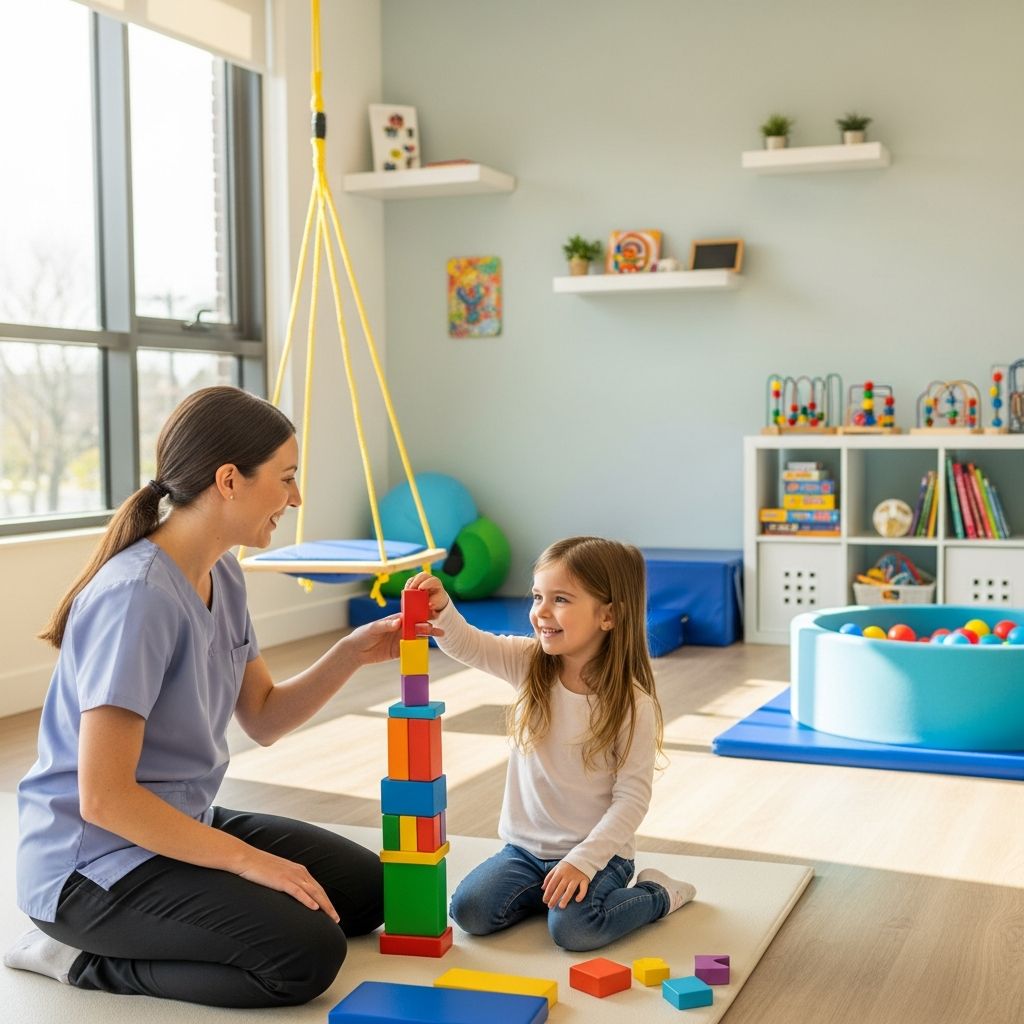
Starting kindergarten is a big emotional leap for a five-year-old, and it is very common for that leap to show up as “behavior problems.” Tantrums, defiance, not listening, or clashes with teachers are often signs of overwhelm, not signs that your child is bad or broken. This guide explores what might really be going on for your child and how you can respond in a way that protects their confidence, strengthens your relationship, and supports success at school.
Why Kindergarten Feels So Hard for Many Five-Year-Olds
On the surface, kindergarten looks simple: circle time, crafts, playground, story, lunch. But from your child’s point of view, it is a complex social and emotional environment with rules, expectations, and sensory demands they have never faced before. When a child “acts out,” it is usually an attempt to cope with a world that suddenly feels bigger, louder, and less predictable.
- They are asked to sit still, listen, and follow group directions far more than in most preschool or home settings.
- They must navigate friendships, sharing, and conflicts without the constant close support they may be used to.
- They may be dealing with new stressors—food rules, allergies, separation from siblings, or a different way of doing things than they know.
Seen through this lens, many behavior struggles are better understood as growing pains rather than rebellion.
Common Behavior Challenges in Kindergarten
Each child is unique, but there are patterns that appear frequently in the first year of school. Recognizing them can help you respond calmly and strategically rather than from fear or shame.
| Behavior at School | How Adults Often Interpret It | What It Might Really Mean |
|---|---|---|
| Not listening during circle time | Defiance, disrespect | Overstimulation, difficulty sitting, anxiety, or not understanding expectations |
| Arguing with teacher or peers | Rudeness, stubbornness | Feeling powerless, missing home routine, trying to assert autonomy |
| Rushing through work | Carelessness, impulsivity | Excitement, wanting approval, or fear of doing it wrong if they wait |
| Throwing toys or materials | Aggression, bullying | Flooded by big emotions and not having a better way to express anger or frustration |
| Isolating or refusing to join activities | Uncooperative, dramatic | Social anxiety, sensory overload, or feeling left out |
When you shift from “What is wrong with my child?” to “What is this behavior trying to tell us?” you open a path to solutions that are both kinder and more effective.
Looking Beneath the Behavior: Possible Roots
Before focusing on discipline, take time to consider what might be driving your child’s actions. Often there is a cluster of factors, not just one cause.
Emotional and developmental factors
- Immature impulse control: Five-year-olds are still building the brain wiring that helps them pause, think, and choose. They often act first and understand later.
- Separation from familiar adults: Being with a new teacher who does not yet know them well can feel unsafe, especially for sensitive children.
- Big feelings with small tools: Kids this age may not yet be able to say, “I feel embarrassed” or “I’m worried the other kids don’t like me,” so their feelings erupt as misbehavior.
Social and classroom dynamics
- Feeling singled out: Seating changes, allergy protocols, or behavior charts can make a child feel different or punished, even when adults intend to protect or help.
- Criticism or negative labels: If a child senses that adults see them as the troublemaker, they are more likely to live into that role.
- Lack of connection: Children cooperate much more easily with adults who make them feel liked, understood, and valued.
Physical and sensory needs
- Hunger, fatigue, or thirst can lower a young child’s frustration tolerance dramatically.
- Noisy rooms, bright lights, or crowded spaces can be overwhelming, especially for kids who are sensitive to sensory input.
- Medical or allergy constraints may limit where they sit or what they eat, which can unintentionally increase feelings of isolation.
Staying on Your Child’s Side (Even When School Is Upset)
One of the most powerful supports you can offer is your unwavering sense that you and your child are on the same team. This does not mean ignoring hurtful behavior, but it does mean refusing to frame your child as the enemy when things get difficult.
- Listen first when you hear about an incident. Ask your child, calmly and without accusation, how the day went and what it felt like.
- Validate the feelings even if you cannot condone the actions: “You were really angry when that happened; it makes sense your feelings were big.”
- Make it clear that you care about both their heart and their behavior: “You are a good kid, and it’s my job to help you learn safer ways to handle anger.”
When children believe that you see the best in them, they are more willing to look honestly at their choices and grow.
Talking with the Teacher Without Blame
Communication with the teacher works best when it is grounded in mutual respect and a shared goal: helping your child succeed. You do not have to agree with every classroom decision to collaborate constructively.
How to prepare for a conversation
- Approach the teacher from curiosity, not accusation. Use language like, “Help me understand what you are seeing” and “What seems to trigger these behaviors?”
- Share brief, relevant information about your child’s temperament, fears, or needs at home that might shed light on school behavior.
- Go in with a few positive observations about your child so the conversation is not only about problems.
Key questions to explore together
- “When during the day do you see the most challenges—mornings, transitions, group work, or unstructured times?”
- “Are there times my child is especially helpful, focused, or kind that we can build on?”
- “What has helped other children with similar struggles in your classroom?”
When you communicate that you want to be part of the solution, many teachers become more open to creative strategies and small adjustments that can make a big difference.
Practical Strategies to Support Better Behavior
Behavior improves most reliably when adults focus on prevention, connection, and clear but compassionate limits. Below are concrete approaches you can adapt to your family and school context.
1. Strengthen connection before correction
- Build in at least 10–15 minutes of “special time” most days where you give your child undivided attention in play or conversation.
- Create a warm, predictable goodbye ritual—such as a secret handshake, a drawing tucked in the backpack, or a short encouraging phrase.
- Reconnect after school with curiosity rather than interrogation: “What made you smile today?” before asking what was hard.
2. Teach emotional skills at home
- Use everyday moments to label feelings: “It seems like you feel disappointed,” “You look proud of your drawing.”
- Practice simple calm-down tools: deep breaths, squeezing a stress ball, asking for a break, or using words like “I am mad” instead of hitting or throwing.
- Role-play school situations. Take turns pretending to be the teacher and your child, and rehearse respectful ways to speak up and ask for help.
3. Collaborate on classroom-friendly supports
Work with the teacher to design small, respectful accommodations that help your child feel capable rather than singled out.
- Offer ideas like a quiet corner, a short movement break between tasks, or a simple visual schedule on the desk.
- Ask whether your child can have a small classroom job—line leader on certain days, helping organize materials, or assisting with setup. Responsibility often reduces resistance.
- If safety protocols (such as food allergies) require separate seating, explore ways to ensure they still have social company and feel included.
4. Use consequences that teach, not shame
Consequences are most effective when they are related, respectful, and reasonable. They should help the child learn, not simply suffer.
- Replace double punishment (consequences at school and again at home) with constructive follow-up: problem-solving, practicing new skills, or making amends.
- Focus on repair. If your child threw a toy or hurt someone’s feelings, guide them to apologize, help fix the situation, or make a kind gesture.
- Avoid global labels like “bad kid” or “bully.” Talk about specific choices: “Throwing toys is not okay. Let’s practice what you can do next time you feel that angry.”
Balancing Firm Limits with Empathy
Kindness without boundaries leaves children feeling unsafe; boundaries without kindness leave them feeling unloved. The sweet spot is calm firmness anchored in genuine understanding of how hard this stage can be.
- State limits clearly and simply: “You may feel angry, and it is not okay to throw or hit. I will help you find another way.”
- Stay as calm as you reasonably can. Your nervous system sets the tone for how quickly your child can return to balance.
After everyone is calm, revisit the situation with your child and brainstorm options: “Next time, when you are mad at a friend, what could you do instead of throwing?”
When to Seek Extra Support
Most kindergarten behavior bumps smooth out as children feel safer, older, and more connected. Still, there are times when outside help is wise and proactive, not a sign of failure.
- If the behavior is frequent and intense, happening in multiple settings (school, home, activities) over several months.
- If your child seems persistently sad, withdrawn, extremely anxious, or full of self-blame like “I’m just bad” or “Nobody likes me.”
- If the school is considering exclusionary steps (constant office referrals, requests to leave early, or talk of suspensions) and current approaches are not working.
Consulting a child psychologist, developmental pediatrician, or counselor who specializes in young children can help clarify what is developmentally typical, what might need targeted support, and what tools would best fit your child.
Protecting Your Child’s Sense of Self
Perhaps the deepest worry many parents carry is that their five-year-old will be branded as “the bad kid” from the very start of their school journey. While you cannot control every classroom narrative, you can fiercely protect the story your child believes about themselves at home.
- Separate their worth from their behavior in your words: “You are good. You made a hurtful choice, and we can fix that.”
- Notice and name their strengths daily—kindness to siblings, creativity in play, persistence in learning a new skill.
- Share hopeful messages about mistakes: “Everyone is learning at school, not just with reading and numbers but also with feelings and friendships.”
Children who know they are loved and capable, even when they struggle, are far more resilient in the face of school challenges.
Kindergarten Behavior Support Checklist for Parents
Use this quick checklist to reflect on practical steps you can take over the next few weeks. Small shifts add up over time.
- Ensure a consistent sleep routine and nourishing meals to support emotional regulation.
- Build daily connection rituals: special time, playful moments, shared stories about your own school memories.
- Schedule a collaborative meeting or check-in with the teacher if you have ongoing concerns.
- Practice emotional vocabulary and coping skills at home through play and everyday conversations.
- Monitor your own stress and seek support when needed; your calm presence is one of your child’s best resources.
Frequently Asked Questions
Is my five-year-old’s behavior just a phase or something more serious?
Many kindergarten behavior issues are part of normal development, especially in the first months of school. Look at the overall pattern: if your child is gradually improving, shows some good days, and can respond to guidance with support, it is likely a phase that will pass with patience and consistent strategies. If intense behavior persists across settings for a long time or significantly interferes with learning and relationships, a professional opinion can provide clarity and reassurance.
Should I punish my child at home for what happens at school?
Doubling up on punishment usually increases shame and anxiety without truly teaching better skills. Instead of punishing again, focus on helping your child understand what happened, practicing alternatives, and making amends if needed. It is helpful to communicate to your child that school addresses behavior in the moment, while home is a safe place to learn and grow from those experiences.
What if I disagree with how the teacher is handling my child?
Disagreements are common and do not automatically mean the relationship is doomed. Request a calm conversation focused on your shared goal of supporting your child. Use specific examples, listen to the teacher’s perspective, offer your own observations, and suggest adjustments that might help, such as more positive feedback, clearer expectations, or opportunities for your child to feel helpful and included.
How can I help my child feel less like “the bad kid”?
Begin by changing the story at home: avoid negative labels and talk about choices instead of identity. Encourage your child to notice their positive actions each day, and share those with the teacher when appropriate so your child hears consistent messages about their strengths. Remind them regularly that everyone is learning, and that making mistakes is part of growing, not proof that they are bad.
When is it appropriate to consider a change of classroom or school?
Switching classrooms or schools is a big decision and not always necessary, even when the year starts off rocky. It is worth exploring this option if your child remains chronically distressed, you have tried collaborative problem-solving with little improvement, and you see clear signs that the current environment is harming their self-esteem. In those cases, a fresh start in a more attuned setting can sometimes unlock progress that felt impossible before.
Kindergarten is the beginning of a long journey, not the final verdict on who your child will become. With understanding, partnership, and gentle persistence, many early behavior challenges can become stepping stones toward resilience, empathy, and confidence.