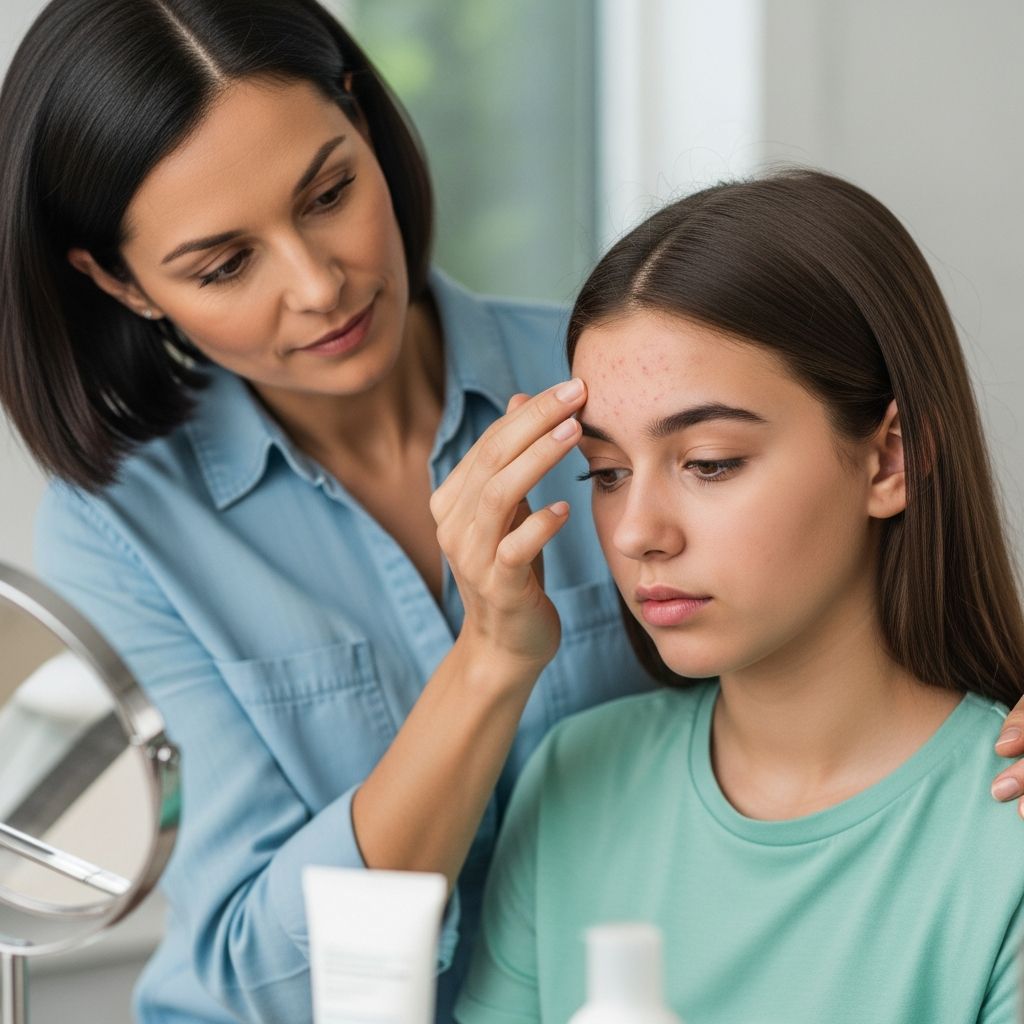
Acne affects nearly 85% of adolescents, primarily due to puberty-driven hormonal shifts that boost oil production in the skin. Parents play a crucial role in guiding children through this common skin issue with informed care and timely interventions.
Understanding the Roots of Acne in Youth
Acne develops when hair follicles become clogged with oil, dead skin cells, and bacteria, leading to inflammation. During puberty, androgen hormones like testosterone surge in both boys and girls, enlarging sebaceous glands and increasing sebum output. This excess oil mixes with shedding skin cells, trapping bacteria such as Cutibacterium acnes and sparking breakouts.
Genetics heighten risk; if parents experienced teen acne, their children are more prone. External factors like menstrual cycles, certain medications (e.g., corticosteroids, lithium), or hormone therapies can exacerbate it, though myths about diet or poor hygiene as primary causes lack evidence. Stress and greasy products may worsen symptoms but do not initiate them.
Recognizing Acne Types in Children and Teens
Acne manifests in varied forms, each requiring tailored approaches. Comedonal acne features non-inflammatory clogs: blackheads (open, oxidized) and whiteheads (closed). Inflammatory types include papules (red bumps) and pustules (pus-filled).
Cystic acne, the severest, involves deep, painful nodules or cysts prone to scarring from intense inflammation and infection. Childhood acne, rarer before puberty, may signal hormonal imbalances and warrants early medical review.
| Acne Type | Description | Common Locations | Severity |
|---|---|---|---|
| Comedonal | Blackheads and whiteheads | Forehead, nose, chin | Mild |
| Inflammatory | Red papules, pustules | Cheeks, jawline | Moderate |
| Cystic | Deep, painful lumps | Cheeks, back, chest | Severe |
Daily Skincare Essentials for Clearer Skin
A consistent, gentle routine prevents worsening and supports treatments. Wash face twice daily with a mild, non-comedogenic cleanser to remove excess oil without stripping skin. Avoid harsh scrubbing, which irritates and boosts oil production.
- Gentle cleansing: Use lukewarm water and fragrance-free products morning and night.
- Moisturize: Opt for oil-free, non-comedogenic formulas to combat dryness from treatments.
- Sunscreen: Daily broad-spectrum SPF 30+ prevents post-acne marks darkening.
- Non-comedogenic makeup: Choose water-based products labeled ‘won’t clog pores.’
Pat dry gently; never pop pimples to avoid scarring and infection spread.
Over-the-Counter Solutions for Mild Cases
For mild acne, OTC products with proven ingredients offer effective first-line defense. Benzoyl peroxide (2.5-10%) kills acne bacteria, reduces inflammation, and clears pores but may dry skin initially.
Salicylic acid (0.5-2%) exfoliates inside pores, preventing clogs. Topical retinoids like adapalene unplug follicles and reduce comedones. Start low-strength, apply thinly at night, and use moisturizer to minimize irritation.
- Benzoyl peroxide washes for body acne (back, chest).
- Salicylic acid pads for spot treatment.
- Hydrocolloid patches to heal individual pimples faster.
- Sulfur-based masks for oil absorption.
Results appear in 4-8 weeks; patch-test new products.
Prescription Therapies for Persistent Acne
Moderate to severe acne often needs dermatologist-prescribed options. Topical antibiotics (e.g., clindamycin) target bacteria alongside benzoyl peroxide to prevent resistance. Retinoids like tretinoin or tazarotene enhance cell turnover.
Oral antibiotics such as doxycycline reduce inflammation for 3 months max. For hormonal acne in females, spironolactone or birth control pills balance androgens. Isotretinoin (Accutane) clears severe cystic acne in 4-6 months but requires monitoring for side effects like dry skin and mood changes.
Professional procedures include chemical peels, light therapy, or drainage for cysts.
Lifestyle Adjustments to Minimize Breakouts
Beyond topicals, habits influence acne control. A balanced diet low in high-glycemic foods may help, though evidence is mixed. Stay hydrated, manage stress via exercise or mindfulness, and change pillowcases weekly.
Avoid touching face; clean phones and hats regularly. For athletes, shower post-sweat with acne wash.
Navigating Emotional Impact and Support
Acne impacts self-esteem, especially in teens. Open discussions normalize it; praise progress to build confidence. Counseling aids severe cases affecting mental health.
When to Consult a Dermatologist
Seek expert care if OTC fails after 8-12 weeks, scarring occurs, or cysts develop. Painful nodules, widespread acne, or psychological distress signal urgency. Early intervention prevents scars.
Frequently Asked Questions
Does diet cause teen acne?
No, but high-sugar diets may aggravate it in some.[10]
How long until treatments work?
1-2 months for improvement; full clearance takes longer.
Can acne scar permanently?
Yes, cystic types risk pits; treat promptly.
Is acne linked to poor hygiene?
No, hormones drive it; gentle cleansing suffices.[10]
Are retinoids safe for teens?
Yes, under guidance; start slowly to avoid irritation.
References
- Teenage Acne | Causes & Treatments — La Roche-Posay. 2023. https://www.laroche-posay.us/skincare-tips-and-advice/acne-oily-skin/teenage-acne-causes-and-treatments.html
- Teenage acne: Causes, symptoms and treatment — Walgreens Blog. 2023-05-15. https://blog.walgreens.com/health/skin-health-conditions/teenage-acne.html
- What Can I Do About Acne? (for Teens) — Nemours KidsHealth. 2024. https://kidshealth.org/en/teens/prevent-acne.html
- Bye bye breakouts: Understanding teenage acne — Children’s Wisconsin. 2024-01. https://childrenswi.org/at-every-turn/stories/2024/01/teenage-acne-understanding-causes-types-and-treatment-options
- Teen Acne: Causes, Symptoms, Treatments, and More — WebMD. 2023. https://www.webmd.com/skin-problems-and-treatments/acne/what-is-acne
- Teen Acne: How to Treat & Prevent This Common Skin Condition — HealthyChildren.org (AAP). 2023. https://www.healthychildren.org/English/health-issues/conditions/skin/Pages/What-Causes-Acne.aspx
- Acne – Symptoms and causes — Mayo Clinic. 2024-06-20. https://www.mayoclinic.org/diseases-conditions/acne/symptoms-causes/syc-20368047