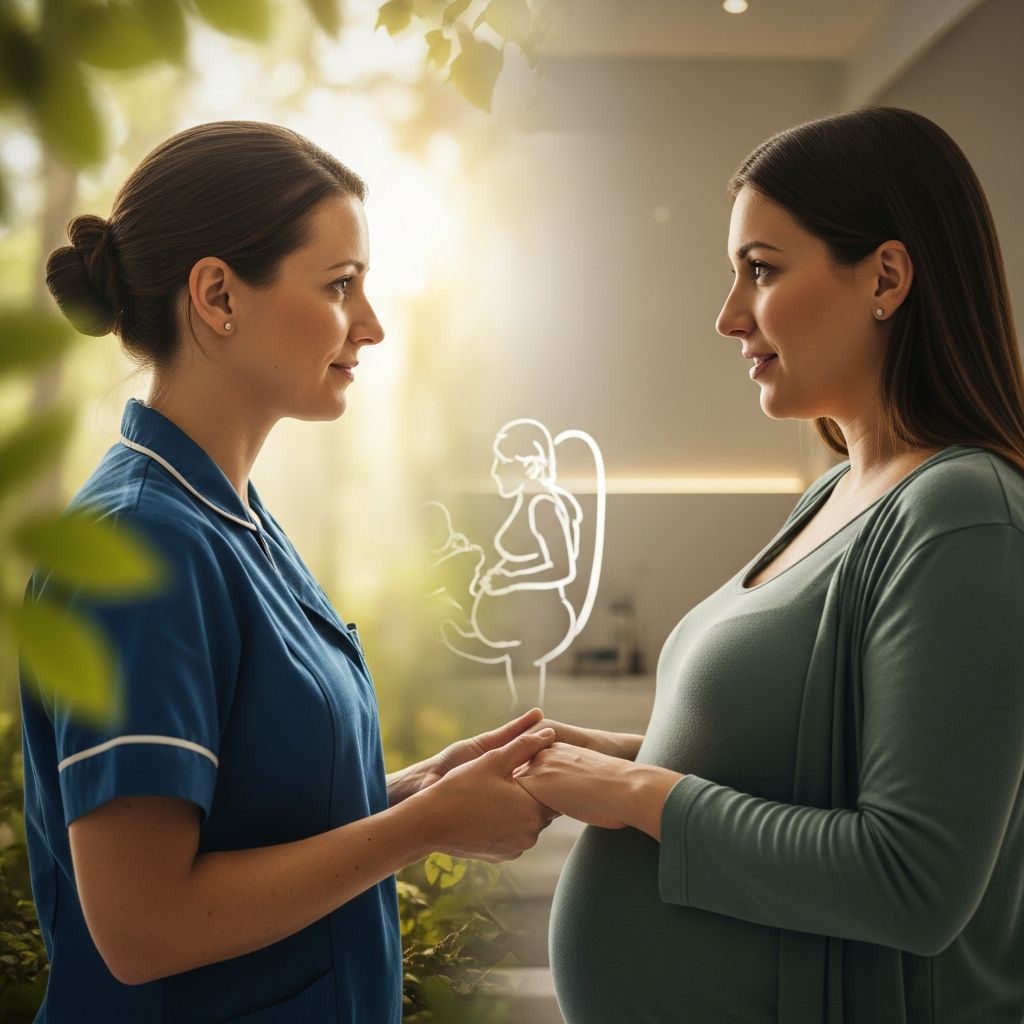
Experienced midwives often steer expectant mothers away from an unwavering commitment to unmedicated vaginal births, emphasizing safety, evidence, and individual needs instead. This approach stems from years of hands-on expertise witnessing the unpredictable nature of labor.
Understanding the Allure of Unmedicated Labor
The desire for a **natural birth**—typically defined as a vaginal delivery without pain medications or surgical interventions—has surged in popularity. Many women seek this path to avoid synthetic drugs, foster empowerment, and embrace the body’s innate processes. However, definitions vary: some accept labor induction with oxytocin as natural since it mimics a hormone, while others reject any medical aid.
Statistics reveal growing trends. In the U.S., midwife-attended births rose from 3% in 1989 to 8.8% in 2016, often correlating with fewer interventions and slower labors. Yet, only 28.7% of women achieve a fully normal birth—spontaneous labor, no anesthesia, unassisted vaginal delivery, and no episiotomy—highlighting inherent challenges.
Risks and Realities of Pursuing Natural Birth Exclusively
While natural birth offers benefits like avoiding medication side effects (nausea, low blood pressure, fever), it introduces others: extreme pain, vaginal tears, bleeding, infection, hemorrhage, and pelvic floor weakening. Primiparous women (first-time mothers), those with prior cesareans, multiples, older age, or conditions like gestational diabetes face reduced odds of normal birth.
| Factor | Impact on Normal Birth Probability |
|---|---|
| Primiparous | Decreases |
| History of Cesarean | Decreases |
| Freestanding Midwifery Unit or Home | Increases |
| Continuous Fetal Monitoring | Decreases |
| Public Care Model | Increases |
This table summarizes key predictors from research, showing how setting and maternal factors influence outcomes.
The Midwife’s Role in Pain Management and Support
Midwives are pivotal in natural childbirth, employing non-pharmacological techniques like massage, hydrotherapy, breathing exercises, movement freedom, and non-supine positions to ease pain. These methods enhance normal birth likelihood, especially in public facilities or outside business hours.
Surveys of midwives indicate frequent use of these strategies, though abandonment occurs due to labor intensity or ineffectiveness. Job satisfaction, low burnout, and high self-efficacy correlate with confident application of such methods. Knowing care providers minimally can paradoxically boost normal birth rates in public models, prioritizing team expertise over familiarity.
When Interventions Become Essential
Midwives candidly discuss when to pivot: prolonged oxygen deprivation, fetal distress, or stalled progress. Financial incentives in U.S. healthcare favor cesareans—doctors and hospitals earn more—potentially biasing training toward surgery. Marginalized women face pathologized pregnancies, higher induction/C-section rates, yet less pain relief.
In contrast, UK midwifery-led care promotes natural births but faced scrutiny after tragedies, leading to campaign reevaluations. Midwives thus advocate flexibility: epidurals or cesareans save lives without negating empowerment.
Building a Realistic Birth Plan
Start discussions early with providers about natural birth feasibility based on health history. Assemble a support team—partner, doula, family—for emotional bolstering. Monitor progress via cervical exams, blood pressure, and fetal heart rates only as needed.
- Prepare Techniques: Practice hypnobirthing, visualization, and position changes.
- Know Red Flags: Excessive bleeding, abnormal fetal patterns, unrelenting pain.
- Flexibility Clause: Include consent for interventions if safety demands.
Diverse Perspectives on Birth Definitions
“Natural” spans spectrums: absolute no-drugs for some, midwife-led vaginal for others. Cultural and socioeconomic factors shape choices—Western fertility control might predict more interventions, yet natural trends persist. Ectogenesis could redefine “natural” entirely.
Black women endure disparities: more interventions despite low-risk pregnancies, less analgesia. Midwives counter this by personalizing care, fostering trust.
Long-Term Outcomes and Evidence-Based Choices
Normal birth boosts recovery speed but isn’t guaranteed. Public midwifery continuity or standard care elevates chances versus private settings. Non-supine births reduce episiotomies, aiding healing.
Midwives’ wisdom lies in demystifying ideals: labor’s unpredictability warrants preparedness over dogma. This empowers women, reducing anxiety and enhancing satisfaction regardless of path.
Real Maternal Experiences
Many recount shifting from natural goals to grateful interventions. One mother, post-complicated labor, opted for elective cesarean with her fourth child after 22 minutes of fetal oxygen loss—prioritizing baby over ideology.
Others thrive with midwife support: water births, movement, minimal monitoring yielding joyful unmedicated deliveries. Balance emerges through informed dialogue.
Factors Influencing Birth Success
- Gestational age advancement lowers odds.
- Low-lying placenta or hypertension complicates.
- Team familiarity varies by model—public often optimal.
- Midwife-led units excel for low-risk cases.
Frequently Asked Questions (FAQs)
What defines a natural birth?
A vaginal delivery without pain meds like epidurals; some include oxytocin induction.
Are natural births safer?
Not inherently—risks like tears balance medication side effects; depends on individual factors.
How do midwives relieve labor pain naturally?
Via massage, water immersion, breathing, mobility, and positional changes.
Why might a midwife recommend against natural birth?
Prior complications, medical conditions, or fetal distress necessitate interventions for safety.
Does hospital setting affect natural birth chances?
Yes—midwifery units or home births increase odds over obstetric units.
Empowering Your Journey
Midwives illuminate paths beyond natural-only pursuits, blending tradition with science. This holistic guidance ensures healthier mothers and babies, honoring each unique labor story.
References
- Why Are Women Still Refusing Painkillers During Childbirth? — VICE. 2018. https://www.vice.com/en/article/this-is-why-the-natural-birth-movement-isnt-slowing-down/
- Factors promoting or inhibiting normal birth — PMC – NIH. 2018-06-20. https://pmc.ncbi.nlm.nih.gov/articles/PMC6006773/
- Labor Without Pain Medication: What is Natural Birth & How to Prepare — UPMC. Accessed 2026. https://www.upmc.com/services/womens-health/services/obgyn/obstetrics/labor-delivery/birth-experience/natural-birth
- The Role of Midwives in the Course of Natural Childbirth—Analysis — PMC – NIH. 2022. https://pmc.ncbi.nlm.nih.gov/articles/PMC9739036/