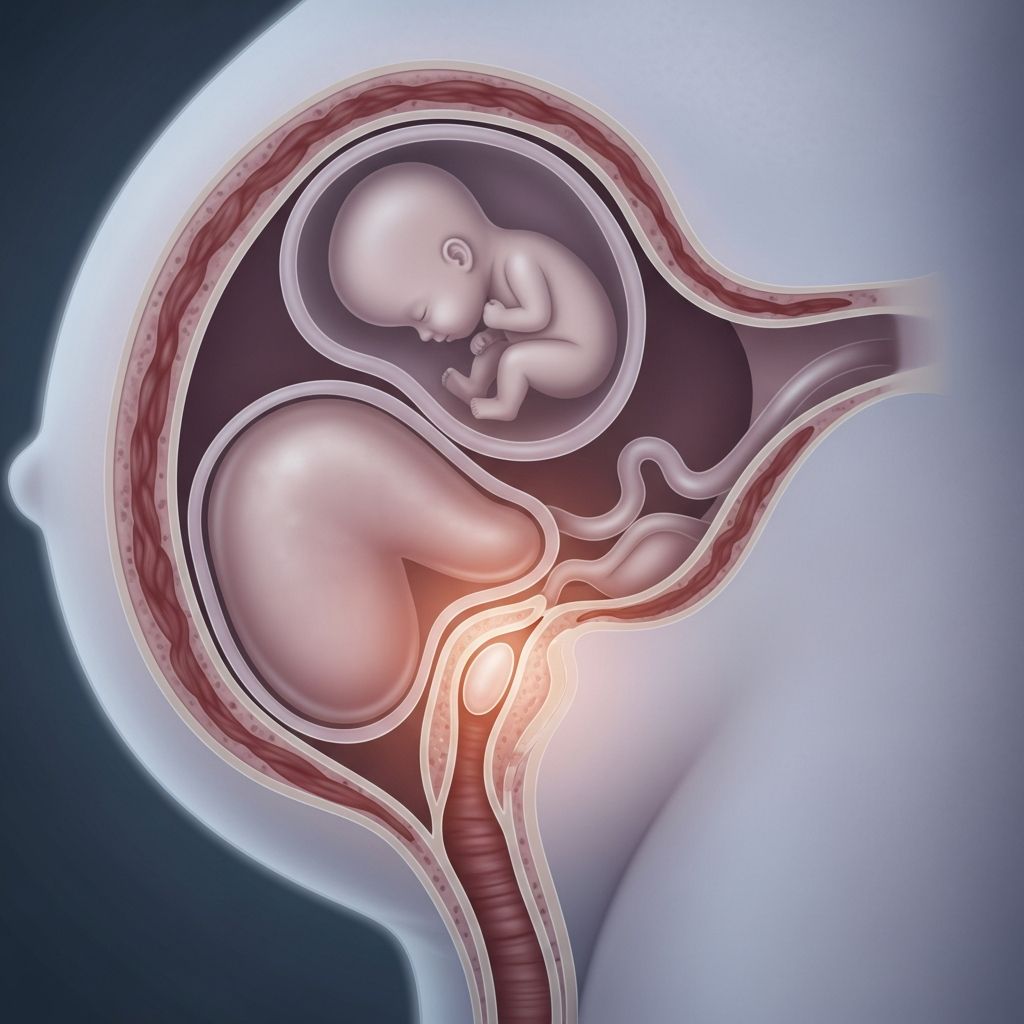
Placenta previa is a pregnancy condition where the placenta implants low in the uterus, partially or fully obstructing the cervical opening, which can lead to significant vaginal bleeding and necessitate cesarean delivery. This complication affects approximately 1 in 200 pregnancies and becomes critical if it persists into the third trimester.
Understanding the Placenta’s Role in Pregnancy
The placenta serves as the vital lifeline between mother and baby, delivering oxygen and nutrients while removing waste through the mother’s bloodstream. Normally, it attaches higher in the uterus, allowing unobstructed vaginal birth. In placenta previa, its low position—directly over or near the cervix—poses challenges as the uterus expands and the cervix prepares for labor. Early in pregnancy, low implantation is common and often resolves as the uterus grows upward, but persistence raises concerns.
Types of Placenta Previa
Placenta previa is classified based on the extent of cervical coverage, influencing management severity.
- Complete (Total) Previa: The placenta fully covers the internal cervical os, blocking the birth canal entirely and almost always requiring a C-section.
- Partial Previa: The placenta covers part of the cervical opening, potentially allowing vaginal delivery if it resolves, but often leads to surgical birth.
- Marginal Previa: The placental edge reaches the cervical os edge without full coverage, carrying moderate bleeding risk.
A fourth type, low-lying placenta, involves the edge within 2 cm of the os but not touching it, monitored closely. Accurate typing via ultrasound guides care plans.
Recognizing Key Symptoms
The hallmark sign is painless bright red vaginal bleeding after 20 weeks’ gestation, often sudden and varying in volume from spotting to profuse, life-threatening hemorrhage. Bleeding may recur episodically, triggered by uterine stretching, intercourse, or labor onset. Unlike labor pains, it lacks contractions or abdominal pain, though cramping can occasionally occur. Fetal distress signs like reduced movement warrant immediate attention. Any second- or third-trimester bleeding requires urgent evaluation to rule out previa or other issues like abruption.
Risk Factors and Causes
No single cause exists, but multiple factors increase likelihood.
| Risk Factor | Description |
|---|---|
| Prior Cesarean Sections | Scar tissue disrupts normal implantation; risk rises with multiple C-sections. |
| Advanced Maternal Age | Women over 35 face higher incidence due to uterine changes. |
| Multiple Pregnancies | Twins or more stretch the uterus, promoting low attachment. |
| Smoking | Reduces uterine oxygen, affecting placental positioning. |
| Uterine Abnormalities | Fibroids or irregular shapes alter implantation sites. |
| Prior Uterine Surgeries | D&C or myomectomy creates scarring. |
These factors cumulatively elevate odds, emphasizing preconception counseling for high-risk individuals.
Diagnosis Through Advanced Imaging
Routine mid-pregnancy ultrasounds detect most cases incidentally, with transvaginal ultrasound providing precise measurement of placental distance from the os—gold standard for confirmation. If bleeding occurs, immediate ultrasound assesses coverage and fetal well-being. MRI is reserved for suspected accreta spectrum. Early diagnosis allows proactive monitoring, as 90% of early previas migrate upward.
Potential Complications for Mother and Baby
Unchecked previa risks severe hemorrhage, necessitating transfusions or hysterectomy in extremes. Placenta accreta spectrum—deep uterine invasion—occurs more frequently, complicating delivery. Preterm birth is common due to indicated early delivery, exposing babies to NICU needs. Maternal anemia from blood loss and emergency C-sections add morbidity. Long-term, previa survivors face higher future previa recurrence.
Comprehensive Management Strategies
Care tailors to gestational age, bleeding severity, and previa type, aiming to reach 36-37 weeks viability.
- Activity Restrictions: Pelvic rest—no intercourse, tampons, or strenuous activity—to minimize vessel rupture.
- Bed Rest: Hospitalization for heavy bleeding, with monitoring.
- Corticosteroids: Administered 24-34 weeks to mature fetal lungs preemptively.
- Tocolytics: Rarely used to delay preterm labor if stable.
- Blood Product Availability: Prepared for hemorrhage episodes.
- Fetal Monitoring: Non-stress tests track heart rate and movements.
Outpatient management suits stable marginal cases; inpatient for complete previa post-32 weeks.
Delivery Planning and Timing
Vaginal delivery is feasible only if previa resolves completely; otherwise, planned C-section at 36-37 weeks minimizes bleeding risks. Emergency C-section follows acute hemorrhage or labor. Multidisciplinary teams—including maternal-fetal medicine specialists, anesthesiologists, and neonatologists—coordinate for optimal outcomes. Classical incisions are avoided unless accreta suspected.
Lifestyle Adjustments and Prevention Tips
While unpreventable outright, quitting smoking, spacing pregnancies, and minimizing uterine surgeries help. High-risk women benefit from early prenatal care with serial ultrasounds. Iron supplements combat anemia risk; balanced nutrition supports placental health. Emotional support via counseling addresses anxiety in high-risk scenarios.
Prognosis and Long-Term Outlook
With vigilant management, maternal and neonatal outcomes excel; most babies thrive post-C-section. Recurrence risks 4-8% in future pregnancies, higher with C-sections. Postpartum recovery focuses on hemorrhage surveillance and breastfeeding support.
Frequently Asked Questions (FAQs)
Can placenta previa resolve on its own?
Yes, most early-detected cases (up to 90%) migrate upward by third trimester, allowing vaginal birth.
Is bleeding always a sign of placenta previa?
No, but any painless second/third-trimester bleeding mandates urgent ultrasound to diagnose previa or alternatives like abruption.
Does placenta previa mean automatic bed rest?
Not always; mild cases may continue light activity with pelvic rest, escalating to hospitalization if bleeding recurs.
Can I have a vaginal birth with placenta previa?
Rarely; only if complete resolution confirmed late-term; C-section is standard for persistent cases.
What increases recurrence risk in future pregnancies?
Prior previa, multiple C-sections, and advanced age elevate chances significantly.
References
- Placenta Previa Causes, Symptoms, and Treatments — UPMC. 2023. https://www.upmc.com/services/womens-health/conditions/placenta-previa
- Placenta praevia — Better Health Channel. 2023. https://www.betterhealth.vic.gov.au/health/healthyliving/placenta-praevia
- Placenta Previa: Types, Signs, and Risks — Cryo-Cell. 2023-10-01. https://www.cryo-cell.com/blog/october-2023/placenta-previa-types-signs-risks
- Placenta previa — March of Dimes. 2023. https://www.marchofdimes.org/find-support/topics/pregnancy/placenta-previa
- Placenta Previa: Symptoms, Causes & Treatments — Cleveland Clinic. 2023-06-13. https://my.clevelandclinic.org/health/diseases/24211-placenta-previa
- Placenta Previa — StatPearls, NCBI Bookshelf. 2023-07-17. https://www.ncbi.nlm.nih.gov/books/NBK539818/