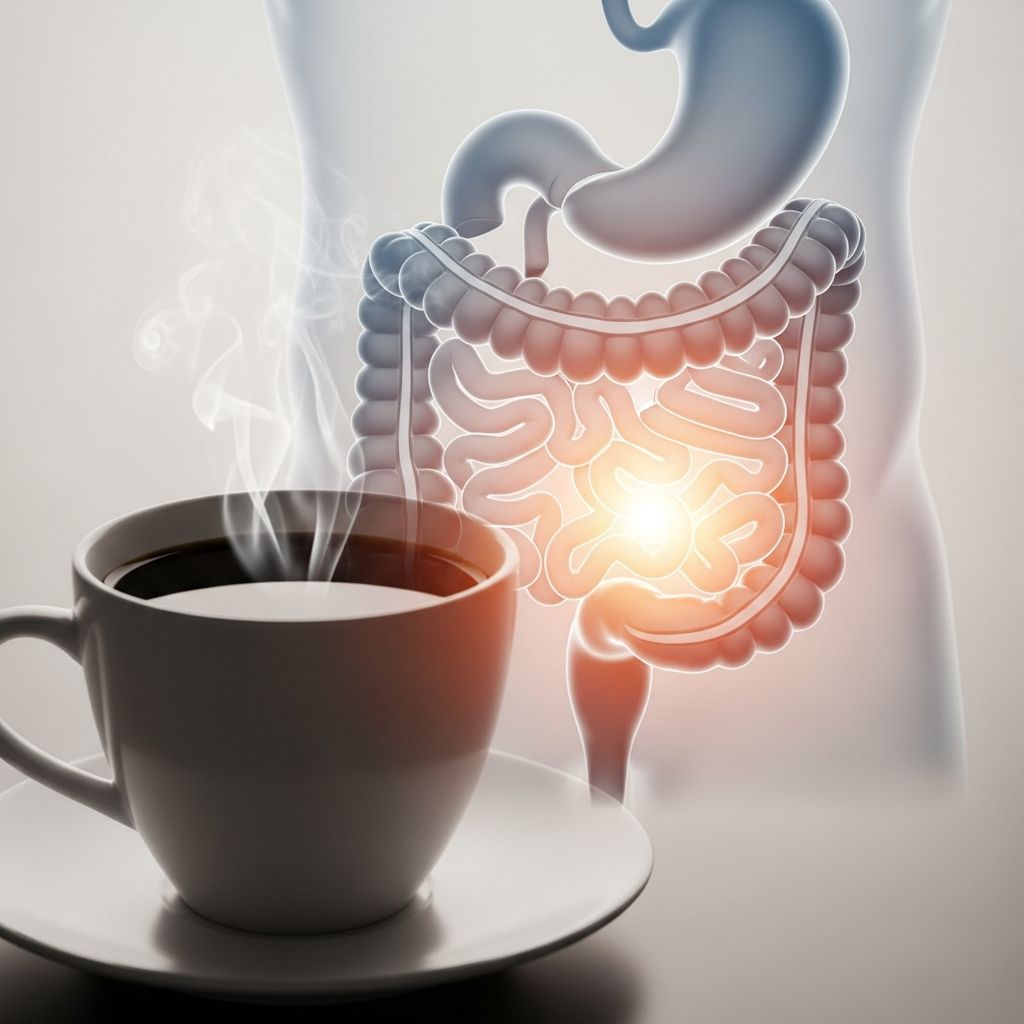
Coffee reliably prompts bowel movements in about 30% of drinkers shortly after consumption due to its stimulation of digestive hormones, increased gut muscle activity, and activation of natural reflexes.
The Gut-Stimulating Power of Your Morning Brew
That first sip of coffee sets off a cascade of digestive responses that can send you rushing to the restroom within minutes. This phenomenon stems from coffee’s unique blend of compounds that interact directly with the gastrointestinal tract. Unlike water or other beverages, coffee jump-starts the entire digestive process, from stomach acid production to colon contractions. Studies show it can stimulate colon activity as effectively as high-fiber cereals and 60% more than plain water, making it a potent laxative for many.
The process begins almost immediately upon ingestion. Coffee’s components trigger the release of key hormones that orchestrate digestion. This isn’t just a caffeine effect—decaffeinated varieties produce similar outcomes, pointing to other active ingredients at play.
Hormonal Signals: Gastrin and CCK in Action
Two primary hormones drive coffee’s laxative reputation: gastrin and cholecystokinin (CCK). When coffee reaches the stomach, it prompts gastrin secretion, which boosts hydrochloric acid production to break down food particles efficiently.
CCK follows suit, signaling the pancreas to release digestive enzymes and the gallbladder to dispatch bile into the small intestine. These actions not only aid nutrient absorption but also accelerate the transit of contents through the intestines. Together, these hormones enhance the gastrocolic reflex—a natural wave of colon contractions triggered by stomach distension, typically aligned with meals but amplified by coffee.
- Gastrin: Increases stomach acid for better food breakdown.
- CCK: Promotes enzyme and bile release for intestinal processing.
- Gastrocolic reflex: Propels waste through the colon to accommodate incoming food.
Caffeine’s Direct Impact on Gut Motility
Caffeine, coffee’s hallmark stimulant, peaks in the bloodstream 45 minutes to two hours after drinking. It blocks adenosine receptors, which normally promote relaxation, leading to heightened alertness and faster gut motility.
This stimulant effect causes stronger contractions in intestinal muscles, propelling contents forward like a conveyor belt. Research confirms caffeine increases gastrointestinal tract contractions, often resulting in loose stools or diarrhea in sensitive individuals. Even on an empty stomach, this can disrupt hormonal balance and amplify motility.
| Component | Effect on Digestion | Timing |
|---|---|---|
| Caffeine | Boosts muscle contractions | 45 min – 2 hours peak |
| Gastrin/CCK | Acid/enzyme release | Minutes after ingestion |
| Gastrocolic reflex | Colon propulsion | Immediate wave |
Plant Compounds Beyond Caffeine
Coffee’s benefits extend to its polyphenols, like chlorogenic acids, which act as prebiotics. About one-third are absorbed in the small intestine, while the rest reach the colon, where gut bacteria ferment them. This supports beneficial microbes, reduces inflammation, and fosters a healthier gut environment.
Diterpenes and flavonoids further enhance motility without relying on caffeine, explaining why decaf still prompts poops. These antioxidants combat oxidative stress in the gut lining, potentially lowering risks of conditions like colorectal cancer by speeding waste elimination.
Benefits for Regularity and Overall Gut Health
For those battling constipation, coffee serves as a natural aid. By hastening transit time, it minimizes harmful substances’ contact with intestinal walls, correlating with reduced cancer risks. Its prebiotic effects nourish good bacteria, promoting microbiome diversity essential for digestion.
Regular coffee drinkers often report fewer constipation episodes, with the beverage matching fiber cereals in colon stimulation. Additionally, the gut produces 90% of serotonin, and coffee’s stimulation here can elevate mood alongside digestion, creating a positive gut-brain feedback loop.
Potential Downsides and Who Should Beware
Not all effects are welcome. Coffee’s acidity can irritate the stomach lining, exacerbating gastritis, reflux, or heartburn by relaxing the lower esophageal sphincter. Those with irritable bowel syndrome (IBS) or inflammatory bowel disease (IBD) may experience flare-ups, including pain and diarrhea.
Caffeine-induced anxiety or insomnia can indirectly worsen gut issues via stress. Decaf offers a milder alternative, retaining plant benefits minus strong stimulation.
- Heartburn/GERD aggravation from acid reflux.
- IBS/IBD symptom intensification.
- Stomach inflammation in gastritis patients.
Decaf vs. Regular: A Comparison
Both varieties stimulate digestion, but regular coffee’s caffeine amplifies effects. Decaf avoids peak motility spikes and acid surges, making it suitable for sensitive stomachs while preserving polyphenol perks.
| Type | Motility Boost | Acid Increase | Best For |
|---|---|---|---|
| Regular | High | High | Constipation relief |
| Decaf | Moderate | Moderate | Sensitive guts |
Practical Tips to Harness Coffee’s Effects
To maximize benefits and minimize issues:
- Pair with food to buffer acidity and steady the gastrocolic reflex.
- Limit to 1-2 cups daily if prone to diarrhea.
- Opt for cold brew, which is less acidic.
- Switch to decaf post-noon to avoid sleep disruption.
- Monitor symptoms; consult a doctor for persistent issues.
Drinking on an empty stomach heightens risks, so a light meal first can balance hormone responses.
Frequently Asked Questions
Does decaffeinated coffee still make you poop?
Yes, decaf stimulates digestion via hormones and plant compounds, though less intensely than caffeinated versions.
Is coffee good for constipation?
Absolutely—it rivals fiber cereals in promoting colon activity and waste elimination.
Can coffee worsen acid reflux?
It can relax the esophageal sphincter, leading to heartburn in susceptible individuals.
How quickly does coffee affect the gut?
Effects start within minutes via hormone release, peaking in under two hours.
Is this effect unique to coffee?
No, but coffee’s combo of caffeine, acids, and polyphenols makes it exceptionally potent.
Long-Term Considerations for Coffee Lovers
Moderate intake (3-4 cups daily) links to gut health gains without major harm for most. However, those with GI disorders should personalize habits. Coffee’s role in microbiome support underscores its value beyond mere stimulation.
Emerging research highlights its anti-inflammatory potential, suggesting broader protective effects. Balancing enjoyment with awareness ensures coffee enhances rather than hinders digestion.
References
- Coffee & Your Digestion — Manhattan Gastroenterology. 2023-12-01. https://www.manhattangastroenterology.com/coffee-digestion/
- Is Coffee Bad for Digestion? — Canadian Digestive Health Foundation. 2023-01-15. https://cdhf.ca/en/is-coffee-bad-for-digestion/
- Can Coffee Cause Gastritis? — Allied Digestive Health. 2024-05-20. https://allieddigestivehealth.com/can-coffee-cause-gastritis/
- Why Does Coffee Make You Poop? — OutIn. 2024-08-10. https://it.outin.com/blogs/news/coffee-digestion-effects-science-gut-health
- Why Does Coffee Make You Poop? What Science Says — ZOE. 2024-03-12. https://zoe.com/learn/why-does-coffee-make-you-poop
- Energy Drinks, Caffeine and Your Digestion — Michigan Medicine, University of Michigan. 2023-06-05. https://www.michiganmedicine.org/health-lab/energy-drinks-caffeine-and-your-digestion
- Rise and Grind: Can You Drink Coffee on an Empty Stomach? — Baylor Scott & White Health. 2024-02-14. https://www.bswhealth.com/blog/rise-and-grind-can-you-drink-coffee-on-an-empty-stomach