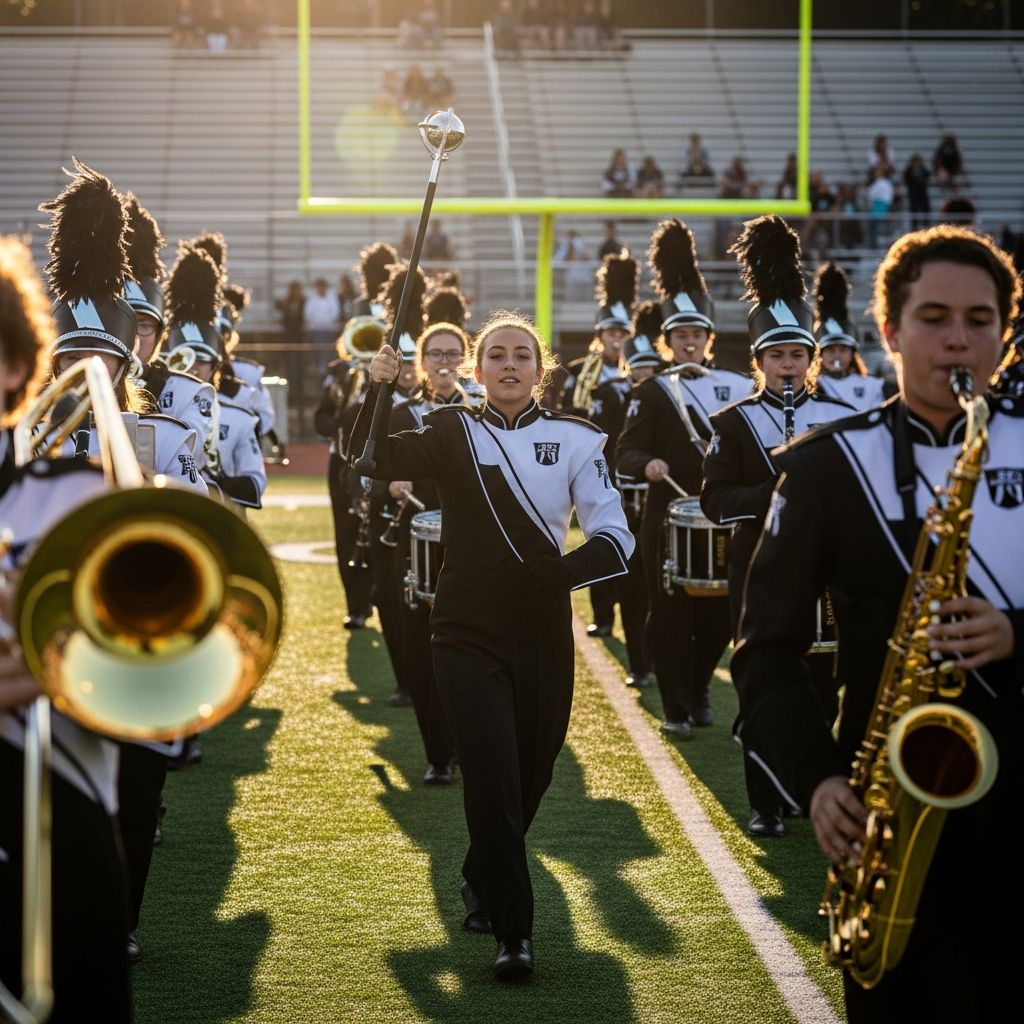
When most people picture high school marching band, they see uniforms, halftime shows, and choreographed lines crossing a football field. What often gets overlooked is that, behind the music and the marching, this activity quietly shapes teenagers into focused, resilient, and socially connected young adults. For many students, the band room becomes the place where they finally feel like they belong and where they discover what they are capable of.
If your teen is looking for a place to fit in, a challenge that goes beyond the classroom, or simply a way to be part of something bigger than themselves, marching band is worth a serious look. Far from being just another extracurricular, it’s a structured, demanding, and highly rewarding experience that can influence who they become long after graduation.
The Hidden Power of Marching Band
At first glance, marching band looks like a performance group. Underneath, it functions more like a living lab where teens practice cooperation, perseverance, and accountability every single day. Students are asked to master music, remember drill patterns, and stay coordinated with dozens of peers, all while staying calm in front of crowds.
This combination of mental focus, physical effort, and social interaction makes marching band unusually rich as a learning environment. It challenges students in multiple dimensions at once and gives them regular feedback: if one person loses focus, the entire formation shows it. Over time, teens learn to hold themselves to a higher standard, not because an adult tells them to, but because their peers depend on them.
Social Benefits: Finding a Place to Belong
High school can be isolating, especially for teens who do not feel drawn to more traditional activities like competitive sports. Marching band brings together students with a shared goal and a shared schedule, which naturally leads to strong, supportive relationships. Long rehearsals, bus rides, and games create countless small moments where friendships take root.
- Students meet peers from different grade levels, which can make transitions into high school or up a grade feel less intimidating.
- The group structure helps shy or anxious teens feel included, because everyone has a defined role and a clear reason to show up.
- Band traditions, chants, and inside jokes foster a sense of identity and community that helps teens feel seen and valued.
For many teenagers, the band becomes the main reason they look forward to school days. Knowing that their section, their stand partner, or their closest friends are expecting them can be the difference between feeling invisible and feeling anchored.
Emotional Growth and Confidence
Performing in front of an audience is intimidating, especially the first few times. Marching band eases teens into that experience gradually—through practices, smaller performances, and full shows—so they can build confidence in a supported way. Each successful run-through or game performance becomes evidence that they can handle pressure and push past nerves.
- Teens learn that mistakes happen in public and that it is possible to recover quickly and keep going.
- Regular feedback from directors and section leaders helps them see progress over time, which is crucial for self-esteem.
- Being part of a polished final show teaches students to connect daily effort with visible results, reinforcing a healthy sense of pride.
Over time, a teen who once dreaded standing out may suddenly be volunteering for solos, leadership positions, or other responsibilities. That shift in self-image often carries over to class presentations, job interviews, and new social situations.
Academic and Cognitive Advantages
Marching band is not just artistic; it is cognitively demanding. Students read music, count complex rhythms, memorize both sound and movement, and react in real time to changes around them. This mental multitasking requires focused attention and trains skills that are useful far beyond the band field.
- Memorization: Teens routinely commit entire shows to memory—notes, dynamics, and step patterns—strengthening recall and concentration.
- Listening skills: Performing in an ensemble teaches students to listen critically and adjust on the fly, a valuable skill in both academics and relationships.
- Pattern recognition: Reading scores and learning drill develop pattern recognition, which overlaps with math, languages, and problem-solving tasks.
The time commitment of marching band also forces many students to become more organized with homework and studying. When afternoons and weekends include rehearsals, teens quickly learn that procrastination has real consequences and that planning ahead matters.
Physical Fitness and Healthy Habits
Many families underestimate the physical side of marching band. In reality, modern shows demand stamina, core strength, and coordination. Teens may be marching at a brisk pace, carrying instruments, and managing precise footwork, all while maintaining posture and breath control. It is a full-body workout disguised as performance.
- Rehearsals typically involve extended periods of walking, marching, or running drills, which build cardiovascular endurance.
- Holding and playing instruments while moving strengthens muscles in the back, shoulders, and arms.
- Students learn the importance of hydration, rest, and warming up properly to avoid injury and perform at their best.
For teens who do not see themselves as “sporty,” marching band offers a way to stay active and develop body awareness in a non-judgmental, team-oriented environment.
Life Skills: Discipline, Time Management, and Responsibility
One of the most valuable aspects of marching band is its structure. Attendance policies, rehearsal schedules, and performance expectations are typically clear and consistent. Students are held accountable not just by adults but by the entire ensemble. This creates a powerful environment for learning self-discipline.
- Teens learn to show up on time, with the right equipment, ready to work—because others are depending on them.
- They practice following detailed instructions and quickly applying feedback.
- They experience natural consequences if they are unprepared, and they learn how to correct course.
Balancing rehearsals, classes, homework, and social life pushes students to develop time management strategies. Some begin using planners, calendars, or phone reminders for the first time. Others learn to break big tasks into smaller steps. These are the exact skills needed later for college schedules and demanding jobs.
Leadership and Communication Opportunities
As students gain experience, many programs offer leadership roles such as section leader, drum major, or equipment captain. These positions expose teens to real responsibility: mentoring younger players, helping run rehearsals, coordinating logistics, and sometimes even mediating conflicts within the group.
- Leaders learn to give clear instructions and constructive feedback to peers who are also friends.
- They develop public speaking confidence while addressing the band or leading warm-ups.
- They experience what it means to model the behavior they expect from others, which is a core leadership lesson.
Even students without formal titles practice communication constantly—listening to directors, asking questions, and collaborating with stand partners. These interactions train them to advocate for themselves respectfully and to read group dynamics more accurately.
Cost, Commitment, and What Parents Should Expect
Joining marching band does involve a significant investment of both time and resources. Programs vary widely, but most include a summer camp, after-school rehearsals during the season, and evening or weekend performances. There may also be fees for uniforms, travel, or instrument use. Understanding this ahead of time helps families plan and avoid surprises.
| Category | What to Expect | Questions to Ask |
|---|---|---|
| Time | Multiple rehearsals per week during the season, plus performances on game nights and some weekends. | Which days are practices? How long is the season? |
| Cost | Possible fees for uniforms, trips, instrument rental or purchase, and optional extras like spirit wear. | Are payment plans, fundraising, or fee waivers available? |
| Summer | Band camp before school starts, often full-day or extended hours for one or two weeks. | What are the camp dates and attendance rules? |
| Homework Balance | Busy afternoons and evenings require good planning for assignments and study time. | How do students typically manage academics during the season? |
| Family Involvement | Opportunities for parents to volunteer with chaperoning, equipment, fundraising, or booster clubs. | What volunteer roles are most needed, and how flexible are they? |
Parents who stay informed and connected to the band community often find that the experience becomes meaningful for the entire family. Attending performances, supporting fundraisers, and cheering from the stands can create shared memories that last just as long as the students’ own band stories.
Signs Marching Band Might Be Right for Your Teen
Not every student will love marching band, and that is okay. However, there are certain traits and interests that often predict a good fit. Even if your teen is unsure at first, considering these signs together can open up an honest conversation about trying something new.
- They enjoy music, whether or not they are already proficient on an instrument.
- They like routines and team environments, or they want to become more comfortable in those settings.
- They are looking for a way to get more involved in school life but do not connect with existing clubs or sports.
- They respond well to structure and clear expectations.
- They are open to making friends across different grades and social groups.
Even teens who are initially reluctant sometimes grow to love band once they experience the camaraderie and the satisfaction of pulling off a complex show. Many students reflect later that they only joined because a parent or friend encouraged them to “just give it one season,” and they ended up staying until graduation.
How to Support Your Teen in Band
If your family decides to move forward, your encouragement can make the experience smoother and more enjoyable for your teen. Band schedules can be demanding, and there will be days when they are tired, frustrated, or doubting themselves.
- Help them set up routines for homework, practice, and rest, especially during the first season.
- Attend performances whenever possible so they can see that their hard work matters to you.
- Keep open communication with directors and section leaders if scheduling or academic conflicts arise.
- Celebrate improvements and effort, not just awards or rankings.
Your steady support teaches your teen that it is okay to take on challenges and that they are not alone in handling them. This lesson may be even more important than any skill they learn on the field.
Frequently Asked Questions About Teens and Marching Band
Does my teen need prior musical experience?
Many programs welcome beginners or students who are switching instruments. Directors typically provide guidance on what instrument might be a good fit and offer beginner-friendly instruction, especially for incoming freshmen. Starting without experience is not a deal-breaker, as long as the student is willing to practice consistently.
Will band hurt my teen’s grades?
While marching band does take time, many students learn to manage their schedules more effectively because of it. The need to balance rehearsals and homework encourages them to become more organized, and support from peers and adults in the program can help them stay on track. When teens take advantage of study halls, planning tools, and teacher communication, band and academics can complement each other.
Is marching band physically safe?
Like any physical activity, marching band has some risk, but directors usually emphasize safety, warm-ups, hydration, and good technique. Teens who follow instructions, wear appropriate footwear, and communicate if they feel unwell can significantly reduce the chance of problems. If you have specific health concerns, it is wise to speak with both a medical professional and the band staff before the season begins.
What if my teen is introverted or socially anxious?
Introverted teens often thrive in marching band because it offers built-in structure and purposeful interaction, rather than unstructured social pressure. They have a clear role, a schedule, and a shared goal, which can make it easier to connect with others at their own pace. Over time, this can gently expand their comfort zone without forcing them to become someone they are not.
How long should we commit before deciding if it’s a good fit?
It usually takes at least one full season for a student to understand what marching band feels like—from band camp through the final performance. The first few weeks are often the hardest, as they adjust to the physical and mental demands. Agreeing as a family to complete that first season gives your teen a fair chance to adapt before making a long-term decision.
Helping Your Teen Step Onto the Field
High school passes quickly, but the habits, friendships, and memories formed during those years linger for decades. Marching band offers a rare combination of structure, challenge, and joy that helps teens grow in ways that grades alone cannot measure. Whether your child becomes a lifelong musician or never picks up an instrument again after graduation, the resilience, teamwork, and self-knowledge they gain can serve them well in every part of adult life.
If your teen is on the fence, consider inviting them to watch a rehearsal, attend a game, or talk with current band members. Sometimes seeing the effort, hearing the sound, and feeling the energy up close is all it takes to understand that marching band is more than a halftime show—it is a training ground for becoming a capable, connected, and confident young person.