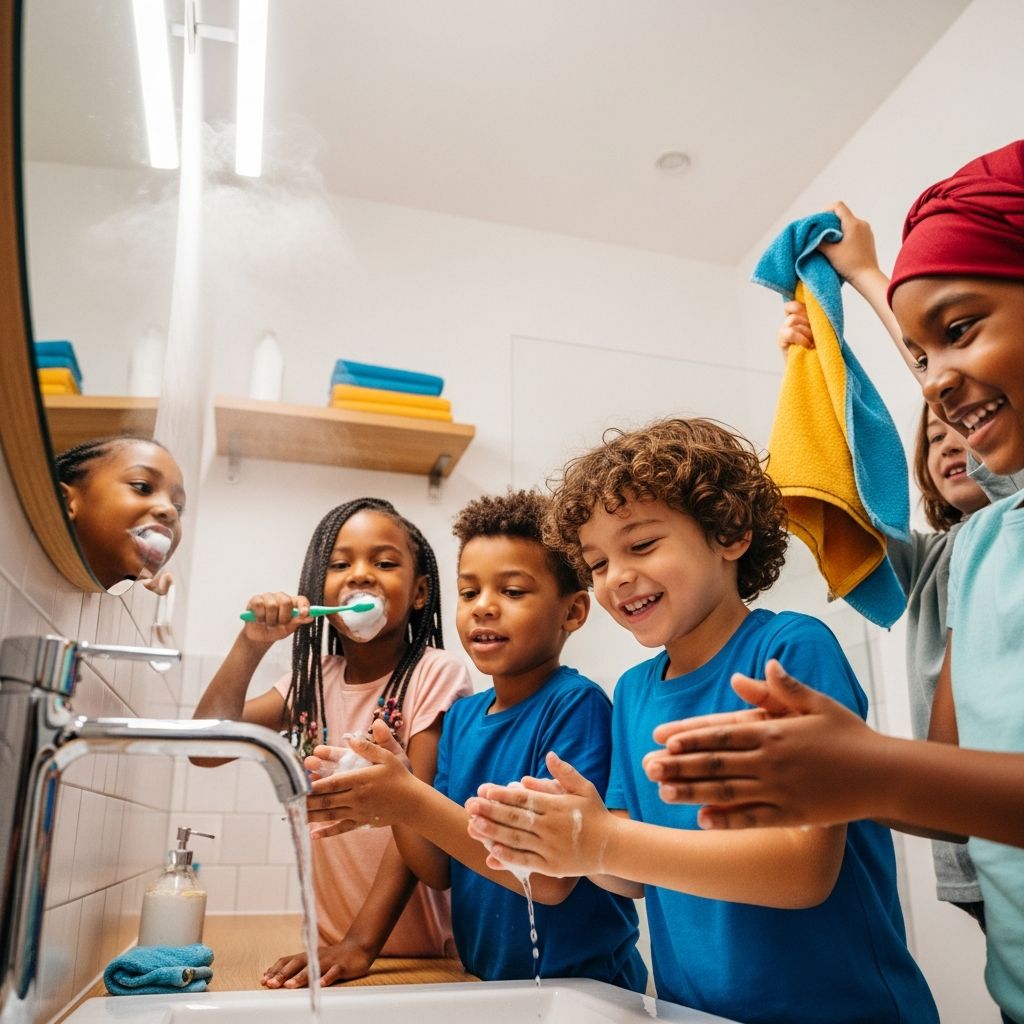
Many parents face the daily battle of encouraging children to maintain basic hygiene practices like showering, brushing teeth, or washing hands. These challenges can stem from a variety of sources, impacting not just physical health but also social interactions and self-esteem. Understanding the underlying reasons and implementing supportive strategies can transform these struggles into sustainable routines.
Recognizing Signs of Hygiene Challenges in Children
Early identification of hygiene issues allows parents to intervene effectively. Common indicators include persistent body odor despite reminders, reluctance to bathe, unkempt hair or clothing, resistance to using deodorant during puberty, and inconsistent dental care. These signs often become more noticeable as children enter school age or adolescence, when peer feedback intensifies.
- Body odor and sweat buildup: Particularly in preteens, new sweat glands activate, leading to noticeable smells if not addressed through regular washing.
- Unbrushed teeth and bad breath: Skipping oral hygiene can result in cavities and social withdrawal.
- Dirty hands or nails: A frequent issue linked to play but risky for spreading infections.
- Infrequent showers: Teens may go days without bathing, citing forgetfulness or aversion.
Observing these patterns helps distinguish between normal developmental phases and deeper concerns requiring professional input.
Health and Developmental Factors Behind Resistance
Poor hygiene often signals more than laziness. Mental health conditions like depression or trauma can manifest as neglect of self-care, with sudden declines in routines serving as red flags. Neurodevelopmental differences, such as ADHD or autism, complicate matters further: children with ADHD may forget multi-step tasks, while those on the autism spectrum might experience sensory discomfort from water, soaps, or textures.
| Condition | Hygiene Impact | Common Signs |
|---|---|---|
| Depression/Trauma | Sudden disinterest in all self-care | Withdrawal, low energy |
| ADHD | Difficulty initiating or completing routines | Forgetfulness, distraction |
| Autism | Sensory aversions to bathing products | Resistance to certain textures/smells |
Physical health problems, including skin conditions or hormonal shifts in puberty, can also deter cleaning efforts. Addressing these requires empathy and, where needed, consultation with pediatricians or therapists.
Social and Family Influences on Cleanliness Habits
Family dynamics and socioeconomic factors play crucial roles. Children from vulnerable households often exhibit deficient hygiene in areas like handwashing, hair care, and toothbrushing, correlating with parental education levels and economic stress. This can lead to school marginalization and heightened disease risk, perpetuating cycles of inequality.
Research highlights that inadequate practices contribute to preventable illnesses such as diarrhea, respiratory infections, and dental issues. Globally, poor sanitation claims young lives daily, underscoring hygiene’s role in survival. In developed settings, social rejection from peers amplifies the issue, affecting self-worth.
Poor hygiene habits among children in reception centers were significantly worse across all dimensions compared to those in stable families, linking directly to social determinants of health.
Building Positive Hygiene Routines from the Ground Up
Prevention starts young. Introduce habits through play: colorful toothbrushes, timed brushing songs, or handwashing races make tasks engaging. Visual aids like checklists or charts provide structure, especially for routine-dependent children.
- Daily schedules: Integrate hygiene into morning and evening rituals.
- Fun elements: Allow kids to choose scents or tools to build ownership.
- Modeling: Parents demonstrating routines normalize them.
For preteens and teens, education on puberty-related changes—like apocrine sweat glands causing body odor—empowers action. Regular clothing changes, especially post-exercise, prevent bacterial buildup.
Effective Parenting Techniques Without the Battles
Avoid power struggles, shaming, or force, as these breed resentment. Instead, collaborate: discuss why hygiene matters for health and friendships, then co-create plans.
Reward Systems: Use charts for younger kids, tracking tasks like showering or flossing. Daily stickers lead to small rewards; weekly goals unlock bigger ones, such as extra screen time. The absence of rewards naturally enforces accountability without extra punishments.
- Menu of options: Ice cream, park trips, or game time keeps motivation fresh.
- Age-adapted: Simple for toddlers, privilege-based for teens.
Natural consequences shine for older children. Peer comments, teacher notes, or missed social invites often prompt change more than lectures.
Navigating Puberty and Teenage Hygiene Hurdles
Adolescence amplifies issues with hormonal surges producing stronger odors. Teens may rebel against reminders, viewing them as control. Frame discussions around independence: “Managing your hygiene helps you own your day.”
Address specifics:
- Deodorant and antiperspirants: Explain bacteria’s role in odor.
- Foot and hair care: Rotate shoes, use dry shampoos.
- Intimate hygiene: Gentle education on changing underwear daily.
When to Seek Professional Guidance
If routines persist despite efforts, rule out medical issues. Pediatricians can check for sensory processing disorders or depression. School counselors offer peer-normalized advice. Therapists specializing in child behavior provide tailored interventions.
For severe cases tied to poverty or instability, community resources like hygiene kits or education programs bridge gaps.
Long-Term Benefits of Consistent Hygiene Education
Fostering these habits yields healthier, more confident kids. Reduced infection risks, better peer relations, and instilled self-reliance last into adulthood. Families breaking vulnerability cycles through education see improved health outcomes across generations.
Frequently Asked Questions (FAQs)
What if my child refuses to shower no matter what?
Explore sensory or emotional barriers first. Use incentives and natural consequences like peer feedback, while offering choices in products to reduce resistance.
Is poor hygiene always a sign of bigger problems?
Not always, but persistent issues warrant checking for mental health or neurodevelopmental factors alongside family influences.
How can I make brushing teeth fun for a resistant toddler?
Use flavored toothpaste, timers with songs, and sticker rewards on a chart to turn it into a game.
What role does puberty play in teen body odor?
New sweat glands produce sweat bacteria thrive on, causing smells; daily showers and deodorant mitigate this.
Are there hygiene risks from poor habits beyond smell?
Yes, including infections, dental decay, and social exclusion, with global links to preventable child mortality.
References
- Social Determinants of Health, the Family, and Children’s Personal Hygiene Habits — Nogueira P, et al. PMC. 2019-12-11. https://pmc.ncbi.nlm.nih.gov/articles/PMC6926531/
- Hygiene in Childhood — Marcy Willard PhD. 2023 (accessed 2026). https://marcywillardphd.com/hygiene-in-childhood/
- Global Water, Sanitation, and Hygiene (WASH) — Centers for Disease Control and Prevention (CDC). 2024 (updated). https://www.cdc.gov/global-water-sanitation-hygiene/about/about-global-hygiene.html
- Hygiene: pre-teens and teenagers — Raising Children Network (Australian Govt-funded). 2025 (updated). https://raisingchildren.net.au/pre-teens/healthy-lifestyle/hygiene-dental-care/hygiene-pre-teens-teens
- Personal hygiene for children — healthdirect (Australian Govt). 2025. https://www.healthdirect.gov.au/personal-hygiene-for-children