Engaging children in volunteer activities unlocks a wealth of developmental advantages, from bolstering emotional resilience to enhancing academic performance. Backed by national studies, this practice fosters a sense of purpose and connection that propels young minds toward healthier, more fulfilling lives.
Enhancing Emotional and Mental Well-Being
One of the most compelling reasons to introduce volunteering to children is its profound impact on their mental health. Research from a large-scale national survey reveals that kids aged 6 to 17 who volunteered in the past year were 66% more likely to exhibit flourishing behaviors, characterized by curiosity, persistence, and emotional stability. Parents reported their volunteering children as having better overall physical health and a more optimistic life outlook compared to non-volunteering peers.
Adolescents, in particular, benefit from reduced anxiety levels. The same study found volunteers had lower odds of anxiety and behavioral issues, attributing this to the agency and social bonds formed through service. Even brief acts of kindness can trigger mood boosts and stress reductions, especially when children feel genuinely motivated rather than coerced.
- Lower depression risk: Children who volunteer are 18-35% less likely to face depressive symptoms.
- Emotional stability: Volunteering promotes calmness under pressure and a proactive mindset.
- Sense of belonging: Community involvement counters isolation, fostering deep interpersonal connections.
Building Empathy and Social Skills
Volunteering serves as a hands-on classroom for empathy development, teachable as early as age 2. By interacting with diverse community members, children gain perspective on varied life experiences, cultivating compassion and selflessness. This prosocial behavior strengthens emotional resilience and social awareness, key components of healthy youth development.
Through group service projects, kids hone teamwork, communication, and leadership abilities. They learn to navigate real-world challenges collaboratively, boosting self-efficacy—the belief in their capacity to effect change. These skills translate directly to improved peer relationships and conflict resolution in everyday settings.
| Skill Developed | How Volunteering Helps | Long-Term Benefit |
|---|---|---|
| Empathy | Direct exposure to others’ needs | Stronger relationships, reduced prejudice |
| Teamwork | Group tasks like park cleanups | Better workplace collaboration |
| Responsibility | Consistent commitments | Higher civic engagement |
Boosting Academic Success and Future Prospects
Beyond emotional gains, volunteering correlates with superior school outcomes. Studies indicate improved attendance, grades, and engagement among participating youth. The discipline and time-management skills acquired through service contribute to this academic edge.
Longitudinal data paints an even brighter picture: children involved in voluntary community service achieve higher educational attainment and adult earnings. Early prosocial habits predict resilience against substance abuse and mental health struggles, paving the way for civic-minded, successful adulthood. Regular volunteers are 50% more likely to remain community-engaged later in life.
Physical Health Improvements
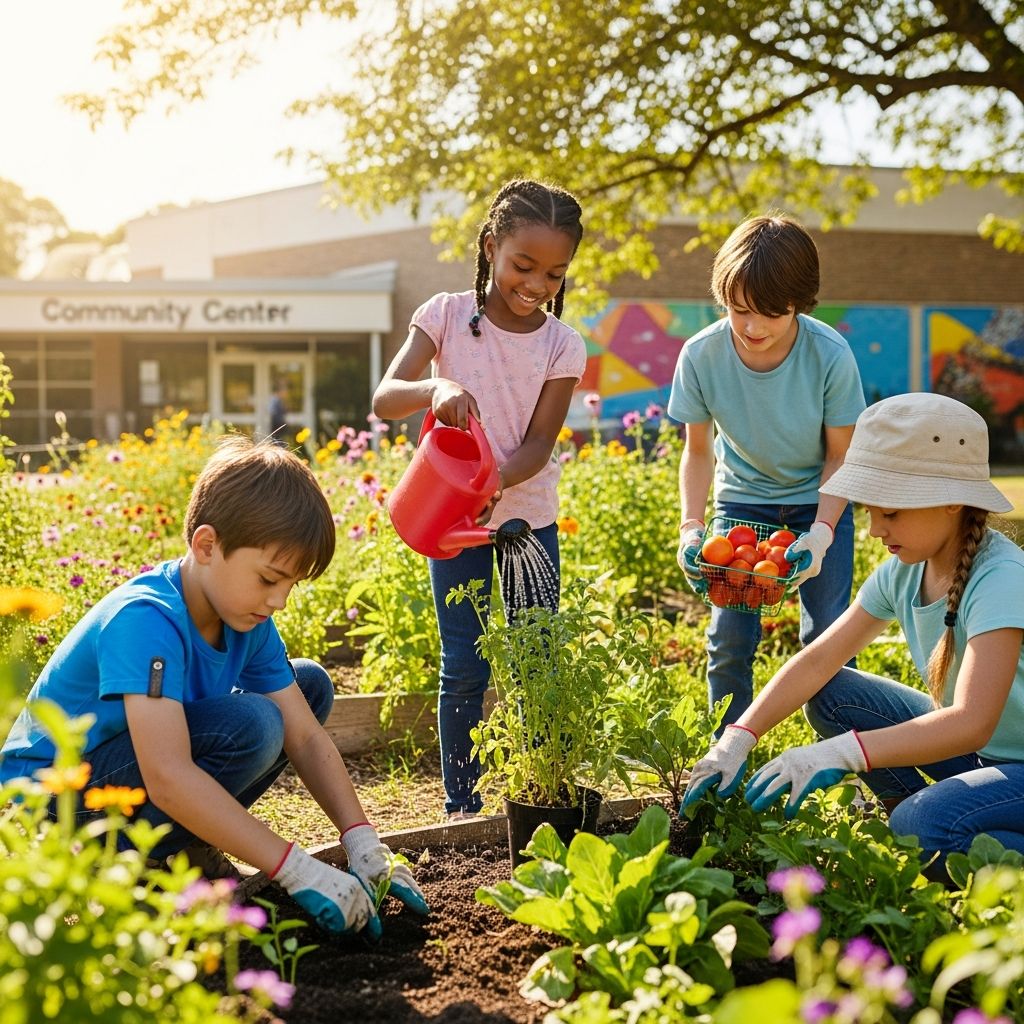
Volunteering encourages active lifestyles, from outdoor cleanups to food distribution, leading to better reported physical health. Children spend less time on devices and more in engaging, movement-based environments, which supports overall vitality. National data shows volunteers rating in “very good” to “excellent” health at rates one-third higher than non-volunteers.
Practical Strategies for Family Volunteering
Parents play a pivotal role in making volunteering accessible and enjoyable. Start small with age-appropriate tasks: toddlers can sort donations, while teens organize drives. Involve the family to model prosocial behavior and strengthen bonds.
- Choose meaningful causes: Align with your child’s interests, like animal shelters for pet lovers.
- Emphasize autonomy: Let kids lead to maximize intrinsic motivation and benefits.
- Keep it consistent: Aim for regular, short sessions over sporadic marathons.
- Reflect together: Discuss experiences to deepen learning and gratitude.
- Partner locally: Schools, libraries, and food banks offer kid-friendly opportunities.
Ensure activities promote “with” rather than “for” mindsets, enhancing belonging and impact.
Overcoming Common Hurdles
Busy schedules and hesitation about child readiness are frequent barriers. Counter this by integrating service into weekends or after-school routines. Research confirms even minimal involvement yields gains, making it feasible for all families.
For reluctant kids, highlight fun elements and personal stories of change. Parental enthusiasm is contagious, turning volunteering into a cherished family tradition.
Frequently Asked Questions
What age is best to start volunteering?
Children as young as 2 can participate in simple tasks like packing bags, with benefits scaling up through adolescence.
Does volunteering really improve mental health?
Yes, studies show 66% higher flourishing rates and reduced anxiety among young volunteers.
How much time should kids commit?
Even one volunteer event per year links to better health; consistency amplifies effects.
Can volunteering help shy children?
Absolutely—it builds confidence through purposeful interactions in supportive settings.
What if my child doesn’t like it?
Try different activities to find a fit; autonomy and family involvement boost enjoyment.
Community Impact and Return on Investment
Youth volunteering not only transforms individuals but fortifies society. Programs yielding empathy and skills offer an $11 return per $1 invested via reduced health costs and economic gains. Stronger communities emerge as children grow into empathetic leaders.
In summary, volunteering equips kids with tools for thriving amid modern challenges like social disconnection. By prioritizing this practice, parents invest in their child’s present joy and future legacy.
References
- The Unexpected Ways Volunteering Nurtures Our Kids — MindChicago. 2023. https://www.mindchicago.com/articles/benefitsofvolunteering
- Helping Others as Volunteers Helps Kids ‘Flourish’: Study — HealthDay News. 2023-06-01. https://www.healthday.com/health-news/general-health/kids-mental-health-2660669676.html
- Empathy in Action: Why Volunteering with Kids Today Shapes a Better Tomorrow — Charitable Advisors. 2023. https://charitableadvisors.com/empathy-in-action-why-volunteering-with-kids-today-shapes-a-better-tomorrow/
- Why Volunteering is Important for Your Child — KV Healthcare. 2025-12. https://www.kvhealthcare.org/2025/12/why-volunteering-is-important-for-your-child/
- Volunteering, Health, and Well-being of Children and Adolescents — PMC (JAMA Network Open). 2023. https://pmc.ncbi.nlm.nih.gov/articles/PMC10230312/
- 6 Reasons Why It’s Good for You to Volunteer — Nationwide Children’s Hospital. 2019-11. https://www.nationwidechildrens.org/family-resources-education/700childrens/2019/11/volunteer