If you have ever watched your child go absolutely wild for a treat, a viral clip of a little girl begging for more whipped cream will feel very familiar. This kind of over-the-top enthusiasm is funny, adorable, and also completely normal from a child development point of view.
The Viral Whipped Cream Moment
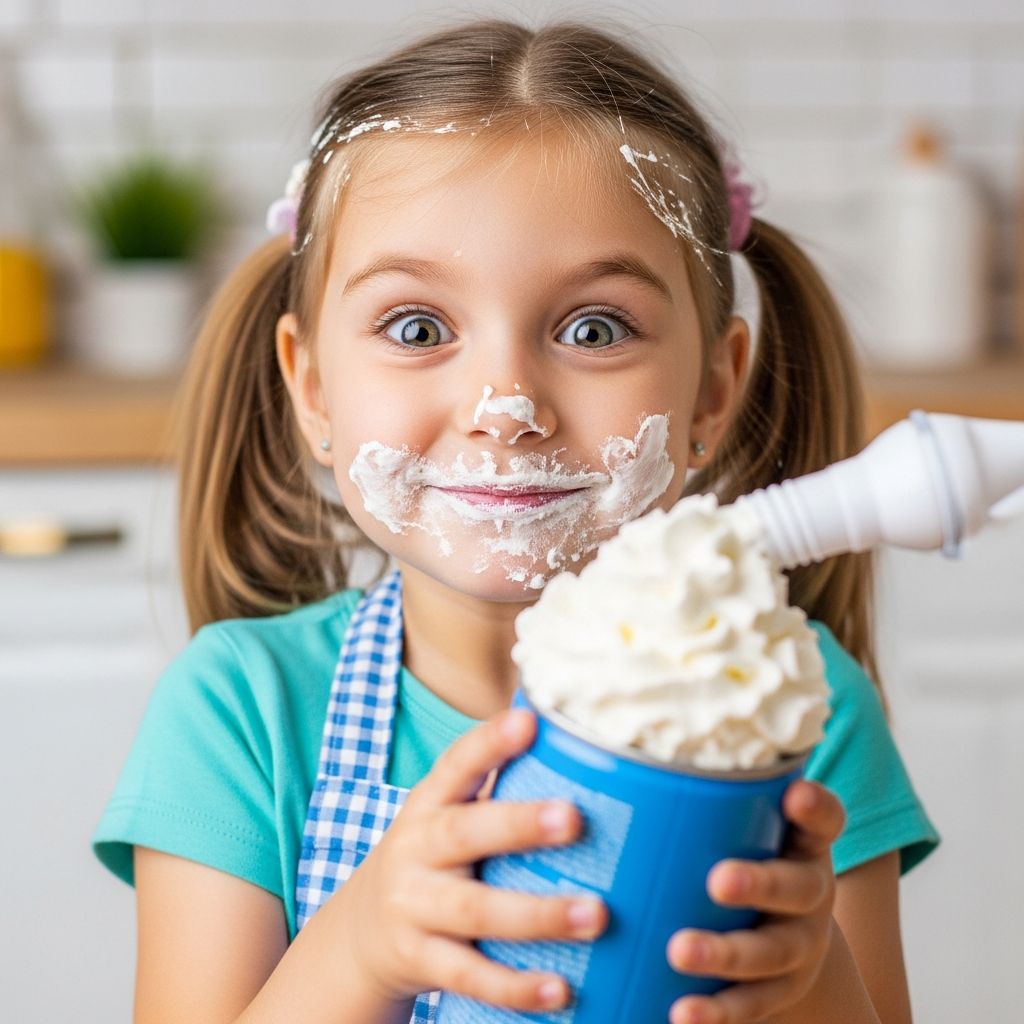
In the viral video, a very young child is handed a squirt of whipped cream and instantly transforms into the most passionate dessert fan you have ever seen. She leans in, eagerly opens her mouth, and practically demands that the next swirl of whipped cream come faster than the last. Her whole face lights up in anticipation, and you can almost feel her joy through the screen.
The moment quickly turns into a hilarious cycle of more, more, more. The parent barely has time to pause, laugh, and reset the can before the toddler is ready for another round. For viewers, it is equal parts comedy and sweetness: a tiny human who has clearly discovered one of life’s great pleasures and is not about to let it go.
- Endless requests for “just one more” squirt of whipped cream.
- Exaggerated expressions that swing between suspense and bliss.
- A parent who is amused, slightly overwhelmed, and clearly enjoying the silliness.
Why This Clip Feels So Relatable
Parents and caregivers connect with this video because it captures a universal stage of childhood: the phase when kids discover a new treat and instantly fall head over heels for it. Many families have lived through similar scenes with ice cream, cookies, fruit snacks, or chocolate chips straight from the bag.
Seeing another parent navigate that line between letting the child enjoy the moment and gently setting limits makes the clip especially relatable. It is a reminder that a lot of parenting involves managing small negotiations over things that seem tiny on the surface but feel huge to a toddler.
- Children often develop a short-term obsession with a single food or flavor.
- Parents recognize the push-and-pull between saying yes, saying no, and trying to keep things light.
- Humor becomes a key tool for surviving these intense but fleeting stages.
Kids Are Biologically Programmed to Love Sweets
Underneath the comedy, there is a very real biological explanation for why this little girl is so obsessed with whipped cream. From an evolutionary perspective, children are naturally drawn to sweet flavors because, historically, sweetness signaled a safe and energy-rich food source. Bitter flavors can indicate toxins, while sweetness usually meant edible fruits or calorie-dense foods.
Modern research continues to show that most children prefer sweeter tastes than adults, and that this preference peaks in early childhood. Their growing bodies and rapid development make quick energy especially attractive, so a sugary, creamy treat like whipped cream hits all the right notes. The reaction in the video is exaggerated but not unusual: it is a tiny human doing exactly what their biology encourages them to do.
- Sweetness is one of the first and strongest taste preferences in young children.
- High-energy foods can feel especially appealing during growth spurts.
- The brain’s reward system responds strongly to sugar, reinforcing the desire for more.
The Role of Novelty and Sensory Fun
The whipped cream itself is only half the story; the way it is delivered adds a lot to the excitement. A pressurized can that sprays a fluffy, sweet cloud directly into the mouth is a full sensory experience. It is cold, light, and surprising, and it looks a little bit like magic.
Young children thrive on novelty and sensory play, so this experience does not just taste good; it is also visually and physically fascinating. The sound of the can, the feeling of the whipped cream, and the laughter of the parent all become part of the reward. For a toddler, that combination can feel absolutely irresistible.
- Whipped cream from a can is both a food and a playful sensory activity.
- The unpredictable texture and temperature amplify the fun.
- Shared laughter and attention from the parent turn it into a special bonding moment.
Parenting Lessons Hidden in the Laughter
Even though the video is primarily just funny, it also quietly highlights some useful parenting lessons. One of the biggest is how powerful it can be to occasionally lean into silliness instead of fighting every small battle. Letting a child have a memorable, supervised moment with a favorite treat can satisfy their curiosity and create a positive association with family time.
At the same time, the clip shows the importance of gentle boundaries. The parent still controls the can, decides when the last squirt happens, and keeps an eye on the situation. In real life, balance is key: enjoying the moment without turning whipped cream into a daily expectation.
- Use fun food moments as opportunities for connection, not just consumption.
- Stay in charge of portions, even when you are joking around.
- Emphasize that treats are occasional and special, not constant.
Healthy Habits vs. Fun Treats
Many parents feel torn between encouraging healthy eating and allowing their children to simply enjoy being kids. A video like this brings that tension to the surface: it is adorable to watch, but it also sparks questions about sugar, nutrition, and long-term habits. The good news is that, for most families, occasional shared treats can comfortably fit into an overall balanced approach to food.
What matters most is the pattern over time. A rare whipped cream moment during a family gathering or special day is very different from daily, unlimited access to sugary snacks. By keeping treats occasional and pairing them with plenty of nutritious foods, parents can honor both their child’s joy and their long-term health.
Simple Ways to Keep Balance
- Offer regular meals and snacks that include fruits, vegetables, proteins, and whole grains.
- Save sugary treats for special occasions or specific times instead of all day access.
- Avoid using sweets as the only reward for good behavior; focus on praise, attention, and fun activities too.
- Talk about food in neutral terms, emphasizing how different foods help bodies grow, play, and feel strong.